

Where to Buy Ashwagandha Liquid Extract: KSM-66 vs Sensoril
Shopping for ashwagandha liquid extracts online can feel overwhelming thanks to a flurry of product labels and marketing terms like “KSM‑66,” “Sensoril,” “standardized to 5% withanolides,” and more. If you’re new to botanical supplements, making sense of these details is essential for a confident purchase. The right label language can help you compare quality, potency, and product transparency—key factors when adding ashwagandha to your wellness routine. This article explains what proprietary labels mean, why extraction methods matter, how to interpret “standardized” and withanolide percentage statements, and what to look for in liquid extract product details for a smart, informed decision.
Understanding Proprietary Ashwagandha Extracts: KSM‑66 and Sensoril
When browsing ashwagandha products online, you’ll often see names like KSM‑66 or Sensoril featured in product titles and descriptions. These are proprietary (trademarked) standardized extracts developed to highlight particular compositions or extraction processes.
What Is KSM‑66?
KSM‑66 is a branded ashwagandha root extract developed using a specific extraction process. It is widely known for using only ashwagandha roots and for listing withanolide content—usually around 5%. KSM‑66’s production typically uses water and milk as carriers or solvents, staying true to traditional extraction approaches. The focus on roots (instead of leaves) is one of its distinguishing factors.
To find a traditional root-based ashwagandha, seek Ashwagandha Extract | Organic Root Liquid – Stress, Energy & Mood, which features organic herbal goodness in every drop.
What Is Sensoril?
Sensoril is another proprietary ashwagandha extract. Unlike KSM‑66, Sensoril combines both ashwagandha roots and leaves. Its manufacturers emphasize a higher withanolide content, often standardized to about 10%. Sensoril’s extraction technique and composition seek to offer a higher concentration of certain plant compounds.
A benefit of root and leaf blends is that some products, such as Memory & Cognition 15X Liquid Extract | Natural Brain & Focus Support, utilize a blend of botanicals to support cognitive wellness and focus, offering another option when considering the complexity of plant compounds.
Key Difference:
- KSM‑66: Root only, moderate withanolide content (approx. 5%), traditional extraction method.
- Sensoril: Root and leaf blend, higher withanolide content (approx. 10%), different extraction process.
Trademarked names indicate that a company owns a specific extraction process, composition, or both. They’re not generic ashwagandha but are instead standardized and batch-tested for consistent results. Knowing what these terms mean helps you compare products with accuracy.
What Does "Standardized" Mean on Ashwagandha Labels?
"Standardized" is a common word in herbal supplement shopping—especially when comparing ashwagandha. But what does it actually mean?
Plain-English Definition
Standardized refers to the process of adjusting an herbal extract to contain consistent levels of one or more key plant compounds. For ashwagandha, this almost always means the extract has been measured and adjusted to a specific percentage of withanolides—the group of active compounds thought to contribute to ashwagandha’s value.
For example, a label might state “standardized to 5% withanolides.” This means that every batch of extract is tested and adjusted to contain that level of withanolides, regardless of small batch-to-batch variations in the raw plant material.
If you value transparency in label details, Herbal Goodness offers Bamboo Leaf Organic 15X Liquid Extract | Silica, Collagen & Biotin with a clear breakdown of standardization for comparison with ashwagandha and other herbs, making it easier to shop confidently across the botanical spectrum.
Why It Matters
- Consistency: Ensures you get the same concentration of key compounds with every serving.
- Transparency: Lets you objectively compare products side-by-side.
- Potency: Gives you information about extract strength, especially important if you’re tracking your intake.
Caution: Standardized extracts aren’t always “better.” The presence or absence of leaves versus roots, extraction method, and withanolide source (natural vs. added) all play a role in overall product quality.
Withanolide Percentage—Reading Between the Lines
Seeing a withanolide percentage on a label is becoming the norm. It appears as “standardized to X% withanolides” on most ashwagandha liquid extracts.
What Are Withanolides?
Withanolides are naturally occurring compounds in ashwagandha that are often studied for their role in traditional herbalism. They’re the primary marker for potency in ashwagandha extracts.
How Withanolide Percentage Is Determined
- Testing: Each extract batch is tested using laboratory methods like HPLC (high-performance liquid chromatography) to quantify total withanolide content.
- Standardization: Extract batches can be blended or adjusted to hit a declared percentage (e.g., 2.5%, 5%, 10%).
Why Percentage Alone Doesn’t Tell the Whole Story
While withanolide percentage is a helpful comparison tool, it’s not the entire picture:
- Root vs. Leaf: Some products use only roots, others use both. Leaves can contribute to higher withanolide percentages, but not all withanolides are identical in composition or traditional use context.
- Natural vs. Added: Some standardized extracts boost their withanolide levels by adding isolated compounds back into the product, rather than relying on what the plant naturally provides.
- Bioavailability: The ability of your body to absorb withanolides can be influenced by extraction method and carrier ingredients—including whether you’re consuming a liquid extract, powder, or capsule.
For more holistic nutrition, many users supplement their wellness routines with rich blends such as Soursop Leaf Graviola Extract 15X Liquid | Organic Cell & Immunity, which likewise benefits from clear standardization labeling and quality sourcing.
Extraction Methods and Carriers: Why They Matter
How ashwagandha is processed can be as important as which parts of the plant are used. Extraction method and carrier ingredients impact not only potency but also the extract’s overall characteristics and suitability for different preferences or traditions.
Common Extraction Methods:
- Water extraction: Traditional and gentle, often preserves a broader range of plant compounds.
- Alcohol extraction: Used for tinctures and many liquid extracts, alcohol can concentrate certain compounds and improve stability.
- CO2 extraction: A modern method, efficient for capturing fat-soluble compounds, though rare in ashwagandha extracts.
- Milk as a carrier: This traditional practice, seen in KSM‑66, is rooted in Ayurvedic tradition and claims to balance certain extract properties.
- Glycerin: An alternative for alcohol-free consumers, offering a sweet taste and stability.
What to Check on the Label
- Type of solvent or carrier: Look for “water-based,” “alcohol-based,” or “glycerin-based” in liquid extract product details.
- Root and/or leaf sourcing: Does the label spell out which plant parts are used?
- Allergen information: Extracts using milk as a carrier may not be suitable for vegans or those sensitive to dairy.
- Taste and convenience: Consider carrier flavor and format (liquid drops, tincture, etc.), which may influence your daily use experience.
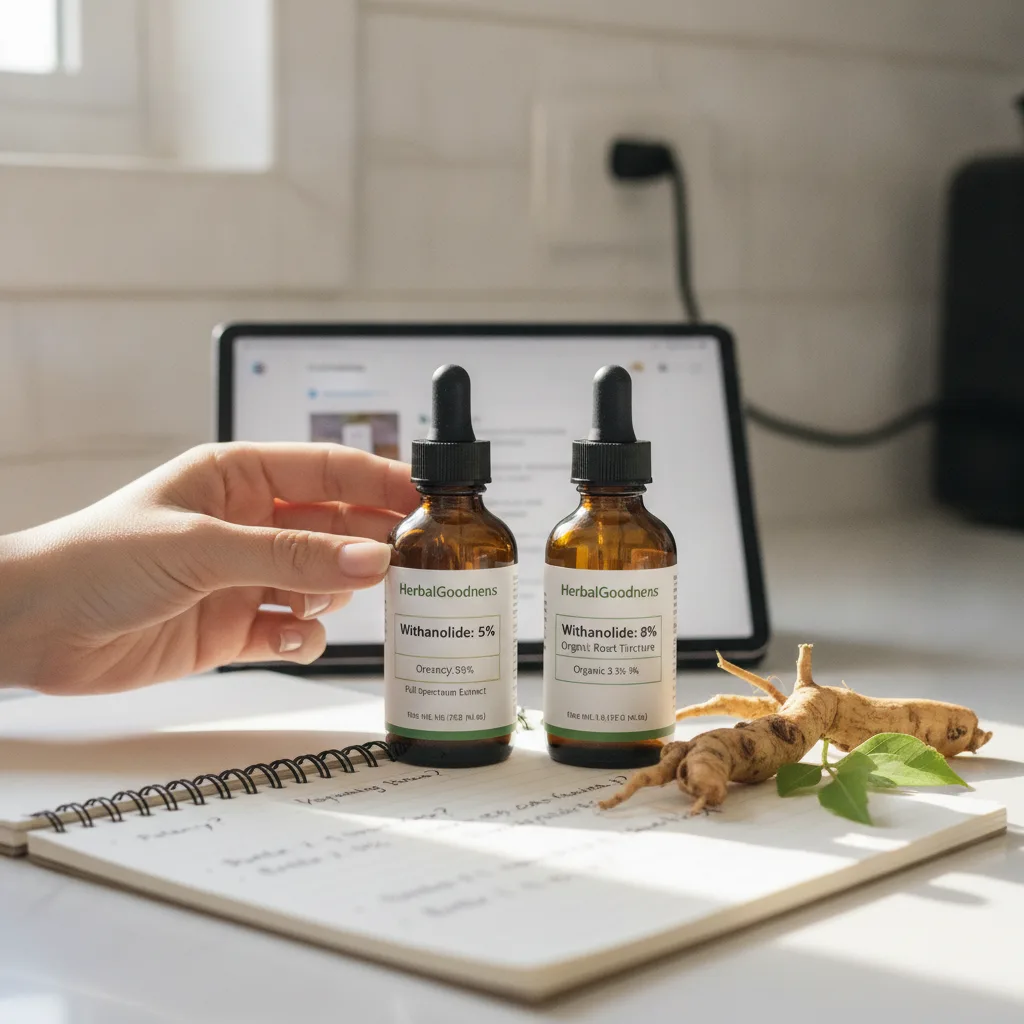
Reading product ingredient lists and extraction details becomes even more important if you’re choosing a supplement for daily use, whether that’s an ashwagandha tincture or a carefully crafted formula such as Blood Platelet Support with Papaya Leaf | Organic 15X Liquid Extract, which clearly lists sources and avoidance of unnecessary fillers.
Transparency Checklist: How to Compare Ashwagandha Liquid Extract Labels Online
Shopping online removes the ability to examine physical packaging—but you can still make an informed choice by evaluating a few key criteria in every product description:
1. Source and Plant Parts Used
- Does the label state “root only” or “root and leaf blend”?
- Are the sources of the herbs and carriers clear?
2. Standardization and Withanolide Percentage
- Is the extract “standardized,” and to what percent of withanolides?
- Are testing methods for withanolide content disclosed?
3. Extraction Method and Carrier Ingredients
- Is it water-based, alcohol-based, glycerin-based, etc.?
- Is milk or another carrier listed (especially important for certain dietary preferences)?
4. Transparency and Testing
- Does the company provide third-party testing results or certificates of analysis?
- Are ingredients lists complete and detailed?
5. Batch and Origin Details
- Is the country of origin stated?
- Are batch numbers or harvest details mentioned (a mark of transparency)?
6. Company Standards and Sourcing Ethics
- Does the brand mention sustainable, fair trade, or organic sourcing?
- Are manufacturing and quality control practices described?
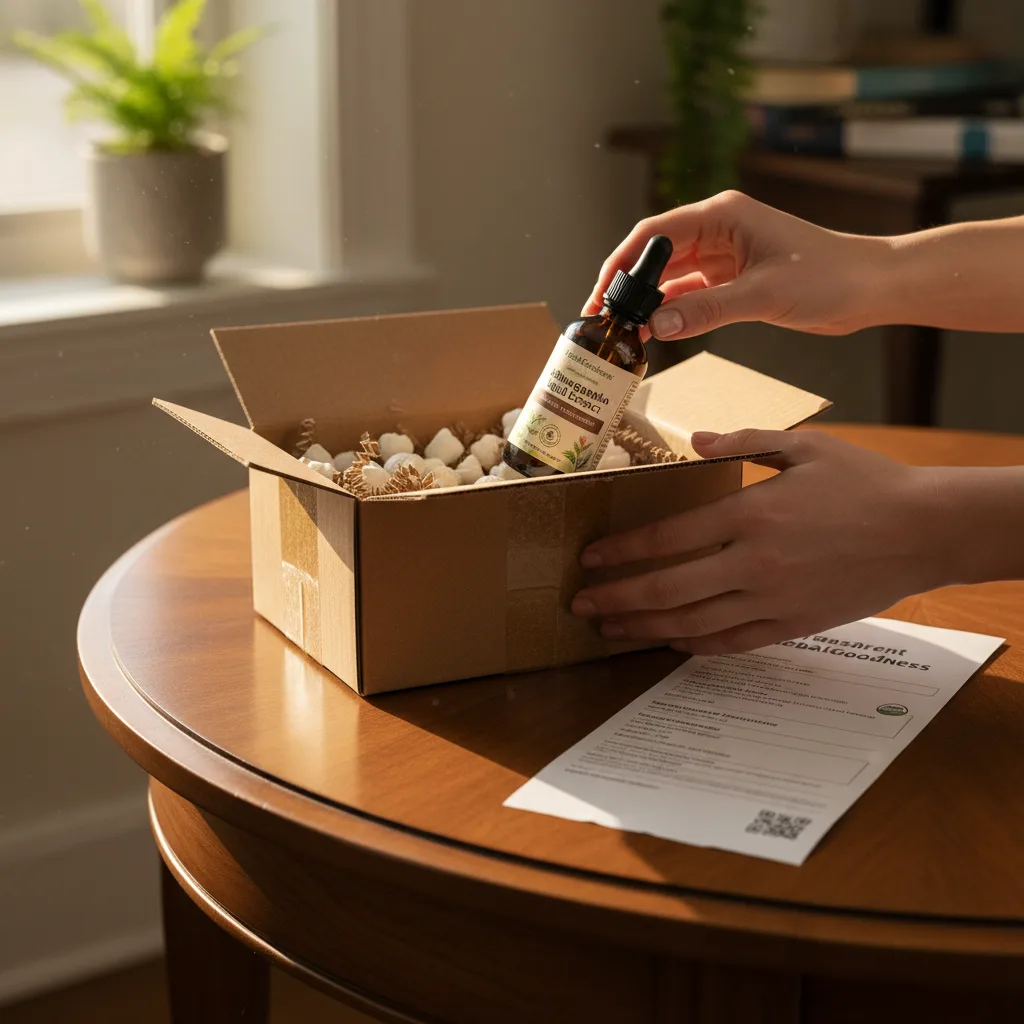
For shoppers who value high standards, these label clues offer guidance through the world of online herbal buying—making your selection experience less confusing and more empowering. Ashwagandha Extract | Organic Root Liquid – Stress, Energy & Mood includes reputable sourcing information and third-party test results, supporting your informed decision with transparency.

A supplement like Organic Papaya Leaf Extract 16oz | 15X Liquid – Best Value Size may also include third-party lab verification on their websites, showing a model for comprehensive label transparency across the herbal wellness sector.
Common Ashwagandha Label Terms Decoded
Here is a quick glossary of terms that frequently appear on ashwagandha liquid extract labels and listings, explained simply:
- KSM‑66: Proprietary extract, root only, standardized to 5% withanolides, traditional water/milk extraction.
- Sensoril: Proprietary extract, root and leaf, standardized to 10% withanolides, unique extraction.
- Standardized to X% withanolides: Lab-tested and adjusted for consistent active compound content.
- Withanolides: Key group of plant compounds in ashwagandha, focus of most potency labeling.
- Root only: Extract contains ashwagandha roots, prized in traditional use.
- Root/leaf blend: Combines roots and leaves, often higher withanolide content.
- Carrier/solvent: The liquid or base used to prepare the extract (water, glycerin, alcohol, or milk).
- Third-party tested: Products tested by independent labs for quality and safety.
- Country of origin: Where the ashwagandha was grown and harvested.
By understanding these label terms, you can better interpret ingredient lists whether you’re choosing ashwagandha or wider-ranging liquids such as Guayusa Leaf Organic 15X Liquid Extract | Clean Energy & Focus Support, which similarly highlight botanical sourcing and third-party testing on their labels.
Putting It All Together: Making the Most Informed Ashwagandha Extract Choice Online
Every online ashwagandha listing includes required details, but reading between the lines can reveal quality and transparency. By understanding proprietary names like KSM‑66 and Sensoril, tuning into standardized percentages, and considering extraction and carrier methods, you can filter products that best fit your priorities and preferences. Look for clear, complete ingredient panels, honest testing information, and company transparency—so the ashwagandha extract you select is aligned with your goals and values.
For those embracing a holistic wellness approach, considering blends alongside ashwagandha, such as Organic Papaya Seed Extract 15X Liquid | Gut & Colon Cleanse Support, can further expand your herbal toolkit based on clearly labeled sourcing and quality practices.
Frequently Asked Questions
Question 1: What does 'standardized to X% withanolides' mean on an ashwagandha extract label?
Answer: It means the extract is lab-adjusted so each serving contains a set percentage (like 5% or 10%) of withanolides, the key active plant compounds in ashwagandha. This makes comparing potency and consistency across products like Ashwagandha Extract | Organic Root Liquid – Stress, Energy & Mood straightforward for shoppers.
Question 2: Is root-only ashwagandha better than root and leaf blends?
Answer: Root-only forms like KSM-66 are closer to traditional Ayurvedic use, while root and leaf blends (such as Sensoril) may have a higher withanolide percentage. Quality also depends on extraction method, testing, and transparency. Products like Ashwagandha Extract | Organic Root Liquid – Stress, Energy & Mood focus on traditional root sourcing.
Question 3: How do I know if an ashwagandha liquid extract is high quality?
Answer: Check for clear ingredient lists, disclosure of parts used (root, or root and leaf), withanolide standardization, extraction methods, third-party lab results, and transparency in country of origin. Many reputable extracts, as seen with Organic Papaya Leaf Extract 16oz | 15X Liquid – Best Value Size, include robust testing information.
Question 4: What’s the difference between water-based, alcohol-based, and glycerin-based extracts?
Answer: Water extraction preserves a broad range of compounds, alcohol improves stability and extract concentration, and glycerin offers an alcohol-free, sweeter-tasting option. Always read labels for details—similar rules apply for other herbal products like Bamboo Leaf Organic 15X Liquid Extract | Silica, Collagen & Biotin.
Question 5: Do I need to worry about allergens in ashwagandha liquid extracts?
Answer: Some proprietary extracts use milk as a carrier, which is important to note for vegans or those sensitive to dairy. Check the ingredient list or product pages, especially if you require alcohol-free or plant-based carriers such as those in Guayusa Leaf Organic 15X Liquid Extract | Clean Energy & Focus Support.
Question 6: Why is third-party testing important for ashwagandha supplements?
Answer: Third-party testing ensures product purity, accurate labeling of withanolide content, and safety. Companies that provide certificates of analysis, such as Herbal Goodness, allow you to shop with added confidence and transparency.
When choosing an ashwagandha liquid extract online, use this label reading checklist to compare transparency, sourcing, and product details—empowering you to choose with clarity and confidence.
About the Author
Herbal Goodness Editorial Team
The Herbal Goodness Editorial Team specializes in holistic health and superfoods, blending science and nature to educate and empower our community.
References
Why Social Impact Matters in Plant-Based Wellness


FAQs
Drinking bamboo leaf tea supports hydration, relaxation, skin wellness, and antioxidant balance.
It’s used for general body wellness, skin elasticity, hair and nail support, and overall vitality.
Yes, bamboo leaf is rich in silica and antioxidants, which promote healthy skin, strong nails, and a youthful glow.
You can find dried bamboo leaf, powder, extract, drops, oil, and bamboo leaf green tea.
Bamboo leaf is generally safe when consumed in moderation. Always consult your healthcare provider before starting any new herbal supplement.