





What's Actually in an Avocado Leaf Supplement? A Shopper's Guide

What's Actually in an Avocado Leaf Supplement? A Shopper's Guide
Avocado leaves have quietly made their way from global kitchens and traditional uses to the shelves of herbal supplement aisles in the United States. For anyone intrigued by the expanding world of botanicals, avocado leaf supplements represent a promising—but sometimes puzzling—addition. How do you know what exactly is inside that bottle? Is all avocado leaf the same, and are there meaningful differences in origin, botanical terminology, or label terms?
This guide will walk you through the essentials of understanding an avocado leaf supplement. Whether you’re browsing online, standing in an aisle, or simply curious about what makes these products unique, you’ll discover practical tips for interpreting everything from botanical names to label language—and learn what really sets high-quality avocado leaf supplements apart.
Understanding Botanical Names: Why Persea americana Matters
When it comes to botanicals, precise naming isn’t just a matter of scientific nitpicking; it’s vitally important for both quality and safety. Every reputable supplement label should include the botanical name of the plant being used. In the case of avocado leaves, this is most often Persea americana.
What Does “Persea americana” Mean?
“Persea americana” is the Latin scientific name for the avocado tree, which belongs to the Lauraceae (laurel) family. This nomenclature distinguishes avocado leaf from other plants that could be called “avocado” in common usage or even online searches.
Other names or synonyms you might encounter include:
- Avocado leaf
- Alligator pear leaf
- Avocado tree leaf
However, if you see Persea gratissima or ambiguous terminology, it’s wise to investigate further, as this may indicate a different species or a lack of precise sourcing information.
Why It Matters for Shoppers
Knowing the botanical name isn’t only about identifying the right plant—it also helps you assess transparency and commitment to quality. When a manufacturer includes “Persea americana” on the label, it signals that the source material is properly identified, reducing ambiguity about what’s in each dose.
Common Avocado Leaf Varieties and Cultivars
Just as apples come in dozens of varieties, so do avocados. What’s in your supplement may come from any one of several cultivars, each with subtle differences in taste, aroma, and leaf composition. The most widely cultivated avocados come from the Hass, Fuerte, Bacon, and Pinkerton varieties, among others.
Do Cultivar Differences Matter?
For culinary uses, different avocado varieties can affect flavor and aroma when using fresh or dried leaves. In terms of supplements, the predominant differences often relate to:
- Leaf size and thickness: May affect extraction efficiency and consistency
- Essential oil content: Minor differences in aroma or taste can translate into subtle shifts in leaf extract profile
- Cultivar vs. “wildcrafted” designation: Some brands may choose specific cultivars, while others might harvest from wild avocado trees
Most supplement labels will not specify the exact avocado cultivar, but a highly transparent manufacturer may note it on the packaging or in supporting materials. Regardless of cultivar, all avocado leaves from Persea americana are expected to be comparable for purposes of standardized supplements.
Harvest Region: Why Source Location Influences Quality
Where the avocado tree grows can influence not only the story behind your supplement, but also its intrinsic qualities. Avocado trees thrive in a variety of climates, with major growing regions including Mexico, Central and South America, California, and parts of Asia and Africa.
The Role of Terroir
“Terroir” is a French term used to describe the unique environment in which a plant is grown, including soil, climate, and altitude. Each of these can influence the nutrient composition, phytochemical profile, and even taste of avocado leaves.
- Soil Minerals: Affects mineral content and natural balance of plant nutrients
- Climate Factors: Temperature swings, humidity, and rainfall patterns can all affect leaf growth consistency and properties
- Harvesting Methods: Local traditions and processing—the way leaves are picked, sorted, and dried—may influence the final supplement product
Some supplement brands, such as Herbal Goodness, position source region as a matter of quality, ensuring leaves are grown and harvested in optimal, non-contaminated regions, with careful attention to sustainable practices. Shoppers may choose to consider region of origin as one element in making an informed decision.
The Importance of Leaf Part Used
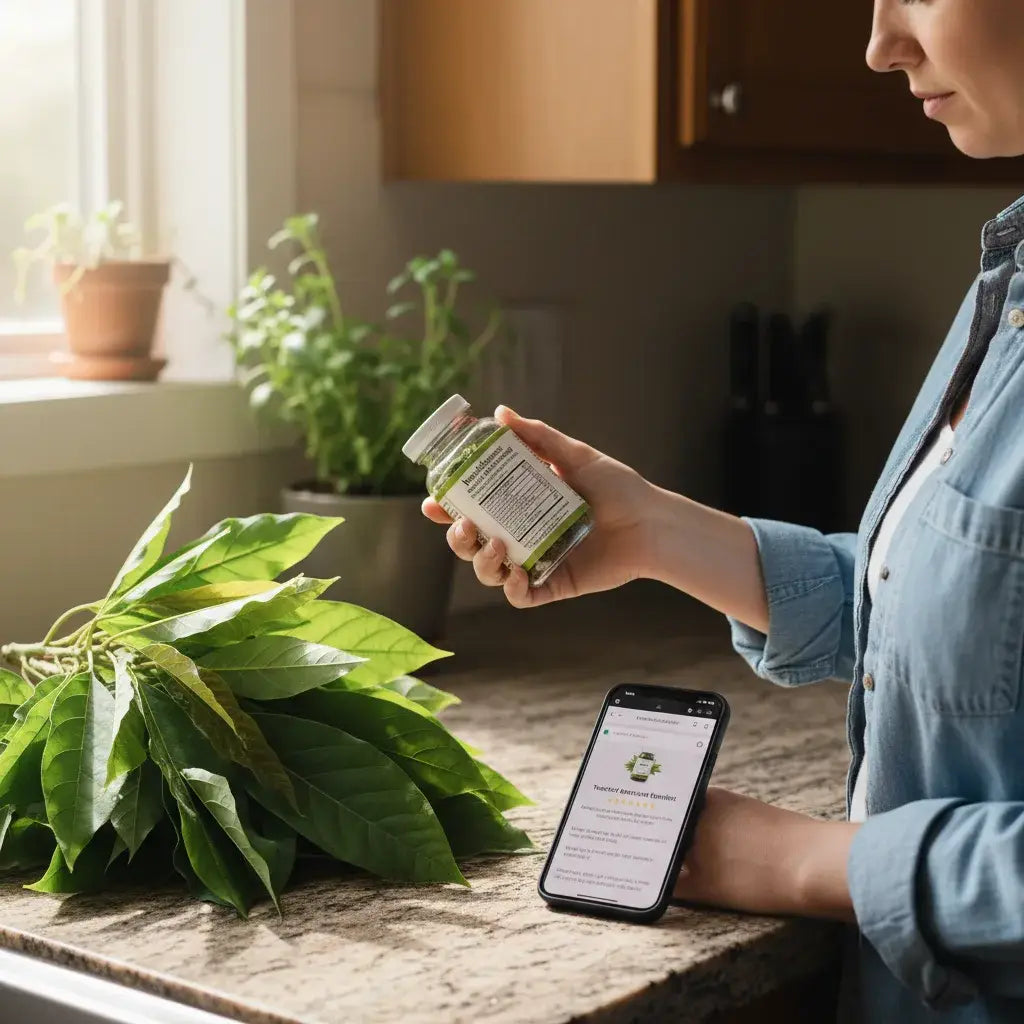
Not all parts of the avocado tree are intended for supplementation. Supplements should specify which part of the plant is used, typically listed as “leaf” or avocado leaf on the Supplement Facts label.
- Whole leaf vs. segmented leaf: Some processes use whole leaves for maximum profile; others may shred or powder before extraction.
- Exclusion of other parts: Seeds, bark, and fruit pulp are typically not included in avocado leaf supplements, both for safety and for accurately targeting traditionally valued compounds in the leaf.
When reading labels, clear mention of “leaf” as the part used helps ensure that you are getting the supplement traditionally appreciated for its longstanding uses, rather than an undefined blend of avocado plant material.
Extraction Methods and Supplement Formats
Avocado leaf supplements come in several forms, each offering a particular approach to capturing the beneficial compounds found in the plant.
- Whole dried leaf: Often cut or shredded, suitable for making tea or infusions
- Powder: Leaf dried and milled into a fine powder, sometimes contained in capsules
- Extracts: May be offered as liquid tinctures, standardized dry extracts, or powder extracts, concentrated to deliver a precise proportion of key plant compounds
The extraction method matters because it shapes the final content of phytochemicals, taste, and usability. For those interested in traditional herbal practices, loose-leaf tea or simple powders may be preferable. Others seeking standardized content may look for supplements marked with measurable extract ratios (such as 10:1 or 20:1), which denote concentration relative to the original leaf.
Highly reputable brands—including Herbal Goodness—ensure comprehensive transparency around extraction processes and maintain strict quality practices, with tests for purity, consistency, and absence of contaminants.

For example, those curious about highly concentrated forms can consider Avocado Leaf - Organic 1oz 15X Liquid Extract - Immunity & Heart Health, which clearly specifies both the leaf and the standardized extract ratio, helping you easily compare options.
What to Look for When Choosing Avocado Leaf Supplement
Selecting an avocado leaf supplement from the array of available products can be overwhelming. Here are key pointers to consider for making a confident choice:
1. Botanical Name Clearly Listed
Look for “Persea americana” on the label. Supplement transparency starts with proper plant identification.
2. Source and Harvest Region Mentioned
Products noting the country or region of harvest (such as “Sourced from Mexico” or “California-grown”) provide an extra layer of accountability and traceability.
3. Part Used Declaration
Confirm that the leaf is the only part listed in the Supplement Facts panel. Avoid products that use unspecified plant components.
4. Format and Extraction Method
Decide what form aligns with your goals: teas, powders, capsules, or extracts. If you prefer a concentrated product, look for standardized extracts with clear ratios.
5. Third-Party Testing and Certifications
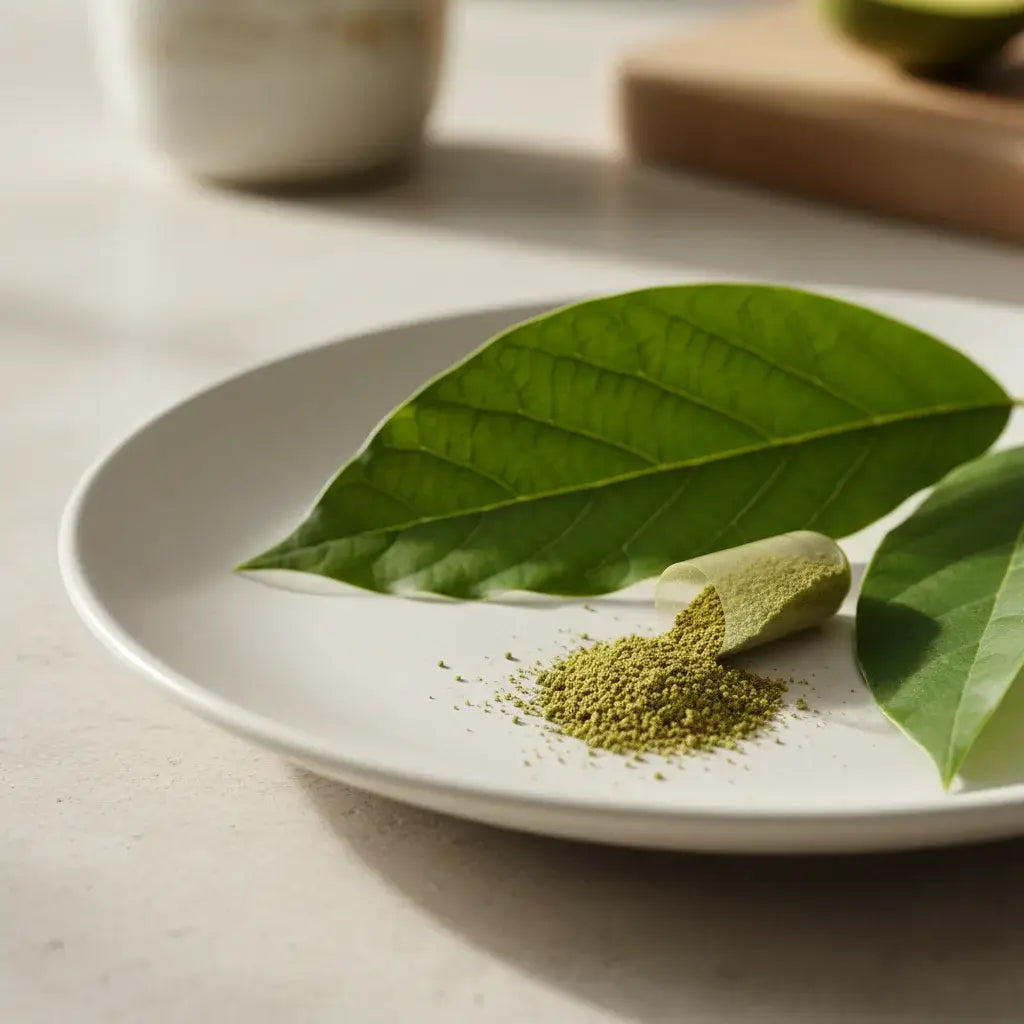
Check for evidence of independent laboratory testing for purity and non-GMO status. Certifications like USDA Organic or Fair Trade may add confidence.
6. Packaging Transparency
Well-sealed, light-resistant packaging helps preserve the natural qualities of the leaves and supports shelf stability without artificial additives.
7. Manufacturing Integrity
Products manufactured in facilities adhering to Good Manufacturing Practices (GMP) suggest attention to quality and safety throughout production. If you are interested in supplements that include other beneficial botanicals, Papaya Leaf Extract - - Organic 16oz 15X Liquid Extract also demonstrates a high standard of transparency, clear labeling, and rigorous testing.
Decoding Supplement Labels: Key Clues for the Savvy Shopper
Understanding labels is an essential skill for choosing any botanical supplement. Here’s what to look for specifically on avocado leaf supplement packaging and online descriptions:
- Ingredient List: Should be minimal and clear—ideally just “avocado leaf (Persea americana)” and perhaps a plant-based capsule if in supplement form
- Supplement Facts Panel: Offers serving size, extract ratio (if applicable), and total amount per serving
- Batch Number or Lot Code: Indicates traceability back to specific harvests and production dates
- Quality Seals: Badges such as “Verified Non-GMO,” “Certified Organic,” or lab test summaries denote additional scrutiny
Transparency in labeling isn’t just about compliance; it’s about building trust. Herbal Goodness and like-minded brands emphasize detailed, unambiguous product information so customers can feel empowered in their choices. Some wellness enthusiasts looking for overall herbal support combine different plant leaves, such as Bamboo Leaf Tea – 24/1.5g Tea Bags - Nature's Collagen & Biotin, to diversify their botanical intake.
The Takeaway: Navigating the World of Avocado Leaf Supplements
Welcoming avocado leaf into your wellness routine starts with informed choices. By learning to decode botanical names, assess regional sourcing, and check for key label clues, you can gain confidence in the supplements you select. Botanicals can be as individual as the regions and traditions from which they come, and the best products reflect both quality and respect for the plant’s integrity.
As you explore options, consider choosing brands that invest in transparent sourcing, rigorous quality control, and clear labeling. These markers of excellence set trustworthy supplements apart from the rest.
FAQs:
- What is the scientific name for the avocado leaf used in supplements?
The scientific name most commonly listed is Persea americana, which ensures the supplement is made from the recognized avocado species.
- Why should I care about the region where avocado leaves are harvested?
Harvest region can affect the leaf’s natural composition, consistency, and purity, offering clues about overall product quality.
- Are there different varieties of avocado leaves in supplements?
While most products use Persea americana, subtle differences in cultivar may exist. Reputable brands may specify the variety or use standardized leaves for consistency.
- What does a Supplement Facts label tell me about avocado leaf supplements?
The label reveals the specific part used (the leaf), serving sizes, and sometimes extract ratios, helping you understand the supplement’s contents.
- Why is transparent labeling important when buying avocado leaf supplements?
Clear, comprehensive labeling helps ensure you’re getting a product that is safe, traceable, and true to what is advertised.
- Is it important for avocado leaf supplements to be third-party tested?
Independent lab testing validates product purity and safety, offering additional confidence in the quality of the supplement.
Author Name:
Herbal Goodness Editorial Team
Author Bio:
The Herbal Goodness Editorial Team specializes in holistic health and superfoods, blending science and nature to educate and empower our community.
References:
Introducing Graviola to Young Taste Buds: Fun, Family-Friendly Flavor Exploration
Graviola in the Classroom and at Home: Creative Activities to Teach Kids About Tropical Plants
Why Social Impact Matters in Plant-Based Wellness
Share this
Popular posts


FAQs
1. What are the main benefits of drinking bamboo leaf tea?
Drinking bamboo leaf tea supports hydration, relaxation, skin wellness, and antioxidant balance.
2. What is bamboo leaf extract used for?
It’s used for general body wellness, skin elasticity, hair and nail support, and overall vitality.
3. Can bamboo leaf help with skin care and body wellness?
Yes, bamboo leaf is rich in silica and antioxidants, which promote healthy skin, strong nails, and a youthful glow.
4. What forms of bamboo leaf are available?
You can find dried bamboo leaf, powder, extract, drops, oil, and bamboo leaf green tea.
5. Are there any side effects of bamboo leaf?
Bamboo leaf is generally safe when consumed in moderation. Always consult your healthcare provider before starting any new herbal supplement.