





A World Map of Adaptogenic Herbs: Origins & Traditions
A World Map of Adaptogenic Herbs: Origins & Traditions
Adaptogenic herbs have captured the attention of health seekers everywhere, from wellness enthusiasts to herbal newcomers. Translating centuries-old folk traditions into today's teas, capsules, powders, and tinctures, these remarkable plants are valued all over the world for their roles in traditional well-being practices. This article takes you on an educational trip around the globe—mapping where some of the most renowned adaptogenic herbs are grown, how various cultures utilize them, what forms they often take, and what thoughtful explorers should know before embarking on their own adaptogen journey.
What Are Adaptogenic Herbs?
Adaptogens are a category of herbs and mushrooms traditionally valued for their ability to support a sense of equilibrium and resilience, especially during times of stress or change. The term "adaptogen" was first coined in the mid-20th century, but many adaptogenic plants have played important roles in holistic practices for generations. While each adaptogen has its own story, history, and regional roots, they share a reputation as versatile plants used to maintain balance in daily life. Root varieties, leafy infusions, and Mushroom Blend - Organic 1oz 15X Liquid Extract - Adaptogens & Brain Power each contribute distinctively to this ancient category.
Touring the Globe: Key Adaptogenic Herbs and Their Cultural Origins
Let's journey across continents, exploring where well-known adaptogens originate and how they became pillars of traditional wellness worldwide.
Ginseng (Panax Ginseng & Panax Quinquefolius)
Origins: East Asia (Korea, China, Russia), North America
Renowned as a symbol of vitality in East Asian cultures, ginseng is often called the "root of life." The two principal types—Asian ginseng (Panax ginseng) and American ginseng (Panax quinquefolius)—grow natively in the cool forests of their home continents. In China and Korea, wild ginseng holds historical prestige and is traditionally taken as a tea, decoction, or tincture.
Traditional uses: Centuries-old Chinese and Korean wellness manuals describe consuming ginseng to support stamina, energy, and overall well-being. Indigenous peoples in North America have also relied on American ginseng for ceremonial and daily vitality.
Common modern forms: Dried slices or root, tea, capsules, powder, tincture. Individuals seeking stamina support often appreciate Energy and Vitality - 1oz 15X Liquid Extract - Energy & Performance as a contemporary herbal option.
Ashwagandha (Withania Somnifera)
Origins: Indian Subcontinent, Middle East
Ashwagandha, also known as "Indian ginseng," grows as a sturdy shrub in the dry regions of India, Nepal, and nearby countries. It’s a staple in Ayurveda—a holistic system of well-being practiced for more than 3,000 years.
Traditional uses: Known as a "rasayana," ashwagandha is commonly used to help rejuvenate the body and support calm. Ancient texts suggest it was often given in milk, honey, or as part of complex herbal blends.
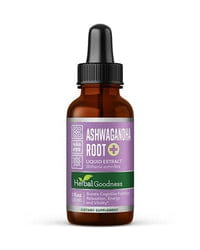
Common modern forms: Powder (for blending in drinks), capsules, liquid extracts, teas. Modern blends such as Ashwagandha Root Liquid Extract - Organic - Energy & Mood offer convenient ways to experience this Ayurvedic classic.
Rhodiola (Rhodiola Rosea)
Origins: Arctic and mountainous areas of Asia, Russia, Eastern Europe, Scandinavia
This yellow-flowering mountain plant is well known in Siberian, Mongolian, and Scandinavian folk wisdom. Called the "golden root" or "arctic root," it was traditionally collected from rugged alpine slopes.
Traditional uses: Historically, residents of Russia and Scandinavia used rhodiola tea to support stamina during harsh winters and long days of physical effort.
Common modern forms: Tablets, capsules, tea (from dried root), tinctures. For those seeking to incorporate this arctic-root tradition, Rhodiola Root Liquid Extract - Organic 1oz - Energy Support offers a trusted option.
Holy Basil (Tulsi, Ocimum Sanctum)
Origins: India, Southeast Asia
Holy basil, or tulsi, is revered throughout India and Nepal as a sacred plant. Found in home gardens, temple courtyards, and markets, it is renowned for its fragrant, spicy leaves.
Traditional uses: In Ayurveda, tulsi tea and infusions are sipped daily to promote calming balance and spiritual clarity. Tulsi also plays a key role in rituals and spiritual ceremonies, highlighting the bridge between physical and spiritual well-being.
Common modern forms: Fresh or dried leaf tea, capsules, liquid extracts. Experience such calming rituals through adaptogenic tea infusions or a curated Herbal Tea Gift Set – Wellness Tea Gift Variety Collection - Organic 24 Teabags that celebrates global herbal traditions.
Maca (Lepidium Meyenii)
Origins: Andes Mountains, Peru & Bolivia
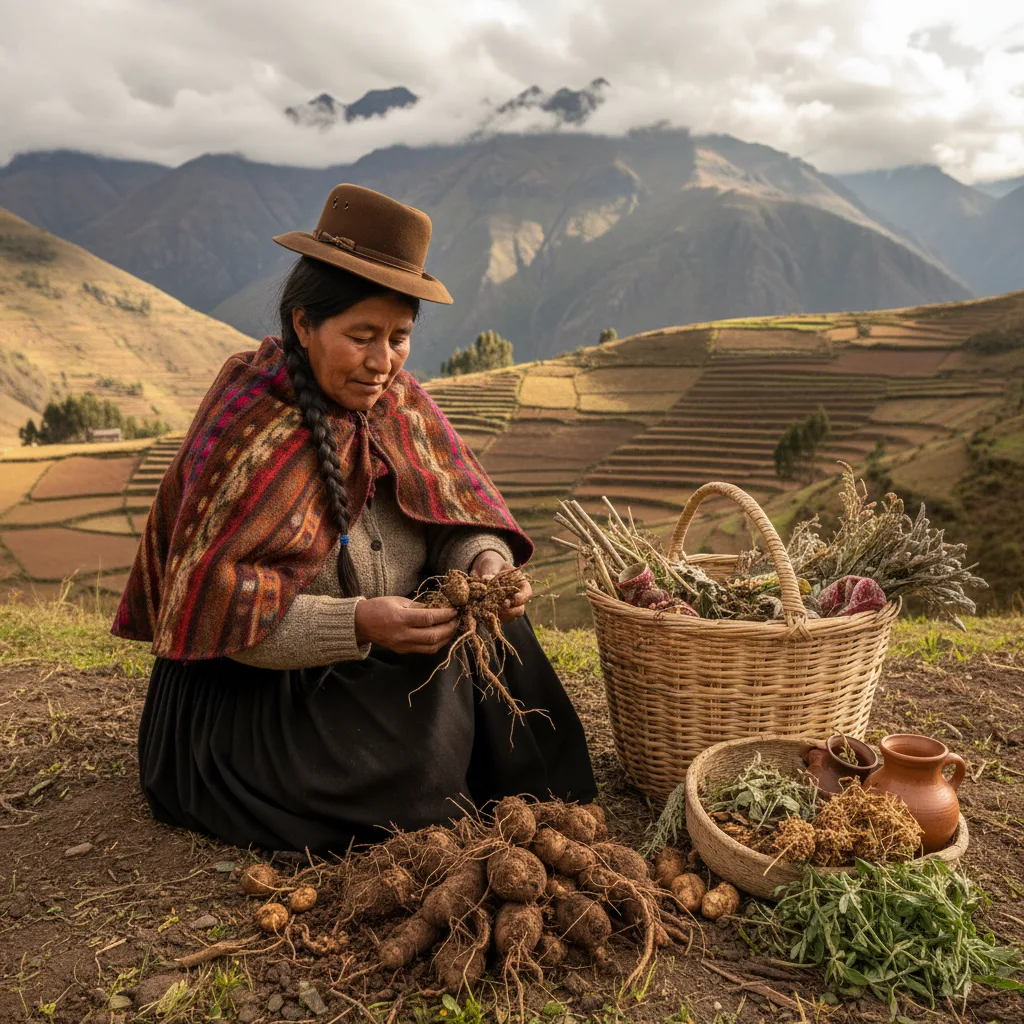
Maca, sometimes known as "Peruvian ginseng," is a hardy root vegetable cultivated high in the Andes for over two thousand years. It grows at altitudes above 13,000 feet, where few other plants thrive.
Traditional uses: Native Andean communities valued maca for its legendary energizing qualities. It was typically eaten as a food—roasted, boiled, or ground into flour.
Common modern forms: Powder, capsules, extract, energy blends. The versatility of powdered adaptogens fits into daily routines much like Papaya Seed Powder - Organic 4oz Bag - Colon & Gut Cleanse—blended easily into smoothies or recipes to complement other superfoods.
Reishi (Ganoderma Lucidum)
Origins: China, Japan, broader East Asia
This glossy, woody fungus—often called the "mushroom of immortality"—has been respected in Traditional Chinese and Japanese practices for centuries. Reishi mushrooms grow on decaying hardwood trees in humid, shaded forests.
Traditional uses: Traditionally decocted in teas or soups, reishi was a prized rarity. It was frequently reserved for spiritual and ceremonial uses as well.
Common modern forms: Dried slices, tea, capsules, powder, tinctures. You can find reishi as part of a Mushroom Blend - Organic 1oz 15X Liquid Extract - Adaptogens & Brain Power, supporting the time-honored appreciation for adaptogenic mushrooms.
Adaptogenic Herbs by Continent: More Global Examples
Beyond the famous herbs above, many cultures have unique adaptogens:
- Siberian Eleuthero (Eleutherococcus senticosus) – Siberia, Northeast Asia
- Schisandra Berry (Schisandra chinensis) – China, Russia
- Licorice Root (Glycyrrhiza glabra) – Mediterranean, Central Asia
- Astragalus (Astragalus membranaceus) – China, Mongolia
These plants each have a place in their native traditions, expanding the diversity of adaptogens across the world. Sampling a Wellness Tea Blends - Organic 4oz - Premium Herbal Infusion can introduce your palate to new global adaptogenic flavors.
Exploring Product Forms: How People Enjoy Adaptogens Today
Adaptogens have found their way into a variety of easy-to-use formats. Here’s a look at commonly available forms, from ancient preparations to modern health aisles:
Teas and Decoctions
Long before adaptogens could be measured out in precise capsules, people brewed roots and leaves into strong herbal teas or “decoctions.” This method is still popular, and many enjoy the ritual and aroma of making herbal infusions at home. Steeping blends from a Herbal Tea Gift Set – Wellness Tea Gift Variety Collection - Organic 24 Teabags can be both nourishing and comforting.
Powders
Powdered roots and mushrooms offer versatility—they can be blended into drinks, smoothies, porridges, or sprinkled on food. Maca and ashwagandha are particularly popular as powders. Papaya Seed Powder - Organic 4oz Bag - Colon & Gut Cleanse is another example of a botanical powder that can fit neatly into daily routines.
Capsules and Tablets
For convenience and precise portions, adaptogenic herbs are widely available as capsules or tablets. Some people prefer these for easy use on the go, especially with blends designed for cumulative support such as Graviola Soursop Leaf Extract – 10X 60/600mg Capsules - Cell Renew & Immunity.

Tinctures and Liquid Extracts
Liquid forms, such as tinctures and extracts, are highly concentrated and generally taken by dropper or added to drinks. They are especially common for roots like ginseng and adaptogens such as holy basil. The Ashwagandha Root Liquid Extract - Organic - Energy & Mood is a notable option for those prioritizing flavor and potency.
Cultural Contexts: How Traditions Shape Adaptogen Use
Adaptogens aren’t just about the plants themselves—they reflect deep relationships with nature, ritual, and daily life. For example:
- In East Asia, ginseng is traditionally given as a gesture of hospitality or respect.
- Among Andean communities, maca is baked into breads during harvest festivals.
- In India, tulsi is grown in household shrines for spiritual protection as well as daily consumption.
Understanding this context helps those interested in adaptogens appreciate how these herbs are interwoven with local identity and tradition. Many herbal blends—such as the Wellness Tea Blends - Organic 4oz - Premium Herbal Infusion—reflect these cross-cultural approaches.
Practical Considerations: Before Exploring Adaptogens
Curious about trying adaptogenic herbs? Here are some key factors to keep in mind:
Flavor Profiles
- Ginseng: Bitter-earthy, sometimes slightly sweet
- Ashwagandha: Bitter with earthy undertones
- Rhodiola: Rose-like, slightly astringent
- Maca: Malty, nutty, slightly sweet
- Holy Basil: Spicy-clove, herbal
- Reishi: Strongly bitter, woody
It’s helpful to sample small quantities or blends with flavors you already enjoy. Savoring teas such as those from a Herbal Tea Gift Set – Wellness Tea Gift Variety Collection - Organic 24 Teabags can be ideal for discovering palatable botanicals.
Sourcing and Quality
- Look for reputable sources that provide detailed sourcing information.
- Consider organic and wildcrafted options as these may offer additional peace of mind about how the plants were grown.
- Transparency in processing (how the plant is grown, harvested, and handled) is important for quality and safety. Options such as Graviola Soursop Leaf Extract – 10X 60/600mg Capsules - Cell Renew & Immunity offer insight into modern sourcing practices.
Sustainability and Ethical Wildcrafting
Some adaptogens, such as wild ginseng and reishi, are at risk of overharvesting due to popularity and slow growth in their natural habitats. Consider:
- Supporting sustainably cultivated or certified-wildcrafted herbs
- Choosing cultivated over wild when possible, especially for endangered species
- Being informed about indigenous stewardship and fair compensation for traditional knowledge
If interested in sustainable choices, products like Papaya Seed Powder - Organic 4oz Bag - Colon & Gut Cleanse often emphasize careful cultivation and responsible harvest.
Safety and Personalization
Adaptogenic herbs are generally considered gentle, but everyone’s body is unique. Traditional wisdom often recommends starting with small amounts to see how you respond. Take time to read up on each herb and, if desired, talk with a knowledgeable health practitioner familiar with herbal traditions. Some people opt for easy-to-dose extracts such as Ashwagandha Root Liquid Extract - Organic - Energy & Mood to begin their journey.
Mapping Your Adaptogenic Journey: Personal Exploration
Everyone’s interest in adaptogens starts with curiosity. Take your time learning about each herb’s story and tradition—maybe even exploring a culture’s recipes or spiritual uses. Whether adding maca to your morning smoothie or sipping holy basil tea, the world of adaptogens is as much about the journey as the destination.
FAQs:
- What are adaptogenic herbs?
Adaptogenic herbs are a class of plants and fungi traditionally valued for their role in supporting the body's natural response to stress and promoting balance. They’ve been used for centuries across diverse cultures in teas, tinctures, and foods.
- Where do common adaptogenic herbs come from?
Adaptogenic herbs have roots on every continent: ginseng and reishi in East Asia, ashwagandha and tulsi in India, maca in the Andes, and rhodiola in Arctic and mountainous regions. Each has a unique cultural story and traditional use.
- How are adaptogenic herbs commonly used today?
Today, adaptogens are enjoyed as teas, powders, capsules, and tinctures. Many people add them to smoothies, take concentrated extracts, or brew traditional herbal teas.
- Are adaptogens safe for everyone?
Adaptogens are widely appreciated for their gentle nature, but everyone is unique. It’s best to start with small amounts and seek guidance if you have questions about personal suitability or sourcing.
- How can I find quality adaptogenic herbs?
Look for reputable brands that share sourcing information, consider options that are organic or wildcrafted, and choose products with clear labeling about origin and processing methods.
- Why is sustainability important when buying adaptogens?
Some adaptogenic herbs grow slowly or are at risk of overharvesting. Choosing sustainably cultivated or ethically wildcrafted options helps protect natural habitats and supports fair practices for traditional communities.
Author Name:
Herbal Goodness Editorial Team
Author Bio:
The Herbal Goodness Editorial Team specializes in holistic health and superfoods, blending science and nature to educate and empower our community.
References:
Introducing Graviola to Young Taste Buds: Fun, Family-Friendly Flavor Exploration
Graviola in the Classroom and at Home: Creative Activities to Teach Kids About Tropical Plants


FAQs
Drinking bamboo leaf tea supports hydration, relaxation, skin wellness, and antioxidant balance.
It’s used for general body wellness, skin elasticity, hair and nail support, and overall vitality.
Yes, bamboo leaf is rich in silica and antioxidants, which promote healthy skin, strong nails, and a youthful glow.
You can find dried bamboo leaf, powder, extract, drops, oil, and bamboo leaf green tea.
Bamboo leaf is generally safe when consumed in moderation. Always consult your healthcare provider before starting any new herbal supplement.