





Supply Chain Basics: How Harvest Seasons and Shipping Shape Bulk Ashwagandha Capsule Supply

Introduction: Understanding the Journey of Bulk Ashwagandha Capsules
If you’re a retailer, wellness brand, or simply a curious buyer, you may have noticed that the availability of bulk ashwagandha capsules rises and falls throughout the year—sometimes unpredictable, occasionally resulting in fluctuating prices or supply challenges. While a lot of attention goes to the benefits of ashwagandha itself, the behind-the-scenes factors that control when (and how) ashwagandha capsules make it to wholesale shelves are equally important for businesses to understand. This article will walk you through the non-medical basics of the ashwagandha supply chain: harvest seasons, global trade logistics, quality assurance steps, and the all-too-common shipping and export obstacles that shape the wholesale ashwagandha capsule market.
Ashwagandha and Its Global Roots
Ashwagandha (Withania somnifera), an herb long valued in herbal traditions, is predominantly cultivated in South Asia—especially India, which serves as the central hub for global ashwagandha root export. Other producing regions include parts of Africa and the Middle East, but India remains the world’s primary supplier for bulk root, powder, and finished capsules.
From smallholder farmers to sizable agricultural cooperatives, much of the global volume comes from a patchwork of regional operations. This diversity affects everything from plant maturation timelines to harvest methods—ultimately impacting the quantities available for manufacturers and wholesalers, such as Bulk Herbs & Roots - Organic 4oz Bags - Herbal Tea, to purchase and process each year.
The Harvest Window: Seasonal Factors in Ashwagandha Supply
Timing the Harvest
Ashwagandha is a crop with a specific annual cycle. It’s commonly sown at the beginning of the monsoon (June–July in India) and takes about 150–180 days to mature. The roots are typically harvested from December through February, after which a period of sun drying and initial sorting begins.
This seasonal rhythm means that the largest influx of fresh ashwagandha root enters the market around late winter and early spring in the northern hemisphere. Bulk buyers often notice increased availability—and occasionally lower prices—shortly after harvest, as stocks are most abundant.
Regional and Climate Variability
Regions with different monsoon patterns (or drought variations) can experience shifts in yield and harvest completion. Changes in rainfall, temperature extremes, or flooding may affect planting and harvesting dates or reduce the overall crop. As climates fluctuate, reliable ashwagandha supply hinges on monitoring weather impacts across all major producing regions.

Impact on Bulk Capsule Supply
Bulk ashwagandha capsules start with the annual harvest. When harvests are robust, manufacturers are able to process more capsules, resulting in greater availability for wholesalers and retailers. Conversely, poor yields or delayed harvests trigger shortages and longer lead times. For those needing to diversify herbal offerings during ashwagandha shortages, options such as Graviola Soursop Leaf Extract – 10X 60/600mg Capsules - Cell Renew & Immunity can provide alternative inventory solutions.
From Farm to Factory: Processing and Testing Bottlenecks
Cleaning, Drying, and Milling
After farmers dig up the roots, there’s a multi-step journey before these become capsules. First, roots are thoroughly washed and sun-dried—a crucial step to ensure product quality during shipping and storage. Next, roots are milled into powder, a process that requires specialized machinery and time.
Laboratory Testing and Quality Checks
Before bulk ashwagandha powder can be encapsulated and released to international buyers, it needs to pass a range of safety and quality protocols. These include identity verification, purity, and composition screening, sometimes performed by third-party labs. Limited lab resources, increased global demand, or delayed test results can create a processing bottleneck—stretching out timelines between harvest and finished capsule shipment.
Certifications and Documentation
Many wholesale buyers require evidence of third-party testing, organic certification, or compliance with region-specific safety standards. Preparing and collecting documentation adds another layer to the timeline, particularly when requirements differ for the U.S., E.U., or other global markets. During these waiting periods, retailers may focus on other shelf-stable and consistently supplied products like Sea Moss - Raw Dried from St Lucia - 8oz Bag - Nature's MultiVitamins, which are less dependent on seasonal crop cycles.

Global Trade Logistics: Export, Import, and Customs Hurdles
International Regulations
Bulk ashwagandha capsule export involves strict oversight. Each country has its own export rules regarding botanical products. Indian authorities, for instance, may require phytosanitary certificates, export permits, and sometimes random batch sampling to ensure compliance. Changes in export regulations—from customs paperwork to safety standards—can cause delays.
Import Requirements and Port Delays
On the receiving end, destination countries (like the United States) maintain their own import protocols and random inspections, occasionally resulting in customs holds. Official reviews can stretch from days to weeks, impacting inventory flow and market timelines.
Freight and Shipping Complexities
Most raw material and bulk ashwagandha capsules are transported by sea freight—an efficient but relatively slow route. Shipping times can be influenced by global freight capacity, port congestion, and international holidays. For urgent shipments, air freight is an option, but at a far higher cost, often reserved for small volumes or emergency needs.
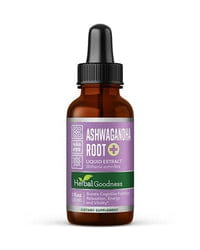
Having flexible stock strategies also means exploring fast-moving products not subject to the same bottlenecks, such as Ashwagandha Root Liquid Extract - Organic - Energy & Mood, which may experience different supply cycles compared to bulk capsules.
The Impact of Shipping and In-Transit Delays
Sea Versus Air Freight
With most bulk capsule orders traveling by sea, the average transit time between India and North American or European ports ranges from four to eight weeks. This doesn’t account for potential delays arising from:
- Port congestion due to surges in global demand
- Container shortages
- Weather events
- International holidays (such as Lunar New Year)
Each hiccup, even once the cargo is en route, can ripple down the line, leaving importers and wholesalers to adjust inventory plans accordingly. Brands looking for backup inventory during transit delays have seen value in adding adaptable supplements like Papaya Leaf Extract - Capsules 600mg - 10X Strength to their offerings, as these may have steadier supply chains.
Supply Chain Disruptions
Unexpected events—ranging from global logistics slowdowns, labor actions at major ports, geopolitical events, or pandemics—can abruptly affect shipping routes. Recent history has shown that even temporary disruptions in freight logistics can produce sharp price increases, inventory shortages, or lengthier lead times for bulk ashwagandha capsules.
The Role of Supply and Demand in Ashwagandha Capsule Pricing
Market Demand Trends
Increased consumer interest in traditional herbal supplements has driven up demand for ashwagandha globally. Any uptick in demand—combined with the fixed annual harvest—can reduce available stocks of high-quality root and powder, which may impact both availability and price.
How Supply Chain Factors Influence Pricing
Prices on bulk ashwagandha capsules can vary throughout the year:
- Post-Harvest: Supply is highest, potential for stable or lower pricing.
- Pre-Harvest/Off-Season: Inventory decreases, leading to possible price increases.
- During Difficult Harvest Years: Prices may rise due to less root entering the market and increased competition for available stock.
These trends are further impacted by processing and shipping disruptions or export delays, often causing prices to shift unexpectedly for wholesalers and retailers alike. To weather these market shifts, maintaining inventory of consistently trending blends like Bulk Loose Leaf Teas & Tisanes - Organic 4oz - Herbal Wellness Teas may help stabilize cash flow and meet customer demand when capsule supply is lower.
What Small Buyers and Retailers Should Watch For
Understanding non-medical supply chain basics arms buyers with realistic expectations. Here are some key points for planning and inventory management:
- Lead Times: Expect 2–4 months from order placement to delivery during normal trading windows; longer if supply chain delays arise.
- Batch Variability: Due to agricultural and climate influences, potency or characteristics may vary between lots.
- Seasonal Orders: Time large orders with the post-harvest period (early spring) for best availability.
- Documentation: Ensure your bulk supplier provides current, region-appropriate certifications for safety and quality.
Close communication with suppliers and flexible order planning can help small retailers and wellness brands adapt to supply chain shifts effectively. To cover periods of uncertainty, some businesses rely on Bulk Herbs & Roots - Organic 4oz Bags - Herbal Tea and direct extracts like Ashwagandha Root Liquid Extract - Organic - Energy & Mood, which tend to be processed year-round.
Conclusion: Navigating the Ashwagandha Supply Chain
Bulk ashwagandha capsule availability isn’t just about harvest size—it’s shaped by the entire journey from field to finished capsule. Weather patterns, processing steps, testing requirements, global shipping, and changing demand each play a critical role. By understanding these basics, buyers and retailers can forecast inventory needs, adjust order timing, and maintain realistic expectations for lead times and price fluctuations—as well as appreciate the effort behind every capsule reaching the shelf.
FAQs:
- When is ashwagandha typically harvested for bulk supply?
Ashwagandha is commonly harvested between December and February, following a 5–6 month growing period, with bulk supply entering the market soon after processing and quality checks.
- Why do ashwagandha capsule prices change throughout the year?
Prices can increase during off-season months when inventory is lower or if harvest yields drop. Shipping delays, demand spikes, and processing bottlenecks also influence wholesale pricing.
- How long does it take to receive bulk ashwagandha capsules after placing an order?
Typical lead times range from 2–4 months, factoring in harvest, processing, lab testing, documentation, shipping, and customs clearance. Unexpected events can extend timelines.
- What causes shipping delays for ashwagandha capsules?
Delays often arise from port congestion, container shortages, labor actions, global holidays, or unexpected weather events during sea or air freight transit.
- Do regional differences impact ashwagandha crop yields?
Yes, climate variability and regional weather patterns, like rainfall or drought, can significantly impact ashwagandha growth and harvest timing, shaping overall availability in the global market.
- How does quality testing influence supply timelines?
Extensive laboratory testing and certification processes, though vital for safety, can slow down the release of new batches, especially during high-demand periods or when third-party lab resources are limited.
- What documents should buyers expect when purchasing bulk ashwagandha?
Regional and international buyers often require certifications for purity and safety (such as organic certification and third-party testing results), along with country-specific import/export documents.
Author Name:
Herbal Goodness Editorial Team
Author Bio:
The Herbal Goodness Editorial Team specializes in holistic health and superfoods, blending science and nature to educate and empower our community.
References:
Introducing Graviola to Young Taste Buds: Fun, Family-Friendly Flavor Exploration
A World Map of Adaptogenic Herbs: Origins & Traditions
Share this
Popular posts


FAQs
1. What are the main benefits of drinking bamboo leaf tea?
Drinking bamboo leaf tea supports hydration, relaxation, skin wellness, and antioxidant balance.
2. What is bamboo leaf extract used for?
It’s used for general body wellness, skin elasticity, hair and nail support, and overall vitality.
3. Can bamboo leaf help with skin care and body wellness?
Yes, bamboo leaf is rich in silica and antioxidants, which promote healthy skin, strong nails, and a youthful glow.
4. What forms of bamboo leaf are available?
You can find dried bamboo leaf, powder, extract, drops, oil, and bamboo leaf green tea.
5. Are there any side effects of bamboo leaf?
Bamboo leaf is generally safe when consumed in moderation. Always consult your healthcare provider before starting any new herbal supplement.