





Plant-Based Beauty Supplements: Key Compounds, Forms, and How Research Works

Introduction to Plant-Based Beauty Supplements
Interest in plant-based beauty supplements is at an all-time high as more individuals seek gentle, naturally inspired ways to support the appearance of hair, skin, and nails. These supplements often feature botanical compounds sourced from fruits, herbs, and other plants, harvested and transformed through various extraction methods into powders, capsules, and liquid forms. While curiosity runs high, so do questions: What are these compounds? How are supplements made? And how should someone interpret the research? This article unpacks these questions in a beginner-friendly way, providing context on how plant-based ingredients are traditionally used and how modern science approaches their evaluation—empowering you to make your own low-pressure, informed choices about exploring plant-based beauty.
Exploring Key Botanical Compounds in Beauty Supplements
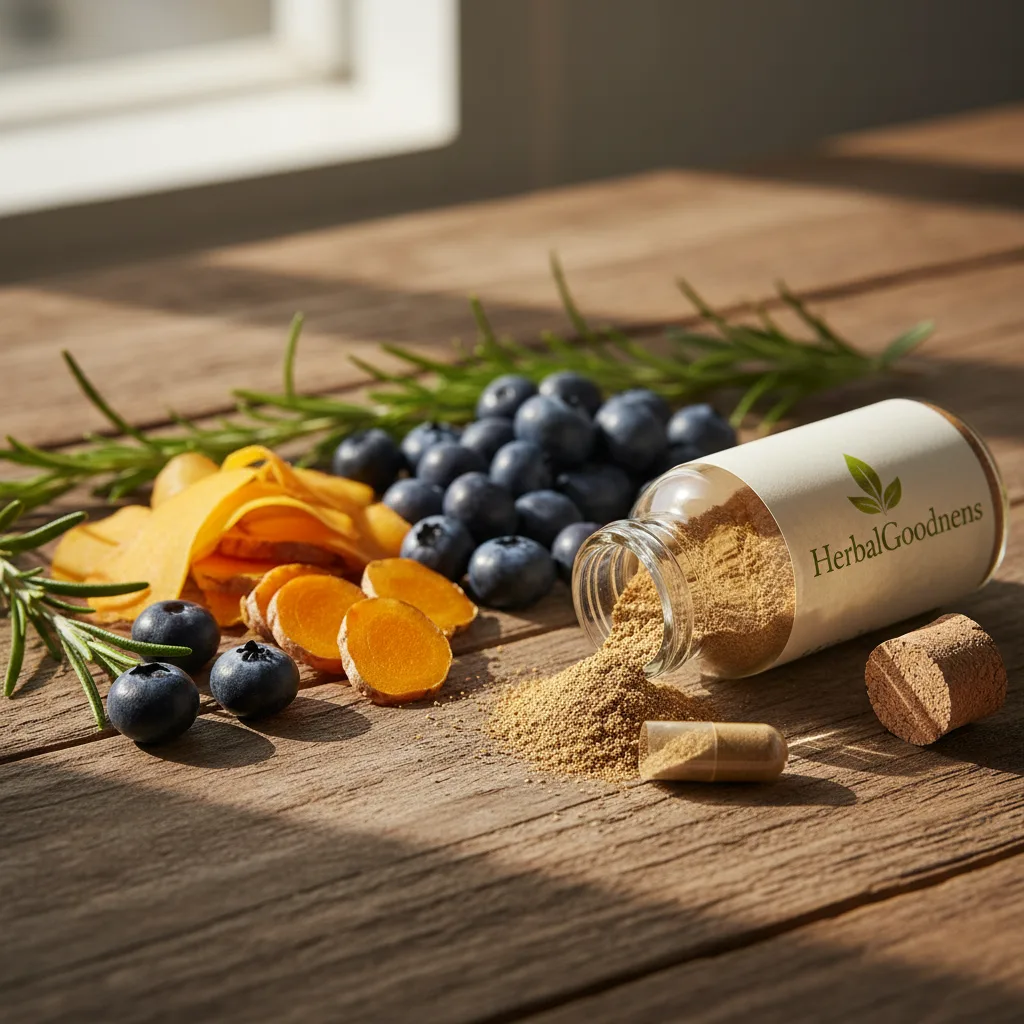
Botanical beauty supplements are powered by a variety of plant-derived compounds appreciated for their roles in hair, skin, and nail support. Rather than focusing on miracle results, it’s helpful to understand these compounds’ traditional uses, flavors, extraction methods, and the science behind them.
Antioxidants: Nature’s Protective Molecules
Antioxidants are naturally occurring plant chemicals, long valued for their ability to support the body’s natural defense systems by helping to counteract oxidative stress from environmental factors such as pollution and sunlight. Some commonly used antioxidants in beauty supplements include:
- Vitamin E: Sourced from seeds and leafy greens, often appreciated in formulas for skin and hair.
- Vitamin C: Traditionally used for its refreshing tang, found naturally in citrus fruits and some green vegetables.
- Polyphenols: Found in green tea, berries, and red grapes, these are a focus point in many plant-based beauty blends.
The natural flavor profiles of these compounds often reflect their plant origins—subtle bitterness or tartness, for instance, in green tea-based supplements. Those interested in incorporating antioxidants for beauty often explore blends like the Radiance Boost - 15X Liquid Extract - Beauty From Within, designed for internal support and natural radiance.
Polyphenols: Plant Compounds With a Colorful Past
Polyphenols are a broad group of phytochemicals—think of them as vibrant plant pigments—commonly appreciated for their role in supporting cell health. Found abundantly in teas, berries, pomegranate, and grapes, polyphenols bring both beautiful hues and subtle flavors to supplements.
Some commonly discussed polyphenol sources include:
- Green Tea (Camellia sinensis): Traditionally used in Asian cultures for its fresh, slightly grassy taste and pale green color.
- Cocoa: While best known for chocolate, cocoa polyphenols bring a unique richness to specialty beauty supplements.
- Resveratrol: Most associated with grape skins and red wine traditions.
Choosing teas rich in polyphenols, like Bamboo Leaf Tea – 24/1.5g Tea Bags - Nature's Collagen & Biotin, may provide an enjoyable way to connect both with tradition and wellness focus.
Carotenoids: Nature’s Colorful Protectors
Carotenoids are the pigments responsible for the vivid orange, yellow, and red shades in many fruits and vegetables. They are well known in plant-based beauty for their traditional use in supporting skin’s natural glow and resilience. Popular carotenoids include:
- Beta-carotene: Sourced from carrots and sweet potatoes.
- Lutein and Zeaxanthin: Often found in marigold petals and leafy greens, these are considered for their traditional role in supporting skin texture.
- Astaxanthin: A deep red pigment derived from microalgae, appreciated especially in Asian beauty traditions.
When seeking plant pigments for beauty, products like the Beauty Builder - 1oz 15X Liquid Extract - Anti-Aging & Skin Elasticity are often formulated with carotenoid-rich botanicals to nourish skin from within.
Other Common Botanicals in Beauty Supplements
Apart from antioxidants and carotenoids, many plant-based beauty supplements feature herbs, spices, and fruit-derived compounds that have stood the test of time. Examples include:
- Amla (Indian Gooseberry): Traditionally used in hair and skin rituals in South Asia.
- Rosehips: Enjoyed for their tart flavor and vitamin C content.
- Bamboo Silica: Known in traditional cultures for its rich mineral content that supports nail and hair appearance.
Enjoying options like a fragrant Bamboo Leaf - Organic 1oz 15X Liquid Extract - Nature's Collagen & Biotin is one way to explore the beauty potential of botanicals beyond more widely known vitamins and antioxidants.
How Are Plant-Based Beauty Compounds Processed and Delivered?
The journey from farm to supplement bottle involves more than just harvesting leaves or berries. The method used to transform plant compounds into consumable supplements can influence taste, absorption, and even personal preference.
Powdered Forms
Powdered botanicals are created by drying and finely grinding the plant material. These powders are often used in:
- Capsules: For convenient, taste-neutral servings.
- Drink powders: Often mixed into smoothies or water for those who enjoy plant-based flavors.
- Beauty blends: Incorporated into food or added to topical beauty products.
Powdered forms can retain much of the original color and flavor, making them popular for both culinary and supplement applications.
Liquid Extracts
Liquid extracts are made by soaking plant material in a solvent (typically alcohol, glycerin, or water) to draw out desired compounds. The resulting liquid can be:
- Dropped directly into water or under the tongue for rapid absorption.
- Used as a component in complex beauty blends.
- Added to teas or juices for a botanical boost.
Flavor, color, and texture tend to be stronger in liquid extracts, and serving size is generally measured in drops or small milliliter portions. Botanical liquid blends, such as Radiantly Good Looking - 2fl.oz - Skin & Anti-Aging, highlight the versatility of these extracts for beauty.

Capsules and Softgels
Capsules enclose powdered plant material or liquid extracts within vegetarian or gelatin shells. Softgels, on the other hand, typically contain oil-based extracts or carotenoids.
Benefits of capsules and softgels:
- Portable and taste-free.
- Precise serving sizes, supporting consistent use.
- Longer shelf life compared to some powders or liquids.
Papaya Leaf Extract - Capsules 600mg - 10X Strength is a notable option for those wanting beauty and wellness support in capsule form.
Choosing a Form: Personal Preference and Lifestyle
Each delivery form offers unique advantages depending on your lifestyle—and sometimes, on the traditions and rituals you value. Some prefer powders for versatility, others capsules for convenience, and still others liquid extracts for their speedy absorption or stronger flavors. Experimenting with different forms lets you tailor your approach, especially with multi-benefit blends.

Scientific Research Behind Plant-Based Beauty Supplements
When exploring beauty supplements, curiosity often leads to questions about scientific backing. Understanding how studies are conducted and evaluated can provide helpful context, even for those new to science.
Types of Studies to Expect
Most plant-based beauty ingredients are examined in:
- Cell Culture Studies: Provide an early look at how compounds interact at the cellular level.
- Animal Studies: Often used to explore how botanicals are processed by the body as a next step.
- Human Studies: Involve participants using the supplements and reporting on changes in skin feel, hair texture, or overall satisfaction.
These studies vary in scale and duration; larger human studies using a placebo group are generally considered more informative, though even smaller pilot studies are common. Readers interested in blends with broad support may explore Look Your Best Foot Forward - 2fl.oz - Hair, Skin & Nails for hair, skin, and nail wellness.
Evaluating Methods and Traditions
Scientific evaluation of plant-based supplements often involves blending modern techniques such as high-performance liquid chromatography (HPLC) to measure compound content, with traditional perspectives—such as flavor, aroma, and generational use.
It’s helpful to view research as an evolving story, with traditions providing valuable context and science offering standardized testing and quantification. Some users may prefer formulas like the Radiantly Good Looking - 2fl.oz - Skin & Anti-Aging that combine researched ingredients and heritage botanicals.
No Single "Best" Compound or Product
While some ingredients have more research than others, real-world results are influenced by:
- Individual differences (body chemistry, lifestyle)
- Food and supplement combinations
- Habits such as sun exposure, sleep, and hydration
As researchers continue to explore these factors, traditional wisdom and modern science go hand in hand.
Safety Basics for Plant-Based Beauty Supplements
Safety is a top concern for anyone considering botanical supplements. While most plant-based beauty ingredients have a history of traditional use, a few best practices help support a safe and enjoyable experience:
- Start with Low Servings: Begin with a smaller amount and observe how you feel.
- Read Product Labels Carefully: Look for clear ingredient lists, source information, serving sizes, and any special storage instructions.
- Consider Allergies and Sensitivities: Even herbal ingredients can cause sensitivities for some; always check for potential allergens.
- Consult Trusted Professionals: Sharing your supplement plans with a healthcare provider can offer additional peace of mind, especially if you have unique dietary considerations or take other supplements.
- Research Brand Practices: Companies like Herbal Goodness, known for organic practices, can offer extra transparency if quality sourcing is a priority for you.
Selecting transparent products, such as the Bamboo Leaf Tea – 24/1.5g Tea Bags - Nature's Collagen & Biotin, gives the consumer an added sense of quality and ingredient traceability.
Exploring Tradition, Flavor, and Personal Rituals
Botanical beauty supplements connect ancient traditions with modern wellness habits. Many cultures incorporate herbs, fruits, and teas as daily beauty rituals—sometimes as brewed teas, sometimes as topical preparations, and sometimes as part of ceremonial foods.
Modern supplements provide a bridge, delivering these traditional compounds as simple, convenient daily servings—while preserving the aroma, color, or flavor that ties them to their roots. For some, experimenting with different forms or flavors becomes part of a personal wellness ritual, adding enjoyment and connection each day. Integrating a Radiance Boost - 15X Liquid Extract - Beauty From Within or a cup of bamboo tea may foster new daily traditions rooted in beauty and wellbeing.
Making Informed Choices as the Beauty Supplement Market Grows
With hundreds of plant-based beauty supplements now available, navigating shelves (digital or physical) can feel overwhelming. Here are some gentle guidelines:
- Stay Curious: Approach new ingredients with curiosity rather than expectation.
- Prioritize Quality: Seek brands that provide transparency in sourcing, ingredient identity, and processing.
- Explore Flavor and Form: Find what suits your tastes and routine, whether that’s a fruity powder in a smoothie or a daily capsule.
- Check for Tradition: Learn about the traditional use of botanical ingredients for extra context and inspiration.
The goal is to create a beauty routine that feels authentic, informed, and enjoyable.
FAQs:
- What are common botanical compounds in plant-based beauty supplements?
Plant-based beauty supplements often feature antioxidants (like vitamins C and E), polyphenols (such as those from green tea or berries), carotenoids (including beta-carotene and lutein), and botanicals like amla or bamboo silica. These compounds are traditionally valued in many cultures for their roles in supporting the appearance of hair, skin, and nails.
- How are plant-based beauty supplements made?
Beauty supplements are crafted by extracting and processing plant materials into powders, liquid extracts, or capsule forms. Each method aims to preserve key botanical compounds, with powdered forms prized for versatility, liquids for quicker absorption, and capsules for convenience and consistent servings.
- Are plant-based beauty supplements safe?
Most plant-based beauty ingredients have a long history of traditional use. Best practices include starting with low servings, reading labels for allergens or additives, and consulting trusted health professionals if you have dietary needs or sensitivities.
- How do scientists evaluate beauty supplements?
Scientists use cell culture, animal, and human studies to explore how botanical compounds work. They often apply laboratory methods to measure active compounds and consider traditional usage and real-world habits in their analysis.
- What supplement form is best: powder, capsule, or liquid?
Each form offers unique benefits. Powders are versatile and can be mixed with food or drinks; liquids are rapidly absorbed and provide strong flavors; capsules and softgels offer taste-free, precise servings. Your preferences and lifestyle will influence your choice.
- How do I choose a quality plant-based beauty supplement?
Look for supplements from transparent brands that provide clear ingredient and sourcing information. Explore traditional uses for inspiration and favor products that fit your lifestyle and flavor preferences.
- Do plant-based beauty supplements work for everyone?
Individual responses to supplements can vary based on body chemistry, habits, and existing routines. Exploring with curiosity and a focus on traditional wisdom can help you find what works for you.
Author Name:
Herbal Goodness Editorial Team
Author Bio:
The Herbal Goodness Editorial Team specializes in holistic health and superfoods, blending science and nature to educate and empower our community.
References:
Introducing Graviola to Young Taste Buds: Fun, Family-Friendly Flavor Exploration
Graviola in the Classroom and at Home: Creative Activities to Teach Kids About Tropical Plants
Why Social Impact Matters in Plant-Based Wellness
Share this
Popular posts


FAQs
1. What are the main benefits of drinking bamboo leaf tea?
Drinking bamboo leaf tea supports hydration, relaxation, skin wellness, and antioxidant balance.
2. What is bamboo leaf extract used for?
It’s used for general body wellness, skin elasticity, hair and nail support, and overall vitality.
3. Can bamboo leaf help with skin care and body wellness?
Yes, bamboo leaf is rich in silica and antioxidants, which promote healthy skin, strong nails, and a youthful glow.
4. What forms of bamboo leaf are available?
You can find dried bamboo leaf, powder, extract, drops, oil, and bamboo leaf green tea.
5. Are there any side effects of bamboo leaf?
Bamboo leaf is generally safe when consumed in moderation. Always consult your healthcare provider before starting any new herbal supplement.