





Oregano Oil Chemotypes Explained: Carvacrol, Thymol, and Linalool Guide

Introduction: Understanding Oregano Oil Chemotypes
If you’ve explored essential oils or natural culinary enhancers, you’ve likely encountered oregano oil. Yet, a closer look at oregano oil labels might reveal words like “carvacrol-rich,” “high-thymol,” or mention of “linalool.” What do these terms mean, and why should they matter to everyday shoppers, home cooks, or wellness enthusiasts? This article demystifies oregano oil chemotypes, explaining why oregano species, harvest origins, and extraction methods lead to different chemical profiles, how these differences influence aroma and culinary or household use, and simple ways to decode product labels.
What Is a Chemotype? The Basics in Plain English
At its core, a chemotype (short for chemical type) describes the dominant chemical compound found in a plant’s essential oil. Plants of the same species can produce oils with different leading compounds, especially if they’re grown in distinct climates or regions, or harvested at varying stages. For example, an oregano plant from the dry slopes of Greece might naturally make more carvacrol, while another, growing in cooler Mediterranean climates, may have more thymol or linalool.
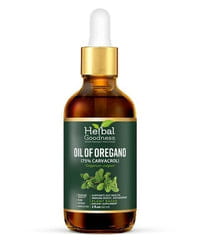
Chemotypes help shoppers and producers identify oils by their primary component, often dictating aroma, flavor, and practical applications, from the kitchen to household cleaning. If you’re curious about strong, recognizable Mediterranean flavors or are seeking a natural cleaning ingredient, Oil of Oregano (75% Carvacrol) - 2oz Liquid - Immunity is a pure example of carvacrol-dominant oil beneficial for both uses.
The Chemistry of Oregano Oil: Key Compounds
Oregano oil is derived from the leaves of the Origanum species. Three chemotypes dominate the conversation:
- Carvacrol: Typically present in the highest quantities in most oregano oils
- Thymol: Another major component, closely related to carvacrol
- Linalool: Less common, but notable for its distinct aromatic profile
Carvacrol: Peppery Punch and Bold Aroma
Carvacrol, a phenolic compound, is chiefly responsible for the signature sharp, herbaceous fragrance in oregano oil. Oils labeled “high-carvacrol” often come from Origanum vulgare or Origanum heracleoticum grown in hot, arid conditions. Carvacrol presence can reach 60–80% of the oil’s content, giving it a robust, spicy character. This is commonly appreciated in savory Mediterranean and Latin American dishes as well as in cleaning blends for its refreshing scent. When selecting an oil for culinary or strong aromatic needs, look for oregano oils with a clear breakdown of carvacrol content, such as Oil of Oregano (75% Carvacrol) - 2oz Liquid - Immunity.
Thymol: Subtle, Herbal Complexity
Thymol is closely related to carvacrol but tends to have a milder, more nuanced scent—herbaceous with a gentle warmth. Oregano oils high in thymol sometimes derive from certain Origanum and Thymus species, particularly those grown in cooler, more humid environments. This softer compound is favorable for blends that need mild flavor and aroma, making it a choice for anyone seeking gentler herbal notes in natural remedies or lighter cuisine.
Linalool: Floral, Uplifting Notes
Linalool, a terpene alcohol, introduces a subtle, sweet floral aroma—bringing a lighter, almost citrusy aspect to oregano oil. Linalool-rich oregano oils are relatively rare and tend to be encountered in artisan products or special regional varieties. If you’re after relaxing, uplifting aromatic experiences, you may also appreciate gentle botanical formulas such as Beauty Sleep - 1oz 15X Liquid Extract - Sleep & Relaxation, which showcase the soft nature of linalool and related terpenes in blends.
How Chemotypes Change the Aroma and Uses of Oregano Oil
Aroma Distinctions
- High-Carvacrol Oils: Noticeably pungent and peppery; often associated with classic Mediterranean oregano fragrance.
- High-Thymol Oils: Smoother, softer, and slightly sweeter—sometimes blending with thyme or savory herbal notes.
- High-Linalool Oils: Delicate, gently floral, sometimes suggesting lavender or citrus.
For those interested in a distinctive bold scent suitable for cleaning and disinfecting routines, the strong aroma of carvacrol-dominant oregano oil, such as found in Oil of Oregano (75% Carvacrol) - 2oz Liquid - Immunity, can be highly desirable.

Culinary Considerations
Cooks might choose a chemotype of oregano oil based on desired flavor complexity. High-carvacrol oils deliver bold, unmistakable oregano flavor—ideal for grilled meats, pasta sauces, and robust marinades. Thymol-rich or linalool-rich oils provide a subtler touch for salads, lighter dressings, or incorporating a hint of herbal sweetness. When experimenting with Mediterranean-inspired or robust savory dishes, an oil with a clear carvacrol content elevates the authentic flavor profile.
Household and General Use
Oregano oil is often valued for its fragrance in natural cleaning sprays or diffusers. A high-carvacrol blend may be chosen for a strong, clean scent. Oils rich in linalool or thymol—being milder—lend themselves to air fresheners or gentle household blends where subtler herbal notes are welcomed. To balance your home wellness cabinet, you can complement oregano oil’s aromatic power with soothing solutions such as Beauty Sleep - 1oz 15X Liquid Extract - Sleep & Relaxation, which uses calming botanicals for relaxation.
Chemotypes, Species, and Regions: Why Origin Matters
Oregano Species and Their Typical Profiles
- Origanum vulgare (Common Oregano): Frequently carvacrol-dominant when grown in sunny, dry climates; may have increased thymol in cooler regions.
- Origanum majorana (Sweet Marjoram): Linalool and thymol may be present in higher levels, offering a softer scent profile.
- Origanum compactum (Moroccan Oregano): Known for robust carvacrol expression, especially when cultivated in Morocco’s climate.
Curious to explore the broader spectrum of powerful botanicals? You might like the unique benefits offered by Black Seed Oil 8oz - Cold-Pressed Liquid - Immunity & Wellness, another acclaimed oil for home wellness seekers.
Regional Growing Conditions Impacting Chemotypes
Climate, soil, and altitude all play a role in determining the chemotype. For instance, the same species grown in Greece’s dry highlands versus a moist valley will often show marked differences in carvacrol and thymol concentration. Altitude and sunlight intensity can tip the balance toward one dominant compound. This phenomenon is not unique to oregano—regional growth influences the essential oil content of other herbs like black seed oil and even soursop leaf extracts.
Harvest Time and Extraction Method
Essential oil profiles are also shaped by when the oregano is harvested and how the oil is extracted. Early- or late-season harvests yield varying compound concentrations. Steam distillation, the primary extraction method for oregano oil, can be tweaked to preserve specific compounds or maximize the yield of one chemotype over another. For shoppers seeking transparency and purity, Oil of Oregano (75% Carvacrol) - 2oz Liquid - Immunity clearly lists main constituents and is sourced with these factors in mind.

Decoding Oregano Oil Labels: What Shoppers Should Look For
Oregano oil bottles may feature “chemotype” or abbreviate it as “ct.” on their labels, followed by a compound name. For example:
- Oregano Oil ct. carvacrol
- Oregano Oil ct. thymol
- Oregano Oil ct. linalool
In other instances, the label may highlight a numeric value:
- Carvacrol content: 70%
- Thymol content: 30%
Some products, especially culinary-grade or therapeutic-grade, will include a GC/MS analysis (gas chromatography/mass spectrometry) summary—an advanced snapshot of all major constituents. This kind of transparency can be found in the most reputable Oil of Oregano (75% Carvacrol) - 2oz Liquid - Immunity products.
Why It Matters for Everyday Use
For shoppers aiming to match an oregano oil’s flavor, aroma, or household role, understanding the chemotype is invaluable. While all oregano oils share an herbaceous quality, the presence—and ratio—of carvacrol, thymol, and linalool shapes the sensory experience and potential uses. You might also explore natural relaxation aids, such as Beauty Sleep - 1oz 15X Liquid Extract - Sleep & Relaxation, to create a well-rounded wellness collection.
Matching Oregano Oil Chemotype to Everyday Needs
Curious shoppers and home cooks may want to consider these practical takeaways as they browse bottles:
- For bold Mediterranean cooking: Seek out oregano oil labeled high in carvacrol.
- For gentle herbal blends or airs fresheners: Try oils with higher thymol or linalool.
- For cleaning and strong aroma diffusion: A carvacrol-dominant oil tends to impart the most robust scent.
- For a well-rounded kitchen staple: Look for mixed–chemotype oils listing key constituents, or combine oils for desired effect.
If you’re considering other versatile plant oils that support resilience and wellness, Black Seed Oil 8oz - Cold-Pressed Liquid - Immunity & Wellness is a valuable addition to your pantry.
Label Clues and Responsible Shopping
- Check for chemotype information: A reputable oregano oil should disclose its primary compound, ideally as a percentage or with "ct." labeling.
- Look for origin and species: Details about the species (e.g., Origanum vulgare, Origanum compactum) and origin (country, region) often hint at likely chemotype profiles.
- Consider extraction method and harvest season: Brands with transparent sourcing may share this detail, which can influence aroma and application.
Proper label reading is not only helpful for oregano but also for other botanicals, such as the detailed transparency found in Black Seed Oil 8oz - Cold-Pressed Liquid - Immunity & Wellness.
Conclusion: Navigating Oregano Oil Choices with Confidence
Understanding oregano oil chemotypes takes the guesswork out of choosing a product for your kitchen, home, or aromatherapy collection. Reading labels for carvacrol, thymol, and linalool content allows you to tailor your experience to aroma, flavor, and personal preference. As you explore the world of oregano oils, keep these straightforward label tips in mind—and embrace the rich diversity that nature offers.
Curious about oregano oil’s varietals and chemotypes? Start by checking labels and asking questions. With just a little knowledge, you can confidently select an oregano oil that’s right for your culinary, aromatic, and household needs.
FAQs:
- What does 'carvacrol content' mean on an oregano oil label?
Carvacrol content indicates the percentage of carvacrol, a primary compound found in oregano oil. High concentrations often correspond with a strong, bold aroma and pronounced herbaceous character.
- How does thymol in oregano oil differ from carvacrol?
Thymol is structurally similar to carvacrol but tends to provide a milder, more nuanced herbal fragrance. Oils high in thymol may have a softer aroma and flavor, often described as gently warm or subtly sweet.
- Why do oregano oils from different regions smell and taste different?
Growing conditions, such as soil, climate, and altitude, affect which compounds dominate in oregano plants. These environmental differences result in varying chemotypes, which shape the oil’s unique scent and flavor.
- Are there culinary advantages to choosing specific oregano oil chemotypes?
Yes. Bold dishes may benefit from high-carvacrol oils for robust flavor, while salads and lighter recipes may pair well with thymol- or linalool-rich oils for a subtler, more complex profile.
- What does 'ct.' mean on an oregano oil label?
'Ct.' stands for 'chemotype,' signaling which compound predominates in that particular oil. For example, 'ct. carvacrol' identifies carvacrol as the chief component.
- Do extraction methods influence oregano oil chemotypes?
Yes. Methods like steam distillation can be adjusted to maximize or retain specific compounds, affecting the oil’s chemotype and finished profile.
Author Name:
Herbal Goodness Editorial Team
Author Bio:
The Herbal Goodness Editorial Team specializes in holistic health and superfoods, blending science and nature to educate and empower our community.
References:
Introducing Graviola to Young Taste Buds: Fun, Family-Friendly Flavor Exploration
Share this

Popular posts


FAQs
1. What are the main benefits of drinking bamboo leaf tea?
Drinking bamboo leaf tea supports hydration, relaxation, skin wellness, and antioxidant balance.
2. What is bamboo leaf extract used for?
It’s used for general body wellness, skin elasticity, hair and nail support, and overall vitality.
3. Can bamboo leaf help with skin care and body wellness?
Yes, bamboo leaf is rich in silica and antioxidants, which promote healthy skin, strong nails, and a youthful glow.
4. What forms of bamboo leaf are available?
You can find dried bamboo leaf, powder, extract, drops, oil, and bamboo leaf green tea.
5. Are there any side effects of bamboo leaf?
Bamboo leaf is generally safe when consumed in moderation. Always consult your healthcare provider before starting any new herbal supplement.