





How to Find Local Herbal Workshops and Community Events

How to Find Local Herbal Workshops and Community Events
Finding meaningful ways to connect with herbal traditions doesn’t always happen in a classroom or a laboratory—often, right in your own neighborhood, small natural remedy shops become vibrant learning centers. These spaces invite people to discover herbal knowledge, offering workshops, plant identification nights, ingredient label tutorials, informal lectures, and community consultations. Whether you’re just beginning your herbal journey or looking to deepen your connection to plant-based wellness, seeking out local events can spark both learning and community.
Neighborhood Natural Remedy Stores as Herbal Learning Hubs
Natural remedy and herbal wellness shops often serve as more than just retail locations. Many see their mission as community-building, fostering curiosity about plants and empowering people with information and resources. Here’s how these shops help nurture herbal learning:
In-Store Classes and Workshops
Many shops host hands-on workshops—ranging from making herbal teas and tinctures, to guided plant identification walks and ingredient label breakdowns. These sessions create space to ask direct questions and engage with herbalists in real time. If you're interested in learning practical preparation methods, using products like Soursop Leaf Graviola Extract - - Organic 15X Liquid Extract - Cell Renew & Immunity during tincture or tea-making classes is a great way to experience key ingredients first-hand.
Community Gathering Events
Monthly plant meetups, herbal swap nights, and open house events encourage newcomers and seasoned herbal enthusiasts alike to interact. Events may include seasonal foraging tips, home apothecary tutorials, or short talks on how herbs are traditionally used. Tea events are especially appealing—consider enjoying a blend such as Soursop Leaf Tea Graviola Leaves - Organic 24/2g Tea Bags - Immunity & Cell Renew while connecting with others who share your passion for herbal health.
Informal Consultations and Ingredient Tutorials
Most store staff are knowledgeable about their products, and some may offer informal consultations or quick ingredient-label tutorials during quieter hours, helping guests learn to navigate herbal products confidently. Sometimes, you may even have the opportunity to try various liquid extracts such as Papaya Leaf Extract - - Organic 16oz 15X Liquid Extract for practical demonstrations on herbal ingredient use.
Practical Ways to Find Local Herbal Workshops and Events
Want to get started? Here are several effective strategies for discovering what your neighborhood herbal community has to offer.
1. Visit Local Natural Remedy Stores in Person
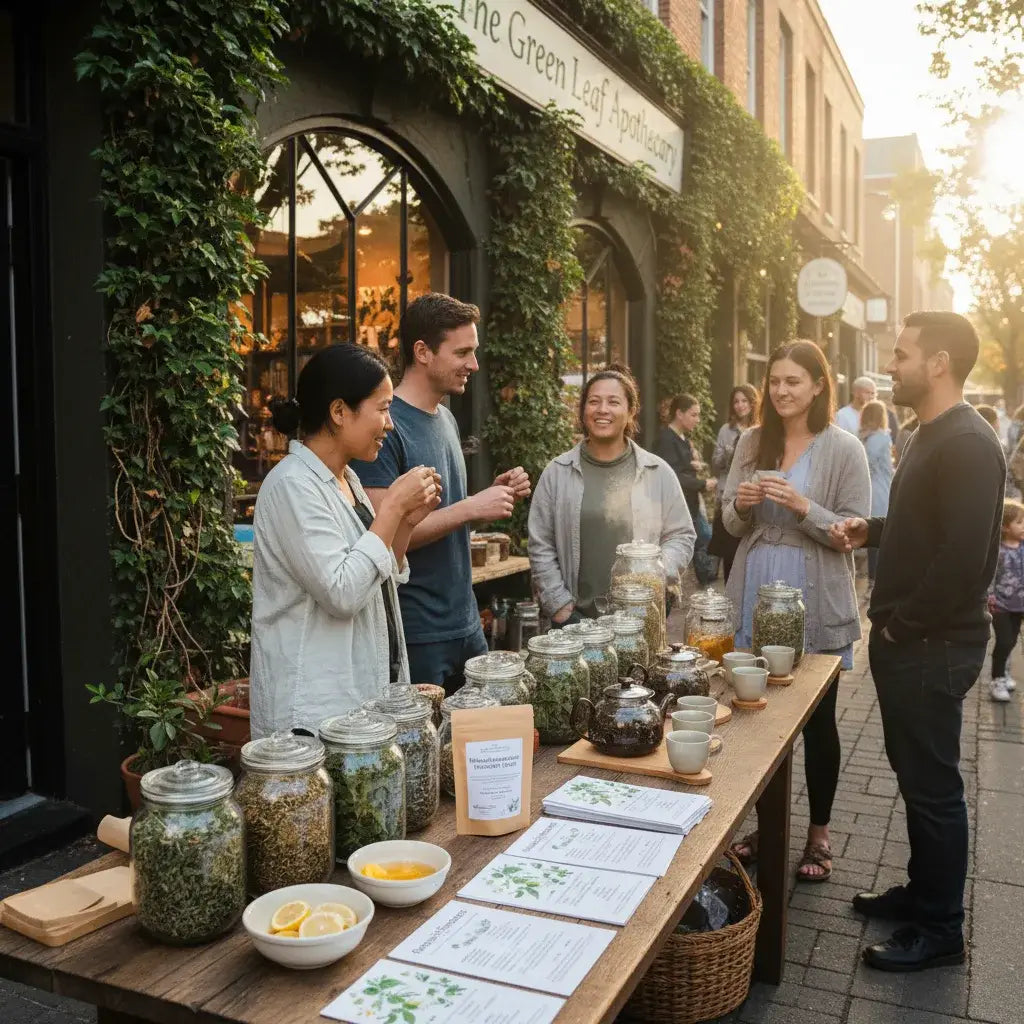
Physically stopping by local herbal shops is often the most direct method. Check store windows and bulletin boards—many locations post flyers or event calendars near the entrance. Ask staff about upcoming classes, recurring workshops, or newsletters for new events. It's a valuable way to discover hidden gems from people involved in herbal wellness every day, and you might come across herbal infusions using bulk ingredients linked to products like Bulk Herbs & Roots - Organic 4oz Bags - Herbal Tea.
2. Check Community Boards and Co-Ops
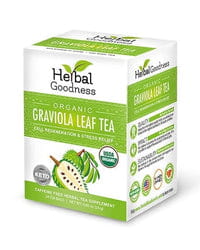
Don’t overlook community centers, health food stores, and food co-ops. These often serve as information hubs where herbal workshops are advertised, especially if they don’t have a strong online presence. You might encounter invitations for plant ID walks, ingredient tutorials, or have a chance to sample and learn about functional teas, as found in Soursop Leaf Tea Graviola Leaves - Organic 24/2g Tea Bags - Immunity & Cell Renew.
3. Follow Social Media Accounts and Newsletters
Most herbal shops and practitioners maintain active social media profiles (Instagram, Facebook, or Twitter). Following these accounts keeps you informed about pop-up classes, online sign-ups, or schedule changes.
Many places also offer email newsletters with monthly calendars, details about guest speakers, and early registration for workshops. By subscribing, you’ll hear about special classes, such as ingredient label breakdowns featuring Papaya Leaf Extract - - Organic 16oz 15X Liquid Extract, allowing you to get the most up-to-date insight into herbal preparations.
4. Search Online Event Platforms
Event platforms such as Meetup, Eventbrite, and local Facebook Events sections regularly list herbal-related workshops and walks. Use keywords like “herbal workshop,” “plant identification,” or “natural remedies event” plus your city or neighborhood. Be sure to note whether the events are in-person, virtual, or hybrid. If you prefer preparing products at home, keep an eye out for classes that supply attendees with take-home kits containing items such as Bulk Herbs & Roots - Organic 4oz Bags - Herbal Tea.
5. Ask Herbal Practitioners and Store Staff for Recommendations
When you visit a shop, don’t hesitate to ask about regular events or if they partner with other herbalists or community education initiatives. Staff often know of pop-up events or can point you toward local practitioners who host private or small-group sessions.
6. Explore Local Libraries and Parks
Many public libraries and botanical gardens collaborate with herbalists for seasonal workshops, book discussions, or guided garden walks. Park departments sometimes host nature-focused educational sessions that include herbal plant identification and traditional uses. These experiences are excellent for hands-on learning and might inspire you to try functional infusions back at home, for example with Soursop Leaf Graviola Extract - - Organic 15X Liquid Extract - Cell Renew & Immunity.
7. Connect With Herbal Study Groups
Some regions have established herbal study circles or informal interest groups. Connecting with these can open doors to workshops, plant walks, and private hosted classes. Look for such groups online or via local event boards. Connections formed at these gatherings often result in practical knowledge exchange—such as the benefits of using Papaya Leaf Extract - - Organic 16oz 15X Liquid Extract in daily routines.
What to Expect at Herbal Workshops and Community Events
Knowing what’s ahead can help you feel comfortable and prepared. Every event is a bit different, but most share some common features:
Learning Environment
Most herbal events cultivate a welcoming and inclusive environment. Participants are encouraged to ask questions, share experiences, and learn collaboratively, sometimes even over shared tastings of Soursop Leaf Tea Graviola Leaves - Organic 24/2g Tea Bags - Immunity & Cell Renew.
Hands-On Practice
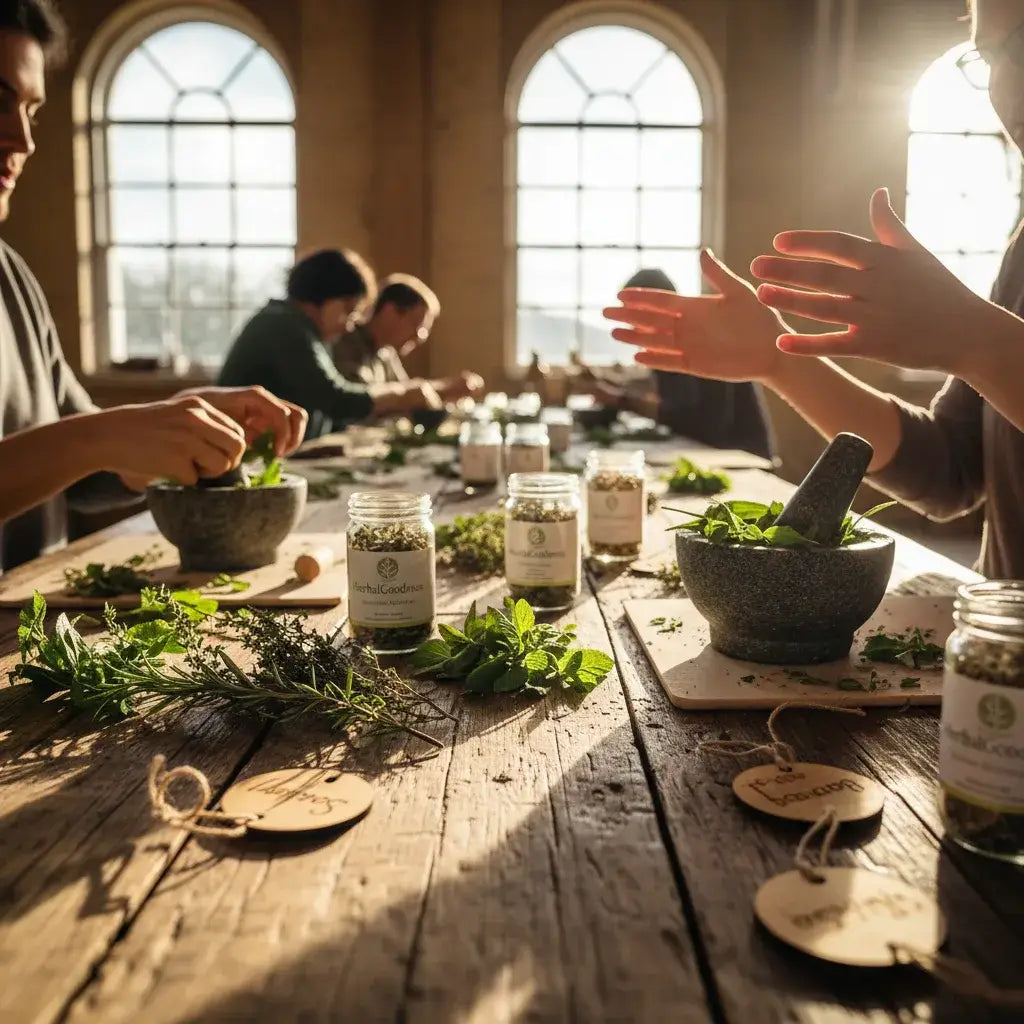
Practical demonstrations—like making an herbal salve, identifying native edible plants, or reading ingredient labels—let you try skills firsthand. Supplies are often provided, but verify event details for requirements on bringing your own materials. Some workshops give samples of favorite ingredient extracts including Soursop Leaf Graviola Extract - - Organic 15X Liquid Extract - Cell Renew & Immunity.
Knowledge Sharing and Community Building
In addition to formal instruction, workshops frequently share time for open discussion, encouraging the exchange of stories and resources—building relationships that often extend beyond class. Newcomers often learn practical uses of items like Bulk Herbs & Roots - Organic 4oz Bags - Herbal Tea through community dialog.
Range of Topics
Typical event themes include:
- Traditional uses of local herbs
- Basic preparation techniques (teas, extracts, topical blends)
- Label deciphering
- Garden walks and wild plant ID
- Safe and respectful herbal practices
Evaluating the Quality of Herbal Instruction
Learning in the herbal world is as much about the knowledge as it is about who shares it. Here are a few points to guide your evaluation of event credibility and teacher expertise:
Instructor Background
Look for workshops led by practitioners with transparent backgrounds—experience in herbalism, wellness, or botany is common. Some may share their learning lineage or formal education in herbal studies.
Teaching Approach
High-quality instructors foster interactive, respectful discussions and are open about the traditions, context, and limitations of their knowledge.
Transparency and Safety
Reliable leaders discuss plant identification with safety as a priority and avoid giving medical advice. Look for events that emphasize respectful learning and curiosity over “miracle” claims.
Engaging Respectfully With Local Herbal Communities
As you step into community events and workshops, mindful engagement ensures a positive experience for all.
Be Open and Curious
No matter your experience level, bringing a spirit of curiosity and willingness to learn creates an inviting atmosphere for others as well.
Honor Community Wisdom
Many herbal traditions are rooted in diverse cultural knowledge. Give credit to teachers, communities, and lineages, and listen to the perspectives offered.
Support Local Businesses and Practitioners
If you find value in a particular event or shop, consider supporting their work through purchases or donations (if available), which helps sustain local herbal education. Your support for items such as Papaya Leaf Extract - - Organic 16oz 15X Liquid Extract or Bulk Herbs & Roots - Organic 4oz Bags - Herbal Tea is a direct contribution to local sustainability.
Respect Event Guidelines and Group Norms
Each event may have its own structure—some may discourage recording, for instance, or limit the size of gatherings. Clarify expectations in advance and honor group agreements.
Share and Connect Responsibly
If you share knowledge learned in these spaces, attribute it to the source when possible, and avoid making claims outside your scope of experience.
The Lasting Value of Local Herbal Events
Participating in herbal workshops and events not only expands your understanding, but also builds connections with neighbors, local landscapes, and traditions. Every class, walk, or informal consultation contributes to a tapestry of shared knowledge—one that grows more vibrant with each new participant.
Whether you’re eager to master plant identification in your local park, dissect product labels alongside passionate staff, or simply share tea and stories with others, your neighborhood natural remedy store may be the perfect starting point. And in the process, you’ll become part of a living tradition that values curiosity, respect, and genuine connection.
FAQs:
- How do I find the best herbal workshops near me?
Start by visiting local natural remedy shops and checking their event boards. Also, search online event platforms such as Eventbrite and Meetup, and follow herbal shops on social media for up-to-date event announcements.
- What kind of topics are covered at herbal workshops?
Workshops often explore plant identification, traditional uses of herbs, ingredient label tutorials, hands-on making of tinctures or teas, and respectful herbal practices.
- Do I need prior knowledge to attend a workshop?
Not at all. Many events cater to beginners as well as more advanced learners, welcoming participants of all backgrounds and experience levels.
- How can I know if an instructor is reputable?
Look for instructors who share their education or experience in herbalism, openly discuss tradition and context, and focus on safe, respectful practices.
- Can I bring a friend or family member to a community herbal event?
In most cases, yes! It’s recommended to check event policies first, but many workshops encourage community participation and welcome guests.
- Are there virtual options for herbal events if I can’t attend in person?
Yes, some herbal shops and practitioners host online workshops and webinars. Check their websites or social media for upcoming virtual events.
- How can I become more involved in my local herbal community?
Consider joining recurring study groups, volunteering at events, or staying active with local shop newsletters and social channels for ongoing opportunities.
Author Name:
Herbal Goodness Editorial Team
Author Bio:
The Herbal Goodness Editorial Team specializes in holistic health and superfoods, blending science and nature to educate and empower our community.
References:
American Botanical Council: Community Herbal Education
United Plant Savers: Find Herbal Events Near You
Share this

Popular posts


FAQs
1. What are the main benefits of drinking bamboo leaf tea?
Drinking bamboo leaf tea supports hydration, relaxation, skin wellness, and antioxidant balance.
2. What is bamboo leaf extract used for?
It’s used for general body wellness, skin elasticity, hair and nail support, and overall vitality.
3. Can bamboo leaf help with skin care and body wellness?
Yes, bamboo leaf is rich in silica and antioxidants, which promote healthy skin, strong nails, and a youthful glow.
4. What forms of bamboo leaf are available?
You can find dried bamboo leaf, powder, extract, drops, oil, and bamboo leaf green tea.
5. Are there any side effects of bamboo leaf?
Bamboo leaf is generally safe when consumed in moderation. Always consult your healthcare provider before starting any new herbal supplement.