





How to Evaluate Mullein Leaf Extract Quality When Shopping Online

Shopping for mullein leaf extract online brings many choices, but it can feel overwhelming when evaluating product quality. With sellers offering different forms, batch notes, and test results, both new shoppers and small retailers wonder how to confidently make choices. Fortunately, crowdsourcing—where individuals and communities pool information—offers a practical path to evaluating seller claims and building trust in herbal wellness products. In this guide, you’ll learn the essentials of responsibly using community-shared knowledge to assess mullein leaf extract quality online, and how these shared efforts drive better transparency for everyone.
Why Quality Verification Matters for Mullein Leaf Extract
Purchasing herbal extracts such as mullein leaf online requires more than just comparing prices or packaging. Authentic quality verification protects you from misrepresented products, potential contaminants, or misleading marketing. Since not all brands adhere to the same sourcing or testing standards, understanding what a trustworthy mullein extract should look like—and where communities fit in—empowers every shopper and retailer.
Mullein leaf, long appreciated for its traditional value, is now offered in various formats such as liquid extracts, capsules, and teas. Because quality varies, communities serve as vital bridges, sharing their own verification checks and helping others steer clear of unreliable products. Those interested in herbal respiratory and lung support may also be drawn to options like Mullein Leaf Tea Organic 24 Bags | Respiratory & Lung Wellness Support, which offer a convenient way to enjoy potential mullein benefits.
How the Herbal Community Crowdsources Product Confidence
Herbal communities, forums, and review groups help consumers cut through the marketing by sharing and evaluating firsthand experiences and trusted resources. These collective efforts center on a few key practices:
- Requesting transparency from sellers (such as Certificates of Analysis, ingredient sourcing details, and batch information)
- Sharing and analyzing photos and descriptive notes taken by buyers or retailers
- Comparing independent reviews and community feedback
- Spotting and reporting common red flags or inconsistencies
Let’s break down these practices so anyone—whether you’re a curious shopper or a small shop owner—can join in with confidence. For those looking for targeted liquid extracts for respiratory health, Mullein Leaf Organic 15X Liquid Extract | Respiratory & Lung Wellness is one option well discussed in herbal communities for its focus on transparency and clean sourcing.
Requesting Transparency: What to Ask Sellers When Purchasing Mullein Leaf Extract
Before buying mullein leaf extract, transparency from the seller is a powerful tool. Experienced shoppers and retailers typically ask for:
- Certificate of Analysis (COA): A laboratory document confirming what’s in the extract, including purity and the absence of common contaminants.
- Ingredient Sourcing Details: Information on whether the mullein was grown organically, region of origin, and harvest practices.
- Batch or Lot Numbers: Letting you trace production dates and ensure products aren’t past peak freshness.
Communities can create shared templates of questions, making it easy for members to collectively request this information. Many sellers respond positively to knowledgeably phrased, respectful inquiries—if they’re transparent, they will often provide most or all of the above details. Gathering and comparing such details is routine online among those who buy Organic Papaya Leaf Extract 16oz | 15X Liquid – Best Value Size, demonstrating that the demand for proper documentation spans many herbal extracts.
Sharing COA Snippets, Photos, and Batch Notes Ethically
Once someone receives information such as COA excerpts, high-quality product photos, or batch notes, sharing this data is valuable—but must be handled ethically. Here’s how communities do it responsibly:
1. Respect Privacy and Proprietary Data
Share only the parts of a COA that are crucial for community review (like testing results for purity and heavy metals) while omitting any proprietary or personally identifiable info. Always check with the original supplier or the document holder before circulating sensitive data.
2. Use Clear, Unedited Photos
If sharing product packaging, liquid color, or capsule appearance, images should be well-lit and unaltered. Avoid editing that might misrepresent what another shopper will receive. This step is just as useful when purchasing herbal teas like Soursop Leaf Tea | Organic Graviola 24 Bags | Soursop Tea Benefits for Immunity & Wellness or capsules for wellness.
3. Add Descriptive Batch Notes
Members often include what batch or lot number their notes refer to, along with when and from whom the extract was purchased. This way, others can compare notes over time and spot inconsistencies.
4. Disclose the Source
Always explain where the information came from—whether it’s a direct reply from the seller, your own purchase, or a public company website. This builds trust across the network.
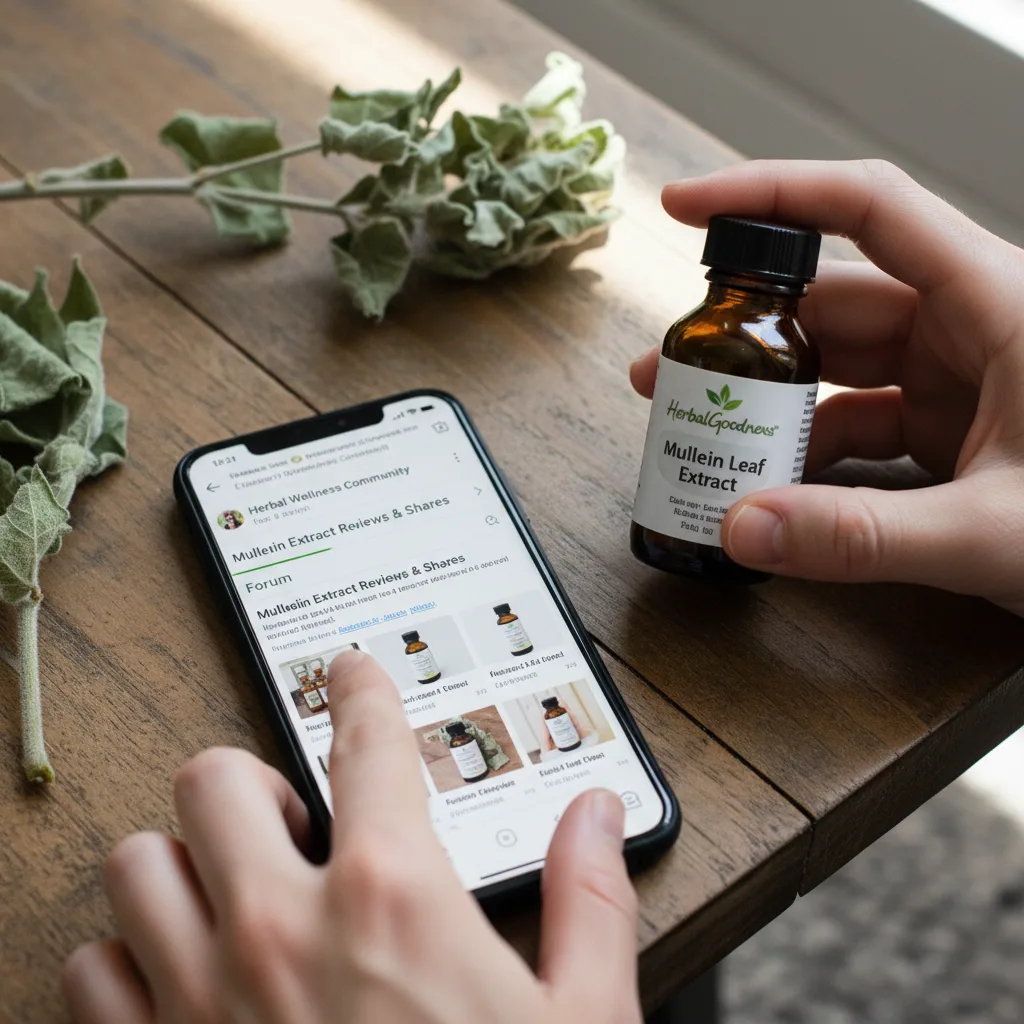
Reviewing and Evaluating Community-Shared Insights
Next, communities assess and discuss the collected data, providing more balanced insight than individual reviews alone. Common steps include:
- Comparing COA values between different batches and brands
- Evaluating the clarity of product photos against seller images
- Reading batch notes for trends (such as changes in taste, color, or packaging)
Shared forums enable participants to ask clarifying questions, probe for more detail, and help newcomers interpret what’s normal for mullein leaf extract. When comparing batches of Blood Platelet Support with Papaya Leaf | Organic 15X Liquid Extract, similar practices ensure that feedback is both current and relevant for consumers prioritizing immune and wellness support.
Recognizing Patterns and Raising Red Flags
Over time, collective vigilance makes it easier to recognize when a product listing may not match community standards. Examples include:
- COA Gaps or Unwillingness to Share: Sellers unwilling or unable to provide a COA or batch details, or providing incomplete documents, should be questioned.
- Inconsistent Photos and Descriptions: Appearance, color, or labeling that’s markedly different from the seller’s listings or previous buyer photos may deserve extra scrutiny.
- Negative Trends in Batch Notes: Repeated reports of off-odors, separation, or weak extract color may signal quality issues.
- Too-Good-to-Be-True Claims: Overly dramatic testimonials, suspiciously low prices, or broad assertions not backed by evidence raise caution.
Communities regularly update shared resources listing known anomalies, helping everyone avoid recurring pitfalls. Many who have purchased premium herbal formulas, such as Blood Platelet Plus Capsules 20X | 60ct – Advanced Platelet Formula, make it a habit to report their findings in order to protect others against similar red flags.

Ethical Practices for Sharing Product Quality Findings
Transparency thrives when everyone acts respectfully. Some key ethical practices:
- Don’t publicly shame individual sellers or reviewers—focus on facts, not personal attacks.
- Credit original sources and contributors when sharing someone else’s batch report or photo.
- Keep records of what batch or date your report applies to to avoid confusion for later readers.
- Encourage honest, balanced feedback (not just positive or negative extremes).
By upholding mutual respect, communities build reputations as positive, reliable resources—making crowdsourced product confidence work for all.
Practical Steps for Beginners: How to Join Crowdsourced Quality Checks
If you’re new to herbal products or want to participate in verifying mullein leaf extract quality, here’s a checklist to get started:
- Join an established herbal community—look for reputable forums, Facebook groups, or discussion threads focused on mullein or herbal extracts. Avoid closed or unmoderated groups.
- Familiarize yourself with what a COA looks like and how to interpret basic measures (for example, organic certification or common purity indicators).
- When purchasing, request a COA and batch details from the seller—note if responses are detailed, vague, or delayed.
- Take and share clear photos when you receive the product.
- Post descriptive notes on what you observe: batch number, arrival date, packaging, and any noticeable qualities (color, scent, etc.).
- Review and compare notes with others in the group. Ask questions and seek help interpreting differences.
- Share your findings using the group’s guidelines, keeping privacy and accuracy in mind.
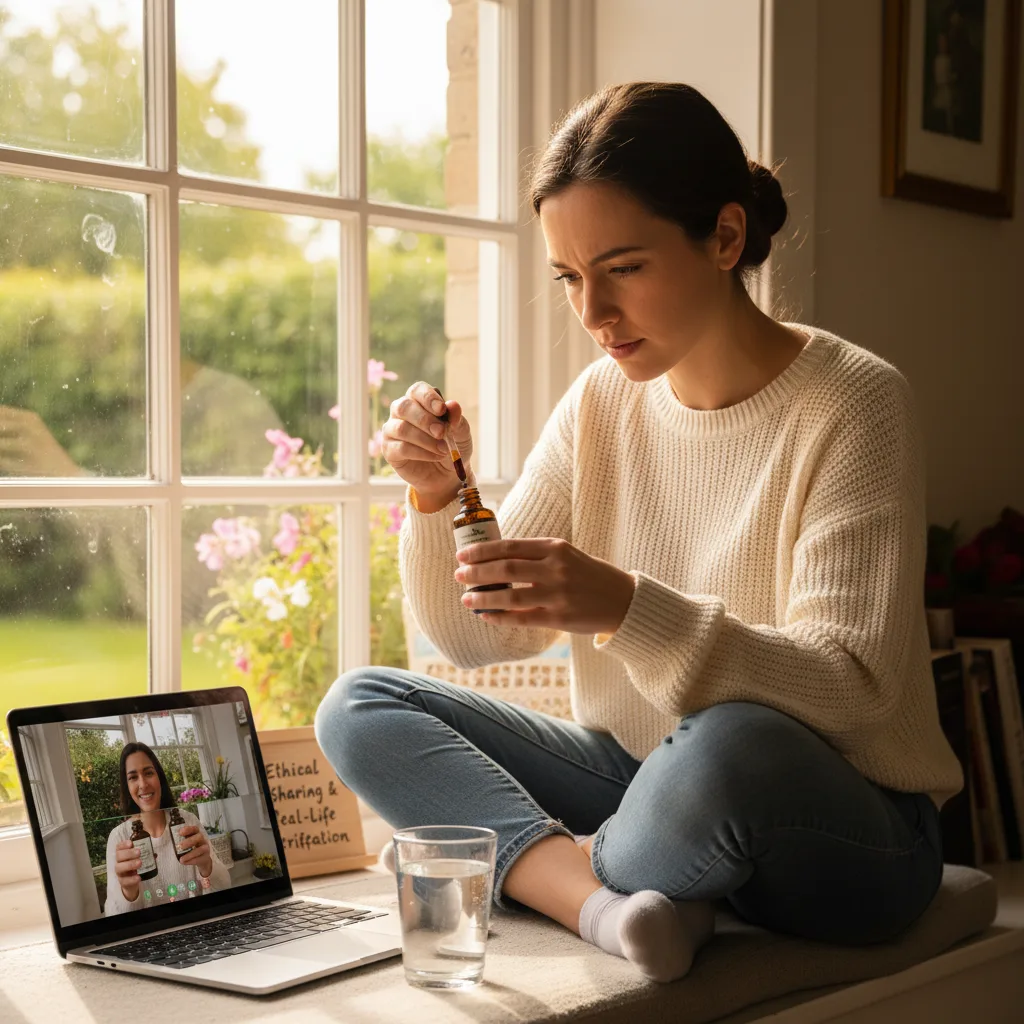
These steps foster a growing archive of trustworthy information, helping everyone make more informed decisions. If you focus on digestive or immune wellness, joining feedback circles around products such as Green Papaya Fruit Extract - 4X 60/600mg Capsule - Digestion Aid can also help expand your knowledge base and engage with a community active in documentation.
Mullein Leaf Extract Red Flags to Watch for Online
To further safeguard your sourcing process, here are community-identified red flags:
- Lack of COA or only vague test results provided
- Unclear or missing origin and sourcing details
- Photos that differ significantly from product descriptions
- Multiple reviews reporting inconsistency or poor quality
- No batch numbers, date of production, or expiration visible
If you spot any of these warning signs, don’t hesitate to flag them within your community and refrain from purchasing until more data is available. These checks are equally vital when considering other high-value herbal remedies, like Soursop Leaf Graviola Extract 15X Liquid | Organic Cell & Immunity, due to the popularity and potential for imitation in the online wellness market.
The Role of Small Retailers and Herbal Goodness in Promoting Transparency
Small retailers sit at a unique intersection—they can source from trusted suppliers and collaborate with both sellers and communities to uphold public confidence. Many reputable brands, like Herbal Goodness, maintain transparent sourcing, share COAs, and encourage feedback from retailers and buyers. By acting as information hubs—whether by hosting batch reports online or holding open question sessions—retailers fuel the collective movement toward accountability.
Building Lasting Confidence Through Crowdsourced Community Action
The growing movement to crowdsource herbal extract verification is reshaping online shopping for mullein leaf extracts. By requesting transparency from sellers, ethically sharing findings, and using group wisdom to spot quality, communities empower everyone—from new shoppers to seasoned retailers. With each shared review, batch note, or COA snippet, the broader herbal community moves closer to truly transparent, trustworthy sourcing.
Frequently Asked Questions
Question 1: How can I check if a mullein leaf extract is authentic before buying it online?
Answer: Request a Certificate of Analysis (COA), ingredient sourcing details, and batch or lot numbers. Review transparent sellers like those offering Mullein Leaf Organic 15X Liquid Extract | Respiratory & Lung Wellness for good documentation.
Question 2: What role do COA documents play in herbal extract quality?
Answer: COA documents confirm purity and absence of contaminants. Many premium extracts, including Organic Papaya Leaf Extract 16oz | 15X Liquid – Best Value Size, are valued for providing accessible COAs.
Question 3: Is crowdsourced info really reliable for product quality checks?
Answer: Yes. When shared ethically—such as with unedited product photos and batch notes—community-led reviews build trust. Communities highlight brands that provide data, similar to Soursop Leaf Graviola Extract 15X Liquid | Organic Cell & Immunity.
Question 4: What are common red flags when buying herbal extracts online?
Answer: Look for missing or incomplete COAs, inconsistent packaging photos, and vague origin details. Batch transparency is key, as practiced with Blood Platelet Support with Papaya Leaf | Organic 15X Liquid Extract.
Question 5: How do I ethically share product quality findings in herbal communities?
Answer: Disclose sources, omit sensitive data, credit contributors, and keep feedback factual. Relate your report to specific products or batches, as seen in feedback for Blood Platelet Plus Capsules 20X | 60ct – Advanced Platelet Formula.
Question 6: Can beginners join these community verification efforts?
Answer: Absolutely. Start by joining reputable forums and reviewing guides for transparency, batch notes, and COA interpretation. Engage and learn from crowdsourced reviews on products like Mullein Leaf Tea Organic 24 Bags | Respiratory & Lung Wellness Support.
Question 7: Why do small retailers matter in maintaining herbal product quality?
Answer: Small retailers connect trusted suppliers and communities, promoting batch transparency and sharing COAs as shown by Herbal Goodness. They help set high standards for everyone.
Ready to make your next mullein leaf extract purchase with added confidence? Join your favorite herbal community, share your experience, and help shape a transparent marketplace for everyone.
About the Author
Herbal Goodness Editorial Team
The Herbal Goodness Editorial Team specializes in holistic health and superfoods, blending science and nature to educate and empower our community.
References
Buy Bulk Organic Mullein Tea: Guide for Cafés & Retail Buyers
Buy Mullein Tea Near Me: Local Sourcing, Quality, and Ethical Foraging
Buy Organic Mullein Leaf Extract: Voice, Image & Filter Search Tips
Buying Hypoallergenic Organic Mullein Leaf Extract Online: Sensitive Shopper's Guide
Buying Mullein Extract Online: Plain-English Guide to Labels, Origin
Buying Organic Mullein Leaf Extract: How Growing Region Shapes Quality
Choosing Mullein Leaf Liquid Extract for Older Adults: Caregiver Guide
Choosing Mullein Tea: Flavor Pairings, Brew Ratios & Buying Tips
Share this
Popular posts


FAQs
1. What are the main benefits of drinking bamboo leaf tea?
Drinking bamboo leaf tea supports hydration, relaxation, skin wellness, and antioxidant balance.
2. What is bamboo leaf extract used for?
It’s used for general body wellness, skin elasticity, hair and nail support, and overall vitality.
3. Can bamboo leaf help with skin care and body wellness?
Yes, bamboo leaf is rich in silica and antioxidants, which promote healthy skin, strong nails, and a youthful glow.
4. What forms of bamboo leaf are available?
You can find dried bamboo leaf, powder, extract, drops, oil, and bamboo leaf green tea.
5. Are there any side effects of bamboo leaf?
Bamboo leaf is generally safe when consumed in moderation. Always consult your healthcare provider before starting any new herbal supplement.