





How to Brew Organic Gymnema Leaf Tea for Better Flavor Every Time

Curious about how to brew the perfect cup of organic gymnema leaf tea? You’re not alone. For tea lovers and wellness explorers alike, the journey from dry leaves to a comforting mug can be full of small discoveries that shape each sip. Whether you savor gymnema leaf tea for its traditional reputation for reducing sweet flavors or simply enjoy its earthy undertones, the way you brew profoundly shapes the flavor, mouthfeel, and overall experience. This guide is your hands-on introduction to experimenting with water sources, brewing temperatures, and steeping times—making it easy for anyone to use simple kitchen techniques to brew, taste, and refine gymnema tea at home. You’ll also find practical recipes, re-steep strategies, and straightforward storage advice to help you get the most out of every leaf.
Why Brewing Matters for Gymnema Leaf Tea Flavor
Every cup of gymnema leaf tea tells a story—one written not just by the quality of the leaves but by the choices you make as you brew. Organic gymnema is especially fascinating for its gently earthy and slightly bitter character, as well as a unique mouth-coating effect that some people notice as a reduction in perceived sweetness on the palate. But all these sensations can shift dramatically depending on how you make your tea.
Three main factors shape your gymnema tea experience:
- The water you use (source and mineral content)
- Brewing temperature
- Steeping time
Exploring these variables isn’t just for experts. With a few practical experiments, you can tune your method to match your taste preferences—softening bitterness, enhancing mouthfeel, and adjusting that signature sweetness-masking sensation just to your liking. If you enjoy exploring botanicals, you may also appreciate the distinct notes that other herbal teas such as Organic Papaya Leaf Tea offer for variety in your wellness routine.
Tasting Experiment 1: How Water Source Shapes Gymnema Tea
The source and quality of your water is a surprisingly powerful variable in gymnema tea flavor. Hard water (rich in minerals) versus soft water (lower mineral content), filtered tap versus bottled spring water—these choices influence taste clarity, bitterness, and the heaviness or brightness of the cup.
Try a simple side-by-side experiment:
- Heat two identical cups of water, one using filtered tap water and the other using bottled spring water.
- Measure equal amounts of organic gymnema leaf for each cup (about 1 teaspoon per 8 oz).
- Pour the same temperature water over both and steep for the same amount of time.
- Taste and compare.
What should you notice? Bottled spring water often brings out a rounder, brisker flavor, while filtered tap water may produce a softer or sometimes muted flavor. Hard water can sometimes emphasize bitterness or muddy the subtle sweetness-masking notes that gymnema is valued for.
Takeaway: If your tap water tastes good plain, it's likely fine for tea. But for the most pronounced, clean gymnema flavors, filtered or spring water may provide a crisper, more enjoyable cup. If you enjoy experimenting with teas that have a similar mouthfeel or wellness properties, consider trying Bamboo Leaf Tea 24 Bags, which is known for its light, clean profile and biotin content.
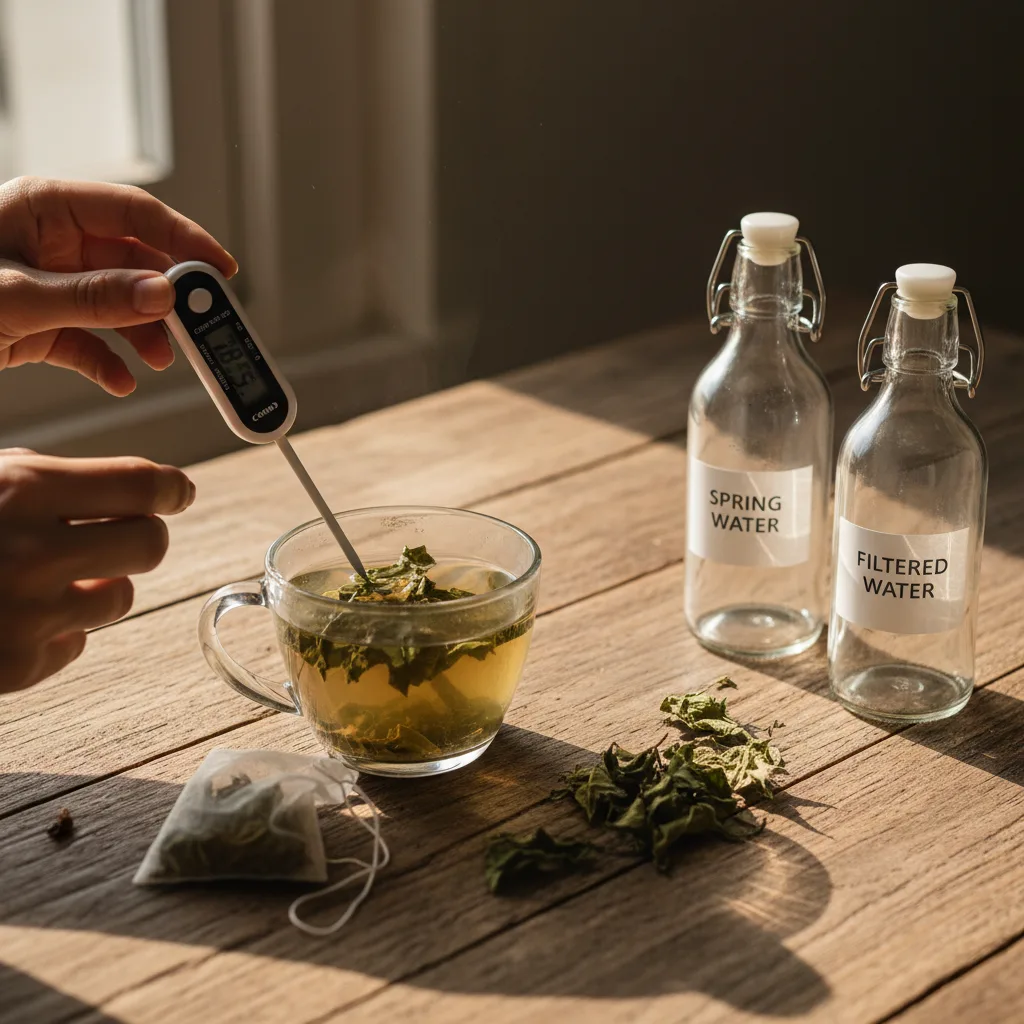
Tasting Experiment 2: Brewing Temperature’s Impact on Flavor and Mouthfeel
Temperature can make or break the character of gymnema leaf tea. Because gymnema leaves are more delicate than many botanicals, slight shifts in water temperature can tilt the balance between bitterness, earthiness, and that classic “sweetness-masking” aftertaste.
How to Experiment
- Prepare three cups with equal amounts of gymnema leaf or tea bag—one cup for each temperature: 175°F (just steaming), 195°F (almost boiling), and 212°F (full rolling boil).
- Steep all three cups for five minutes.
- Taste in order from coolest to hottest.
What you may notice:
- At 175°F, the tea is milder, with a softer texture and more subtle aroma—bitterness is minimized, and natural sweetness-masking effects are gentle.
- At 195°F, the aroma and color deepen; you may notice increased earthiness and a more pronounced mouth-coating sensation.
- At 212°F, bold herbal notes and subtle bitter edge emerge—the signature aftertaste is more intense, and the tea may feel slightly drier on the palate.
Takeaway:
For everyday sipping, most people find that brewing at 195°F to 205°F offers the best balance for gymnema’s distinctive notes. If you prefer milder or more subtle flavors, aim for the lower end; to accentuate boldness or the dryness, try hotter water. Brewing method adjustments can also be applied to other infusions like Soursop Leaf Tea for an expanded range of home tea experimentation.
Tasting Experiment 3: Steeping Time—Unlocking Layers of Flavor
How long you steep your gymnema tea affects flavor intensity, bitterness, and the duration of the “sweetness reduction” effect sometimes experienced after tasting.
How to Try This at Home
- Add 1 teaspoon organic gymnema leaf to three cups.
- Pour water at your preferred temperature over each (suggested: 195°F).
- Steep one cup for 2 minutes, one for 5 minutes, one for 10 minutes.
- Taste and compare.
What to look for:
- 2 minutes: The tea is light and almost grassy, with minimal bitterness and subtle mouthfeel.
- 5 minutes: Richer color, fuller aroma, and a signature gymnema sensation on the tongue begins to emerge.
- 10 minutes: Bolder flavor, more mouth-coating, and a slightly drying finish—the “sweetness-masking” effect is strongest.

Takeaway:
For most, the sweet spot is 5–7 minutes, which delivers the classic gymnema taste experience without tipping into overpowering earthiness or astringency. For those interested in the healthful qualities and subtle flavor shifts with infusion time, bamboo’s naturally silica-rich character can make Bamboo Leaf Tea 24 Bags an exceptional option to try with similar steeping strategies.
Practical Gymnema Leaf Tea Brewing Recipes
Here are a few simple recipes to guide your daily routine and personal tasting adventures:
Classic Brew (gentle, balanced)
- 1 heaping teaspoon organic gymnema leaf (or 1 Herbal Goodness tea bag)
- 8 oz filtered or spring water, heated to 195–200°F
- Steep 5–6 minutes
- Sip and experience the unique flavor profile
If you want a comparable smoothness and gentle flavor in your cup, the caffeine-free Organic Papaya Leaf Tea provides a well-rounded herbal option for daily enjoyment.
Robust Brew (intense, bold)
- 1 heaping teaspoon organic gymnema leaf
- 8 oz hot water at 205–212°F
- Steep 8–10 minutes
- For seasoned palates, exploring deeper earthiness and a more pronounced mouthfeel
This robust approach is also ideal if you appreciate bold, earthy herbal brews like Soursop Leaf Tea | Organic Graviola, which delivers deep flavor and impressive wellness qualities.
Lighter Brew (subtle, easy-drinking)
- 1 teaspoon organic gymnema leaf
- 8 oz water at 175°F
- Steep 2–3 minutes
- For those seeking gentle flavor and a softer experience
Finding your perfect cup may also inspire you to check out Bulk Loose Leaf Teas & Tisanes, which allow for customized blends and single-herb infusions tailored to your unique tastes.
Re-Steeping Gymnema Leaf: Get More From Every Leaf
Gymnema leaf is surprisingly resilient and can yield multiple flavorful infusions. To re-steep:
- After your first pour, leave the steeped leaves in your teapot or infuser.
- Add fresh hot water (ideally at the same temperature as before).
- Allow a longer steep (add 2–3 minutes per re-steep) for a good balance of flavor.
Often, the second or even third steep yields a gentler, more nuanced cup—while still delivering the distinctive aftertaste for which gymnema is appreciated. This is a wonderful method if you wish to get the most out of premium herbs such as those found in the Herbal Tea Trio – Build-Your-Own Bundle, giving you the flexibility to try, re-steep, and discover a world of natural flavors.
Storage Tips: Preserving Gymnema Tea Flavor and Freshness
Just like any botanical, gymnema leaf tea rewards thoughtful storage. Light, air, and moisture are the biggest flavor spoilers. Here’s how to lock in freshness at home:
- Store organic gymnema leaves or tea bags in an airtight container, away from direct sunlight.
- Choose a cool, dry place—avoid the fridge or freezer (moisture can get in and degrade the leaves).
- If using Herbal Goodness tea, their packaging is designed to keep herbs fresh—reseal tightly after each use.
- Use within 6–12 months for best flavor.
For fans of single-herb teas, the same storage strategies work well for Bulk Herbs & Roots Online so you always have fresh botanicals ready for your next brew. Sealed freshness preserves not only the tea’s flavor, but also the delicate natural properties you’re seeking from gymnema and companion herbs.
Tuning Your Own Gymnema Tea Ritual
Every step of the brewing process unlocks a new layer of experience—from the clean snap of spring water to the bold aromas that emerge at a full boil, to the gentle mouthfeel of a shorter steep. Part of the joy of gymnema leaf tea is in the experimentation, learning, and refinement you can achieve in your own kitchen. With just a little curiosity and these simple recipes, you can create a cup that’s uniquely yours every time.
Remember, brewing isn’t a science project; it’s an invitation to play with nature, flavor, and your own senses. So set up your experiment, notice the changes, and sip thoughtfully to find your favorite way to brew gymnema leaf tea.
Frequently Asked Questions
Question 1: Can I blend gymnema leaf tea with other herbal teas for new flavors?
Answer: Absolutely! Gymnema pairs well with mild herbs found in products like Organic Papaya Leaf Tea or Bamboo Leaf Tea 24 Bags for new experiences.
Question 2: What are the main health benefits of gymnema leaf tea?
Answer: Gymnema is best known for reducing sweet taste perception, supporting healthy blood sugar, and providing earthy antioxidants. For additional wellness support, you may consider adding Soursop Leaf Tea to your routine.
Question 3: How many times can I re-steep gymnema tea leaves?
Answer: Typically, you can re-steep once or twice, with the flavor becoming more delicate with each infusion. This practice works well with loose botanicals in offerings like Bulk Herbs & Roots Online.
Question 4: Which water temperature is best for gymnema leaf tea?
Answer: Most enjoy gymnema at 195–205°F, which balances aroma, flavor, and that signature mouthfeel. If you like milder teas, go lower; for a stronger experience, go hotter. Adjust the method as you would with teas like Bamboo Leaf Tea 24 Bags.
Question 5: Is gymnema tea naturally caffeine-free?
Answer: Yes, gymnema leaf tea contains no caffeine, making it perfect for late-day sipping. Many herbal options like Organic Papaya Leaf Tea are also caffeine-free for a calming experience.
Question 6: How should I store gymnema leaf tea for maximum freshness?
Answer: Keep it in an airtight container away from heat, light, and moisture. The strategies you’d use for Bulk Herbs & Roots Online or quality herbal teas also work well for gymnema leaves.
Question 7: What makes bamboo leaf tea a good alternative or complement to gymnema?
Answer: Bamboo Leaf Tea 24 Bags is rich in silica, supports skin and hair health, and offers a light, grassy flavor that harmonizes beautifully with earthier botanicals.
Empower your tea ritual by experimenting with water, temperature, and time. Find your perfect gymnema leaf tea brew and savor each cup as a unique, mindful experience.
About the Author
Herbal Goodness Editorial Team
The Herbal Goodness Editorial Team specializes in holistic health and superfoods, blending science and nature to educate and empower our community.
References
How to Read Organic & Fair Trade Labels on Gymnema Tea Bags Online
How to Read Rooibos Tea Listings Online: Labels, Photos, and Freshness
How to Spot Quality and Avoid Red Flags When Buying Organic Herbal Energy Tea Online
How to Taste-Test Mushroom Tincture Blends at Home: A Simple, Flavor-First Guide
How to Try Gymnema Tea Online: Samples, Subscriptions, and What to Expect
How to Vet Small-Batch Organic Herbal Tea Bag Sellers Online
Loose-Leaf, Tea Bags, or Powder? Choosing the Right Gymnema Tea Format
Natural Antioxidant Teas: A Simple Guide to 'Natural' and Online Shopping
Organic Herbal Tea Bundle Guide: Taste, Storage & Rotation Tips
Share this
Popular posts


FAQs
1. What are the main benefits of drinking bamboo leaf tea?
Drinking bamboo leaf tea supports hydration, relaxation, skin wellness, and antioxidant balance.
2. What is bamboo leaf extract used for?
It’s used for general body wellness, skin elasticity, hair and nail support, and overall vitality.
3. Can bamboo leaf help with skin care and body wellness?
Yes, bamboo leaf is rich in silica and antioxidants, which promote healthy skin, strong nails, and a youthful glow.
4. What forms of bamboo leaf are available?
You can find dried bamboo leaf, powder, extract, drops, oil, and bamboo leaf green tea.
5. Are there any side effects of bamboo leaf?
Bamboo leaf is generally safe when consumed in moderation. Always consult your healthcare provider before starting any new herbal supplement.