





Finding Rhodiola Root: Beginner’s Guide to Sources & Quality

Finding Rhodiola Root: Beginner’s Guide to Sources & Quality
Curious about rhodiola root but not sure where to begin your search? Rhodiola, prized for centuries in traditional wellness systems, receives growing attention in modern herbal circles. Yet, for beginners, navigating the world of sources, forms, and quality can feel overwhelming. Whether scouring local markets or exploring online apothecaries, understanding how to choose rhodiola root wisely is essential. This guide offers accessible insights into where rhodiola is found, which forms are available, and what clues signal true quality—empowering you to make informed choices.
Where to Find Rhodiola Root: Common Sources
Local Herb Shops & Natural Stores
Local herb shops and independent natural food stores are popular starting points for discovering rhodiola root. Staff at these shops often possess knowledge about their inventory, including sourcing practices and how each product is made. Here, you might find rhodiola in dried root chunks, fine powder, liquid tinctures, or encapsulated blends.
Advantages:
- Personal service from knowledgeable staff
- Immediate product inspection possible
- Chance to ask questions about origin and quality
Online exploration can expand your options. For example, Bulk Herbs & Roots - Organic 4oz Bags - Herbal Tea can offer a diverse selection for those seeking organic and traditional options.
Farmers’ Markets and Community Herbalists
Some farmers’ markets, particularly in regions with strong herbal traditions, may offer locally grown or wild-harvested rhodiola. Here, meeting the grower or harvester in person can lead to greater transparency about cultivation and harvesting practices.
Advantages:
- High transparency on growing practices
- Opportunity to support local or small-scale growers
- Unique batches or varieties sometimes available
Specialty community herbalists sometimes also source other sustainable botanicals, such as Sea Moss - Raw Dried from St Lucia - 8oz Bag - Nature's MultiVitamins, for those interested in broader natural wellness support.
Online Herbal Apothecaries and E-commerce Stores
The internet hosts a flourishing herbal marketplace, and rhodiola root is widely available from reputable online apothecaries and certified supplement retailers. These platforms typically list a variety of forms, detailed product descriptions, and even user reviews.
Advantages:
- Wide selection and consistency of supply
- Access to product certificates and lab reports
- Convenience of home delivery
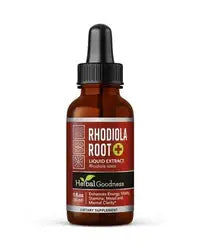
A top pick for those seeking verified and convenient options is Rhodiola Root Liquid Extract - Organic 1oz - Energy Support, which offers clear information regarding its extract ratio and origin.
Specialty Health and Wellness Stores
Brick-and-mortar or online wellness shops, focused on sports nutrition, adaptogens, or holistic health, sometimes stock premium rhodiola products. These outlets might aggregate brands that adhere to high purity standards and environmental stewardship.
Advantages:
- Curated selection for specialized uses
- Potential for high documentation on quality or organic claims
For those preferring easy-to-use formats, Blood Platelet Plus - 60/600mg 20X Strength Capsule - Platelet Boost exemplifies how encapsulated botanicals can fit modern routines while focusing on purity and third-party testing.
Rhodiola Root Forms: Comparing Options
Rhodiola root is available in several forms, and each offers distinct advantages depending on personal preferences and lifestyle needs.
Raw Rhodiola Root (Dried)
Dried rhodiola root typically resembles chopped or shredded pieces of the woody root. This format is closest to what traditional herbalists have relied upon for generations.
Common Uses:
- Brewing teas or decoctions
- Homemade tinctures or extracts
Quality Clues:
- Color should be vibrant, not faded
- Aroma: Earthy, slightly sweet fragrance
- Free from visible mold or off-smells
Those who enjoy preparing traditional brews might also explore Bulk Loose Leaf Teas & Tisanes - Organic 4oz - Herbal Wellness Teas, which align with the preference for wholesome, minimally processed plants.
Rhodiola Root Powder
Powdered rhodiola is simply the dried root ground into a fine texture. Easy to blend into smoothies, shakes, and recipes, this form offers versatility in daily routines.
Quality Clues:
- Pale yellow to tan color is typical
- Clump-free, uniform, and fresh-smelling
- Packaging should guard against moisture and light
For those who favor powders in their wellness regimen, Papaya Seed Powder - Organic 4oz Bag - Colon & Gut Cleanse demonstrates the value of transparent ingredient sourcing and effective packaging for freshness.
Rhodiola Tinctures and Liquid Extracts
Tinctures and liquid extracts are concentrated forms made by steeping rhodiola root in alcohol or glycerin, drawing out select constituents.
Advantages:
- Convenient dosing with dropper bottles
- Ideal for those who prefer not to swallow capsules or powders
Quality Clues:
- Clear labeling of root-to-solvent ratios
- List of extraction solvent and plant parts used
- Dark glass bottles to protect from light
A reliable example of this format is Rhodiola Root Liquid Extract - Organic 1oz - Energy Support, which offers the flexibility and clear dosing that many users appreciate.

Rhodiola Root Capsules
Capsules offer the ultimate in convenience, measuring out the powdered or extracted root for easy swallowing. Many modern wellness routines rely on capsule products for daily herbal support.
Quality Clues:
- Ingredient transparency (what is inside the capsule)
- Absence of unnecessary fillers, binders, or additives
- Indication of the amount and percent of standardized constituents (like rosavins, salidroside)
Editorial teams studying encapsulated herbs often point to similar products such as Blood Platelet Plus - 60/600mg 20X Strength Capsule - Platelet Boost for their tested reliability, especially when ingredient transparency is crucial.
Reading Rhodiola Root Labels Like a Pro
Learning to decipher product labels is one of the most important skills for anyone buying rhodiola root. Label reading can separate genuinely high-quality offerings from those that simply sound impressive on the surface.
Identifying Organic and Natural Claims
- USDA Organic: Indicates the product has met established organic growing and processing standards.
- Certified Organic: Watch for international or regional organic seals (like EU Organic)
- Wildcrafted: Shows that the root was gathered from the wild, rather than farmed. Quality wildcrafted products come from trusted, reputable harvesters.
When searching for strictly organic credentials, Bulk Herbs & Roots - Organic 4oz Bags - Herbal Tea showcases recognizable certifications for consumers who prioritize clean growing practices.
Third-Party Testing and Certifications
Honest brands invest in independent verification of purity and potency:
- Third-party lab tested: This phrase means an outside laboratory has analyzed the product for identity, potency, and potential contaminants.
- Certificates of Analysis (COA): The best suppliers provide COAs online or upon request, summarizing laboratory findings.
Certifications are particularly important with dietary botanicals, as seen in products such as Sea Moss - Raw Dried from St Lucia - 8oz Bag - Nature's MultiVitamins, which clearly display lab-tested quality statements.
Ingredient Transparency
Look for specifics such as:
- The exact species name (usually Rhodiola rosea)
- Whether the full root, extract, or blend is being used
- The presence of non-active ingredients or fillers
Finding products that detail their full ingredient lists, like Rhodiola Root Liquid Extract - Organic 1oz - Energy Support, builds trust and helps you avoid unnecessary additives.
Sourcing and Ethical Harvesting
- Sustainable: Seek indications that plants are harvested in a way that supports future growth and minimizes environmental impact.
- Fair Trade: Some suppliers adhere to fair labor and trade practices, supporting ethical treatment of workers and growers.
Quality Clues Beyond the Label
Marketing language can be persuasive, but there are additional checks that build confidence in your rhodiola purchase:
Sensory Cues
- Fresh, earthy smell (avoid musty, sharp, or chemical-like odors)
- Slightly bitter, nuanced taste when sampled (if appropriate)
- Firm, not brittle texture for roots; smooth, fine consistency for powder
Community herbalists suggest referencing Bulk Loose Leaf Teas & Tisanes - Organic 4oz - Herbal Wellness Teas to compare freshness and aroma with established herbal standards.

Reputation of Suppliers
- Research the retailer’s history and reviews
- Favor brands or sources with a track record of clear sourcing and testing
- Join consumer forums, groups, or ask expert herbalists for feedback
Reputable sources often also supply other trusted botanicals; Blood Platelet Plus - 60/600mg 20X Strength Capsule - Platelet Boost is often highlighted for its positive feedback and robust testing protocols.
Pricing as a Clue
- Extremely cheap rhodiola root may signal shortcuts in processing, blending with lower-quality material, or questionable sourcing. While high price isn’t an automatic guarantee, it often reflects investment in higher standards.
Spotting Sustainable and Ethical Rhodiola Sourcing
Rhodiola grows wild in some delicate alpine environments. Responsible sourcing not only supports local communities but also protects wild populations for future generations.
Key Sustainability Markers
- Cultivated vs. Wildcrafted: While wild-harvested rhodiola is valuable, overharvesting is a growing concern. Cultivated sources can offer consistency and responsible renewal.
- Supplier Transparency: Ethical suppliers will be open about where rhodiola is grown, how it is harvested, and what steps are taken for ecosystem preservation.
- Certification programs: Look for participation in programs focused on conserving wild medicinal plants.
For those passionate about biodiversity and plant heritage, Bulk Herbs & Roots - Organic 4oz Bags - Herbal Tea demonstrates sourcing with integrity and focus on sustainability.
Comparing Marketing Claims: How to Read Between the Lines
Many products promote statements meant to impress buyers. Here’s how to assess them:
- Standardized extract means a set amount of a phytochemical, but “standardized” alone does not confirm overall quality.
- 100% pure or natural sounds good but is unregulated—always pair such language with independent testing results.
- Premium or pharmaceutical grade are not universally defined within herbal markets. Evaluate such claims in the context of lab testing and ingredient transparency.
Evaluating label claims is easier with access to products that voluntarily provide their Certificates of Analysis—Rhodiola Root Liquid Extract - Organic 1oz - Energy Support is a good example of clarity in labeling and quality testing.
Steps for Choosing Your First Rhodiola Product
- Decide on your preferred form: raw root, powder, tincture, or capsule.
- Assess sourcing: cultivated or ethically wildcrafted, with attention to ecological impact.
- Look for third-party certification and organic status.
- Compare product labels for species name, extraction ratios, and absence of unnecessary additives.
- Consider supplier reputation: read reviews and seek feedback from experienced herbal users.
- When in doubt, consult with a Personal Consultation with Herbalist or Health Coach.
Ready to begin your exploration? Use these quality clues to confidently choose rhodiola root and enjoy the benefits of trusted herbal traditions on your wellness journey.
FAQs:
- Where is the best place to find authentic rhodiola root?
Authentic rhodiola root can be found at reputable local herb shops, trustworthy online apothecaries, and specialty health stores. Prioritize vendors with clear sourcing details and third-party testing information.
- How do rhodiola capsules compare to raw root or tinctures?
Capsules offer ease and convenience, while raw root and tinctures allow greater flexibility for traditional applications and custom dosing. The best choice depends on lifestyle preferences and personal routines.
- What quality markers should I look for on a rhodiola label?
Key markers include organic certification, third-party lab test details, full botanical names, and transparent sourcing practices. Avoid products lacking ingredient specificity or testing information.
- Is wildcrafted rhodiola always better than cultivated?
Not necessarily. Responsibly cultivated rhodiola supports sustainability by easing pressure on wild populations, while wildcrafted can offer traditional authenticity if ethically and carefully collected.
- Are there noticeable differences in potency between forms of rhodiola?
Potency may vary depending on extraction methods, plant part used, and whether the product is standardized. Review labels and choose formats that align with your priorities for strength and convenience.
- Why is third-party testing important for rhodiola root products?
Independent laboratory testing ensures the product's identity and checks for potential contaminants. It adds a layer of trust by verifying what is listed on the label.
- How can I ensure my rhodiola root is sustainably sourced?
Look for details on cultivation versus wildcrafting, certifications for ethical and sustainable practices, and vendor transparency about plant origins.
Author Name:
Herbal Goodness Editorial Team
Author Bio:
The Herbal Goodness Editorial Team specializes in holistic health and superfoods, blending science and nature to educate and empower our community.
References:
Introducing Graviola to Young Taste Buds: Fun, Family-Friendly Flavor Exploration
Share this

Popular posts


FAQs
1. What are the main benefits of drinking bamboo leaf tea?
Drinking bamboo leaf tea supports hydration, relaxation, skin wellness, and antioxidant balance.
2. What is bamboo leaf extract used for?
It’s used for general body wellness, skin elasticity, hair and nail support, and overall vitality.
3. Can bamboo leaf help with skin care and body wellness?
Yes, bamboo leaf is rich in silica and antioxidants, which promote healthy skin, strong nails, and a youthful glow.
4. What forms of bamboo leaf are available?
You can find dried bamboo leaf, powder, extract, drops, oil, and bamboo leaf green tea.
5. Are there any side effects of bamboo leaf?
Bamboo leaf is generally safe when consumed in moderation. Always consult your healthcare provider before starting any new herbal supplement.