





Dandelion Root Farming: Impact of Soil, Sourcing, and Sustainability

Introduction
Dandelion root has been cherished across cultures as a versatile and valuable botanical, appreciated for its uses in teas, extracts, and culinary traditions. But when you pick up a jar or packet of dandelion root extract, do you ever wonder what lies behind the label? Understanding dandelion root farming provides valuable insights into quality, plant characteristics, and environmental responsibility. This guide unpacks the essentials of dandelion root farming—covering everything from growing regions and harvesting methods to what to look for on labels—so anyone, from newcomers to seasoned herbal enthusiasts, can make informed, earth-friendly choices.
The Foundations: Dandelion Root Farming and Its Influence
Dandelion is more than a common garden plant. The roots, in particular, have attracted attention for their unique flavor and traditional use. But much of their quality starts in the field long before harvest.
How Growing Regions Shape Dandelion Roots
Where dandelion roots are grown greatly influences their composition and character. Different climates, soil types, and altitudes contribute to:
- Root Size and Texture: Colder climates often yield thicker roots, while warmer regions may produce slender, fibrous roots.
- Flavor Profile: Terroir, a term borrowed from the wine industry, also applies to botanicals. Mineral-rich soils can infuse roots with subtle earthy or bitter notes.
- Nutrient Content: The local environment—including organic matter in soil, rainfall, and sunlight—can shape the balance of vitamins, minerals, and phytonutrients naturally present in the roots.
When evaluating dandelion root products, consider where and how the crop was grown. Regions with rich, healthy soil often produce roots with a more robust profile.
Wild-Foraged vs. Cultivated Dandelion Roots
Another important distinction in dandelion root products is whether the roots are wild-foraged or cultivated:
- Wild-Foraged Roots: Gathered from meadows, fields, and non-cultivated land. These roots may be more diverse and influenced by natural soil conditions but can introduce uncertainties regarding sustainability and consistency.
- Cultivated Roots: Grown intentionally by farmers, often allowing for controlled conditions, regular rotation, and careful soil replenishment. Cultivation can support more predictable quality and easier sustainability oversight.
Both wild and cultivated roots have their merits. The key for the environmentally conscious consumer is to ensure roots are harvested with respect for local ecosystems and future plant populations.
Soil Quality: The Core of Strong Dandelion Roots
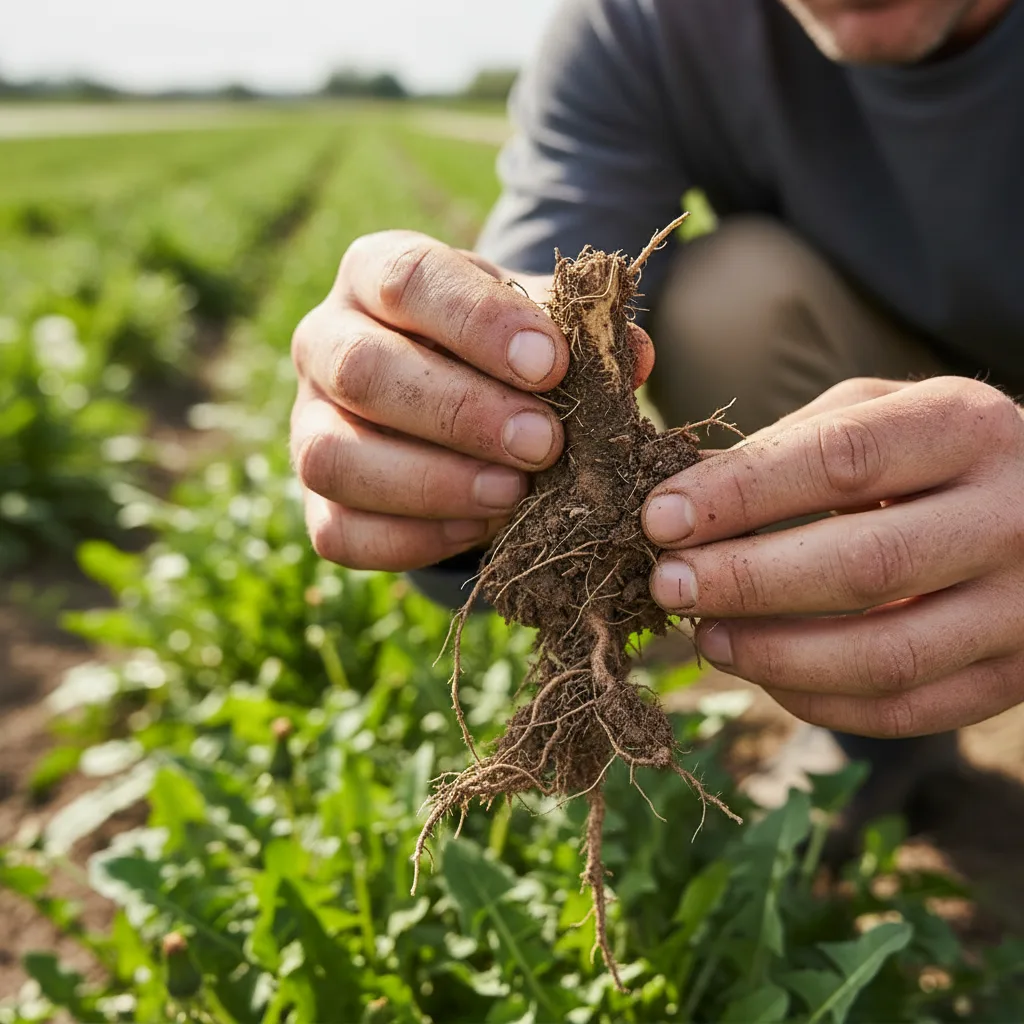
Soil is the lifeblood of any root crop. Dandelions thrive in well-draining, loamy soils full of organic material. Healthy soil supports:
- Healthy Root Development: Deep and branching roots draw up a wider array of nutrients.
- Reduced Contaminants: Soils monitored for pesticides, heavy metals, and pollutants yield safer, purer botanicals.
- Balanced Growth: Nutrient-rich soils produce roots with consistent color, texture, and flavor.
Modern responsible farming includes regular soil testing, use of natural fertilizers, and careful avoidance of synthetic chemicals that can penetrate the roots. For consumers, knowing a supplier values soil health is a positive sign of overall extract quality.
Impact of Soil on Dandelion Root Taste and Texture
- Acidic vs. Alkaline Soils: These can affect the bitterness of the roots, which is a prized feature in many traditional uses.
- Mineral Content: Roots grown in magnesium- and calcium-rich soils tend to carry a softer, sometimes subtly nutty flavor.
Quality-focused growers often rotate crops and integrate cover crops (like clover or rye) to maintain and restore soil vitality between dandelion harvests.
Sustainable Dandelion Harvest: Why It Matters
Sustainability in dandelion root farming encompasses multiple practices designed to protect the environment and future plant populations.
Sustainable Harvesting Techniques
- Selective Harvest: Only mature roots are gathered, giving younger plants more time to establish and propagate naturally.
- Rotation and Rest Periods: Fields are allowed to rest or rotated with other crops to prevent soil depletion.
- Minimal Impact Gathering: Harvesters avoid damaging non-target plants or compacting the earth excessively during collection.
Benefits of Sustainable Harvesting
- Preserves Biodiversity: Maintaining healthy plant populations supports pollinators and other wildlife.
- Soil Longevity: Practices like composting and crop diversity build long-term, fertile soils.
- Social Responsibility: Ethical sourcing often involves fair wages and working conditions for farm workers and foragers.
Products from companies or cooperatives promoting sustainability are not only better for the earth but also typically yield better botanical quality.
Wild-Foraged or Cultivated: What’s Better?
There is no definitive answer, but here’s a closer look at key considerations:
-
Wild-Foraged:
-
Potential Benefits: Greater biodiversity, plants exposed to a broader spectrum of soil nutrients and sunlight.
-
Potential Concerns: Possible over-harvesting, habitat disturbance, or variable quality.
-
Cultivated:
-
Potential Benefits: Consistency in flavor, composition, and safety; better record-keeping for traceability.
-
Potential Concerns: Some farms may still rely on pesticides or herbicides, so organic certification is important.
In both cases, ethics and transparency matter. Products should be traceable to their source, particularly if wild-foraged.
Harvest Season: Timing Is Everything
When roots are harvested can be just as important as how and where:
- Spring Harvest: Roots tend to be softer and milder in flavor.
- Fall Harvest: Roots often contain higher concentrations of certain phytonutrients and are typically more robust and flavorful.

Many growers favor a late fall harvest, allowing plants to store maximum energy in their roots after the growing season. For those seeking high-quality supplements, Dandelion Root Liquid Extract - Organic 1oz - Detox & Liver highlights the potential of roots harvested at peak season.
Reading Labels and Asking Questions: The Informed Buyer’s Checklist
When buying dandelion root products—whether for tea, tincture, or culinary use—here are simple questions to consider:
- Origin: Where was the dandelion grown?
- Harvest Method: Is it wild-foraged or cultivated?
- Cultivation Practices: Organic? Sustainably harvested?
- Harvest Time: Is the season or year of harvest listed?
- Testing: Are batches tested for contaminants and quality markers?
- Certification: Is the product certified organic or verified by a reputable third party?
These criteria help ensure not only the quality of your dandelion root products, but also support growers and suppliers who are stewards of the land. If you’re looking for a product that meets many of these criteria, Bulk Herbs & Roots - Organic 4oz Bags - Herbal Tea can be a great option for wellness-focused consumers.
Environmental Impact: Protecting Nature with Every Harvest
The way dandelion root is farmed and harvested has lasting effects on local ecosystems:
- Erosion Control: Proper farming minimizes soil erosion by keeping cover crops and rotating fields.
- Wildlife Habitat: Fallow and mixed-crop fields support a range of pollinators and small animals.
- Low Chemical Use: Organic or non-synthetic fertilizer and pest control methods protect waterways and insect populations.
Supporting sustainable farming practices means investing in the health of the planet, not just the purity of what ends up in your cup or supplement bottle. Supplement fans interested in broader wellness can also consider the nutrient-rich Sea Moss - Raw Dried from St Lucia - 8oz Bag - Nature's MultiVitamins.
What to Look For When Researching Dandelion Root Extracts
Dandelion root extract quality can be investigated by:
- Transparency: Does the supplier explain where and how roots are grown and harvested?
- Batch Information: Are there batch numbers, harvest years, or traceable information on packaging?
- Third-Party Testing: Quality-focused companies often publish results of safety and composition analyses.

Don’t hesitate to reach out to suppliers for detailed sourcing information. Honest companies are usually eager to share their practices and values. When transparency is a top priority, options like Bulk Loose Leaf Teas & Tisanes - Organic 4oz - Herbal Wellness Teas reflect a commitment to clear, trustworthy sourcing and quality assurance.
Simple Guide to Choosing Higher-Quality Dandelion Root Products
- Look for Sustainability Statements: Packaging or websites should highlight sustainable sourcing.
- Choose Certified Organic if Possible: This indicates soil and farming practices meet strict standards.
- Check for Harvest Date or Seasonality: Freshness can impact flavor and beneficial composition.
- Ask About Testing: Ensure products are regularly checked for contaminants.
- Support Companies with Responsible Supply Chains: Those that value soil, worker rights, and biodiversity often put quality first.
Frequently Asked Questions
What makes dandelion root quality vary between brands?
Quality is impacted by the region of growth, soil health, farming practices, and how the roots are harvested and processed. Transparent sourcing and regular testing tend to result in superior products.
Are wild-foraged dandelion roots better than cultivated ones?
Not necessarily. Both can provide excellent quality if harvested responsibly. Cultivated roots offer more consistency and traceability, while wild-foraged roots may have greater diversity if sustainably gathered.
Why does soil type matter for dandelion root extracts?
Soil composition affects the root’s nutrient profile, flavor, and purity. Well-managed, clean soils yield stronger and safer botanicals, especially when using Bulk Herbs & Roots - Organic 4oz Bags - Herbal Tea.
How do I know if a dandelion root product is sustainably sourced?
Look for certifications like USDA Organic, or sustainability statements on the packaging. Responsible suppliers are transparent about their harvesting and sourcing methods.
Which harvest season produces the most flavorful dandelion root?
Many growers prefer roots harvested in the fall, as they tend to have a deeper, more robust flavor and a fuller composition of phytonutrients. Products such as Dandelion Root Liquid Extract - Organic 1oz - Detox & Liver may specify this for added peace of mind.
Is it safe to buy dandelion root from overseas suppliers?
Safety depends on the supplier’s transparency and testing practices. Look for clear sourcing information, batch testing for contaminants, and reputable certifications.
What should I ask a supplier before buying dandelion root extract?
Ask about the growing region, harvest method, soil health, and testing protocols. Quality-focused suppliers are happy to provide this information, and you can also explore Bulk Loose Leaf Teas & Tisanes - Organic 4oz - Herbal Wellness Teas for further reference.
Ready to Explore Dandelion Root with Confidence?
Curiosity about where and how dandelion root is farmed empowers you to choose products that align with your wellness goals and earth-friendly values. The next time you shop for dandelion root, use this guide’s checklists and questions to make informed, conscious choices that support both personal and planetary health.
FAQs:
- What makes dandelion root quality vary between brands?
Quality is impacted by the region of growth, soil health, farming practices, and how the roots are harvested and processed. Transparent sourcing and regular testing tend to result in superior products.
- Are wild-foraged dandelion roots better than cultivated ones?
Not necessarily. Both can provide excellent quality if harvested responsibly. Cultivated roots offer more consistency and traceability, while wild-foraged roots may have greater diversity if sustainably gathered.
- Why does soil type matter for dandelion root extracts?
Soil composition affects the root’s nutrient profile, flavor, and purity. Well-managed, clean soils yield stronger and safer botanicals.
- How do I know if a dandelion root product is sustainably sourced?
Look for certifications like USDA Organic, or sustainability statements on the packaging. Responsible suppliers are transparent about their harvesting and sourcing methods.
- Which harvest season produces the most flavorful dandelion root?
Many growers prefer roots harvested in the fall, as they tend to have a deeper, more robust flavor and a fuller composition of phytonutrients.
- Is it safe to buy dandelion root from overseas suppliers?
Safety depends on the supplier’s transparency and testing practices. Look for clear sourcing information, batch testing for contaminants, and reputable certifications.
- What should I ask a supplier before buying dandelion root extract?
Ask about the growing region, harvest method, soil health, and testing protocols. Quality-focused suppliers are happy to provide this information.
Author Name:
Herbal Goodness Editorial Team
Author Bio:
The Herbal Goodness Editorial Team specializes in holistic health and superfoods, blending science and nature to educate and empower our community.
References:
A World Map of Adaptogenic Herbs: Origins & Traditions