





Choosing Supplement Manufacturers for Retail & Online Distribution

Bringing a new botanical supplement from concept to consumer shelves or online carts involves a host of behind-the-scenes steps. For small herbal brands, understanding how supplement manufacturers prepare plant-based products for a range of sales channels can mean the difference between a smooth launch and costly growing pains. Whether your goal is to see your product in big box stores, featured in online marketplaces, or sold direct-to-consumer (DTC), each path comes with specific requirements and practical tradeoffs to consider.
Understanding Channel-Specific Product Preparation
Every sales channel—be it physical retail, online marketplaces, or DTC websites—has unique demands on product format and presentation. Let’s explore how supplement manufacturers guide herbal brands in readying products for each scenario, and what decisions you’ll face at each stage.
Retail-Ready Packaging: Meeting Store & Distributor Specs
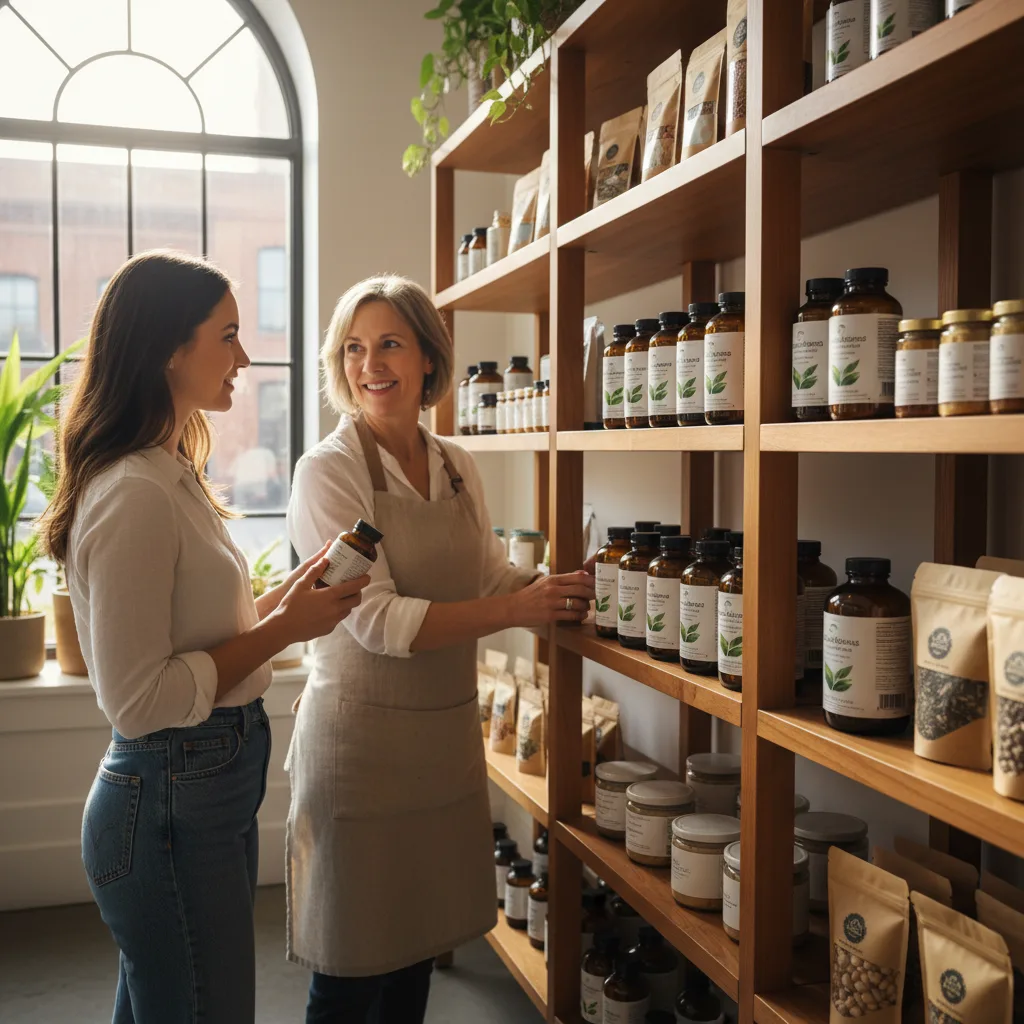
Physical retail requires the most exacting standards. Buyers expect products to arrive shelf-ready, meaning they’re packaged, labeled, and formatted for immediate display. Here’s what supplement manufacturers address:
1. Pack Size and Case Configuration
- Retailers often require specific pack sizes (e.g., 12-bottle cases) to fit their shelf layouts and inventory systems.
- Manufacturers may suggest case quantities or inner packs to streamline stocking and reduce in-store handling. Well-known examples of retail-sized products include Organic Papaya Leaf Extract 16oz | 15X Liquid – Best Value Size, which is optimized for both retailers and DTC fulfillment.
2. Shelf-Ready Packaging (SRP)
- SRP refers to packaging that doubles as a shipping case and a display tray.
- Designs must be sturdy, easy to open, and visually support the brand at a glance. Incorporating wellness-focused products such as Soursop Leaf Graviola Extract 15X Liquid | Organic Cell & Immunity in retail packaging can help maximize shelf presence.
3. Universal Product Codes (UPCs)
- UPCs are mandatory for retail sales and ensure that products scan at checkout and track through logistics.
- Manufacturers usually help small brands secure unique UPCs and correctly print them on each product and outer case.
4. Storage and Transportation Needs
- Retailers may have temperature, light, or stacking requirements for botanicals.
- Palletization (how cases are stacked and wrapped for transport) is often a consideration to prevent product damage, especially for delicate items or products with short shelf lives like Blood Platelet Plus Capsules 20X | 60ct – Advanced Platelet Formula.
Marketplace Listings: Navigating the Digital Shelf
Selling through marketplaces like Amazon or wellness-specific resellers means meeting their technical and logistical needs. Supplement manufacturers can ease the process by tackling the following:
1. Digital Product Assets
- High-quality product photography, detailed supplement facts panels, and clean label images are crucial for marketplaces.
- Manufacturers may assist in capturing compliant images and digital files that meet platform guidelines, ensuring ready-to-list products such as the Raw Sea Moss 8oz Bag | St. Lucia Wildcrafted – Nature's Multivitamin.
2. SKU and Barcode Management
- Each product variant (size, flavor, count) needs a unique SKU and, frequently, an Amazon-standard barcode (FNSKU).
- Manufacturers can pre-label units so brands are retail- and marketplace-ready out of the box.
3. Packaging for Shipping
- Marketplace fulfillment centers require robust, shipment-proof packaging to prevent breakage during the shipping process.
- This sometimes requires extra protective packaging or custom shipper boxes.
4. Listing Details and Compliance
- Accurate, non-misleading product descriptions and ingredient lists are essential. Many supplement manufacturers provide compliant language templates and support for content that aligns with marketplace standards.
Direct-to-Consumer (DTC): Flexibility and Engagement
DTC channels allow herbal brands to sell directly via their website or subscription boxes. Here, supplement manufacturers support brands by emphasizing:
1. Custom Pack Sizes and Sample Packs
- Smaller trial sizes or single-serve sachets for first-time buyers encourage conversions, especially in the herbal category. As an example, Organic Papaya Leaf Extract 1oz | 15X Liquid – Trial & Travel Size is ideal for new DTC customers.
2. Branding and Unboxing Experience
- Vivid branding, eco-packaging, and inserts (like thank-you cards) can foster brand loyalty in DTC contexts.
- Manufacturers can suggest cost-effective packaging solutions for a professional appearance to stand out in a crowded online market.
3. Inventory and Fulfillment Support
- Some manufacturers offer drop-shipping or third-party logistics services so DTC brands can launch without warehousing every SKU themselves. Efficient processes are especially important for fast-moving products like Blood Platelet Support with Papaya Leaf | Organic 15X Liquid Extract, which require responsive inventory management.
Key Labeling and Regulatory Considerations
Whether your product is destined for a regional natural grocer or an e-commerce site, labeling accurately and compliantly is non-negotiable. Supplement manufacturers typically oversee several critical tasks:
What Label Information Is Required?
- Supplement Facts: Serving size, ingredients (sometimes including allergens or country of origin), and net quantity. Compliance is particularly crucial for immune-focused products including Soursop Leaf Tea | Organic Graviola 24 Bags | Soursop Tea Benefits for Immunity & Wellness.
- Directions for Use: Plain-language instructions suitable for consumers.
- Warning & Storage Statements: Where applicable for specific botanicals or age groups.
- Business Info: Brand name, distributor/manufacturer address, and consumer contact details.
Adapting Labels for Each Channel
- Retail Labels: Clear UPC placement and large, readable fonts for busy store shelves.
- Online Labels: High-resolution digital versions for zoom-in capability and regulatory checks.
- DTC Labels: May include QR codes for more product information or loyalty rewards.
Manufacturers help brands audit labels for regulatory consistency across all intended channels, minimizing costly relabeling later.
Looking for a supplement manufacturing partner that can support retail, online marketplace, and direct-to-consumer distribution? Explore Herbal Goodness's private-label manufacturing solutions to discover flexible packaging options, quality-focused production, and scalable support designed for growing herbal brands.

Practical Trade-Offs for Small Brands
Launching a botanical supplement brand means making strategic choices—many with trade-offs that affect cost, scalability, and customer experience. For example, expanding your range to include both value and trial sizes, such as offering Organic Papaya Leaf Extract 1oz | 15X Liquid – Trial & Travel Size alongside bulk packs, can widen your audience reach while impacting inventory complexity.
Pack Size Decisions
- Offering too many sizes can increase production complexity and inventory risk.
- Larger packs are often favored by retailers for shelf space value and pricing, but smaller packs suit sample or DTC models as seen in diverse supplement lines like the Soursop Graviola Leaf Extract Capsules 10X | 60ct – Cell & Immunity.
Labeling and Repack Scenarios
- Frequent labeling updates due to regulatory changes increase costs—choosing evergreen language and flexible label formats can help.
- Retailers may request returns or repacks if inventory goes unsold, so packaging must be robust enough for potential reverse logistics. This is particularly important for herbal products and wellness teas.
Understanding EDI Basics
- Large retailers often require brands to use Electronic Data Interchange (EDI) for purchase orders, shipping, and invoicing.
- Manufacturers may support EDI integration or provide reference tools to simplify brand onboarding for retail partners.
Returns, Repackaging, and Shelf Lives
- Clear policies and shelf-life testing help ensure product integrity in various settings, especially for blends such as 15 Day Detox Capsules | Papaya Enzyme & Papaya Seed Powder | Natural Full-Body Cleanse.
- Manufacturers may recommend best practices for restocking, donor programs, or eco-friendly disposal, all of which impact brand reputation and operational costs.
Fulfillment and Distribution: Bridging the Gap
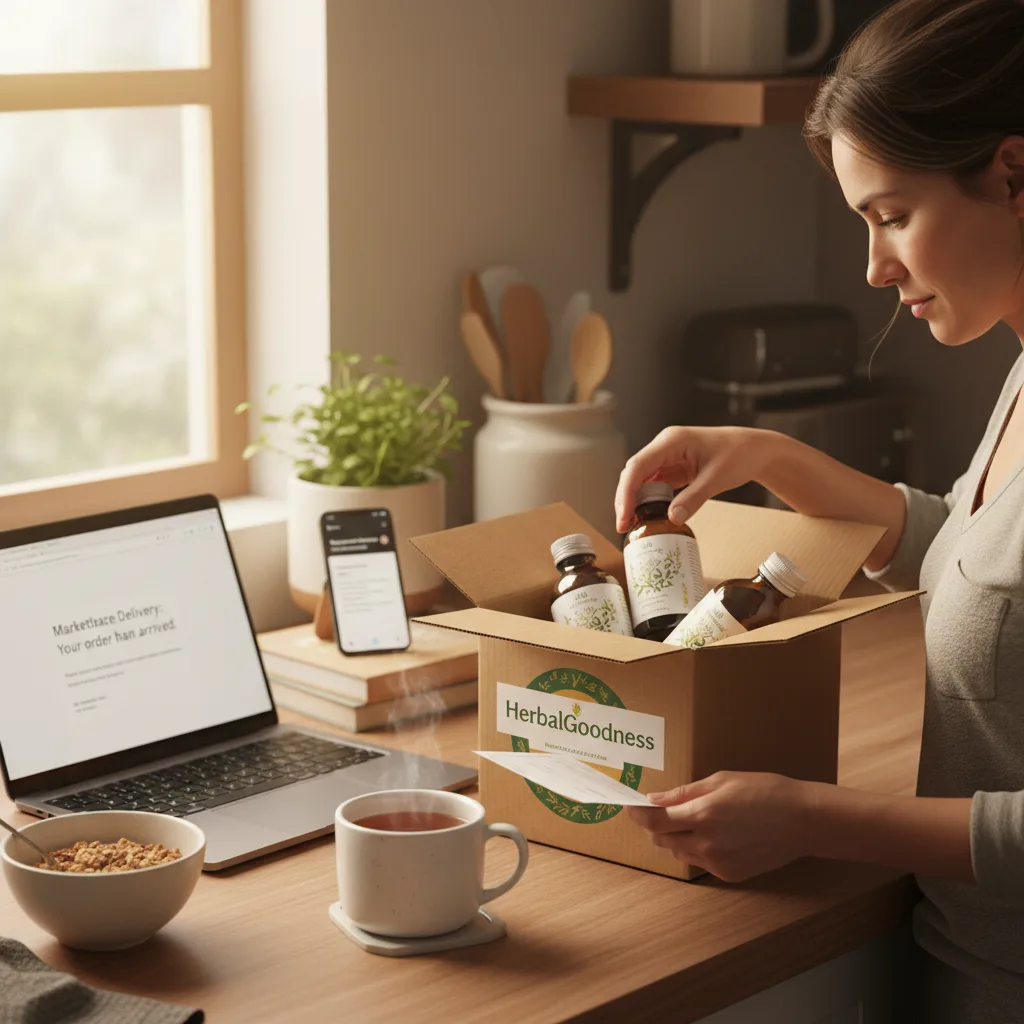
How products are stored, shipped, and returned makes a major impact on costs and customer satisfaction. Supplement manufacturers work with herbal brands to:
- Develop efficient fulfillment systems suitable for the intended channel (retail, DTC, or marketplace). Choosing robust and versatile options such as Body Detox Papaya Seed | Organic 15X Liquid Extract for Gut can help streamline logistical challenges.
- Advise on selecting or integrating with third-party logistics providers (3PLs).
- Provide flexible order minimums or quick-turn services for launches and seasonal campaigns.
- Coordinate fulfillment of sample packs, influencer mailers, or bundled SKUs for direct campaigns.
Launch Planning Checklist: Setting Your Product Up for Success
For small herbal brands entering the supplement market, working closely with a reputable manufacturer—and aligning on the right preparation steps for each channel—can support a smoother path to market. Here’s a simplified readiness checklist:
- ✅ Identify all intended sales channels before design and production.
- ✅ Choose packaging types and pack sizes to fit channel requirements and budget.
- ✅ Secure unique UPCs, barcodes, or SKUs for every product and variant.
- ✅ Prepare compliant labels (physical and digital) for each channel.
- ✅ Align on order quantities, production timelines, and fulfillment options.
- ✅ Develop a plan for returns, repacks, and shelf-life management.
By understanding each of these steps with your supplement manufacturer, you can better position your herbal brand for lasting connections with retailers, online shoppers, and loyal DTC customers.
Frequently Asked Questions
Question 1: What packaging formats work best for retail herbal supplements?
Answer: Retail stores often prefer shelf-ready packaging with specific case quantities and sturdy, visually appealing formats. Manufacturers may recommend products like Organic Papaya Leaf Extract 16oz | 15X Liquid – Best Value Size that fit typical shelf configurations.
Question 2: How do supplement manufacturers ensure compliance for digital listings?
Answer: Manufacturers create high-quality digital assets, supplement facts panels, and compliant images for platforms. This support is vital for supplements such as Soursop Leaf Graviola Extract 15X Liquid | Organic Cell & Immunity offered on marketplaces.
Question 3: Are there unique labeling requirements for DTC herbal supplements?
Answer: Yes. DTC products may include QR codes, loyalty info, or special branding elements beyond the basics. Flexible labels are important for products like Organic Papaya Leaf Extract 1oz | 15X Liquid – Trial & Travel Size.
Question 4: How can brands streamline inventory and fulfillment for fast-growing herbal lines?
Answer: Working with a manufacturer offering drop-shipping or 3PL integration makes it easier to manage multiple SKUs and pack sizes such as Blood Platelet Support with Papaya Leaf | Organic 15X Liquid Extract.
Question 5: What’s the best way to handle returns and shelf-life concerns with botanicals?
Answer: Brands should ensure robust packaging and clear shelf-life labeling. Collaborating on shelf-stable blends like 15 Day Detox Capsules | Papaya Enzyme & Papaya Seed Powder | Natural Full-Body Cleanse can help manage returns and maintain product integrity.
Question 6: Why is product label compliance so critical for herbal supplements?
Answer: Non-compliant labels can result in relabeling costs or regulatory issues. Accurate supplemental facts are essential for products like Soursop Leaf Tea | Organic Graviola 24 Bags | Soursop Tea Benefits for Immunity & Wellness.
Starting your herbal product journey? Connect with experienced supplement manufacturing partners to explore shelf-ready, compliant, and scalable options for every sales channel.
About the Author
Herbal Goodness Editorial Team
The Herbal Goodness Editorial Team specializes in holistic health and superfoods, blending science and nature to educate and empower our community.
Related blogs:
Naturally Caffeine-Free Herbal Teas: How to Choose the Best Ones
Herbal Cardiotonics Ebook | Herbal Goodness
Papaya Leaf Dosage Guide: Tea, Juice & Fresh Leaf Conversion Tips
How to Rotate Papaya Leaf Capsules with Other Herbal Supplements
How to Write Product Descriptions for Papaya Leaf Detox Teas: Ethical
Papaya Capsules and Allergies: Key Considerations Before Buying Online
Behind the Cup: How Premium Energy Herbal Teas Are Crafted for Upliftm
Guava Leaf Extract: Decoding Supplement, Food, and Cosmetic Labels
Privacy-Smart Shopping: Research Blood Platelet Plus Capsules Online
Organic Papaya Seed Powder: 7 Easy Meal Ideas and Flavor Pairings
Share this

Popular posts


FAQs
1. What are the main benefits of drinking bamboo leaf tea?
Drinking bamboo leaf tea supports hydration, relaxation, skin wellness, and antioxidant balance.
2. What is bamboo leaf extract used for?
It’s used for general body wellness, skin elasticity, hair and nail support, and overall vitality.
3. Can bamboo leaf help with skin care and body wellness?
Yes, bamboo leaf is rich in silica and antioxidants, which promote healthy skin, strong nails, and a youthful glow.
4. What forms of bamboo leaf are available?
You can find dried bamboo leaf, powder, extract, drops, oil, and bamboo leaf green tea.
5. Are there any side effects of bamboo leaf?
Bamboo leaf is generally safe when consumed in moderation. Always consult your healthcare provider before starting any new herbal supplement.