





Cat's Claw Extract Sensory Guide: Teas, Tinctures, Powders & Capsules

Cat's Claw Extract Sensory Guide: Teas, Tinctures, Powders & Capsules
Curious about how to spot quality cat's claw extract using your senses? For wellness shoppers, understanding what cat's claw teas, tinctures, powders, and capsules should look, smell, and taste like can make a real difference in choosing the best product. This comprehensive sensory buyer's guide explains how each form's extraction and processing method changes its color, aroma, bitterness, and more—plus how to do quick at-home quality checks and recognize red flags of poor handling. Learn what to expect, how to assess freshness, and the best storage tips to help ensure you bring home only top-tier cat's claw extract.
The Sensory Basics: Why They Matter When Sourcing Cat's Claw
Cat's claw (Uncaria tomentosa), a woody vine from South America, has been traditionally valued for supporting overall wellness. But not all cat's claw products are created equal—color, aroma, and taste can reveal a lot about the care taken in harvesting, processing, and packaging. Too often, these sensory cues are overlooked by first-time buyers seeking authenticity and potency.
A strong sensory profile signals that active compounds remain intact, the product is relatively fresh, and proper quality controls were followed. Conversely, off-colors, strange odors, or unpleasant flavors can warn of stale stock, improper drying, or substandard manufacturing. Whether you favor tea, tinctures, powders, or easy-to-take capsules, learning these sensory benchmarks is the first step in becoming an informed cat's claw extract guide buyer.
Cat's Claw Forms: How Extraction Impacts Sensory Experience
Each delivery form of cat's claw extract—tea, tincture, powder, or capsule—offers a unique sensory experience. The differences stem from extraction methods (i.e., water or alcohol), plant part used (bark, stem, or both), and how the final product is stored and packaged. This section explores what to expect when you open, taste, or smell various cat's claw options.
Cat's Claw Tea: Appearance, Aroma, and Flavor
Visuals:
- Color: The dried bark or stem for teas usually presents as thin golden-brown to reddish strips or shavings. When brewed, expect a warm, amber or pale brown liquid.
- Clarity: A well-strained tea should be relatively clear. Excess particles may indicate poor filtering.
Aroma:
- High-quality cat's claw tea releases a light woody scent with subtle earthy or peppery undertones. Aroma intensity should be mild but clean—sharp chemical or musty odors suggest inferior stock.
Taste:
- The flavor profile is gentle—slightly woody, sometimes mildly bitter, with hints of tannin. Overpowering bitterness or metallic aftertastes could signal over-extraction or stale product.
Texture:
- Liquids should feel smooth on the palate. Grittiness suggests poor preparation or residue from low-quality bark.
For tea lovers interested in similar wellness infusions, Bamboo Leaf Tea – 24/1.5g Tea Bags - Nature's Collagen & Biotin offers another sensory-rich herbal tea experience that highlights the value of visual clarity and aroma for quality assurance. If you enjoy exploring premium teas, consider the unique flavor and color profiles of Papaya Leaf Tea - Organic 24/2g Tea Bags, which can serve as an excellent comparison to cat's claw for those who appreciate earthiness and gentle bitterness.
Cat's Claw Tinctures: Sensory Markers of Concentrated Extracts
Visuals:
- Tinctures range from gold-amber to medium brown, depending on extraction strength and alcohol content.
- Sediment at the bottom is common if using unfiltered extracts, but large floating clumps may hint at improper bottling.
Aroma:
- Expect a strong, sharp herbal scent mingled with the faint tang of alcohol. It should not smell sour, rancid, or chemical. If the alcohol aroma is overwhelming, the tincture may be too diluted or poorly balanced.
Taste:
- Potent tinctures are slightly bitter, drying, and sometimes spicy, with herbal complexity. Pleasant warmth from the alcohol base is fine, but burning, foul, or astringent tastes may signify low quality/poor extraction.
Texture:
- Should be thin but not watery—true tinctures don’t feel oily or overly syrupy.
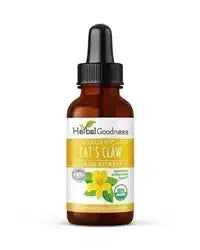
The Cat's Claw - Organic 1oz 15X Liquid Extract - Joint Health exemplifies many of these tincture qualities, from visual amber clarity to a balanced bitter and herbal taste. Regular sensory checks help ensure continued potency and avoid spoilage.
Cat's Claw Powders: Texture, Scent, and Color Cues
Visuals:
- Fresh cat's claw powder displays a light tan to medium orange-brown hue. Dull gray or highly inconsistent coloring suggests age or mishandling.
- Powder should be finely ground, free of large, stringy plant fibers.
Aroma:
- The best powders carry a faint earthiness with spicy or woody notes. An absence of natural aroma or odd mustiness may suggest improper drying or exposure to moisture.
Taste:
- Mild bitterness accompanies woody flavors; the taste should not be sharply acidic or taste stale.
Texture:
- The mouthfeel is dry and powdery, not gritty. Clumping could indicate humidity in packaging.
If you appreciate herbal powders, both for their versatility and their easy storage, Papaya Seed Powder - Organic 4oz Bag - Colon & Gut Cleanse demonstrates how color and aroma can reveal freshness. Use similar sensory benchmarks to choose and assess your cat's claw powders and comparable products.
Cat's Claw Capsules: What to Notice Before Swallowing
Visuals:
- Typically filled with finely milled powder in a vegan or gelatin capsule. Peek at the contents—look for uniform color, no dark flecks or off-color patches.
- Capsules should be solid, not sticky, warped, or brittle.
Aroma:
- A whiff from the bottle should reveal a subtle earthy scent—if sealed, break open a capsule to gauge for freshness.
Taste & Texture:
- If your brand permits tasting, the powder inside should echo the qualities described above. Otherwise, focus on capsule integrity and absence of strong, unnatural odors.
Besides cat's claw, high-quality Blood Platelet Plus - 60/600mg 20X Strength Capsule - Platelet Boost and other well-made capsules signal their care through consistent powder color and smooth texture. A subtle natural scent, not an overpowering herbal blast or chemical note, marks capsules worth trusting.
How to Do a Quick At-Home Sensory Check
Not sure what you're getting? Here’s a simple step-by-step guide:
- Visual Inspection:
- Check color uniformity and absence of mold, crusting, or moisture droplets.
- For teas, inspect dried strips for healthy golden-brown hues. Powders and tinctures should be consistent throughout.
- Aroma Test:
- Smell the product out of the package. Look for an earthy, woody fragrance—avoid mustiness, sharp chemical, or "off" notes.
- Taste (When Safe):
- For teas, taste a cooled brew for mild woody flavor without overpowering bitterness. For powders and tinctures, use only recommended amounts as a taste check.
- Texture:
- Feel powders between your fingers or tongue (if labeled edible). Should be fine, not coarse. Capsules should feel smooth and dry; sticky or ruptured capsules suggest exposure to moisture.

Sensory Red Flags: Signs of Poor Quality or Handling
Knowing the hallmarks of freshness helps, but learning what not to accept is equally crucial. Watch for these warning signs:
- Discolored spots, dull or grayish hues (not tan/brown)
- Clumped, moist, or foul-smelling powder (indicative of mold or moisture exposure)
- Sharp, burnt, or sour aromas (potential spoilage or chemical contamination)
- Gritty or oily textures in powders/tinctures
- Unpleasant, overpowering bitterness or aftertaste
- Warped, sticky, or cracked capsules
- Liquids with floating debris or prominent sediment
If you detect any of these, it’s often safer to avoid using that batch. Select brands with trusted sensory quality, such as the Cat's Claw - Organic 1oz 15X Liquid Extract - Joint Health, which is made with meticulous processing for purity and flavor.
Storage Tips to Preserve Cat's Claw Extract Quality
Proper storage can help cat's claw products maintain their sensory appeal over time. Here’s how to keep them at their best:
- Store in a Cool, Dry Place: Avoid humidity and heat, as both degrade color, aroma, and flavor. A pantry or cupboard (not a steamy kitchen or bathroom) works well.
- Keep Away from Direct Light: Ultraviolet rays can break down active compounds and dull natural color.
- Use Airtight Containers: Reseal after each use; oxygen accelerates staleness. For powders, use desiccant packets when possible.
- Check Expiration Dates: Rotate and use oldest stock first.
- Avoid Freezing Powders or Teas: Condensation can introduce moisture and lead to clumping.

To further protect and compare your herbal investments, note that Papaya Seed Powder - Organic 4oz Bag - Colon & Gut Cleanse uses high-grade packaging to help prevent clumping and preserve aroma. Capsules like Blood Platelet Plus - 60/600mg 20X Strength Capsule - Platelet Boost and powders should always be stored away from heat and moisture to avoid sensory degradation.
Choosing the Right Form: Sensory Differences Matter
Your sense preferences and intended use may influence which form to choose:
- Teas: Offer a relaxing ritual with aromas and flavors closest to traditional preparations.
- Tinctures: Deliver concentrated effects and sharp sensory character; ideal for those who tolerate bitter essences.
- Powders: Blend easily into drinks or foods while preserving aroma and flavor when fresh.
- Capsules: Great for those who want to avoid taste, though a quick check for off-smells or discoloration before use still pays off.
When shopping for any herbal remedy—whether it's a traditional infusion or a modern capsule—prioritize quality checks and reliable sellers, such as sources of Papaya Leaf Tea - Organic 24/2g Tea Bags, ensuring each product you select brings a consistent and authentic sensory experience.
Why Source Matters: Beyond Sensory Testing
Top-tier brands take special care from harvest through packaging—so their products consistently check out in sensory assessment. Look for certifications (organic, non-GMO), batch test data, and clear information on sourcing and processing methods. While sensory self-checks are vital, knowing your provider values quality makes a world of difference.
References
- National Center for Complementary and Integrative Health on Cat's Claw: U.S. government overview of cat's claw history, sourcing, and use.
- Frontiers in Pharmacology: Phytochemical Analysis of Cat's Claw: Scientific exploration of cat's claw composition and quality concerns.
Curious to explore the unique sensory experience of cat's claw extract? Choose high-quality teas, tinctures, powders, or capsules from trusted sources and perform your own at-home checks for freshness and authenticity.
FAQs:
- What should high-quality cat's claw tea look like?
High-quality cat's claw tea should have golden-brown to reddish strips before brewing, and produce an amber or pale brown clear liquid. The visual clarity reflects proper straining and freshness.
- How can I tell if my cat's claw tincture is still fresh?
Check for uniform amber-brown color, a clean sharp herbal scent (not sour or rancid), and a mildly bitter taste with herbal warmth. Large sediment or unpleasant smells can indicate degradation.
- Are there any sensory red flags in cat's claw powders?
Yes. Avoid powders with dull gray coloring, clumping, musty or foul odors, and gritty or oily textures. These may indicate poor drying, improper storage, or age.
- Why does my cat's claw capsule smell unusual?
An unusual or foul odor from cat's claw capsules can be a sign of moisture infiltration, old stock, or low-quality powder. Always check for expiration and store in a cool, dry spot.
- What is the best way to store cat's claw extract products?
Keep all cat's claw products in airtight containers away from heat, humidity, and direct light. Use within the recommended date and avoid freezing teas or powders.
- Can I taste cat's claw powder directly?
If labeled edible, a small taste is fine. Expect a mild bitterness with woody notes. Excessive bitterness or a stale taste suggests poor quality.
- Does the extraction method affect cat's claw flavor?
Yes. Water-extracted teas are milder and woody, while alcohol-based tinctures tend to be more bitter and aromatic. Powders generally preserve the natural flavor of the source material.
Author Name:
Herbal Goodness Editorial Team
Author Bio:
The Herbal Goodness Editorial Team specializes in holistic health and superfoods, blending science and nature to educate and empower our community.
References:
Introducing Graviola to Young Taste Buds: Fun, Family-Friendly Flavor Exploration
Graviola in the Classroom and at Home: Creative Activities to Teach Kids About Tropical Plants
Why Social Impact Matters in Plant-Based Wellness