





Supplier Transparency: How Retailers Educate Shoppers on Plant-Based Origins

Today’s mindful shoppers seek more than a shopping list—they want to connect with the story behind every plant-based product. Supplier transparency is becoming a cornerstone of modern retail, especially as shoppers grow increasingly interested in where, how, and by whom their plant-based teas, extracts, powders, and capsules are sourced and made. This article explores how retailers and emerging brands can turn detailed supplier information—such as origin stories, farming methods, certificates of analysis, and processing details—into clear, engaging educational content across shelf labels, social platforms, and in-person experiences. Learn how transparent communication helps empower shoppers and establishes lasting trust within the plant-based community.
The Growing Importance of Supplier Transparency in Plant-Based Retail
Transparency is no longer optional for plant-based retailers. Modern consumers, especially those who choose plant-based options, want to know not only what’s in the product, but also who grew it, where it came from, and how it was produced. Supplier transparency bridges this curiosity gap and creates a window into sourcing, cultivation, and processing practices.
Retailers and small brands benefit by developing closer relationships with their suppliers, gaining access to insights on:
- Product origin stories
- Sustainable or traditional farming methods
- Certificate of analysis (COA) data
- Processing and extraction techniques
Turning this supplier information into simple, readable educational content helps build trust and sets the stage for authentic retailer storytelling.
Transforming Supplier Information into Shopper Education
Decoding Supplier Details for Store Teams
Supplier-provided documents can appear technical or overwhelming. Yet, these records contain valuable information that can be distilled into concise, accessible facts for consumers.
Key transparency points to focus on:
- Where the plant was grown (region/country, farm, or cooperative name)
- Farming approaches (organic, regenerative, no synthetic inputs)
- Harvesting timeframes and processing steps
- Third-party certifications (e.g., USDA Organic, non-GMO status)
- Laboratory-tested composition or purity markers
By simplifying and translating these details, retail teams can confidently answer questions, guide purchasing decisions, and spark meaningful conversations with plant-based shoppers.
If you’re a retailer or brand looking to strengthen supplier transparency and access high-quality plant-based products, we can help you get started.
Click here to fill our form.
Storytelling at the Shelf: Effective Labeling Practices
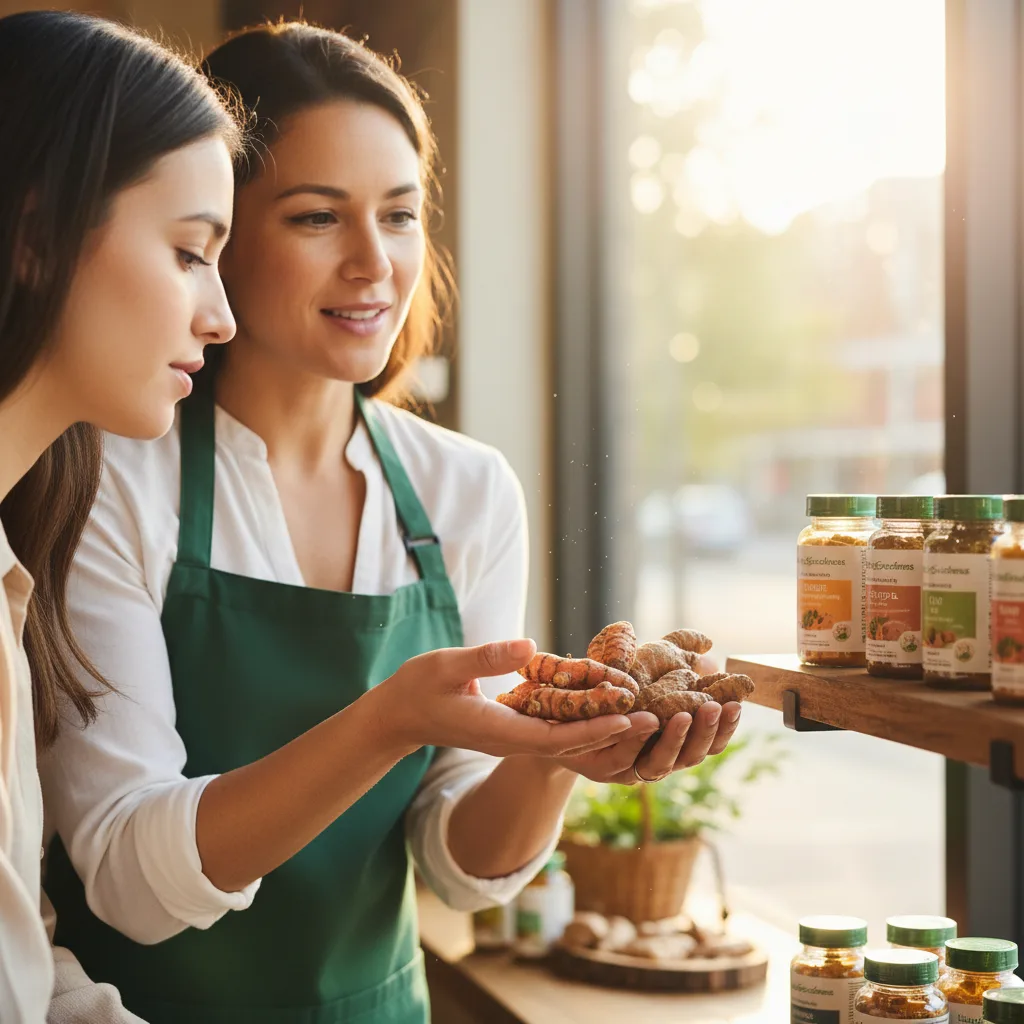
The retail shelf remains a critical touchpoint for shopper education. Shelf tags, hangers, and product callouts are perfect opportunities to weave transparency into the physical shopping experience.
Ways to showcase supplier transparency at the shelf:
- Origin Highlight: “Sourced from family farms in Peru—harvested by hand.”
- Sourcing Story Fact: “Single-origin moringa leaves; wildcrafted from sustainable forests.”
- Certification Snapshot: “Tested for purity by third-party labs—see QR code for certificate.”
Linking shelf information to deeper stories online (via QR codes or URLs) supports informed decision-making, particularly for liquid extracts, powders, teas, and capsules where traditional sourcing is a key value. For example, Soursop Leaf Graviola Extract - - Organic 15X Liquid Extract - Cell Renew & Immunity showcases origin, farming method, and independent quality verifications for curious shoppers.
Social Media: Bringing Plant-Based Sourcing to Life
Shoppers are increasingly turning to digital channels for education and inspiration. Social media offers a dynamic platform to share supplier stories visually and with greater narrative context.
Social storytelling ideas:
- Behind-the-scenes content: Photos and videos from supplier sites, harvesting, or production
- Producer spotlights: Short profiles on farmers or cooperatives
- “Did you know?” series: Fun facts about specific sourcing or processing steps
- Interactive Q&A sessions: Allowing customers to ask sourcing or product questions
Transparency-driven posts empower eco-conscious and plant-focused customers to follow your journey and deepen their loyalty. A well-crafted story about Papaya Leaf Extract 16oz – Organic 15X Liquid Papaya Leaf Herbal Supplement can inspire engagement and foster connection long after the purchase.
In-Store Talks and Staff Training: Personalized Shopper Engagement
Curious shoppers value the opportunity to ask questions face-to-face. Staff who are well-versed in supplier transparency can provide reassurances and detailed insights to curious customers—transforming routine transactions into meaningful learning moments.
Recommended practices for in-store education:
- Train team members to communicate the basics of plant origin, farming method, and product testing
- Offer occasional “Meet the Maker” or supplier showcase events
- Create easy-to-read info cards with supplier highlights to use at counters
- Foster an open environment where customer questions are welcomed and valued
This approach positions the retailer or brand as an engaged, knowledgeable partner in plant-based wellness. For retailers looking to enhance team knowledge, resources like Personal Consultation with Herbalist or Health Coach can empower staff with deeper expertise.
Key Elements of Product Origin Stories for Shoppers
The Impact of Locale and Tradition
Where and how a plant is grown can affect both its story and its perceived value. Local stories—such as “harvested in the Amazon rainforest” or “from Sri Lankan family-tea gardens”—satisfy shopper curiosity and underscore commitment to authentic sourcing.
Relevant sourcing narrative details include:
- Climate and soil specifics on growing regions
- Multi-generational family farm involvement
- Traditional harvesting or preparation methods
- Partnership with local Indigenous or smallholder communities
Sharing these details helps shoppers feel connected to the cultural and environmental roots of what they purchase. A tea like Soursop Leaf Tea Graviola Leaves - Organic 24/2g Tea Bags - Immunity & Cell Renew communicates its place of origin and artisan methods straight from the source.
Certificates of Analysis: Supporting Quality Through Transparency
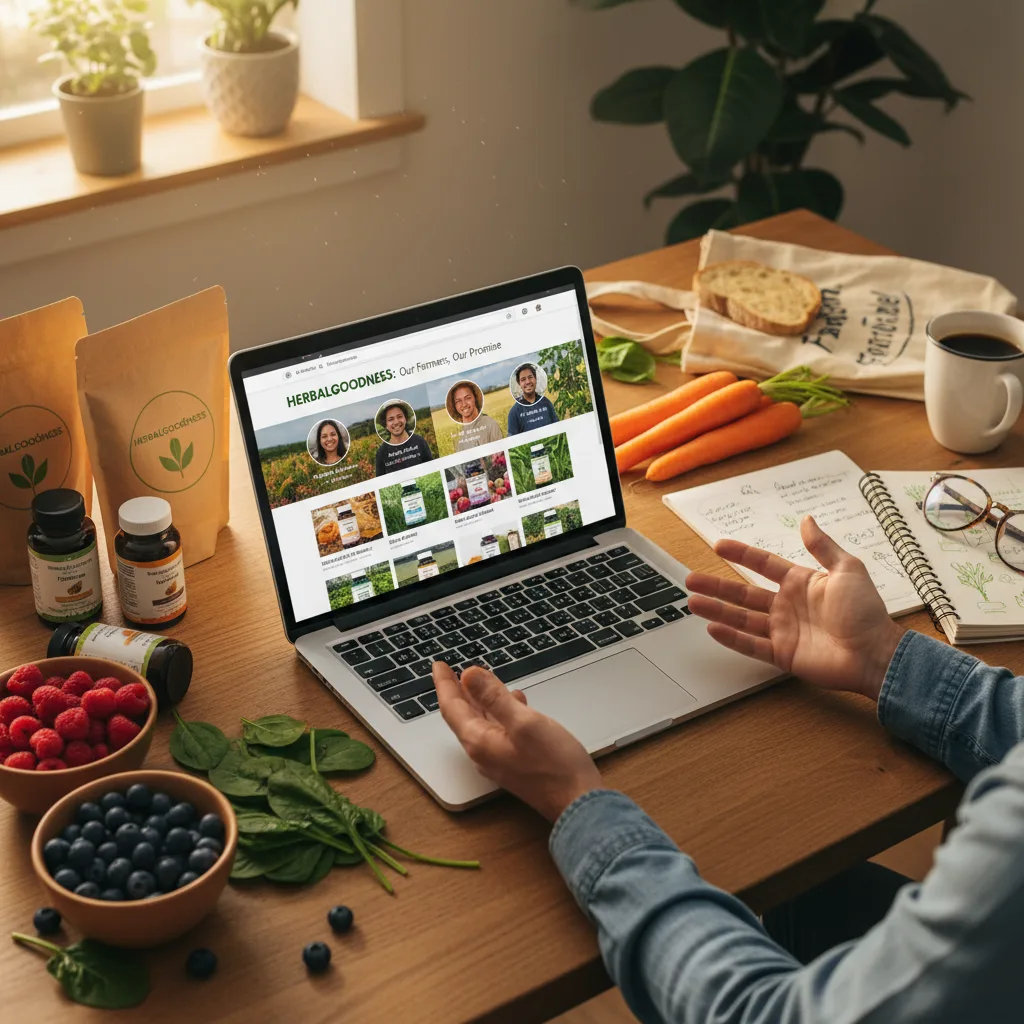
Laboratory analysis is a key way to validate quality, purity, and composition. While shoppers may not expect to read detailed COAs, referencing independent quality checks demonstrates a brand’s commitment to transparency.
Suggest including:
- Brief statements: “Every batch tested for composition and quality.”
- QR links to summary COA documents for those interested in specifics
- Basic explanations of common tests relevant for plant-based extracts, powders, and teas
This educational approach offers clarity without overpromising, reinforcing trust in plant-based products. For instance, Papaya Leaf Extract - Organic - 15X Liquid - Blood Platelet calls out its independent laboratory verifications as a mark of confidence.
Production Methods: Explaining the Journey from Plant to Product
Demystifying processing methods helps shoppers understand how sourcing steps support the integrity and appeal of the final product.
Retailers and brands can share:
- Key extraction processes used in liquid extracts or powders (e.g., water extraction, cold-processing)
- Packaging methods that preserve freshness and maintain plant compound levels
- Sustainability considerations in processing, such as minimal energy or zero-waste practices
Every detail tells a larger story about thoughtful stewardship, which increasingly resonates with ethically-minded shoppers. Shoppers can experience this transparency with Sea Moss - Raw Dried from St Lucia - 8oz Bag - Nature's MultiVitamins, proudly highlighting harvest location and artisanal drying methods.
Practical Ways to Share Supplier Transparency
Integrating Transparency at Every Touchpoint
Transparency thrives when woven into multiple facets of the shopper experience, rather than confined to packaging alone.
Actionable methods for retailers and small brands:
- Develop a sourcing “story section” on all product pages online
- Add shelf tags with clear, concise sourcing or certification information
- Equip staff with supplier fact sheets and conversation starters
- Host Q&A sessions or webinars about responsible sourcing
- Encourage suppliers to provide video or photographic documentation to enhance origin storytelling
These steps transform transactional shopping into an engaging, learning-centric journey for plant-based consumers. Even for Bulk Herbs & Roots Online for Tea, Tinctures & DIY Wellness - Organic 4oz Bags, transparency around harvest location and organic status can be shared both online and in-person.
Case Study Spotlight: Herbal Goodness and Supplier Storytelling
When brands like Herbal Goodness collaborate closely with their suppliers, they access firsthand knowledge of farming practices, provenance, and product journey. For example, sourcing teams may travel to farms or processing sites, gather stories, capture photos, and interview growers. Sharing these stories through shelf labels, digital content, and staff education not only informs, but also inspires interest in plant-based living.
Herbal Goodness places a strong emphasis on supplier transparency as a foundation for consumer education—without making any medical or performance claims. This approach helps bridge the gap between farm and customer, supporting confidence and curiosity.

Addressing Common Challenges in Communicating Supplier Transparency
While supplier transparency holds many benefits, it comes with specific communication hurdles. These can include:
- Complex language in supplier documents
- Information overload for shoppers
- Balancing clarity with compliance (avoiding claims forbidden by law)
Overcoming these challenges:
- Provide staff with plain-language summaries
- Break information into bite-sized, easy-to-digest content
- Use infographics or visuals on packaging and displays
- Avoid absolute statements or medical-adjacent language; focus on process and sourcing
Retailers and brands will find that respectful, honest transparency earns trust while fostering long-term loyalty among plant-based shoppers. Tools such as Papaya Leaf Extract Blood Support - 10X 60/450mg Capsules - Blood Platelet are great for demonstrating transparency—providing ingredient origins and safe processing details directly on product pages.
The Shopper’s Perspective: Why Supplier Transparency Matters
Today’s plant-based customer cares deeply about how their purchases impact their well-being, the environment, and global supply chains. Transparent sourcing empowers them to:
- Align choices with personal and ethical values
- Learn about the origins and stewardship of what they consume
- Feel confident that brands and retailers honor their need for informed, responsible options
By centering supplier transparency in educational outreach, retailers and brands encourage partnerships with engaged, values-driven shoppers. Even the process for producing Moringa Leaf Extract - Organic 15X Liquid Extract - Immunity & Wellbeing is shared with shoppers to encourage trust and positive change in the industry.
Want to bring more transparent, ethically sourced plant-based products into your store or brand lineup?
Click here to fill our form.
Conclusion: Building Trust Through Transparent Plant-Based Storytelling
Integrating supplier transparency into every aspect of retail—on the shelf, online, and in person—transforms the act of shopping into a journey of discovery. Clearly articulated sourcing and production information fosters confidence, engagement, and respect between retailers, brands, and plant-based shoppers alike. When you share authentic supplier stories and sourcing details, you support a more thoughtful, deeply connected retail experience.
FAQs:
- How does supplier transparency help plant-based shoppers make informed decisions?
Supplier transparency allows shoppers to access clear information about product origins, farming practices, and composition. By understanding where and how plant-based items are sourced and produced, shoppers can confidently choose options that align with their values and expectations.
- What types of supplier information are most valuable for shopper education?
Key supplier information includes origin stories, sustainable farming practices, independent certifications, certificates of analysis, and details about processing or extraction. These elements help shoppers appreciate the journey from plant to finished product.
- How can retailers communicate supplier transparency in-store?
Retailers can showcase transparency through clear shelf tags, info cards, or QR codes linking to sourcing details. Staff training and occasional in-store talks further allow for personalized education and deeper shopper engagement.
- Why is storytelling important in plant-based retail transparency?
Storytelling personalizes the shopping experience, connects shoppers to the origin of plant-based products, and supports understanding of responsible sourcing. Story-driven transparency increases shopper trust and loyalty in today’s retail landscape.
- How do social media and digital content support supplier transparency?
Social media brings supplier stories to life with visuals and behind-the-scenes content. Digital storytelling expands reach, allows for interactive Q&A, and further educates shoppers on sourcing and production in a format they regularly engage with.
- What can brands do to make technical supplier information accessible to shoppers?
Brands can simplify supplier documents into key facts, use visuals, and avoid jargon. Summarized highlights make the information understandable and easy for staff to communicate and shoppers to absorb.
Author Name:
Herbal Goodness Editorial Team
Author Bio:
The Herbal Goodness Editorial Team specializes in holistic health and superfoods, blending science and nature to educate and empower our community.
References:
Introducing Graviola to Young Taste Buds: Fun, Family-Friendly Flavor Exploration
Why Social Impact Matters in Plant-Based Wellness
Share this
Popular posts


FAQs
1. What are the main benefits of drinking bamboo leaf tea?
Drinking bamboo leaf tea supports hydration, relaxation, skin wellness, and antioxidant balance.
2. What is bamboo leaf extract used for?
It’s used for general body wellness, skin elasticity, hair and nail support, and overall vitality.
3. Can bamboo leaf help with skin care and body wellness?
Yes, bamboo leaf is rich in silica and antioxidants, which promote healthy skin, strong nails, and a youthful glow.
4. What forms of bamboo leaf are available?
You can find dried bamboo leaf, powder, extract, drops, oil, and bamboo leaf green tea.
5. Are there any side effects of bamboo leaf?
Bamboo leaf is generally safe when consumed in moderation. Always consult your healthcare provider before starting any new herbal supplement.