





Soursop (Graviola) Bitters: A Botanical and Cultural Primer
Discovering Soursop: Nature’s Bitter Botanical Gem
Curious about what makes soursop (Annona muricata)—also called graviola—a valued ingredient in the world of herbal bitters? This in-depth guide will introduce you to soursop’s remarkable journey from tropical folklore to contemporary botanical blends. Whether you’re new to bitters or a seasoned herbal explorer, dive in to savor the story, the science, and the nuanced taste of soursop.
The Soursop Plant: Origins and Identity
Soursop belongs to the Annonaceae family and flourishes naturally in the warm tropics of the Caribbean, Central America, and northern South America. Known locally as graviola, guanábana, or even Brazilian paw paw, this small evergreen tree typically reaches up to 30 feet tall and is notable for its lush, glossy foliage and aromatic presence.
Soursop’s Global Journey
Over generations, soursop’s cultivation has expanded well beyond its ancestral lands. Today, the plant thrives in various parts of Africa, Southeast Asia, and the Pacific Islands, adapting to balmy environments that offer steady warmth and plenty of moisture.

Striking Botanical Features
- Leaves: Deep green, glossy, and measure between 4-8 inches—offering a telltale visual cue of soursop’s robust health.
- Fruit: Large and striking—sometimes up to 12 inches—with an oblong shape, gentle spines, and white, fibrous pulp enveloping dark seeds.
- Flowers: Aromatic and waxy, the plant’s yellow-green blooms lend a fragrant presence to tropical gardens.
No matter the setting—from wild groves to cultivated home landscapes—these hallmarks make soursop instantly recognizable to herbalists and foragers alike.
Soursop’s Bitter Heritage Across Continents
Bitters have long been central to traditional herbal practices worldwide, with roots, leaves, barks, and seeds prized for their distinctive flavors and well-established uses. Soursop—while lesser known in some Western bitters apothecaries—has been at the heart of botanical traditions for centuries across the Americas, Africa, and Southeast Asia.
Cultural Applications
- Caribbean & South America: Soursop’s leaves, bark, and fruit are a staple in teas, juices, and fermented tonics. Herbalists turn to these parts for their complex taste and historical value in local remedies.
- West Africa: Here, soursop is valued for both its sweet fruit and its bitter-tasting medicinal leaves.
- Southeast Asia & Pacific Islands: Soursop’s delicate bitters are blended in refreshing drinks or paired with other botanicals for unique, regionally inspired preparations.
These traditions reflect just how deeply soursop is embedded in global herbal wisdom.
Tasting the Layers: Soursop’s Unique Flavor Profile
Part of what makes soursop so compelling is its layered taste experience. While the famed fruit offers a tropical, sweet-tart harmony—a fusion of strawberry, pineapple, and zingy citrus—the leaves, seeds, and bark deliver the unmistakable, earthy bitterness prized in bitters blends.
Soursop Taste Spectrum
- Fruit: Lush, aromatic, juicy with balanced sweetness and a refreshing tartness.
- Leaves: Offer a crisp bitterness, rounded out by herbal and green undertones.
- Bark & Seeds: Noted for more pronounced astringency and robust bitterness, these parts are less common in cuisine but vital to traditional bitters.
Thanks to this range, soursop stands out as a harmonious and versatile ingredient in both classic and contemporary herbal concoctions.
Preparing Soursop: Infusions, Tinctures, and Modern Extracts
From traditional infusions to modern capsules, soursop’s preparation methods continue to evolve, providing many entry points for today’s wellness seekers.
Crafting Potent Soursop Tinctures
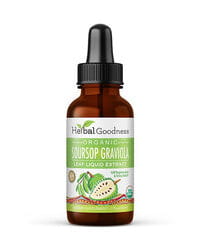
Tinctures remain a favorite for capturing soursop’s full spectrum of phytochemicals. By steeping soursop leaves, bark, or even fruit in alcohol or glycerin, herbalists extract a concentrated essence that’s both shelf-stable and easy to incorporate in daily routines. Products like Soursop Leaf Graviola Extract - Organic Liquid offer a modern solution with centuries-old roots.
Soursop Teas: A Timeless Approach
The simplicity of steeping soursop leaves into a hot infusion provides immediate access to its classic, grounded bitterness. Soursop Leaf Tea Graviola Leaves - 100% Organic allows for an authentic brewing experience—enjoyed neat or enhanced by other herbal companions.
Modern Innovations: Extracts and Powders
Herbal processing today brings high-potency extracts and finely ground soursop powders into the spotlight. These easy-to-use forms let you integrate soursop’s flavors and benefits into drinks, smoothies, or wellness protocols. Capsules like Graviola Soursop Leaf Extract Capsules – 10X Strength - 60/600mg appeal to those prioritizing convenience and consistency.

Exploring Soursop’s Phytochemical Complexity
Curious about the natural compounds that give soursop its celebrated qualities? Numerous studies reveal a diverse array of phytochemicals in this plant, providing rich possibilities for herbal blending.
Key Compounds in Soursop (Graviola)
- Acetogenins: Distinct to the Annonaceae family, highly concentrated in soursop’s leaves and seeds.
- Alkaloids: A varied group contributing to the plant’s characteristic flavor.
- Phenolic Compounds: Including antioxidants such as flavonoids, these enhance both taste and color.
- Tannins: Responsible for astringency, especially in leaves and bark.
- Essential Oils: Underpinning both aroma and flavor through terpenes and other volatile substances.
Sampling products like Soursop Leaf Tea Graviola Leaves - 100% Organic allows enthusiasts to appreciate these layers of complexity with each brew.
Soursop’s Place in Modern Herbalism and Bitters Culture
As interest in botanicals surges in the U.S. and beyond, soursop’s legacy evolves to meet both tradition and modern demand. Innovative blends and research-based exploration fuel a renewed fascination with bitters, and soursop fits right in.
- Customized Bitters Blends: Soursop is increasingly chosen to provide a tropical nuance to home-crafted and professional bitters recipes.
- Bitters in Mixology and Wellness: From craft cocktails to herbal tonics, the unique notes of soursop are winning over new audiences.
- Evidence-Informed Practice: Modern preparation uses both ancestral knowledge and up-to-date research, creating products that are safe, effective, and thoughtfully made.
Interested in effortless experimentation? Graviola Soursop Leaf Extract Capsules – 10X Strength - 60/600mg simplify your introduction to soursop in a controlled, easy-to-dose form.
Embracing Soursop: A Botanical Classic for Today and Tomorrow
Soursop (graviola) continues to stand out in the world of bitter botanicals, uniting time-tested heritage with contemporary curiosity. With aromatic flavor, tropical origins, and multifaceted phytochemistry, it’s no wonder soursop is cherished by herbalists and culinary explorers alike. Whether enjoyed as soursop tea, layered into a tincture, or used in innovative wellness blends, this plant invites you to rediscover the global bitters tradition through a fresh, nuanced lens.
Author: Herbal Goodness Editorial Team
Bio: Specialists in holistic nutrition, the Herbal Goodness Editorial Team is dedicated to empowering the community with educational insights into superfoods and the natural world.
References:
- NCBI – Annona muricata: A Comprehensive Review
- American Botanical Council – Soursop Monograph
- Ethnobotany of Soursop (Graviola) – Plants For A Future
FAQs:
- Where does soursop (Annona muricata) naturally grow?
Soursop is native to the Caribbean, Central America, and northern South America. Today, it’s also widely cultivated in Africa, Southeast Asia, and Pacific Islands due to its adaptability to warm, humid climates.
- How is soursop commonly used in traditional herbal practices?
Traditionally, soursop leaves, bark, and fruit are used to prepare teas, tinctures, and extracts in many cultures, particularly across the Caribbean, South America, Africa, and Southeast Asia.
- What flavor profile does soursop offer in bitters blends?
The fruit brings a sweet-tart, tropical taste, while the leaves and bark lend a vegetal, earthy bitterness with subtle astringency—making soursop an intriguing addition to both sweet and bitter formulations.
- What are popular preparation forms of soursop today?
Soursop is most often enjoyed as leaf teas, alcohol or glycerin-based tinctures, extracts, and convenient capsules or powders, suitable for various modern wellness preferences.
- What major phytochemicals are present in soursop?
Research has identified acetogenins, alkaloids, phenolic compounds (including flavonoids), tannins, and volatile essential oils in soursop.
- Can soursop be used in modern bitters and wellness recipes?
Absolutely! Soursop is valued for its unique taste and phytochemical profile, making it an excellent choice for custom bitters blends and natural wellness routines.
Ready to experience the diverse world of soursop? Shop our selection of premium soursop teas, extracts, and herbal blends, or explore our rich library of educational guides on botanicals. Begin your wellness journey with Soursop Leaf Graviola Extract - Organic Liquid, Soursop Leaf Tea Graviola Leaves - 100% Organic, or Graviola Soursop Leaf Extract Capsules – 10X Strength - 60/600mg to discover this treasured tropical bitter for yourself!
Author Name:
Introduction: Understanding Soursop (Graviola) as a Bitter Botanical
Soursop (Annona muricata), also known as graviola, has steadily grown in popularity as a key player in botanical bitters traditions around the globe. With its vibrant green skin, soft spiny exterior, and unique flavor, this tropical plant is steeped in folklore and traditional uses. But what exactly makes soursop a sought-after bitter, and how does it fit into the rich, global history of bitter herbs? This primer unpacks the basics, providing an approachable, well-structured look at soursop bitters for curious beginners and seasoned herbalists alike.
Botanical Identity: The Soursop Plant Explained
Soursop belongs to the Annonaceae family and is native to the warm, humid regions of the Americas. Also called graviola, guanábana, or Brazilian paw paw, the plant is a small evergreen tree that can reach up to 30 feet in height. Its broad, glossy leaves, large heart-shaped fruit, and fragrant white flowers are distinctive hallmarks of this species.
Geographic Roots and Distribution
Soursop’s origins trace back to the tropical areas of the Caribbean, Central America, and northern South America. Over the centuries, the plant has been cultivated and naturalized in parts of Africa, Southeast Asia, and the Pacific Islands, adapting well to regions with consistent rainfall and warm temperatures.
Botanical Characteristics
- Foliage: Shiny, dark green leaves measuring 4-8 inches in length
- Fruit: Large (up to 12 inches long), oblong, covered in soft spines, and containing white, juicy, fibrous pulp around black seeds
- Flowers: Waxy, yellowish-green, and highly aromatic
This combination of features makes soursop a standout in any setting, from wild-growing groves to home gardens across the tropics.
Soursop in the Tradition of Bitters: A Global Perspective
Bitter-tasting plants have formed the backbone of herbal traditions for centuries. Across Europe, Asia, Africa, and the Americas, roots, barks, seeds, and leaves are commonly used to create extracts, teas, and tonics. Soursop, though less known in Western bitters formulas, has a well-established presence in traditional medicines and culinary preparations in the regions where it grows.
Historical and Regional Uses
- Caribbean & South America: Soursop leaves, stems, bark, and fruit have long been steeped in local herbal practices. Leaves are often brewed into teas, while the fruit is eaten fresh, juiced, or fermented into beverages.
- West Africa: The plant is cultivated for both its fruit and as a bitter leaf addition to folk remedies.
- Southeast Asia & Pacific Islands: Popular as a refreshing drink, soursop is sometimes incorporated into herbal combinations as a cleansing or tonifying bitters component.
These cross-cultural uses illustrate how flexible and deeply rooted soursop’s role is in the global landscape of bitter botanicals.
Soursop’s Flavor Profile: A Nuanced Taste Experience
Soursop offers a multi-layered flavor experience. The fruit itself is best known for its sweet-tart, tropical taste, sometimes likened to a blend of strawberry, pineapple, and sour citrus. However, the leaves, bark, and seeds—which are more relevant to bitters and herbal preparations—offer a nuanced, distinctly bitter profile with vegetal, grassy, and slightly astringent notes.
Tasting Notes
- Fruit: Juicy, aromatic, sweet-tart with underlying sourness
- Leaves: Bitterness with mild earthiness and green herbal tones
- Bark and Seeds: More pronounced astringency and bitterness, less commonly used in culinary contexts due to their intensity
This range of flavors allows soursop to work harmoniously alongside both sweet and strongly bitter herbs in traditional bitters blends.
Modern Preparation Methods: Tinctures, Teas, and Extracts
Soursop’s versatility shines through in the various ways it is prepared and enjoyed across cultures. Modern herbalists and enthusiasts have adapted age-old methods to suit contemporary lifestyles.
Soursop Tinctures
Tinctures are liquid extracts created by soaking soursop leaves, bark, or fruit in alcohol or glycerin. This process draws out the plant’s phytochemicals, resulting in a concentrated, shelf-stable preparation. Soursop Leaf Graviola Extract - Organic Liquid offers a convenient way to access these compounds in a modern format. Soursop tinctures are typically used in very small amounts, either alone or as part of a custom bitters formula.
Soursop Herbal Teas
Steeping dried or fresh soursop leaves in hot water is perhaps the most accessible and traditional way to consume this botanical. Soursop Leaf Tea Graviola Leaves - 100% Organic captures the authentic, earthy bitterness prized in classic herbal teas. Teas can be sipped plain or blended with other complementary herbs to balance bitterness, aroma, and therapeutic qualities.
Extracts and Powders
Advancements in herbal processing have also led to water- or alcohol-based extracts and finely milled soursop powders. These are frequently marketed for convenience, allowing users to mix them into drinks, smoothies, or even culinary recipes. Choosing potent sources such as Graviola Soursop Leaf Extract Capsules – 10X Strength - 60/600mg combines ease of use with consistent quality for daily routines.
A Plain-Language Look at Soursop’s Phytochemical Profile
While soursop’s uses in folk medicine are numerous, an objective, neutral summary of the key plant compounds present in soursop is essential for a well-rounded understanding. Here is what researchers have identified in soursop, presented without health or medical claims:
Major Phytochemicals Found in Soursop (Graviola)
- Acetogenins: A unique class of compounds found primarily in the Annonaceae family, particularly concentrated in soursop leaves and seeds
- Alkaloids: Diverse organic compounds with a characteristic nitrogen atom, present in various parts of the plant
- Phenolic Compounds: Including flavonoids, which are antioxidants that contribute to the plant’s flavor and color
- Tannins: Astringent compounds that may play a role in the plant's taste profile, especially in the bark and leaves
- Essential Oils: Contributing to both aroma and flavor, consisting of a mix of terpenes and other volatile constituents
Some choose Soursop Leaf Tea Graviola Leaves - 100% Organic or soursop extract to experience the characteristic flavor and aroma contributed by these natural compounds.
Understanding these compounds helps explain soursop’s complexity and the interest in it as a botanical ingredient for bitters and herbal brews.
Soursop Bitters in Contemporary Herbalism
With the worldwide resurgence of herbal wellness, soursop bitters continue to find a home in modern practice. Blending tradition with science, herbalists now draw on ancestral knowledge, updated preparation methods, and improved sharing platforms to educate a new generation about the virtues of botanicals like soursop.
- Custom Bitters Blends: Soursop works as a subtle, balancing component in bitters formulas, ideal for those seeking a tropical twist in their botanical brews.
- Interest in Bitters Culture: From sophisticated cocktails to simple wellness tonics, bitter herbs, including soursop, are experiencing renewed appreciation for their flavor and historic significance. Adding Soursop Leaf Graviola Extract - Organic Liquid to modern blends can provide this sought-after taste.
- Research-Informed Approaches: Contemporary use is guided by both cultural tradition and growing phytochemical research, allowing for more nuanced and informed preparation techniques.
For those new to bitters culture, Graviola Soursop Leaf Extract Capsules – 10X Strength - 60/600mg make exploring these traditions both accessible and simple.
Conclusion: Soursop’s Lasting Place Among Bitter Botanicals
Soursop (graviola) offers a unique bridge between traditional bitters lore and modern herbal exploration. Its aromatic flavor, botanical origins, and intriguing phytochemistry make it a favorite for those seeking to expand their palette of bitter herbs. Whether sipped as soursop tea, mixed into a tincture, or tasted as part of a regional specialty, soursop stands out as a culturally rich and botanically fascinating plant—a true ambassador of the world’s bitters tradition.
FAQs:
- What is the botanical name for soursop, and where does it grow?
The botanical name for soursop is Annona muricata. It is native to the Caribbean, Central America, and northern South America, but is also grown in Africa, Southeast Asia, and the Pacific Islands.
- How is soursop traditionally used as a bitter herb?
Soursop leaves, bark, and fruit are traditionally used to make teas, tinctures, and extracts in Caribbean, South American, African, and Southeast Asian cultures, often as part of herbal wellness or culinary recipes.
- What does soursop taste like compared to other bitters?
Soursop fruit is sweet-tart and aromatic, while the leaves and bark used in bitters preparations have a mild to pronounced vegetal bitterness, differing from intensely bitter herbs like gentian.
- What are the most common forms of soursop preparations?
Soursop is most commonly prepared as teas using the leaves, tinctures made with leaves or bark, and extracts or powders from various plant parts.
- What types of phytochemicals are present in soursop?
Researchers have identified acetogenins, alkaloids, phenolic compounds (such as flavonoids), tannins, and essential oils in soursop.
Ready to explore soursop bitters for yourself? Discover top-quality soursop teas, tinctures, and botanical blends in our shop, or dive deeper into traditional herbal wisdom with our educational resources. Enhance your wellness journey with the world’s most fascinating bitter botanicals!
Author Name:
Herbal Goodness Editorial Team
Author Bio:
The Herbal Goodness Editorial Team specializes in holistic health and superfoods, blending science and nature to educate and empower our community.
Referrences:
National Center for Biotechnology Information – Annona muricata: A Comprehensive Review
American Botanical Council – Soursop Monograph
Ethnobotany of Soursop (Graviola) – Plants For A Future
Author Bio:
Herbal Goodness Editorial Team


FAQs
Drinking bamboo leaf tea supports hydration, relaxation, skin wellness, and antioxidant balance.
It’s used for general body wellness, skin elasticity, hair and nail support, and overall vitality.
Yes, bamboo leaf is rich in silica and antioxidants, which promote healthy skin, strong nails, and a youthful glow.
You can find dried bamboo leaf, powder, extract, drops, oil, and bamboo leaf green tea.
Bamboo leaf is generally safe when consumed in moderation. Always consult your healthcare provider before starting any new herbal supplement.