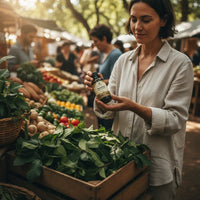
Soursop Bitters Online: How to Read Flavor, Concentration, and Label Descriptions

Shopping for soursop bitters online opens up a world of botanical possibilities, but it can also present a challenge: deciphering the array of descriptive terms, concentration ratios, and label language found across different listings. Whether you’re drawn to soursop for its tropical flavor or its long-standing place in herbal traditions, understanding what’s actually inside the bottle—beyond the marketing language—makes all the difference in selecting the product that aligns with your expectations and values. This guide is designed to empower you with the knowledge to confidently compare listings, flavor notes, extraction processes, and packaging standards for soursop bitters, all while navigating common industry jargon with assurance.
Understanding Soursop Bitters Flavor Descriptions
Online product descriptions often include a range of tasting adjectives to help you imagine what a given soursop bitters might offer your palate. But what do terms like "earthy," "tropical," or "herbal notes" truly mean when applied to plant-based bitters?
Common Flavor Terms Explained
- Earthy: Indicates a grounding, sometimes slightly woody base flavor drawn from soursop’s pulp or leaf. This often pairs with subtle bitterness typical of plant extracts.
- Tropical: Suggests the presence of light, invigorating soursop fruit accents—think gentle sweetness and citrus undertones rather than sugary intensity.
- Bittersweet: A balance of mild bitterness (from plant compounds) and a hint of natural sweetness, common for soursop bitters that emphasize both peel and fruit extract.
- Herbal: Highlights fragrant, green notes, sometimes indicating the infusion of leaves or additional botanicals alongside soursop.
When reviewing these flavor notes, you may notice that some products also utilize both fruit and leaf extracts for a more layered profile. For example, the Soursop Bitters 15X Liquid Extract – Organic Soursop Leaf Detox & Wellness Support balances earthy and herbal notes, offering a classic bittersweet finish.
Checking for Added Flavors and Sweeteners
Carefully read descriptions to see if any flavor claims are supported by ingredient lists. Words like "pure," "unsweetened," or "from whole fruit" signal minimal additions, while "flavored" or "enhanced" often indicate extra elements creating a more complex or layered experience. This distinction is also important when comparing options that include added botanicals for further functional support, such as Papaya Leaf Extract 16oz – Organic 15X Liquid Papaya Leaf Herbal Supplement, which features a clean label and ingredient transparency.
Decoding Concentration and Extraction Ratios in Soursop Bitters
If you encounter terms like 1:2 extract or statements about concentration, you’re seeing language meant to communicate the strength—or botanical density—of the bitters you’re considering. Here’s how to make sense of these numbers and what they mean for your selection.
How to Interpret Common Extraction Ratios
- 1:1 Extract: This means 1 part soursop plant matter was used for every 1 part solvent (often water, alcohol, or glycerin) to produce the finished extract. Generally, this represents a relatively strong extract.
- 1:5 or Higher: A 1:5 extract uses 1 part plant to 5 parts solvent, yielding a milder concentration. The higher the second number, the less concentrated the final product.
The Soursop Leaf Graviola Extract - - Organic 15X Liquid Extract - Cell Renew & Immunity is a good example of a highly concentrated botanical, which can be helpful for those seeking robust extract strength.
What "Concentrated" and "Standardized" Mean
- Concentrated: This describes a product with a higher-than-usual amount of soursop per serving. Always look for accompanying details, such as the ratio or serving suggestion, to identify exactly how strong the formula is.
- Standardized: Indicates the bitters have been processed so each batch delivers consistent levels of certain soursop compounds. Standardization does not always communicate greater concentration, but rather batch-to-batch consistency.
Alcohol-Free and Glycerin-Based Bitters
Some listings promote alcohol-free soursop bitters—made with vegetable glycerin or water as a solvent instead of alcohol. If this matters to you, check the extraction method in the product’s detailed description. Alcohol-free options can be gentler in flavor and often appeal to a wider range of tastes or lifestyles. Such choices include soursop or papaya extracts catering to alcohol sensitivities or flavor preferences.

Serving Guidance: Dosage and Use Suggestions
Online soursop bitters descriptions frequently outline suggested serving sizes, which may appear as “drops,” “mL,” or “teaspoon per day.” Here’s how to use this information to compare products or plan your purchase.
Assessing Serving Size Information
- Drops: Typical dosing for bitters ranges from several drops to a full dropper—check if the product defines “full dropper” as a specific milliliter amount for clarity.
- Milliliters (mL): Some brands specify serving as 0.5–2 mL per use. This makes side-by-side comparison easier if other listings cite mL as well.
- Servings per Bottle: Multiply the listed serving size by the total volume to confirm how many servings you get—helpful in evaluating price and supply.
Choosing a large format such as Soursop Leaf Tea Graviola Leaves - Organic 24/2g Tea Bags - Immunity & Cell Renew can offer a clear sense of servings per package, assisting you in making a budget-friendly, informed decision.

Subtle Factors: Strength vs. Taste
A more concentrated extract may call for fewer drops per serving, resulting in a stronger taste experience. Milder products may recommend a larger serving, making the liquid less intense but requiring more per use.
Interpreting Packaging and Labeling Cues
When reading soursop bitters online listings, packaging language gives subtle but valuable insight into sourcing standards and formulation philosophy.
Reading Label Language
- “Pure” or “100% Soursop” often indicates minimal ingredients beyond soursop and solvents.
- “Alcohol-Free” signals a preference for glycerin- or water-based extracts—sought after by those sensitive to alcohol or flavor differences.
- “No Artificial Preservatives or Flavors” reassures you about product transparency and a clean ingredient approach.
- “Vegan” or “Plant-Based” labels indicate suitability for plant-forward lifestyles. Always double check ingredient lists for full clarity.
In some specialized formulations, you’ll notice language like “immunity & cell renew” or “detox & wellness support.” This labeling aligns with the health-based priorities of Soursop Bitters Graviola Extract - 120/1000mg Capsules - Immunity & Wellbeing, clearly labeling intended function and serving details for optimal usability.
Country of Origin and Sourcing
Some online descriptions proudly mention “harvested in” or “grown in” specific regions, signaling pride in ingredient sourcing. Soursop is native to tropical regions; look for information on farming practices or certifications if quality sourcing is a top consideration.

Comparing Extraction Methods in Soursop Bitters
Extraction method—the process used to draw botanical compounds from soursop into a consumable liquid—can greatly influence flavor and concentration.
Types of Extraction Often Listed
- Alcohol Extraction: The most common method. Alcohol acts as a solvent for drawing out a broad spectrum of soursop’s natural components, resulting in a robust and shelf-stable extract.
- Glycerin Extraction: Glycol-based extracts offer a sweeter profile and are naturally alcohol-free. Glycerin’s mildness makes it appealing for sensitive tastes.
- Water Extraction: Less common but suitable for those seeking the lightest taste experience. Often paired with refrigeration requirements for freshness.
Evaluating Extraction Claims
Assessing how the extract was made helps you predict your experience:
- Does the listing specify extraction details? If not, seek out supplemental label images or manufacturer notes for clarity.
- Are traditional or proprietary methods cited? Some brands tout unique extraction styles, sometimes called “cold-pressed,” “slow-steeped,” or “whole plant infusion.” These methods may emphasize preservation of sensitive plant notes or flavor purity.
Practical Tips to Shop Soursop Bitters Online With Confidence
Simplifying your comparison process can help you sift through marketing terms and find a match that fits both your palate and your principles.
Key Steps for Evaluating Online Listings
- Match Flavor Descriptions to Your Preferences: Are you seeking tropical brightness or a subtler herbal note? Prioritize listings whose adjectives align with your taste style.
- Compare Extract Ratios: Use extraction ratios to decide between bolder, concentrated experiences and lighter, easier sips.
- Review Ingredient Transparency: Look for full ingredient lists and check for additional botanicals, flavorings, or sweeteners.
- Check Serving Guidance: Ensure recommended serving sizes suit your usage style—if you plan to use bitters regularly, note the number of servings per bottle.
- Evaluate Packaging and Sourcing Language: Consider what values (clean ingredients, sustainable sourcing, alcohol-free preferences) are most important to you, and seek out listings that communicate those priorities clearly.
For anyone who appreciates easy flexibility or alternate herbal options, pairing your choice of soursop product with plant-based allies like Papaya Leaf Extract - 1oz - Organic - 15X Liquid - Blood Platelet can further personalize your approach to daily wellness.
When Is Brand Mention Important?
For those specifically concerned with extraction quality and plant sourcing, established brands like Herbal Goodness may highlight their commitment to clean, plant-based formulations and responsible labeling. If a brand’s sourcing philosophy, transparency, or ingredient standards matter to you, look for specific statements about third-party testing, sustainable farming, or plant-to-bottle processes in the product description. The Soursop Leaf Graviola Extract stands out for communicating these ethics clearly in its listing.
A Note on Serving Use and Botanicals
Soursop bitters are most commonly enjoyed in small, measured servings—often as a flavorful supplement to a conscious lifestyle, or used in mixology. Carefully review use suggestions to ensure a pleasant and balanced experience that suits your personal preferences.
FAQ: Decoding Soursop Bitters Online Descriptions
What does a 1:2 or 1:5 ratio mean on soursop bitters labels?
A 1:2 ratio indicates one part soursop is extracted in two parts solvent (alcohol, water, or glycerin), showing a more concentrated product than a 1:5 ratio, which uses more solvent for a milder result.
How can I tell if soursop bitters are alcohol-free?
Look for terms such as “alcohol-free” or mentions of glycerin- or water-based extraction methods. The ingredient list should not include alcohol if the bitters are alcohol-free.
Are added flavors or sweeteners commonly used in soursop bitters?
Depending on the brand, some soursop bitters are pure, while others add flavors or sweeteners. Reading the ingredient list or product description will clarify this detail.
What does "standardized" mean in online listings for soursop bitters?
It refers to a consistent amount of botanical compounds in each batch, ensuring the bitters maintain a similar flavor and concentration every time.
How important is it to consider the country of origin?
Country of origin can impact your choice if you prioritize certain growing standards or regional qualities in your botanicals. Some listings highlight their source region for added transparency.
Is there an ideal serving size for soursop bitters?
Serving size varies by product concentration and formulation. Check the recommended serving in the description and choose what matches your usage preferences.
Why do some soursop bitters list both fruit and leaf in the ingredients?
Some formulations utilize both soursop leaf and fruit for a more complex flavor profile and a wider variety of natural plant notes. Ingredient lists help clarify what’s included.
Ready to Explore Soursop Bitters With Confidence?
Understanding the language of online listings makes it easier to select the right soursop bitters for your personal tastes and values. Take your time, review each description closely, and feel empowered to make informed, thoughtful choices on your wellness journey.
FAQs:
- What does a 1:2 or 1:5 ratio mean on soursop bitters labels?
A 1:2 ratio indicates one part soursop is extracted in two parts solvent (alcohol, water, or glycerin), showing a more concentrated product than a 1:5 ratio, which uses more solvent for a milder result.
- How can I tell if soursop bitters are alcohol-free?
Look for terms such as “alcohol-free” or mentions of glycerin- or water-based extraction methods. The ingredient list should not include alcohol if the bitters are alcohol-free.
- Are added flavors or sweeteners commonly used in soursop bitters?
Depending on the brand, some soursop bitters are pure, while others add flavors or sweeteners. Reading the ingredient list or product description will clarify this detail.
- What does "standardized" mean in online listings for soursop bitters?
It refers to a consistent amount of botanical compounds in each batch, ensuring the bitters maintain a similar flavor and concentration every time.
- How important is it to consider the country of origin?
Country of origin can impact your choice if you prioritize certain growing standards or regional qualities in your botanicals. Some listings highlight their source region for added transparency.
- Is there an ideal serving size for soursop bitters?
Serving size varies by product concentration and formulation. Check the recommended serving in the description and choose what matches your usage preferences.
- Why do some soursop bitters list both fruit and leaf in the ingredients?
Some formulations utilize both soursop leaf and fruit for a more complex flavor profile and a wider variety of natural plant notes. Ingredient lists help clarify what’s included.
Author Name:
Herbal Goodness Editorial Team
Author Bio:
The Herbal Goodness Editorial Team specializes in holistic health and superfoods, blending science and nature to educate and empower our community.
References:
Introducing Graviola to Young Taste Buds: Fun, Family-Friendly Flavor Exploration
Graviola in the Classroom and at Home: Creative Activities to Teach Kids About Tropical Plants