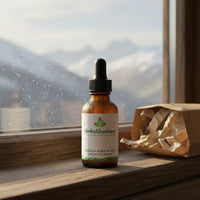
Rhodiola Through Time: Exploring Cultural Traditions, Uses, and Mountain Tinctures

Rhodiola rosea, often called the “golden root,” has journeyed through centuries, cultures, and mountaintops before arriving in the small glass bottles that intrigue today’s wellness seekers. The story of rhodiola is layered with ritual, heritage, careful harvesting, and a global trade that still shapes the premium mountain tinctures and organic drops on offer now. Exploring rhodiola through history not only deepens appreciation, but can help thoughtful shoppers make sense of the plant’s origins, authenticity, and unique value when looking to buy the best quality.
Rhodiola Across High-Altitude Cultures: Local Names and Early Practices
Roots in the Arctic Highlands and Central Asian Mountains
Rhodiola rosea thrives in some of the world’s harshest climates—Arctic slopes, Tibetan plateaus, Siberian fields, and high-altitude mountain ranges throughout Central Asia and Eastern Europe. These dramatic northern environments fostered reverence for rhodiola’s resilience among local cultures dealing with cold, wind, and altitude.
The plant goes by many names, reflecting its reach and deep integration: "roseroot" in Scandinavia, “arctic root” in Russia, “hong jing tian” in China, “sarayahosh” in Mongolia, and “orpin rose” in France, among others. Historically, local communities foraged the wild root and prized it for daily energy, endurance, and fortitude—attributes valued in harsh climates.
Traditional Harvesting and Preparation Methods
In Siberia and Mongolia, multigenerational harvesting knowledge ensured only mature rhodiola roots were dug, often at the end of summer when the compounds were at their peak. Roots would be sliced thin and dried in mountain air, then steeped in vodka, yak milk, or honey for traditional infusions—an early forerunner of today’s tincture formats.
These traditional rhodiola preparations were often reserved for seasonal festivals, epic journeys, or significant communal rituals marking seasonal transitions. The careful, labor-intensive process fostered a strong connection between people and plant, insuring sustainability and premium quality long before the idea of organic certification.
The Rituals and Cultural Traditions Behind Rhodiola Use
Symbolism in Community and Ceremonial Life
Rhodiola’s status in high-altitude societies extended far beyond the day-to-day. In Siberia, the root’s golden hue and floral scent earned its place in wedding ceremonies, where a rhodiola infusion was prepared for the bride and groom for "vitality" and harmony. In parts of Tibet, rhodiola was included in rare communal feasts and monastic rituals—seen as a connector between physical strength and spiritual clarity.
Oral Traditions and Folklore
Stories about rhodiola’s origins abound: Scandinavian sagas recounted Viking traders seeking it out before sea voyages, crediting it with stamina during long crossings. Mongolian legends wove tales of wild mountain healers gathering rhodiola under the full moon, believed to imbue it with even deeper natural properties. These oral traditions illustrate both the rarity of rhodiola and the care with which communities used its precious root. For those interested in how these deep-rooted traditions translate to plant wellness today, Mushroom Blend Organic 15X Extract | Adaptogen for Brain & Immunity captures a similar sense of adaptogenic heritage.
Historical Trade, Local Economics, and the Journey Toward Tinctures
From Local Forage to Cross-Continental Commerce
For centuries, rhodiola trade remained regional—wild-foraged roots bartered between neighboring tribes, or exchanged at seasonal markets for dried meats or fine wool. By the 19th century, as European explorers and botanists mapped remote territories, rhodiola’s renown began to spread across borders.
Motivated by reports of Siberian and Tibetan endurance, Russian traders began collecting rhodiola for delivery to imperial markets. Historic records from Saint Petersburg and Moscow mention the “arctic root” as a curiosity on apothecary shelves. By the early 20th century, roots and rhodiola tinctures—prepared according to local rites—were exported in small batches by rail or ship, forming the basis for today’s commercial herbal trade.
Impact on Modern Sourcing and Premium Quality
This rich heritage directly influences the standards demanded by mindful buyers today. Those seeking organic rhodiola tinctures or premium drops often look for traditionally wildcrafted sources—harvesting methods that echo Siberian and Tibetan practices. The focus on mature roots, careful drying, and respectful handling is a legacy of centuries-old mountain knowledge, reflected in quality certifications, traceability, and the rise of ethical trade partners like Herbal Goodness.

The Evolution of Rhodiola Tinctures: From Folk Infusion to Modern-Day Drops
Origins of Tincture Preparation
Folk infusions were the earliest rhodiola tinctures: roots steeped in locally available spirits or milk, stored over weeks to extract the plant’s valuable compounds. Nomadic peoples preferred these methods for their efficiency—preserving rhodiola when fresh root was unavailable and allowing for easy transport across tough terrain.
With the spread of glass production and trade routes in the 18th and 19th centuries, tinctures became more standardized. Apothecaries and home herbalists measured roots and solvents in exact ratios, experimented with honey or berry additions, and stored tinctures in sealed bottles. This set the stage for the premium organic drops available to order online today. Shoppers hoping to honor this legacy may find both history and quality in products like Rhodiola Root Organic Liquid Extract – Natural Adaptogen for Energy, Stamina & Stress Wellness | Buy Online.

Modern Organic Tinctures: What Sets Them Apart?
Today, consumers looking to buy the best quality rhodiola drops can draw direct lineage to the traditions of careful harvesting and precise extraction. Modern tinctures use organically grown or wildcrafted rhodiola, often sourced from certified high-altitude environments. Methods now involve food-grade alcohol or vegetable glycerin, providing a convenient, potent, and consistent product. Because of growing demand for purity and sustainability, third-party certifications validate sourcing—reassuring modern buyers who value ethical origins and the authenticity that echoes mountain traditions. Related adaptogenic liquids, such as Ashwagandha Root Liquid Extract | Organic – Stress, Energy & Mood, also reflect this move toward transparency and quality.

Cultural Differences That Influence Today’s Rhodiola Market
Regional Variation in Preparation and Taste
Tinctures from different regions still reflect local culture. Siberian-style rhodiola drops tend to be robust, using both root and floral elements for depth. Tibetan preparations might include natural yak butter or honey, while Scandinavian variations lean toward simplicity and clarity of flavor. These details matter for today’s discerning buyers, many of whom seek specific profiles when shopping for premium organic tinctures. For those who appreciate wildcrafted ingredients and wish to recreate traditional infusions, our Bulk Herbs collection can support personal herbal projects inspired by history.
Valuing Authenticity in a Globalized Marketplace
The global interest in rhodiola hasn’t erased cultural distinctions. Rather, modern brands like Herbal Goodness often partner with traditional harvesters to ensure time-honored methods remain central to harvesting and extraction. Consumers wishing to order rhodiola tinctures with a story can benefit from knowing where their drops originate, and how cultural legacy informs quality and flavor. In addition to rhodiola, products such as Moringa Leaf Extract 15X Liquid | Organic – Immunity & Total Wellbeing highlight connections to sustainable, culture-rich sourcing.
Rhodiola Tinctures Today: A Living Legacy to Shop and Savor
Understanding rhodiola’s long narrative—how rituals, folklore, and trade shaped the formats that now grace wellness shelves—adds depth to each purchase. For buyers considering best quality, organic rhodiola drops, appreciating the cultural journey from mountain root to crafted tincture inspires confidence in every order. The next time you shop or compare tinctures online, you can look beyond the bottle, tracing each drop back to windswept ridges and heritage-rich communities, where the story of rhodiola began.
FAQs:
- What are traditional methods of preparing rhodiola tinctures?
Traditional preparations involve steeping sliced rhodiola roots in local spirits or milk, using mountain air for drying, and often incorporating honey or yak butter. These methods, rooted in Siberian and Tibetan cultures, are echoed in premium organic rhodiola tinctures available for sale today.
- How has rhodiola’s cultural history influenced modern tincture quality?
Historical harvesting practices, such as selective wildcrafting, careful drying, and respect for plant maturity, set high standards for today’s best quality rhodiola tinctures. Modern products often honor these traditions for ethical sourcing and authenticity.
- Where can I find premium organic rhodiola tinctures inspired by traditional practices?
You can shop high-quality rhodiola tinctures from brands like Herbal Goodness, which focus on traditional sourcing, organic certification, and transparent trade, ensuring each product carries the legacy of mountain harvesting.
- What key factors should I look for when ordering rhodiola drops online?
Look for organic certification, clear sourcing information, traditional extraction methods, and premium quality markers. Reading about a brand’s cultural and harvesting commitments can help identify the best price and authentic tinctures for sale.
- How did rhodiola’s trade routes shape the tincture formats available today?
Historic trade across Eurasia shifted rhodiola from regional forage to an international commodity. This led to the standardization of tincture preparations, influencing modern dropper bottles crafted for today’s buyers seeking history-rich and effective products.
- Are regional variations in rhodiola tinctures important for buyers?
Yes. Regional differences in preparation techniques and flavor profiles reflect unique cultural traditions, helping buyers choose rhodiola drops that match their preferences for taste, origin, and authenticity.
- Why is the story behind rhodiola important when choosing which tincture to buy?
Knowing the cultural and historical context behind rhodiola tinctures helps buyers appreciate quality, ethical sourcing, and the living traditions that still inform the best organic drops available for sale.
Author Name:
Herbal Goodness Editorial Team
Author Bio:
The Herbal Goodness Editorial Team specializes in holistic health and superfoods, blending science and nature to educate and empower our community.
References:
Introducing Graviola to Young Taste Buds: Fun, Family-Friendly Flavor Exploration
Graviola in the Classroom and at Home: Creative Activities to Teach Kids About Tropical Plants