Rhodiola or Coffee? Morning Rituals, Sensory Differences, Formats, and Tips

Every morning brings a personal ritual—a way to greet the day and tune your mind for what’s ahead. If you find yourself choosing between familiar coffee and the botanical tradition of rhodiola, you’re not alone. Many now ask how plant-based options like rhodiola fit into daily routines, what differences to expect from coffee, and whether there’s a best approach to combine them. This guide explores the day-to-day realities: from sensory nuances and common product formats to practical, non-medical ways people integrate, track, and time rhodiola and coffee—helping you make an informed choice before you buy or shop for the best quality herbal options.
Understanding Morning Energy Rituals: Rhodiola Versus Coffee
Our mornings often anchor us to routines that shape our mindset and alertness. For decades, coffee has played the starring role—valued for its bold aroma, robust taste, and immediate sensory impact. Rhodiola, a resilient root from northern climates, offers a distinctly different plant-based experience rooted in tradition, with growing interest among those seeking an alternative or complement to coffee.
The Sensory Experience: Taste, Aroma, and Onset
- Coffee is known for its bitter richness, deep aroma, and unmistakable roasted profile. Most experience its effects within 15–30 minutes, given its caffeine content and fast onset.
- Rhodiola carries an earthy, slightly floral, even subtly tangy flavor—less bitter than coffee, but unique, especially in unsweetened teas or tinctures. The aromatic notes are milder, evoking a faint herbal freshness.
Because rhodiola is caffeine-free in its pure form, those using it report noticing a more steady, nuanced shift in clarity or calm alertness, often described as arising gradually rather than abruptly.
Rituals: Brewing, Blending, and Savoring
- Coffee rituals often involve grinding beans, brewing fresh, savoring the scent, or sharing conversation over steaming mugs.
- Rhodiola rituals might begin with steeping dried roots for herbal tea, measuring powdered blends into smoothies, or dosing a liquid extract under the tongue. Rhodiola’s adaptability means it can be slipped into morning water, combined with lemon, or even taken before light movement.
Many enjoy pairing these rituals: starting the day with a cup of rhodiola tea followed by a smaller serving of coffee, or alternating days to notice differences in focus and sensory experience.
Exploring Product Formats: Balancing Quality and Convenience
One of the most important steps when shopping for plant-based options is understanding how format influences your routine. Rhodiola is now widely available in several purchase-friendly options, each with unique preparation and sensory features.
Common Rhodiola Formats and How They Fit Different Routines
- Teas and Infusions: Dried or whole rhodiola root is steeped in hot water, yielding a gentle herbal flavor. Ideal for those seeking a mindful, slow-paced ritual or preferring warm beverages over capsules.
- Powders: Premium rhodiola powders mix easily into smoothies, juices, or yogurt. This versatility is valued for busy mornings or when blending with other superfoods.
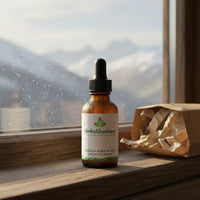
- Liquid Extracts (Tinctures): Concentrated rhodiola extracts offer convenience—a few drops under the tongue or into water. People who value speed, travel-friendly options, or custom dosage gravitate toward this format.
- Capsules/Tablets: For those who prioritize consistency and subtlety, shop for capsules. Capsules are tasteless, portable, and fit seamlessly into supplement routines where flavor is less critical.
Coffee, by contrast, is most familiar as whole beans, ground coffee, or single-serve brews, each with its own community of ritualists—many now exploring organic or premium beans for nuanced flavor profiles.
When choosing any format, consider sourcing transparency, organic certifications, and quality standards. Brands such as Herbal Goodness are valued by people who place an emphasis on testing standards, ethical harvesting, and consistent supply chains.

How People Track and Reflect on Personal Responses
Adopting a new morning practice—especially one involving herbal options like rhodiola—often inspires curiosity about personal patterns. Unlike the universal buzz of caffeine, individuals notice subtle differences in how rhodiola fits their day.
Simple Approaches to Tracking Experiences
- Journaling Rituals: Many keep short notes about their morning routine, logging details like time of use, the format chosen (tea, powder, extract), subjective feelings over 2–3 hours, and how alert or calm they felt through the morning.
- Sensory Checks: Some pose simple check-ins: noticing flavor, aroma, or how the ritual makes them feel. Was it grounding, uplifting, or neutral?
- Mindful Movement: Tracking can extend to how energy feels during morning stretches, walks, or mindful breathing. This helps reveal whether rhodiola supports sustainable clarity or if certain combinations (for example, liquid extract before yoga, coffee after) feel ideal.
Practicing mindful observation—rather than chasing dramatic effects—can help you identify the best quality practice tailored to your needs.

Practical Considerations: Timing, Pairing, and Blending
People naturally wonder: Should you use rhodiola instead of coffee, or can they be combined in the same morning routine? While both have a long standing in tradition, how and when you choose to introduce them can make a meaningful difference.
Approaches for Combining Rhodiola and Coffee
- Alternating Days: Some prefer rhodiola tea or capsules every other morning, swapping with coffee to observe personal preferences or support steady alertness throughout the week.
- Layered Rituals: Begin your day with a warm cup of rhodiola tea, space 30–60 minutes before your regular coffee—allowing you to experience both rituals’ sensory and mental effects without overlap.
- Blended Elixirs: For the adventurous, people sometimes blend rhodiola powder into a coffee or matcha latte base (always starting with small amounts to explore flavor impact and personal comfort).
- Timing with Movement and Hydration: Some find rhodiola pairs well with a glass of water and gentle stretching, then save coffee for a post-movement boost. This spacing approach helps identify which ritual best complements various morning tasks.
Sensory and Practical Tips Before You Buy or Order
- Start Small: With any new herb, begin with the lowest suggested serving, and note both taste and how you feel over a week before increasing.
- Observe Quality: When you shop or order rhodiola products, look for transparent sourcing. Certification for organic, third-party testing, and clear labeling can contribute to peace of mind about product quality and sustainability.
- Flavors and Blends: Pure rhodiola is earthy and can be an acquired taste, but many discover it pairs well with ginger, lemon, or mild green teas. Capsules or tinctures may appeal if you want benefits without the distinct flavor.
- Mindful Sourcing: Consider purchase options from brands that share detailed information about harvest regions, sustainability practices, and quality controls, such as Herbal Goodness.
- Adapt to Change: Your best morning practice may shift—some find seasonal changes or changing schedules affect which format feels right. Keep an open mind and adapt as needed.
Comparing Unique Qualities: Setting Personal Preferences
Choosing between rhodiola and coffee goes beyond ingredients—it's about defining the ritual that fits your mornings and mindset.
Coffee’s Ritual Strengths
- Familiar tradition, widely available and shareable
- Great for those drawn to robust flavors and a brisk onset of energy
- Offers a sense of connection: communal coffee breaks, local cafes, home brewing
Rhodiola’s Morning Invitation
- Brings a gentle, balanced energy for those sensitive to caffeine or seeking a softer start
- Tradition steeped in northern climates, with ceremonial value and rich folklore
- Versatile: can be included in teas, smoothies, or portable capsules
- May appeal for pairing with mindfulness, movement, or reflective practices
Anticipating Purchase Considerations: What Informed Shoppers Look for
If you’re preparing to buy rhodiola or coffee—or combine both—several qualities matter beyond flavor:
- Quality Assurance: Opt for organic and premium grades, and favor brands known for third-party testing
- Format Convenience: Consider liquid extracts for flexibility, teas for ritual, capsules for portability
- Transparency: Look for companies that share sourcing, sustainability, and community engagement initiatives
- Personal Ritual Fit: Reflect on which option pairs best with your lifestyle—solo mornings, group breakfasts, travel, or serene solitude

Mindful Integration into Daily Life
Whether you choose to order rhodiola, brew a fresh cup of coffee, or combine both, finding the right balance nurtures your morning mindset. Noticing which sensory rituals, formats, and timing support your intentions helps cultivate a routine suited to your personal journey.
The choice isn’t either-or; it’s about intentionally navigating your options, tracking subtle patterns, and connecting to daily habits that set the stage for purposeful days. With curiosity and mindful reflection, your morning ritual can evolve—supported by the best quality options and a spirit of exploration.
FAQs:
- Where can I buy the best quality rhodiola for morning use?
You can shop for premium rhodiola products at reputable health retailers and online stores. Look for organic certification, third-party testing, and brands like Herbal Goodness known for transparent sourcing.
- What are the sensory differences between rhodiola and coffee?
Rhodiola has an earthy, slightly floral, and tangy taste with a gentle aroma, while coffee offers a bold, bitter richness and robust scent. Rhodiola’s effects are more subtle and gradual; coffee provides a pronounced, immediate onset.
- Which rhodiola format is easiest to add to my morning routine?
Capsules are most convenient for portability and taste-free use. Teas and liquid extracts fit mindful rituals, while powders blend seamlessly into smoothies or yogurt. Choose the format that aligns with your daily habits and preferences.
- Can I combine rhodiola with coffee in my morning ritual?
Yes, many people alternate or combine rhodiola and coffee. Try starting with rhodiola tea, then coffee later, or blend rhodiola powder into your latte. Always use mindful amounts and track how you respond for the best experience.
- How do I track which morning approach works best for me?
Keep a simple journal, noting the time, format, and how you feel throughout the morning. Check in after movement or hydration, and adjust your approach as needed. This helps identify your ideal morning ritual before making purchase decisions.
- What should I look for when ordering or shopping for rhodiola?
Choose organic, premium rhodiola with transparent sourcing, third-party testing, and clear origin information. Review product details and certifications before you order to ensure quality and authenticity.
- Are there tips for blending rhodiola into existing morning rituals?
Start with small amounts, try pairing with lemon or ginger, and note how rhodiola feels when timed with movement or hydration. Some find alternating days or layering with coffee works best. Adapt to your preferences for optimal experience.
Author Name:
Herbal Goodness Editorial Team
Author Bio:
The Herbal Goodness Editorial Team specializes in holistic health and superfoods, blending science and nature to educate and empower our community.