





Organic Mullein Tea Price Guide: Cost, Quality & Value Explained

Curious about why the price tag on a 24-bag box of organic mullein tea might vary from one brand to another? When you first explore herbal teas, seeing a range of prices can lead to plenty of questions. What’s really driving the cost of your mullein tea box, and how do eco-friendly packaging or organic claims shift the value? This guide shines a light on the non-medical factors that shape the price you pay—from the farm to your cup—and empowers you to confidently handle cost-per-cup math and compare the sustainability and convenience of your options. Whether you’re a beginner or simply looking to make a more informed purchase, let’s break down each component that builds up the final price you see on the shelf or online.
From Seed to Shelf: Factors Driving the Price of Organic Mullein Tea
Before the box arrives at your door, organic mullein tea travels a considerable journey. Each stage contributes to the final cost—sometimes subtly, sometimes quite obviously. Here are the key price drivers:
Farming Practices and Organic Certification
Organic mullein leaves, the ingredient at the heart of your tea bag, require specific agricultural practices. Organic certification is a central piece:
- No synthetic fertilizers or pesticides: Organic farms avoid chemical shortcuts, instead investing in eco-friendly weed and pest management.
- Certifying bodies and audits: Attaining and maintaining organic status involves third-party inspections, certification fees, and paperwork.
- Soil and resource care: Sustainable methods like crop rotation or composting may protect long-term soil health, but they sometimes yield smaller harvests, increasing costs per pound of mullein.
Looking beyond mullein, other herbal teas—such as Soursop Leaf Tea | Organic Graviola 24 Bags | Soursop Tea Benefits for Immunity & Wellness—also reflect these organic farming investments and certifications. Certified products in general bring assurance of quality, but the record-keeping and inspections naturally influence their price.
Harvest Timing and Labor
Mullein leaves need to be harvested at an optimal time for quality and flavor. Labor is a crucial element:
- Skilled harvesting: Precise timing and gentle picking methods require skilled labor, which can command higher wages, especially on organic farms.
- Seasonal constraints: Short harvest windows can drive up labor costs if extra hands or expedited work is needed.
If skilled labor is valued, you’ll also see it reflected in premium organic herbal teas such as Bamboo Leaf Tea 24 Bags | Nature's Silica – Collagen & Biotin Support, which depend on careful harvest practices for consistent quality in each bag.
Processing and Drying
Once harvested, mullein leaves are carefully processed:
- Hand vs. machine processing: Some producers use skilled workers to hand-sort or hand-dry leaves, reducing stems and impurities. This meticulous care often means higher labor and operational costs.
- Drying and preservation: Air or low-heat drying preserves the plant’s properties but can take longer and require dedicated facilities. Fast, industrial drying methods may be cheaper, but slow, careful processing is typical for high-quality organic teas.
- Quality checks: Organic teas usually go through detailed quality inspections, adding to labor and oversight expenses.
This focus on slow and careful processing also extends to select herbal extracts, such as Mullein Leaf Organic 15X Liquid Extract | Respiratory & Lung Wellness, which goes through meticulous extraction and quality checks before reaching consumers.
Packaging Choices: More Than Just a Box
Packaging is one of the most visible components of your tea’s final price. Here’s what happens between the dried leaf and your kitchen cabinet:
- Tea Bag Materials:
- Paper, corn fiber, or plant-based mesh: Premium brands might use biodegradable or plastic-free tea bags, which cost more than conventional bags.
- String, tag, and staple: Each addition, from compostable strings to branded tags, adds to the sum.
- Box and Individual Wrapping:
- Recyclable or compostable cartons: Using eco-friendly inks and sustainable cardboard increases costs but appeals to environmentally-minded consumers.
- Envelope-wrapped bags: Individually wrapped bags stay fresher and travel better but cost more to produce and pack.
Tip: Sustainability in packaging is a selling point for premium teas. For example, if you're weighing value in your purchase, consider brands with compostable tea bags or recyclable boxes, as found in some Organic Papaya Leaf Tea | 24 Premium Bags – Caffeine-Free options.
Shipping, Storage, and Distribution
Getting the tea from farm to facility to your favorite retailer is a multistep, resource-heavy process:
- Long-distance sourcing: Organic mullein may be grown on smaller farms, sometimes abroad, requiring careful, possibly refrigerated shipping.
- Warehousing: Temperature and humidity-controlled warehouses may be necessary to maintain leaf freshness.
- Distribution logistics: Final delivery to retail outlets or directly to your home involves freight, fuel costs, and fulfillment labor.
These steps are a significant part of the final price for all herbal teas—from Guava Leaf Tea Organic 24 Bags | Immunity & Gut Wellness – Caffeine-Free to mullein. Teas that require international shipping or complex logistics may carry a slightly higher tag, reflecting their journey to your teacup.
Demystifying Cost‑Per‑Cup: A Practical Approach
As a beginner, it’s easy to focus on the sticker price of a 24‑bag box of organic mullein tea. But understanding cost-per-cup can help you make a budget-friendly and lifestyle-appropriate choice.
How to Calculate Cost‑Per‑Cup
Here’s a step-by-step way to figure out what you actually pay for each cup:
Example:
- Price of box: $9.60
- Number of bags: 24
Cost per cup = Price ÷ Number of bags
- $9.60 ÷ 24 = $0.40 per cup
Compare this cost-per-cup to other teas or even to single-serve coffee or takeout beverages—it’s often more affordable than you’d expect.
If you’re curious about affordability across herbal teas, you can do the same calculation for the Soursop Leaf Tea | Organic Graviola 24 Bags | Soursop Tea Benefits for Immunity & Wellness, ensuring honest comparisons of value between varieties.
Factors That Shift Cost‑Per‑Cup
- Box Size: Larger boxes may offer a slightly lower cost per cup because of packaging economies of scale.
- Sales or Bundles: Occasional discounts can lower the cost, but frequent deep discounts may indicate lower ingredient or packaging quality.
- Multi-Use Bags: Some users steep their bags twice for lighter second cups, effectively lowering cost-per-cup.
If you find yourself drinking tea daily, consider the value in bundled tea sets like the Organic Herbal Tea Trio – Build-Your-Own Bundle | Mix & Match Any 3 USDA Organic Herbal Teas & Save 20%, which can further reduce your cost per cup while letting you try different flavors.
Value Beyond Price: Sustainability and Convenience
Weighing Environmental Impact When Comparing Options
- Sustainable sourcing: Organic mullein tea often comes with a lower environmental footprint—fewer chemicals, better soil health, and respectful harvesting methods.
- Eco-friendly packaging: From compostable bags to recyclable boxes, responsible brands make it easier for you to reduce waste. This can add to the upfront price but supports long-term planet health.
- Carbon footprint: Locally sourced or domestically packaged teas can have fewer transportation miles—a detail reflected in both pricing and environmental costs.
The same environmental values can be found in teas like Bamboo Leaf Tea 24 Bags | Nature's Silica – Collagen & Biotin Support, which often highlight sustainable sourcing and earth-friendly packaging as core brand priorities.
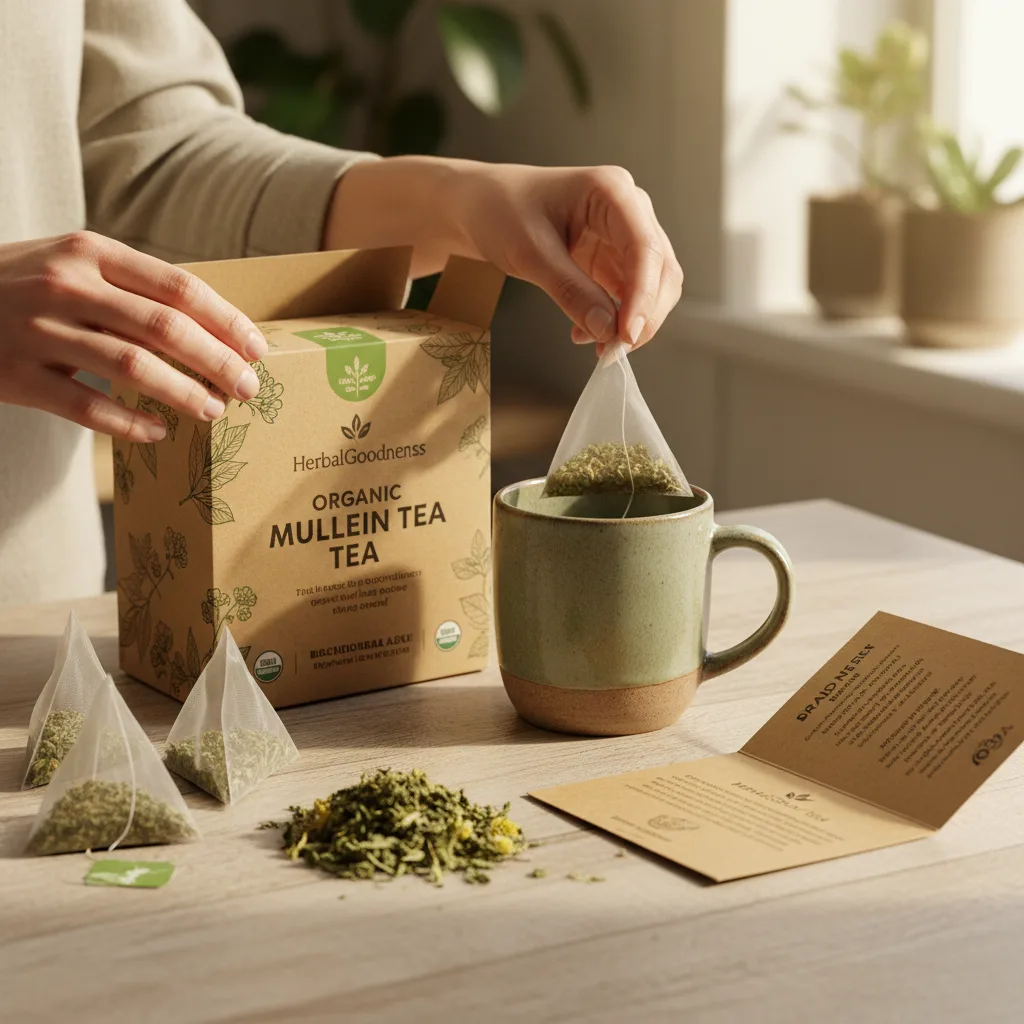
Convenience: Box Size, Sealing, and Storage
- Box size: A 24‑bag box is a balance between freshness and bulk value. Smaller boxes may reduce waste for infrequent tea drinkers, while larger boxes offer more value per cup for daily fans.
- Bag sealing: Resealable inner bags or individually wrapped tea bags help preserve flavor and aroma, which can be important if you sip slowly over several weeks.
- Travel and lifestyle: Individually wrapped bags offer easy, hygienic transport for on-the-go drinkers, but the added material and production time increase price.
A similar approach applies if you’re comparing with Organic Hibiscus Tea 24 Bags | Heart Health & Antioxidant Wellness, where freshness and portion control may play a big role in your final decision.
What Makes Organic Certification Different?
Organic certification on your mullein tea is not a simple label—it reflects a series of intentionally eco‑friendly, labor-intensive, and closely regulated steps:
- Verifiable standards: Certified products adhere to strict national or international guidelines throughout the production lifecycle.
- Inspections and records: Regular audits and recordkeeping are required, ensuring transparency and accountability for every batch.
- Consumer trust: Paying for third-party verification adds to the price but can reassure you about true organic origins.
If you’re seeking herbal products that emphasize certified organic practices, Mullein Leaf Organic 15X Liquid Extract | Respiratory & Lung Wellness is another example whose quality correlates to its certification and careful sourcing.

How Packaging Quality Influences Perceived and Actual Value
While packaging may seem secondary to the tea itself, it greatly impacts your brewing experience and the tea’s shelf life:
- Freshness and protection: Packaging designed to block moisture and light maintains leaf quality longer.
- Material costs: Recyclable, compostable, or BPA-free options command a premium but reduce environmental guilt and landfill waste.
- Brand reputation: High-quality packaging often reflects a manufacturer’s broader commitment to quality, safety, and sustainability.
Experienced herbal tea drinkers often choose options such as Bulk Loose Leaf Teas & Tisanes - Organic 4oz - Herbal Wellness Teas not just for savings, but also for the added perception of value in premium packaging and flexible portioning.
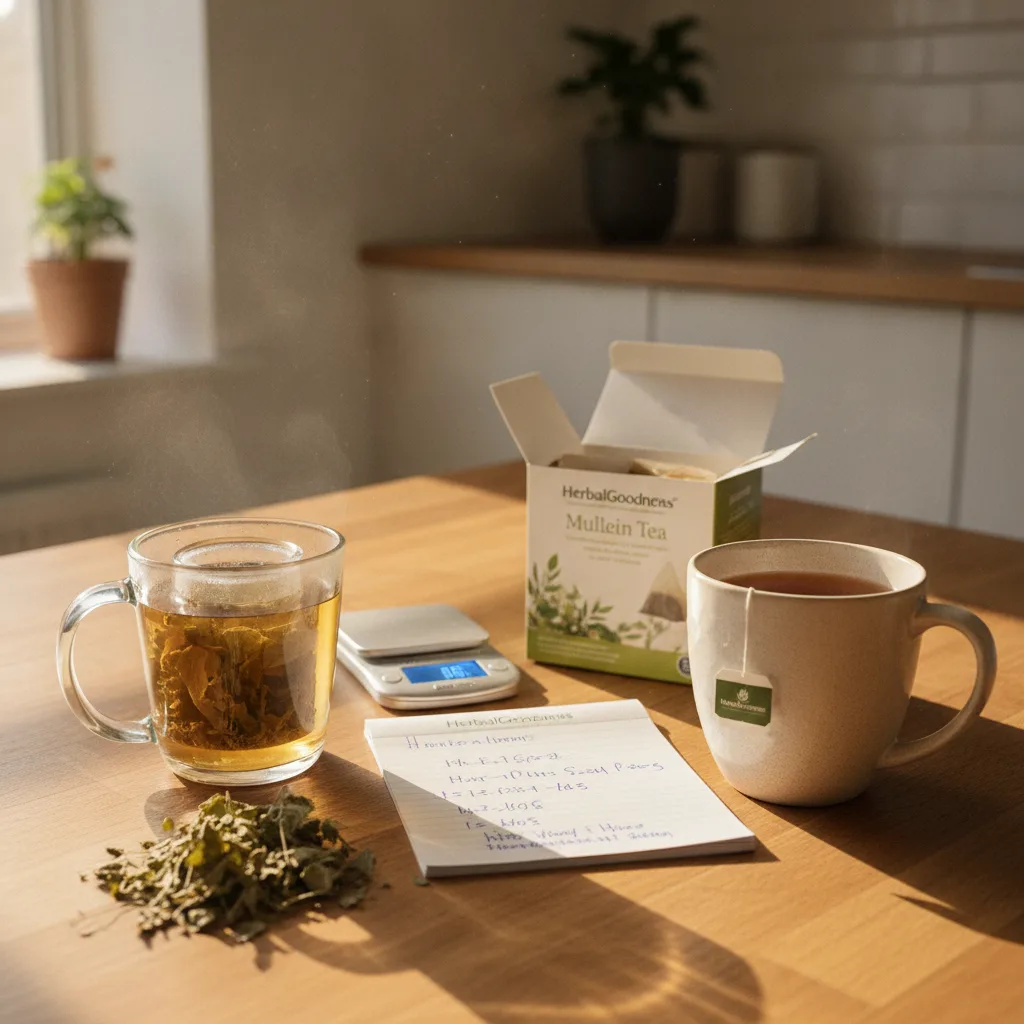
Comparing Organic Mullein Tea Brands by Quality, Price, and Value
Not all 24‑bag boxes of organic mullein tea are created equal. When you’re new to herbal tea, consider these points while comparing:
- Source and transparency: Brands that openly share their sourcing, farming, and processing practices support better consumer decisions.
- Batch tracking: Some premium teas offer batch numbers and QR codes for consumers wanting to trace the tea’s journey from field to cup.
- Community and ethical sourcing: Supporting brands that invest in fair labor practices and community programs sometimes means paying a little more for a box, but contributes to social value.
Balancing Cost, Quality, and Environmental Responsibility
Being a beginner doesn’t mean you have to leave value behind. Here are tips for aligning your purchase with your priorities:
- Decide what’s most important: Is it lowest cost-per-cup, eco-friendly packaging, or the assurance of organic certification?
- Look for transparency: Brands that detail every step of the process can justify their price with richer stories and higher trust.
- Understand that quality and responsibility come at a price: Sustainable packaging, labor practices, and certification add to cost but reflect a bigger commitment to ethical production.
In the end, the price of a 24-bag box of organic mullein tea is the sum of careful farming, fair labor, detailed processing, mindful packaging, and responsible distribution. Each step is a chapter in the journey from field to your favorite mug, and understanding these chapters empowers you to choose a tea aligned with your values and lifestyle.
Frequently Asked Questions
Question 1: Why does organic mullein tea sometimes cost more than other herbal teas?
Answer: Premium brands often invest heavily in organic certification, eco-friendly packaging, and skilled processing—factors shared by options like Soursop Leaf Tea | Organic Graviola 24 Bags | Soursop Tea Benefits for Immunity & Wellness—which together justify higher prices.
Question 2: Is cost-per-cup the best way to compare value among herbal teas?
Answer: Yes, calculating cost-per-cup evens out serving sizes, letting you compare choices including Organic Hibiscus Tea 24 Bags | Heart Health & Antioxidant Wellness or bundled options for actual value.
Question 3: Does eco-friendly packaging make a real difference in tea price and the environment?
Answer: Eco options like compostable bags or recyclable cartons, seen in Bamboo Leaf Tea 24 Bags | Nature's Silica – Collagen & Biotin Support, do increase manufacturing costs, but help reduce waste and environmental impact.
Question 4: What are some signs of quality in a 24-bag box of organic mullein tea?
Answer: Look for verifiable organic certification, clear sourcing details, and thoughtful packaging—similar standards are upheld for Mullein Leaf Organic 15X Liquid Extract | Respiratory & Lung Wellness.
Question 5: Can you recommend other herbal teas with strong sustainability values?
Answer: Absolutely. Try Guava Leaf Tea Organic 24 Bags | Immunity & Gut Wellness – Caffeine-Free or the Organic Papaya Leaf Tea | 24 Premium Bags – Caffeine-Free for sustainability and transparency.
Question 6: How do I store organic mullein tea to keep it fresh?
Answer: Keep the tea in a cool, dry place in its original packaging, or transfer it to an airtight container—freshness-preserving packaging as used in Bulk Loose Leaf Teas & Tisanes - Organic 4oz - Herbal Wellness Teas can also help extend shelf life.
Curious to explore more about organic mullein tea quality, value, and sustainability? Use these tips to confidently compare options when you’re ready for your next cup.
About the Author
Herbal Goodness Editorial Team
The Herbal Goodness Editorial Team specializes in holistic health and superfoods, blending science and nature to educate and empower our community.
References
Introducing Graviola to Young Taste Buds: Fun, Family-Friendly Flavor Exploration
Why Social Impact Matters in Plant-Based Wellness
Oregano Oil vs. Black Seed Oil: Sensory & Sourcing Guide
A World Map of Adaptogenic Herbs: Origins & Traditions
The Savvy Gifter’s Guide to Buying Mullein Leaf Tea Online with Care
What Determines Mullein Leaf Extract Price? Complete Cost Guide
How Climate Change Impacts Mullein Liquid Extract Quality & Supply
Share this
Popular posts


FAQs
1. What are the main benefits of drinking bamboo leaf tea?
Drinking bamboo leaf tea supports hydration, relaxation, skin wellness, and antioxidant balance.
2. What is bamboo leaf extract used for?
It’s used for general body wellness, skin elasticity, hair and nail support, and overall vitality.
3. Can bamboo leaf help with skin care and body wellness?
Yes, bamboo leaf is rich in silica and antioxidants, which promote healthy skin, strong nails, and a youthful glow.
4. What forms of bamboo leaf are available?
You can find dried bamboo leaf, powder, extract, drops, oil, and bamboo leaf green tea.
5. Are there any side effects of bamboo leaf?
Bamboo leaf is generally safe when consumed in moderation. Always consult your healthcare provider before starting any new herbal supplement.