





Mullein Extract Wild-Harvest Claims: What Buyers Should Verify

Shopping for mullein leaf extract online can be exciting, especially if you’re drawn to products that promise wild-harvested, ethically sourced plants. However, verifying those sustainability claims can be overwhelming for beginners—after all, product descriptions are often written with persuasive language, and not every promise is backed by facts. This guide offers clear, practical steps for checking ethical wild-harvesting claims on mullein leaf liquid extracts, empowering you to make confident, conscious choices with every purchase.
Understanding Ethical Wild-Harvesting for Mullein Leaf Extract
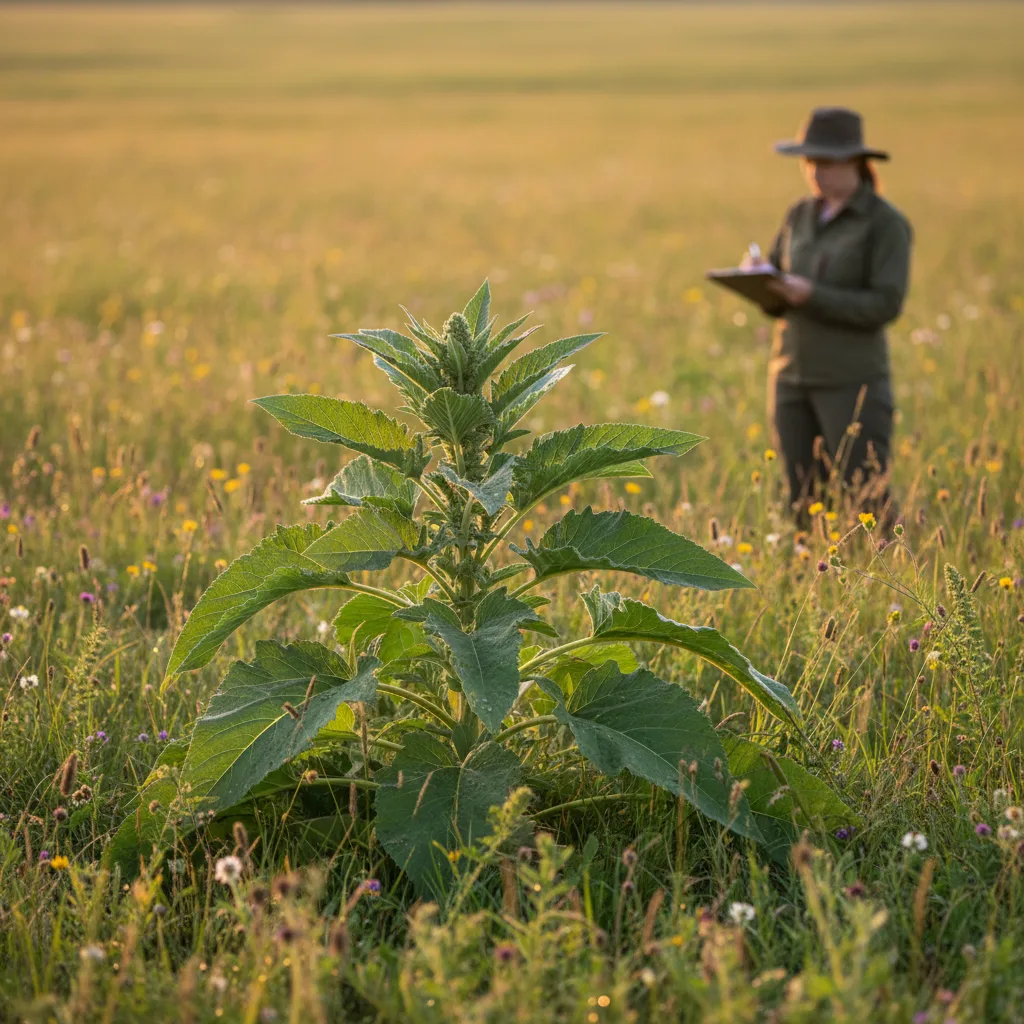
Ethical wild-harvesting is about collecting mullein plants in a way that respects the ecosystem, supports plant populations, and ensures fair practices for harvesters. When you see mullein leaf extract products labeled as "wild-harvested" or "sustainably harvested," it means the leaves were foraged from their natural habitat rather than grown on a commercial farm—but genuine sustainability involves more than just the label.
Wild-harvesting, done incorrectly, can threaten local plant populations and disrupt natural habitats. Transparency, traceability, and independent verification help set truly ethical brands apart from those that simply claim to practice sustainability.
Start With Supplier Transparency
Supplier transparency is your first clue that a mullein leaf extract brand is serious about ethical wild-harvesting. A trustworthy supplier should be willing to openly share:
- Where their mullein is harvested (region, country, or biome)
- Who does the harvesting (direct employees, local partners, or independent foragers)
- The practices they use to protect natural habitats
- Any certifications, third-party audits, or independent verification
When browsing product listings, look beyond buzzwords and check for clear, specific details. If a brand provides the harvest location ("wild harvested from the Appalachian forests") or describes relationships with local communities, they’re showing a commitment to transparency.
Why Transparency Matters
Without transparency, there’s no way to hold companies accountable for their harvesting claims. Clear information allows you, as a consumer, to support practices that align with your values and encourages brands to maintain high standards.
Look for Ethical Certifications and Independent Audits
While mullein leaf extract may not always have the seals and certifications you see on other products, certain recognized standards can help you verify ethical wild-harvesting:
- Organic Certification: While not quite the same as wild-harvested, organic certification requires a degree of ecosystem stewardship. Look for products labeled as USDA Organic or certified by reputable third parties.
- FairWild Standard: A global certification for wild-harvested plants, the FairWild Standard verifies that herbs like mullein are harvested sustainably and fairly. Brands meeting this standard usually mention it prominently.
- Non-GMO Verification: Although not directly about wild-harvesting, Non-GMO Project verification suggests a commitment to transparency and quality sourcing.
If a product listing includes any of these certifications—or references third-party inspections—it’s a strong sign the brand takes its sourcing policies seriously. It’s worth noting, however, that some small, genuinely ethical suppliers may not afford certification; in these cases, direct-source details and transparent communication become even more important.
Check for Detailed Product Descriptions—Not Just Buzzwords
Beware of listings that simply say “wild-harvested” or “sustainably sourced” without offering supportive information. Ethical brands often go beyond generic language and provide details like:
- The specific wild habitat or region used
- Harvesting methods (such as selective picking or leaving roots intact)
- Seasonal harvest timing, which can affect plant regeneration
- A summary of how they contribute to habitat conservation
A thoughtful, descriptive listing reflects a deeper knowledge of the ingredient’s origins and often signals an authentic commitment to ethical wild-harvesting.
Traceability Tools and NGO Databases
As consumer interest in sustainability grows, more tools are becoming available to vet wild-harvesting claims:
- Ingredient Traceability Portals: Some platforms allow you to track herbs back to their source. While not always available for mullein, check if a brand offers lot numbers, QR codes, or links to additional sourcing info on their site.
- NGO and Watchdog Reports: Non-governmental organizations like the International Union for Conservation of Nature (IUCN), TRAFFIC, or local botanist groups often publish reports about sustainable wild plant collection. Review these sources for industry updates or to see if your chosen brand is referenced in positive contexts.
- Regional Wild Plant Registries: In areas known for herbal foraging, regional registries may exist to monitor sustainable collection practices. These registries can sometimes confirm that species like mullein are being responsibly sourced in certain regions.
By seeking transparency and verification, you’re more likely to find authentic brands offering products such as Mullein Leaf Organic 15X Liquid Extract | Respiratory & Lung Wellness, which provide clarity about origins and processing. If mullein isn’t your only focus, similar standards apply when evaluating Raw Sea Moss 8oz Bag | St. Lucia Wildcrafted – Nature's Multivitamin, another wild-harvested plant product known for good traceability.
Ask Smart Questions Before You Buy
If product descriptions and certifications leave you uncertain, reach out to sellers directly. Authentic brands appreciate informed questions. Here are some practical ones to ask:
- Where is your mullein harvested, and by whom?
- What methods are used to ensure sustainability and minimize ecosystem disruption?
- Do you or your harvesters follow any third-party standards (such as FairWild or organic)?
- How often do you audit your wild-harvesting practices?
- Are you able to provide batch or harvest traceability for your extracts?
A responsive seller should be happy to answer these questions with details, not evasions. If responses are vague or delayed, it may signal the claims aren’t thoroughly backed. You’ll find that companies producing options such as Mullein Leaf Tea Organic 24 Bags | Respiratory & Lung Wellness Support often highlight their sourcing practices both in direct conversation and detailed listings.
Understand Limitations—and Trust But Verify
It helps to recognize that wild-harvested mullein extract is part of a supply chain that isn’t always perfectly transparent. Genuine, ethical suppliers usually have strong relationships with foragers and practice stewardship in the field—but they might not have third-party certification, especially if they are small businesses or working with remote communities.
If you’re choosing between brands, weigh the overall transparency, specificity, and willingness to provide documentation. For instance, when considering responsibly sourced herbal products, check for supplier openness similar to the comprehensive background offered by Soursop Leaf Graviola Extract 15X Liquid | Organic Cell & Immunity. Ethical wild-harvesting is an ongoing process rather than a one-time achievement, so look for continuous effort and improvement.

Evaluating the Integrity of Third-Party Sellers and Marketplaces
When shopping on large marketplaces or through third-party sellers, extra diligence is key. Check for indicators like:
- Detailed supplier profiles with sourcing information
- Verified purchase reviews that mention sustainability or origin
- Seller responsiveness and clear, professional communication
- Links to third-party data, sustainability declarations, or independent reviews
Products such as Mullein Leaf Organic 15X Liquid Extract | Respiratory & Lung Wellness typically stand out with transparent supplier information and verified sourcing, helping you navigate these larger marketplaces with greater confidence.
Red Flags to Watch Out For
Not every “wild-harvested” claim holds up under scrutiny. Common warning signs include:
- Generic, non-specific certifications or logos with no traceable source
- Inconsistent descriptions between product listings and seller websites
- Lack of harvest location information or vague regional claims (e.g., “forest harvested” without specifying where)
- Sellers unwilling or unable to answer basic sourcing questions
Trust your instincts—if a claim seems difficult to verify or overly polished, it’s worth further investigation or considering an alternative supplier, perhaps opting for established wildcrafted options like Raw Sea Moss 8oz Bag | St. Lucia Wildcrafted – Nature's Multivitamin with proven documentation.
Supporting Your Values: Why Diligence Matters
Choosing ethically wild-harvested mullein leaf extract means supporting sustainable ecosystems, community livelihoods, and long-term access to herbal resources. By taking a few extra minutes to verify claims, you’re using your buying power to reward transparency and encourage responsible stewardship of natural resources. This diligence is particularly valuable when navigating the world of online herbal shopping, where personal connection to the source can be limited.
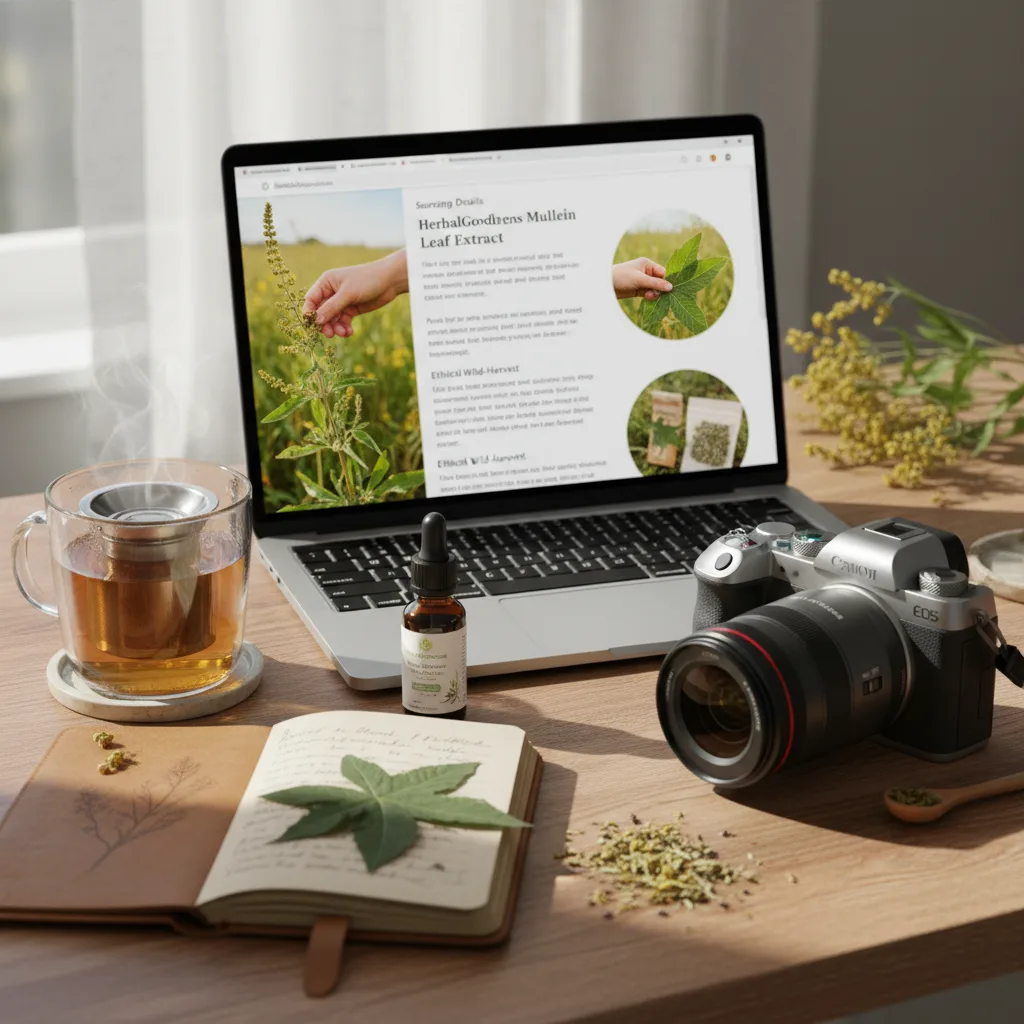
Herbal Goodness believes that informed consumers drive transformation in herbal wellness. Your attention to ethical wild-harvesting makes a difference, both for your wellbeing and for the planet.
Frequently Asked Questions
Question 1: How can I verify if a mullein leaf extract is truly wild-harvested?
Answer: To verify if a mullein leaf extract is wild-harvested, check for detailed supplier transparency, clear sourcing information, and independent certifications. Products like Mullein Leaf Organic 15X Liquid Extract | Respiratory & Lung Wellness often provide this information in product listings.
Question 2: What certifications should I look for in ethically sourced extracts?
Answer: Look for organic certification, FairWild Standard, or Non-GMO verification. Some reputable products, even if not mullein, like Soursop Leaf Graviola Extract 15X Liquid | Organic Cell & Immunity, list certifications and audits.
Question 3: Are there trustworthy wild-harvested alternatives to mullein?
Answer: Yes, there are other responsibly sourced wild-harvested botanicals including Raw Sea Moss 8oz Bag | St. Lucia Wildcrafted – Nature's Multivitamin and herbal teas like Mullein Leaf Tea Organic 24 Bags | Respiratory & Lung Wellness Support.
Question 4: What red flags should I watch for in wild-harvested product listings?
Answer: Be cautious with vague sourcing claims, generic certifications with no verification, and sellers that can't provide details when you ask. Listings for Mullein Leaf Organic 15X Liquid Extract | Respiratory & Lung Wellness demonstrate the kind of detail you should expect.
Question 5: Is organic certification the same as wild-harvested?
Answer: No, organic certification and wild-harvested status are different. Organic means adherence to farming standards, while wild-harvesting concerns gathering from natural habitats. Products might feature both or just one, so check listings for specifics on wild collection.
Question 6: Why does supplier transparency matter when choosing wild-harvested mullein products?
Answer: Transparency ensures you’re supporting brands that value ethical harvesting and ecosystem stewardship. Authentic brands offering transparent info—like those producing Mullein Leaf Tea Organic 24 Bags | Respiratory & Lung Wellness Support—help you make responsible choices.
Question 7: Where can I find more information about sustainable herbal sourcing?
Answer: Check NGO databases, regional wild plant registries, or choose reputable options such as Soursop Leaf Graviola Extract 15X Liquid | Organic Cell & Immunity that share sourcing and sustainability details.
Empower your herbal choices by looking for transparency and trustworthy sourcing when selecting mullein leaf extract. Your diligence supports both your values and a thriving planet.
About the Author
Herbal Goodness Editorial Team
The Herbal Goodness Editorial Team specializes in holistic health and superfoods, blending science and nature to educate and empower our community.
References
Introducing Graviola to Young Taste Buds: Fun, Family-Friendly Flavor Exploration
Graviola in the Classroom and at Home: Creative Activities to Teach Kids About Tropical Plants
Why Social Impact Matters in Plant-Based Wellness
Share this
Popular posts


FAQs
1. What are the main benefits of drinking bamboo leaf tea?
Drinking bamboo leaf tea supports hydration, relaxation, skin wellness, and antioxidant balance.
2. What is bamboo leaf extract used for?
It’s used for general body wellness, skin elasticity, hair and nail support, and overall vitality.
3. Can bamboo leaf help with skin care and body wellness?
Yes, bamboo leaf is rich in silica and antioxidants, which promote healthy skin, strong nails, and a youthful glow.
4. What forms of bamboo leaf are available?
You can find dried bamboo leaf, powder, extract, drops, oil, and bamboo leaf green tea.
5. Are there any side effects of bamboo leaf?
Bamboo leaf is generally safe when consumed in moderation. Always consult your healthcare provider before starting any new herbal supplement.