Mullein Leaf Creative Uses: Crafts, Home Traditions, and Cultural Inspirations

Curiosity about the natural world often inspires us to see familiar plants in new ways. Mullein leaf—a time-honored herb primarily recognized for its herbal tea and supplement forms—has sparked creative imaginations well beyond the cup. Today, let’s explore how mullein leaf’s soft texture, gentle color, and unique history have inspired crafts, home traditions, and cultural rituals, touching not only daily life but artistry and community heritage. This deep-dive, centered around the primary keyword "mullein leaf creative uses," will empower you to consider this distinctive botanical for inspired projects, always with safe, practical guidance.
Exploring the Unique Qualities of Mullein Leaf
Mullein (Verbascum thapsus) has a striking presence in gardens and wild landscapes, with tall spires of yellow blossoms and broad, velvety leaves. While its role in wellness is widely appreciated, its physical characteristics are equally distinctive:
- Soft, fuzzy texture: Resembling felt, mullein’s leaves are gentle and highly tactile—an attractive feature for crafting and decorative projects.
- Neutral color palette: Ranging from silvery-green when fresh to subtle sage when dried, mullein complements a broad spectrum of home accents.
- Natural structure: Large, sturdy leaves hold shape well, making them practical for arrangements or as a base material for creative work.
These qualities have made mullein a go-to in both historical and modern craft traditions.
Mullein Leaf in Creative Crafts and Botanical Arts
The history of mullein as a crafting material is long and varied. Its versatility invites experimentation:
Dried Flower Arrangements & Wreaths
Mullein leaves, either fresh or dried, have traditionally been featured in dried flower crafts. Their broad leaves provide structure and contrast alongside delicate stems and petals. Tips for working with mullein in arrangements:
- Harvest leaves before flowering for the best color and texture.
- Air-dry in a single layer, away from moisture, to prevent brittleness.
- Combine with other botanicals—such as lavender, strawflowers, or yarrow—for seasonal wreaths or table centerpieces.
If you are looking for complementary botanicals to pair with mullein, check out our Bulk Herbs collection for inspiration and sourcing.
Herbal Sachets and Potpourri
Mullein’s gentle, subtle scent is not overpowering, making it suitable for handmade herbal sachets to freshen drawers or closet spaces. For longer-lasting sachets:
- Blend mullein leaves with aromatic herbs—think rosemary, mint, or rose petals.
- Stitch small cloth bags or sew muslin pouches for a natural, rustic touch.
- Replace or refresh contents every few months for best aroma retention.
Including a botanical like Mullein Leaf Tea - Organic 24 Tea Bags - Respiratory & Lung in your home can also complement sachets and promote wellness-minded traditions.
Natural Dyeing with Mullein
As interest in plant-based dyes grows, mullein does not disappoint:
- Mullein leaves and flowers can be simmered to produce soft yellow or greenish hues on natural fibers such as cotton, silk, or wool.
- Pre-mordant fabrics with a gentle fixative like alum for colorfast results.
- Experiment with leaf-to-water ratios and combine with other dye plants to achieve nuanced coloration.
Natural dyeing is as much art as science; keeping a record of your process offers insight for future projects.

Mullein as an Artistic Canvas
The broad, felty surface of mullein leaves has inspired artists to use them directly as canvases:
- Botanical printmaking: Pressing and painting leaves, then stamping onto fabric or paper, reveals intricate veining and leaf patterns.
- Nature journals: Pressed mullein leaves add texture and interest to botanical illustrations.
- Seasonal décor pieces: Hand-painted or naturally dried leaves create organic accents for table settings and gifts.
Experimenting with different textures is part of the fun, and adding materials from our organic herbal teas can provide color and aroma to your creative arsenal.
Traditional Home Uses: Candles, Wicks, and Lighting the Way
Mullein’s role in historic household rituals runs deep—particularly as a source of light:
The Traditional Mullein Torch
Centuries ago, mullein’s tall stalk was valued for its sturdy structure and as a natural wick. Once dried, stalks were dipped in beeswax or fat, then burned as torches for processions, festival lighting, or household illumination. While these uses are primarily ceremonial today, making a mullein “torch” for seasonal celebrations can foster a sense of connection to tradition.
Tips for a Safe Mock-Torch Craft:
- Harvest a straight, dry stalk late in summer.
- Dip in melted beeswax (outdoors and with proper precautions).
- Display as a decorative piece (not for open flame use indoors).
Candle and Wick Crafting
The soft inner fibers of mullein leaves and roots were traditionally twisted to form wicks for simple, homemade candles or lamps—another testament to its resourcefulness in pre-industrial homes.
Today, you can experiment with:
- Twisting mullein fibers with cotton or linen to create rustic candle wicks.
- Pairing with beeswax in candle-making for a unique, botanical accent.
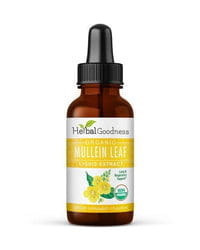
Again, ensure all materials are fully dried and work in well-ventilated spaces, prioritizing safety. For those who also value the calming aspect of botanicals, Mullein Leaf - Organic 15X Liquid Extract - Respiratory & Lung Health can be a thoughtful addition to your craft session or evening rituals.
Cultural and Folkloric Uses: Rituals, Symbolism, and Heritage
Across continents, mullein has held symbolic meaning in community traditions:
Protective and Blessing Rituals
Mullein was often placed in doorways, hung in homes, or carried as a talisman. These practices reflected the plant’s standing as a symbol of resilience and gentle strength—qualities many still appreciate in household rituals and gatherings today.
- Seasonal festivals: In some cultures, mullein torches lit midsummer nights or solstice celebrations.
- Home blessing bundles: Mullein, combined with sage or other botanicals, was fashioned into decorative displays as a gesture of goodwill or transition.
Adding other protective botanicals found in our Bulk Herbs collection can elevate the meaning behind your blessing bundles and seasonal displays.

Crafting for Celebration
Mullein’s visual appeal has been embraced in crafts marking life milestones or seasonal shifts:
- Decorative posies or garlands to mark new homes, weddings, or harvest festivals.
- Community crafting circles using mullein and local plants to create gifts or communal art pieces.
Supplementing with vibrant botanicals from our organic herbal teas can imbue your projects with extra color and meaning. Whether used as accents or featured elements, mullein brings history and symbolism along for the journey.
Practical Tips: Harvesting, Drying, and Preparing Mullein Leaf Safely
Working with mullein leaf in creative projects starts with mindful harvesting and preparation:
Harvesting Guidelines
- Identify mature, healthy plants away from roadways, spray zones, or areas of potential contamination.
- Gather leaves in the morning, after dew has evaporated but before mid-day sun wilts natural moisture.
- Use sharp scissors or pruning shears, snipping leaves with minimal disruption to the plant.
Drying and Storing
- Arrange leaves in a single layer on drying racks, mesh screens, or clean linen towels in a dry, ventilated area.
- Turn leaves occasionally to prevent sticking or uneven drying.
- Store fully dried leaves in paper bags or boxes away from light and humidity.
Proper storage of other botanicals for crafts is also important. Refer to our Bulk Herbs collection for guidelines on handling and storing similar herbal materials.
Handling for Crafts
- Use gloves if you have sensitive skin, as mullein’s natural fuzz can sometimes be mildly irritating.
- Inspect for insects or debris prior to crafting—gently brush or shake leaves over a clean surface.
- Test a small sample before dyeing fabrics or using as a wick to assess suitability for your chosen project.
Sustainability and Ethical Harvesting
As with all wildcrafting, sustainability matters:
- Only harvest what you need, leaving ample leaves and flowers for pollinators and plant regeneration.
- Respect local regulations around wild plant gathering.
- Consider cultivating mullein in your own garden for a steady, ethical supply—well-suited to home gardeners seeking low-maintenance, drought-tolerant perennials.
For health-conscious crafters inspired to balance tradition and wellness, incorporating Mullein Leaf Tea - Organic 24 Tea Bags - Respiratory & Lung or Mullein Leaf - Organic 15X Liquid Extract - Respiratory & Lung Health brings both creative and supportive benefits.
Inspiring Your Own Mullein Leaf Projects
Inviting mullein into your craft practice or home tradition invites a sense of creativity rooted in nature’s gentle bounty. Whether you’re designing an autumn wreath, experimenting with plant-based color, or decorating for a seasonal celebration, mullein’s legacy and textures offer inspiration and connection—to tradition, to artistry, and to the land.
Remember to approach every project with care and respect for the plant, your household, and the practices handed down through generations. Herbal Goodness encourages this mindful approach, valuing the blend of heritage wisdom and responsible creativity.
FAQs:
- Is mullein leaf safe to use in crafts and home décor?
When harvested properly, mullein leaf is generally safe for home crafts and décor. Always ensure leaves are thoroughly dried, and handle with gloves if you have sensitive skin.
- Can I use mullein leaf as a natural dye for fabric?
Yes. Mullein leaves and flowers produce soft yellow or green hues on natural fibers. Use a pre-mordant like alum to help fix the color to your chosen material.
- How do I properly harvest and dry mullein leaves?
Harvest mature, healthy leaves away from pollution sources. Dry them in a single layer in a well-ventilated area, turning occasionally until fully dried, then store away from light and moisture.
- Are there traditional rituals associated with mullein leaf?
Mullein has been valued in many cultures for symbolic rituals, such as blessing bundles, decorative garlands, and torch ceremonies during seasonal festivals or milestones.
- What are some creative ways to use mullein leaves at home?
Craft ideas include dried flower arrangements, botanical dyeing, herbal sachets, nature journaling, hand-crafted candles, and home décor accents inspired by folk traditions.
- Can I grow mullein at home for crafting?
Yes. Mullein is a low-maintenance, drought-tolerant perennial that can be grown in gardens or containers, providing a sustainable supply for craft and décor projects.
- What safety tips should I follow when using mullein leaf?
Wear gloves if sensitive, inspect for debris, and ensure all plant parts are completely dried before using in wicks or potpourri. Avoid burning indoors and use craft materials mindfully.
Author Name:
Herbal Goodness Editorial Team
Author Bio:
The Herbal Goodness Editorial Team specializes in holistic health and superfoods, blending science and nature to educate and empower our community.