Is Mullein Safe for Kids? A Parent’s Guide to Safety and Uses

Understanding Mullein and Its Place in Family Herbal Wellness
Parents looking to explore gentle herbal approaches often come across mullein—a tall, wooly plant long valued in folk traditions around the world. This plant, known for its broad, fuzzy leaves and tall yellow flower spikes, has a reputation for traditional uses in various preparations. But when it comes to children, any botanical choice raises important questions: Is mullein safe for kids? How is it commonly prepared for younger family members? What do safety-conscious parents need to know before considering mullein—whether in tea, as a steam, or in other forms?
This guide brings you a parent-focused introduction to mullein for children. We’ll cover how mullein is encountered in home and modern wellness, the kinds of safety questions researchers and pediatric professionals often discuss, and practical approaches for making well-informed, responsible decisions.
How Mullein Has Been Traditionally Used for Children
A Brief History: Mullein Through the Ages
For generations across Europe, Asia, and North America, mullein has been a familiar household plant. Its soft leaves were traditionally used in teas, infusions, and topical applications. Folk knowledge often centered around mullein’s gentle presence in home care, particularly for adults and, sometimes, for children under careful tradition-based preparation.
Most Common Forms Parents Encounter
- Herbal Tea: Dried mullein leaves or flowers steeped in hot water. This preparation is often seen as mild, but always needs an extra layer of consideration for kids.
- Steam Inhalation: Whole or crushed leaves added to hot water, with the rising steam gently inhaled (with adult supervision and caution). This practice is not universally recommended for young children, but is part of some traditional home care routines.
- Liquid Extracts: Concentrated tinctures or glycerites (alcohol-free) derived from mullein; often available in calibrated dropper bottles.
- Soothing Oils: Occasionally, mullein-infused oil is used for topical applications in family settings (not for ingestion or use in the ear without professional guidance).
What Does “Safety” Mean with Herbal Products for Kids?
Types of Safety Information Professionals Look For
When considering any herbal product for children, researchers and clinicians tend to focus on several important areas:
- Purity and Sourcing: Is the mullein product free of contaminants? Reputable brands perform third-party testing.
- Dosage and Preparation: Appropriate amounts are especially important for growing bodies. Products intended for adults may not be suitable for kids.
- Adverse Event Reports: Researchers search academic literature for documented reactions or sensitivity in children. With mullein, reported adverse effects are rare, but data remains limited.
- Quality Control: Consistency in herbal products is key. Parents are encouraged to look for established brands that emphasize quality assurance.
Discovering reputable sources is an essential part of the decision-making process. For children’s herbal routines, transparency about purity and proper labeling—as seen with options such as Kids Plant-Based Supplements - Organic 1oz 15X Liquid Extract - Focus, Calm, Sleep, Tummy—can help support confidence and safety awareness.
Regulatory Considerations
Herbal supplements, including mullein, are regulated differently than pharmaceutical products. In the United States, these products are not approved for specific medical uses by agencies like the FDA. Instead, companies are responsible for ensuring safety and accurate labeling. For this reason, expert organizations recommend parents seek products that prioritize transparency in sourcing and manufacturing.
Mullein Preparations: What Are Parents Most Likely to See?
Mullein Teas
Tea is the most familiar form for many families. Dried mullein leaves are widely available from herbal retailers. When preparing mullein tea:
- Always strain the tea carefully to remove tiny leaf hairs, which can be irritating if consumed.
- For kids, a much weaker brew is generally chosen, and only under supervision.
- Do not add other herbs without understanding their specific safety profiles for children.
A standardized herbal tea product that echoes this tradition is Mullein Leaf Tea - Organic 24 Tea Bags - Respiratory & Lung, which features precise packaging, helps parents avoid dosing uncertainties, and can be prepared gently for young family members.

Traditional steam inhalation involving dried mullein leaves in hot water is still present in some wellness routines. Many parents also look to gentle options such as Mullein Leaf - Organic 15X Liquid Extract - Respiratory & Lung Health for more controlled dosing, compared to homemade preparations.
Steam Inhalation for Children
Traditional use of mullein steam involves placing dried leaves in hot water and allowing a child to inhale steam. However:
- Caution: Steam can cause burns if a child is too close or left unattended.
- The safety of steam as a practice for children, especially very young ones, is debated. Always discuss with a pediatrician before trying any steam therapy with a child.
For families considering gentler alternatives for respiratory comfort, consider how quality-assured liquid options such as Kids Plant-Based Supplements - Organic 1oz 15X Liquid Extract - Focus, Calm, Sleep, Tummy can fit a child’s wellness routine after pediatric guidance.
Liquid Herbal Extracts and Glycerites
Mullein extracts range from alcohol-based tinctures to glycerites (alcohol-free). Products marketed specifically for kids will often use glycerin. Even so:
- Exact amounts and concentration matter. Children should only be given extracts when the dose is appropriate for age and weight—this is one of the most important points to discuss with a healthcare provider beforehand.
- Beware of homemade extracts unless you’re thoroughly educated on safe preparation and dosing.
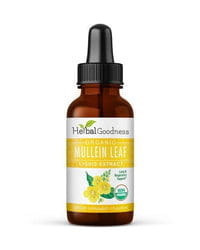
Just as you would want rigorous sourcing for mullein tea, the choice of a liquid mullein extract for kids should focus on certified organic, alcohol-free varieties, and proper labeling. Mullein Leaf - Organic 15X Liquid Extract - Respiratory & Lung Health offers measured serving sizes that allow parents to follow clear recommendations and avoid the inconsistencies of homemade preparations.
Mullein-Infused Oils
Some family traditions include using mullein oil for topical use. It’s important to note:
- Oils should never be ingested by children.
- Topical oils should be patch-tested for skin sensitivity.
- Never apply any oil, including mullein, into a child’s ear canal unless under professional supervision.
You may also consider alternate gentle products formulated for the needs of children, such as Kids Plant-Based Supplements - Organic 1oz 15X Liquid Extract - Focus, Calm, Sleep, Tummy, particularly if you are seeking supportive blends for rest, calm, or digestive ease.
Recognizing General Safety Signals in Kids
When introducing any new herb or supplement to children—even something as gentle in reputation as mullein—parents should practice extra vigilance. Common signals to watch for include:
- Digestive Sensitivity: Upset stomach, discomfort, or reluctance to consume more.
- Skin Reactions: Redness, itchiness, or rash after topical application.
- Throat or Mouth Sensation: Itching, tingling, or swelling may indicate sensitivity; discontinue use and seek medical advice if these occur.
- Behavioral Changes: Lethargy, irritability, or any unusual symptoms should be noted.
For broader support of immune and cell health in children and adults, families sometimes supplement herbal routines with products such as Soursop Leaf Graviola Extract - - Organic 15X Liquid Extract - Cell Renew & Immunity. As always, closely track reactions when trying new products.
Questions Every Parent Should Bring to Their Pediatrician
Pediatricians and integrative healthcare professionals are valuable resources for families considering herbal options. Here are some practical questions to ask:
- What is your experience with mullein for children? Are there special considerations for my child’s age or overall health?
- Are there recommended forms or preparations that are generally considered safer for kids?
- How should I judge the proper amount, and are there signs that would suggest stopping immediately?
- Are there any known interactions with other supplements or routines my child uses?
- Does my child’s age or developmental stage influence which herbal preparations are appropriate?

Having this conversation before introducing any herbal support gives peace of mind and supports your child’s safety.
Choosing the Right Mullein Product: Sourcing and Quality
Factors Parents Can Check
- Source Transparency: Look for brands that disclose sourcing information and offer batch-level quality documentation.
- Third-party Testing: Ask if products are tested for heavy metals, pesticides, and contaminants.
- Intended Use: Products labeled for adult use may not be appropriate for children; check age recommendations.
- Packaging: Child-resistant packaging can prevent accidental ingestion.
For parents seeking diversity in their herbal toolkit, teas like Papaya Leaf Tea - Organic 24/2g Tea Bags can be a gentle alternative. Seek vendors who provide clear batch and purity documentation to ensure quality and safety.
Herbal Goodness Standards
Some companies, like Herbal Goodness, go above and beyond by focusing on organic sourcing, careful formulation, and batch verification. While this isn’t a promotional discussion, it’s important to choose vendors with a clear commitment to safety—especially for products considered by families.
Practical Steps for Safe Herbal Introduction at Home
For parents who decide to explore mullein:
- Start With Small Amounts: Introduce only a very small quantity, then monitor carefully.
- Review Allergies and Sensitivities: Is there a history of plant sensitivities in your family?
- Educate the Family: Ensure all caregivers know what is being given, at what times, and in what amounts.
- Keep a Record: Document each new addition, along with observations, so you can track patterns and successes.
- Store Safely: Always keep herbal products out of children’s reach in secure containers.
If you choose to include gentle, well-formulated options in your child’s wellness plan, the availability of Mullein Leaf Tea - Organic 24 Tea Bags - Respiratory & Lung and Mullein Leaf - Organic 15X Liquid Extract - Respiratory & Lung Health can help you start slowly and responsibly.
Wrapping Up: Responsible Herbal Choices for Your Family
Herbs like mullein hold a special place in many traditional wellness toolkits. Still, children have unique needs, and even herbs with gentle reputations must be approached thoughtfully and in partnership with professionals. Before beginning any new herbal routine, consult your pediatrician, prioritize product quality, and monitor your child closely. An informed, cautious approach helps you support your child’s wellness while honoring both tradition and modern safety standards.
FAQs:
- What age is considered safe for introducing mullein to children?
There is no universally agreed-upon age, as research on mullein in young children is limited. Parents are advised to consult a pediatrician before introducing any herbal product to children, especially those under age 12.
- Are there forms of mullein that are safer for kids?
Traditional uses often focus on teas and topical preparations, but gentler, diluted forms—such as weak tea or glycerite extracts—are sometimes preferred for kids. Always prioritize forms made for children and consult a healthcare professional beforehand.
- How can I tell if my child is reacting poorly to mullein?
Watch for digestive discomfort, skin irritation, or unusual signs such as lethargy. If any negative reaction occurs, discontinue use and seek guidance from your pediatrician.
- Should I make mullein products at home or buy them?
For children, it’s safest to choose products from reputable brands that offer thorough quality and safety information. Homemade extracts and teas can be inconsistent in strength and risk contamination.
- Can mullein be mixed with other herbs for kids?
Mixing herbs increases complexity, as each plant has its own safety profile and possible sensitivities. Always check with a professional before blending herbs for your child.
- Are mullein oils or drops safe to put in children's ears?
Never put any oil or liquid into a child’s ear without explicit guidance from a pediatrician or qualified provider. Topical use should also be patch-tested for sensitivity.
- What kind of questions should I prepare when speaking with my child’s doctor about mullein?
Prepare to discuss your reasons for considering mullein, your child’s health history, the type of product you’re considering, and ask for any age restrictions or dosage recommendations.
Author Name:
Herbal Goodness Editorial Team
Author Bio:
The Herbal Goodness Editorial Team specializes in holistic health and superfoods, blending science and nature to educate and empower our community.
References:
Introducing Graviola to Young Taste Buds: Fun, Family-Friendly Flavor Exploration
Graviola in the Classroom and at Home: Creative Activities to Teach Kids About Tropical Plants