How to Make an 8 oz Bottle of Cold‑Pressed Black Seed Oil Last: Storage & Recipe Tips

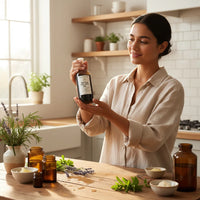
Cold-pressed black seed oil is prized for its deep, distinctive flavor and versatility in both kitchen and home self-care routines. But with its intense taste, premium quality, and sometimes limited availability, many users want to get the most from every 8 oz bottle. Whether you’re new to black seed oil, experimenting with recipes, or curious about best practices, knowing how to store, measure, and creatively use every last drop ensures quality experiences without waste. In this guide, you’ll find practical, beginner-friendly information on maximizing your bottle’s shelf life, precise measuring methods for small batches, sensory tips for pairing, and imaginative reuse ideas for bottles and packaging.
Maximizing Freshness: How to Store Cold‑Pressed Black Seed Oil
Proper storage is key to preserving the aromatic richness and culinary value of cold-pressed black seed oil. Unlike highly refined oils, cold-pressed varieties are more sensitive to air, light, and heat. Each element can impact flavor, aroma, and the beneficial components that make black seed oil so valued.
Ideal Storage Conditions
- Cool, Dark Places: Store your 8 oz bottle in a pantry, cupboard, or refrigerator. Avoid places exposed to direct sunlight or temperature fluctuations, such as windowsills or near stovetops.
- Tightly Sealed: Ensure the cap is always securely fastened. This minimizes oxygen exposure, which can affect taste and shorten shelf life.
- Opaque or Amber Bottles: If your oil comes in a clear bottle, consider transferring it to an amber or dark glass container. This shields sensitive oils from light, which helps retain freshness.
Refrigeration: Yes or No?
Refrigeration can extend the usable life of black seed oil after opening, especially in warmer climates. The oil may thicken slightly in the fridge, but it won’t solidify, making it easy to pour or spoon out when needed.
How to Know If It’s Still Fresh
Your senses are your best guide:
- Look: The oil should remain clear and glossy, not cloudy or separated.
- Smell: Fresh black seed oil has a warm, spicy herbaceous aroma. If it smells flat, stale, or rancid, it’s time to replace it.
- Taste: Small tastings should reveal bold, peppery, and earthy notes — any off, metallic, or soapy flavors can indicate spoilage.
Measurement Made Easy: Accurate Portions for Culinary and DIY Use
When working with a concentrated oil, precise measurement matters — especially for recipes or topical preparations. Over-pouring not only uses up your bottle more quickly but can also overpower food or make skincare blends too intense.
Measuring Tools and Techniques
- Measuring Spoons: For small-batch recipes, use standard measuring spoons (1/4 tsp, 1/2 tsp, 1 tsp, 1 Tbsp) for reliable results.
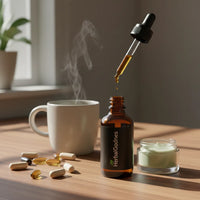
- Dropper Caps: If your bottle fits a dropper, this is helpful for skincare or adding to drinks where you want only a few drops at a time.
- Digital Kitchen Scales: Some recipes call for grams or milliliters. Tare your bottle first and pour slowly to avoid overshooting your target, especially for oil blends.
Typical Serving Guide
- Culinary uses: 1/2 to 1 teaspoon per serving (to taste).
- Skincare or hair: 2–6 drops or 1/4 to 1/2 teaspoon, blended with carriers.
Tips for Efficient Pouring
- Pour over a small bowl to catch drips and return unused oil to the bottle.
- Clean the bottle mouth after each use to minimize residue and maintain a tight seal.
Scaling and Experimenting: Small‑Batch Recipes Without Waste
Exploring new uses for black seed oil is part of the enjoyment, but you don’t need to commit your whole bottle at once. Scaling recipes down helps you sample different approaches and discover your favorites before making larger batches.
How to Scale Small-Batch Recipes
- Divide by Two or More: Most food and skincare recipes can be halved or quartered, meaning if a recipe calls for 2 teaspoons, start with just 1.
- Conversion Chart: For reference, 1 tablespoon = 3 teaspoons; 1 teaspoon = 60 drops (approximate for oils).
- Batch Size Awareness: Aim for enough product to last just a week or two — this keeps your preparations fresh and reduces potential waste.
- Keep Records: Note what you try and your impressions, so you can easily recreate successful blends later.
Example: Simple Salad Dressing
- Full Recipe: 3 tbsp olive oil, 1 tsp black seed oil, 1 tbsp lemon juice, pinch of salt.
- Small batch: 1 tbsp olive oil, 1/4 tsp black seed oil, 1 tsp lemon juice, tiny pinch of salt (mix directly in a ramekin or small jar).
Example: DIY Facial Oil
- Full Recipe: 2 tsp black seed oil, 1 tbsp jojoba oil, 3 drops essential oil (optional).
- Test batch: 1/2 tsp black seed oil, 1 tsp jojoba oil, 1 drop essential oil.
Sensory Pairing: Understanding Black Seed Oil’s Flavor & Aroma
The rich sensory profile of black seed oil — earthy, pungent, spicy, and slightly bitter — makes it a powerful ingredient in both savory and sweet recipes. Understanding these notes can help you experiment confidently and pair the oil with ingredients that bring out its best.

Sensory Notes Checklist
- Aroma: Herbal, warm, slightly medicinal, peppery.
- Taste: Earthy, sharp, somewhat bitter with a background sweetness.
- Texture: Silky, medium-bodied oil.
Pairing Suggestions
- Savory Dishes: Blend with mild oils (olive, grape seed, or avocado), drizzle on roasted vegetables, grains, or salads. Its boldness complements cumin, coriander, garlic, and citrus.
- Sweet Enhancements: For adventurous palates, try pairing in honey syrups or blending with sweet spices like cinnamon and cardamom in oat bowls.
- Dips and Marinades: Use sparingly in hummus, dressings, or yogurt-based dips. Remember, a little goes a long way.
Sampling Tips for Beginners
- Always start with small amounts to gauge your preference.
- Mix into a base oil or carrier for milder flavor and gradual introduction.
- Taste a drop on a cracker or bread to appreciate its natural complexity before adding to recipes.

Packaging, Reuse, and Minimizing Waste
Sustainability is an added benefit of making your 8 oz bottle last. Thoughtful use and creative packaging solutions can help you reduce waste and get added value from your purchase.
Low-Waste Packaging Ideas
- Buy Refillable: Whenever possible, choose bottles designed for easy refill or with fully recyclable packaging.
- Glass Over Plastic: Glass is non-reactive, keeps oil fresher, and is easier to clean and reuse.
Ways to Reuse Your Bottle
- DIY Blends: Wash thoroughly and refill empty bottles with your own oil blends, massage oils, or homemade vinegar dressings.
- Sample Containers: Transfer smaller amounts to mini bottles for travel, gifting, or sharing.
- Crafting: Upcycle glass bottles as vases, diffusers, or for storing DIY beauty or cleaning products.
Cleaning and Preparing for Reuse
- Rinse with warm, soapy water and let air dry completely.
- For persistent aromas, use a baking soda and vinegar soak before final rinsing.
Safe Experimentation: Trying Black Seed Oil at Home
Sampling new oils at home should feel inviting, not intimidating. With a gentle approach and a few safety-minded habits, you can explore black seed oil in food and self-care with confidence.
General Precautions for New Users
- Start Small: Try a drop or two first in recipes or skincare blends to get used to the oil’s flavor and texture.
- Patch Test: For topical uses, always test a diluted drop on a small patch of skin and wait 24 hours before using more.
- Keep a Journal: Record how you use the oil, the amounts, and your reactions or preferences — helpful for future batches.
Creative Beginner-Friendly Uses
- Add a drop to salad dressings or smoothies for an earthy dimension.
- Blend just a few drops into your night cream or carrier oil.
- Use as a finishing oil over cooked grains or sautéed vegetables.

Conclusion
Making an 8 oz bottle of cold-pressed black seed oil last is about more than stretching its lifespan — it’s about savoring the sensory experience, exploring new recipes and self-care ideas, and integrating sustainability into your routines. With careful storage, mindful measuring, beginner-friendly recipe scaling, and creative reuse, you can enjoy every ounce to the fullest, whether in the kitchen or as part of a holistic self-care ritual.
FAQs:
- What is the best way to store cold-pressed black seed oil?
Keep it in a cool, dark place, tightly sealed, and away from direct heat or sunlight. Refrigeration after opening can help extend its freshness.
- How much black seed oil should I use in recipes?
Start with 1/4 to 1 teaspoon per serving for food. In skincare, begin with just a few drops diluted in a carrier oil such as Hair Growth - 15X Liquid Extract - Hair & Follicles.
- Can I freeze black seed oil to make it last longer?
While refrigeration is recommended, freezing isn’t necessary and may affect texture. Proper storage at cool room temperature or in the fridge is usually sufficient.
- How do I know if black seed oil has gone bad?
Check for changes in smell, taste, or appearance. Fresh black seed oil should smell aromatic and taste slightly bitter and peppery. If unsure, compare with a new bottle.
- What are some ways to reuse empty black seed oil bottles?
Wash thoroughly and use for homemade oil blends, crafts, vases, or travel-sized DIY skincare containers. Consider combining with Beauty Builder Liquid Extract 15X – Skin Support & Collagen Wellness Formula for new blends.
- Is it safe to sample black seed oil if I’m new to it?
Yes, just start with very small amounts, and for topical use, always do a patch test with diluted oil first. You can also complement your routine with Papaya Leaf Extract 16oz – Organic 15X Liquid Papaya Leaf Herbal Supplement for added wellness.
Ready to explore more ways to enjoy Black Seed Oil 8oz – Cold-Pressed Nigella Sativa Oil for Immune Support & Daily Wellness in your daily routine? Start experimenting with mindful measuring, recipe scaling, and sustainable storage for a richer experience.
Author Name:
Herbal Goodness Editorial Team
Author Bio:
The Herbal Goodness Editorial Team specializes in holistic health and superfoods, blending science and nature to educate and empower our community.