





How to Host a Wholesale Tea Cupping: Beginner’s Guide for Organic Loose‑Leaf Lots

Hosting a tea cupping might seem like a practice reserved for seasoned sommeliers or veteran tea buyers, but even emerging retailers, cafés, and artisan makers can benefit. If you’re navigating the world of wholesale organic loose-leaf teas, learning the basics of a non-technical cupping protocol can help you evaluate quality, compare lots, and make menu decisions more confidently. In this guide, you’ll discover a practical, approachable way to taste and assess teas—no experience necessary.
Why Host a Wholesale Tea Cupping?
Wholesale tea cuppings serve a dual purpose for small businesses: they help you understand the subtle (and sometimes dramatic) differences between lots of organic loose-leaf tea, and empower you to choose varieties that best align with your menu goals and customer preferences. Tasting and comparing before committing to a wholesale purchase means you can:
- Assess freshness, aroma, and taste across different suppliers. For those seeking a diverse assortment of wellness teas, exploring Bulk Loose Leaf Teas & Tisanes - Organic 4oz - Herbal Wellness Teas gives you the freedom to sample a wide array of organic blends.
- Identify standout characteristics that fit your brand’s flavor profile.
- Ensure quality and consistency season after season.
- Make data-driven product decisions rather than going by labels alone.
What You’ll Need: Setting Up for Success
Starting a tea cupping doesn’t require specialized gear—many items are likely already in your kitchen. Here’s a straightforward checklist to get you started:
Essential Tools:
- Loose-leaf tea samples (ideally, 3–5 organic lots for comparison)
- Electric kettle with temperature control or thermometer
- Gram scale and measuring spoons
- Small cups or bowls (dedicated for tasting; porcelain or glass is best)
- Spoons for sipping (preferably one per participant)
- Tasting templates or scoring sheets (detailed below)
- Notepad and pens
- Clean, odor-free water for tea preparation and cleansing palate
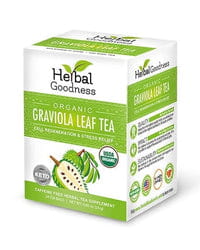
When preparing for a cupping, you may want to have some finished teas available for reference, such as Soursop Leaf Tea Graviola Leaves - Organic 24/2g Tea Bags - Immunity & Cell Renew, to compare aroma and mouthfeel directly with your wholesale samples.
Optional Add-ons:
- Timer or stopwatch
- Spittoon or waste bowl (for tasting events with multiple samples)
- Aroma cups (tall, slim cups to focus the scent)
Preparing Tea Samples: Consistency is Key
To truly compare teas, consistency in preparation is crucial. For a useful cupping, all teas must be brewed under the same conditions, so differences reflect the tea itself, not your method.
Sample Preparation Steps
- Weigh Your Tea: Measure the same amount of tea for each sample (commonly 2–3 grams per 150 ml water, or about one rounded teaspoon).
- Water Temperature: Use filtered water and maintain temperature suited for each type: green teas (160–180°F), oolongs (185–205°F), black teas (200–212°F). In practice, if you’re comparing the same style, use the same temperature.
- Steeping Time: Keep infusion time consistent for all samples (usually 3–5 minutes for most loose-leaf teas).
- Brew Simultaneously: Start the timer together for all lots, so they steep evenly.
- Serve Immediately: Once steeping is complete, pour into tasting cups right away.
Tip: Label each sample clearly (with numbers or names) to avoid mix-ups during tasting and scoring. A variety set like the Herbal Tea Gift Set – Wellness Tea Gift Variety Collection - Organic 24 Teabags is a practical choice for those starting out, providing multiple organic options in one box.
The Cupping Experience: Evaluating Your Organic Teas
Now comes the heart of the process: examining, smelling, and tasting each tea systematically. Use a simple tasting template to record your experience. Here are the four categories most helpful for wholesale evaluation:
1. Aroma
- Dry Leaf: Before brewing, inhale the fragrance of the dry leaves. What stands out? Notes of floral, vegetal, fruity, or earthy?
- Wet Leaf: Smell the leaves after steeping. Are new aromas present? How intense are they?
- Liquor (Brewed Tea): Gently sniff the infusion. Does it entice you? Is it bright, mellow, grassy, malty?
2. Clarity & Appearance
- Observe the color and brightness of the tea liquor in a white or transparent cup. Is it clear, cloudy, or filled with particles?
- High-quality organic teas are often prized for shimmering clarity and a color appropriate for their type. Clarity is particularly observable with Bulk Herbs & Roots - Organic 4oz Bags - Herbal Tea, since whole ingredients deliver a vibrant cup.
3. Freshness
- Freshness often shines most in aroma and flavor. Does the tea taste lively, vibrant, and pure? Or is it flat or stale?
- Freshness can be subjective but is often marked by how clean and layered the flavors present themselves on the palate.
4. Mouthfeel
- Sip and gently swirl the tea in your mouth. How does it feel? Evaluate for body (light, medium, or full), smoothness, astringency, and lingering sensations.
- Does it coat the palate softly, feel brisk and refreshing, or leave a drying aftertaste?
Scoring Tips: Keep your evaluation accessible: use a simple 1–5 scale (1 = low, 5 = outstanding) for each category. Make detailed notes—writing down impressions, not just scores, helps over time.

Making Tasting Notes Actionable: From Scores to Smarter Buying
Once you’ve cupped and scored your tea lots, put those insights to work. Here’s how tasting notes help you shop and plan with confidence:
- Compare Lots: See which samples stand out on key categories for your needs—sometimes a tea with a high aroma score but a low mouthfeel score may suit certain blends or menu items better. Seasoned buyers sometimes supplement their menu with unique infusions, such as Bamboo Leaf Tea – 24/1.5g Tea Bags - Nature's Collagen & Biotin for added variety.
- Seasonal Menu Planning: Use cupping results to introduce limited edition offerings, highlight seasonal flavors, or rotate teas according to harvest freshness.
- Supplier Discussions: Share cupping feedback with vendors—clear notes can help you request specific profiles in future orders.
- Customer Communication: Translate your notes into rich descriptions on menus or retail tags, enhancing the customer experience. For guests interested in immune-supporting options, referencing products like Soursop Leaf Graviola Extract - - Organic 15X Liquid Extract - Cell Renew & Immunity can bring added value to your selections.

Sample Tasting Template for Wholesale Tea Cupping
Use this easy-to-copy template for each tea sample:
Tea Name/Lot: Type:
- Aroma (Dry / Wet / Liquor):
- Clarity / Color:
- Freshness:
- Mouthfeel:
- Overall Impression / Notes:
- Score (1–5):
Customize as needed for your team or retail context. The act of recording encourages thoughtful observation and makes follow-up comparisons much easier.
Extra Tips for Leading a Memorable Tea Cupping
- Keep Groups Small: For focused conversation, 2–6 people works best for in-house tastings.
- Taste Blind: Hide brand or supplier information until after notes are recorded to avoid bias.
- Clean Palate: Sip water between teas to reset your taste buds.
- Encourage Discussion: Group debriefs often reveal surprising preferences. Enhancing a group’s palate can be supported with superfood infusions such as Sea Moss - Raw Dried from St Lucia - 8oz Bag - Nature's MultiVitamins, providing additional nutrients beneficial for frequent tasters.
Turning Cupping Insights Into Business Wins
Hosting regular wholesale tea cuppings helps more than just purchasing—it builds expertise, strengthens your staff’s palate, and makes your brand stand out as knowledgeable and quality-driven. Whether you’re stocking a boutique, crafting a café menu, or exploring seasonal flavors, simple cupping sessions can unlock a more nuanced, confident approach to tea selection.
A structured tasting process will set your tea program apart and elevate your customer experience. And with a commitment to quality and transparency, you can introduce guests to products grounded in organic tradition—such as Papaya Leaf Tea - Organic 24/2g Tea Bags—that consistently deliver vibrant taste and wellness benefits.
Embrace the process: every cup tasted is a step toward deeper appreciation for the nuanced world of organic loose-leaf teas.
FAQs:
- What is wholesale tea cupping?
Wholesale tea cupping is a structured tasting process used by businesses to evaluate multiple lots of organic loose-leaf tea. It helps compare aroma, flavor, appearance, and mouthfeel to guide purchasing and menu development.
- Why is consistency important when cupping tea samples?
Consistency ensures differences in taste or appearance come from the tea itself, not brewing variation. Using the same water temperature, steeping time, and tea quantity offers a fair side-by-side evaluation.
- What are the main categories to score in a tea cupping?
The four most practical categories are aroma, clarity/appearance, freshness, and mouthfeel. Scoring these allows for objective comparison between different tea lots.
- How do I use tasting notes for better purchasing decisions?
Use your notes to identify lots with the qualities you value most. Feedback helps with supplier communication and curating teas that align with your shop’s brand and seasonal goals.
- Do I need special equipment to host a tea cupping?
No specialized tools are required. Common items like cups, spoons, a kettle, a kitchen scale, and notepads work for a basic yet effective cupping session.
- How does organic certification play into wholesale cupping?
Organic certification signals a tea is grown without synthetic chemicals. Cupping lets you verify these organic lots also deliver on freshness, quality, and flavor.
- How many teas should I include in each cupping?
Three to five samples per session works well. This allows you to focus and avoid palate fatigue, making each comparison more meaningful.
Author Name:
Herbal Goodness Editorial Team
Author Bio:
The Herbal Goodness Editorial Team specializes in holistic health and superfoods, blending science and nature to educate and empower our community.
References:
Introducing Graviola to Young Taste Buds: Fun, Family-Friendly Flavor Exploration
Graviola in the Classroom and at Home: Creative Activities to Teach Kids About Tropical Plants
Why Social Impact Matters in Plant-Based Wellness
Share this
Popular posts


FAQs
1. What are the main benefits of drinking bamboo leaf tea?
Drinking bamboo leaf tea supports hydration, relaxation, skin wellness, and antioxidant balance.
2. What is bamboo leaf extract used for?
It’s used for general body wellness, skin elasticity, hair and nail support, and overall vitality.
3. Can bamboo leaf help with skin care and body wellness?
Yes, bamboo leaf is rich in silica and antioxidants, which promote healthy skin, strong nails, and a youthful glow.
4. What forms of bamboo leaf are available?
You can find dried bamboo leaf, powder, extract, drops, oil, and bamboo leaf green tea.
5. Are there any side effects of bamboo leaf?
Bamboo leaf is generally safe when consumed in moderation. Always consult your healthcare provider before starting any new herbal supplement.