





How to Create Herbal Tea Tasting Cards for Your Herbal Tea Bundle

Curiosity is at the heart of every tea journey, especially when discovering a new herbal tea bundle. Each dried leaf or petal is a story waiting to unfold—not just in a warm mug, but in the senses and experiences of your customers. Designing tasting cards and educational inserts gives buyers an interactive invitation to truly explore your teas, offering clear and flavorful guidance without technical jargon, health claims, or information overload. In this guide, we reveal how to thoughtfully create sensory-rich, practical materials that invite tea lovers to savor every cup, connect with each ingredient, and understand your brand’s values—while making sustainable, low-waste choices along the way.
Why Sensory-First Materials Matter for Herbal Tea Bundles
When customers open a herbal tea bundle—whether curated for gifts, seasonal exploration, or daily enjoyment—they crave more than just taste. They seek understanding: What does each tea taste or smell like? How should it be steeped? What’s the story behind the flowers, roots, or herbs that infuse their cup? Well-designed tasting cards and educational inserts transform a simple product into an immersive experience by:
- Guiding the tasting process in a friendly, non-intimidating way
- Highlighting sensory qualities—aroma, color, mouthfeel—using evocative (not technical) language
- Sharing brief ingredient stories that spark interest and emotional connection
- Influencing purchasing decisions through clear, transparent communication (like easily-seen allergen cues)
- Appealing to eco-conscious values via low-waste and recyclable formats
These tangible pieces serve not only as functional guides but as tokens of your brand’s thoughtful care. Customers looking for a well-rounded experience often select an Organic Herbal Tea Gift Set | 24 Teabags Wellness Collection, making their tea ritual unforgettable.
Creating Simple and Inviting Tasting Notes
Focus on Flavor and Aroma
Tasting notes can sometimes feel overwhelming or overly complex—especially in the world of fine teas. For herbal tea bundles aimed at curious customers, prioritize approachability. Use sensory prompts that help drinkers tune into:
- Primary flavors: Is this blend floral, fruity, earthy, spicy, or refreshing?
- Aromatic highlights: What stands out—notes of citrus, mint, wood, or honey?
- Mouthfeel and body: Is the infusion light and delicate, or bold and full?
Sipping Soursop Leaf Tea | Organic Graviola 24 Bags | Soursop Tea Benefits for Immunity & Wellness lets tea lovers explore a naturally vibrant and aromatic infusion.
Example Flavor Note:
“Bright and uplifting, this herbal blend greets you with a lemony aroma and gentle floral sweetness, finishing with a soft, cooling sensation that lingers pleasantly on the palate.”
Sensory Prompts for Every Palate
Encourage customers to engage all their senses. Craft prompts such as:
- “Notice the gentle floral bouquet as you breathe in the steam.”
- “Let the first sip rest on your tongue—what flavors come forward?”
- “Observe the infusion’s color—how does it set the mood?” This approach makes each tea session an act of self-discovery. Those who enjoy variety may find the Herbal Tea Trio Bundle | Guava, Hibiscus & Avocado – 3 Organic Packs an ideal way to explore.
Writing Clear Steeping Instructions
Find the Sweet Spot of Simplicity and Precision
Different herbal blends may steep best with varied times and temperatures, but you don’t need detailed charts or niche tools. Instead:
- Standardize temperatures (e.g., “just boiled” or “hot, not boiling”) when you can
- Use clear measurements: “1 teaspoon per 8 oz cup” works for most loose leaf
- Describe timing simply: “Steep for 5–7 minutes for fuller flavor”
Herbal varietals, like Organic Hibiscus Tea 24 Bags | Heart Health & Antioxidant Wellness, can shine with short and simple directions that invite experimentation.
Example Steeping Instruction:
“Add 1 teaspoon to a cup of hot water (just off boil). Steep 5–7 minutes for a gentle, balanced cup.”
This method keeps instructions accessible to beginners while still rewarding those who experiment. An infusion such as Organic Papaya Leaf Tea | 24 Premium Bags – Caffeine-Free can be enjoyed with minimal fuss.
Short Ingredient Stories: Inspire Discovery, Not Overwhelm
Connect Without Technical Jargon
Herbal teas are defined by their plants—roots, leaves, flowers, and fruits that have been valued globally over centuries. Ingredient stories should spark curiosity, not crowd the card with scientific details or unsupported claims. Aim to:
- Highlight origin stories: “Hand-harvested spearmint from sunny hillsides brings clean, crisp notes to this blend.”
- Mention traditional uses: “Chamomile has long found its place in evening rituals.”
- Share unique facts: “Hibiscus imparts a vibrant ruby color as soon as it meets hot water.” Keep text short and focused, offering a fun fact or sensory tidbit rather than listing studied effects. If customers are eager to try the origin stories themselves, Bulk Loose Leaf Teas & Tisanes - Organic 4oz - Herbal Wellness Teas are a great resource for at-home adventures.
Allergen Cues: Offer Transparency and Inclusivity
Make Allergen Information Easy to Spot
Tea drinkers increasingly demand transparency. Allergens in herbal tea can include nuts (like almond flavoring), gluten (barley), or even citrus peels. To address this gently:
- Use consistent icons or color blocks: A simple symbol can cue “contains nuts” or “caffeine free” at a glance
- Place allergen cues near ingredient lists
- Phrase cautiously: “Blended in a facility that also handles tree nuts”
- List all ingredients clearly, even minor additions
By proactively displaying allergen information, you empower all customers—especially those with specific dietary needs—to make joyful, confident choices. The Organic Herbal Tea Trio – Build-Your-Own Bundle | Mix & Match Any 3 USDA Organic Herbal Teas & Save 20% gives tea lovers control over their choices with transparent labeling.
Exploring Low-Waste and Sustainable Printing Options
Choose Eco-conscious Print Materials
Modern tea lovers often weigh packaging impact along with product quality. Tasting cards and educational inserts offer a chance to display your sustainability ethos:
- Use recycled or FSC-certified paper for a tactile, eco-friendly look
- Consider plant-based inks and minimalist designs to reduce chemical use
- Opt for compact card sizes (smaller inserts = fewer resources)
- Print on both sides to maximize space and minimize material
- Offer QR codes linking to digital guides or deeper stories, reducing the need for multi-page inserts
Subtle indicators—like “Printed on 100% recycled paper”—build trust and resonate with buyers who care about footprint. Pairing eco-conscious materials with botanical-focused teas, such as Bamboo Leaf Tea 24 Bags | Nature's Silica – Collagen & Biotin Support, is a meaningful step for brands.
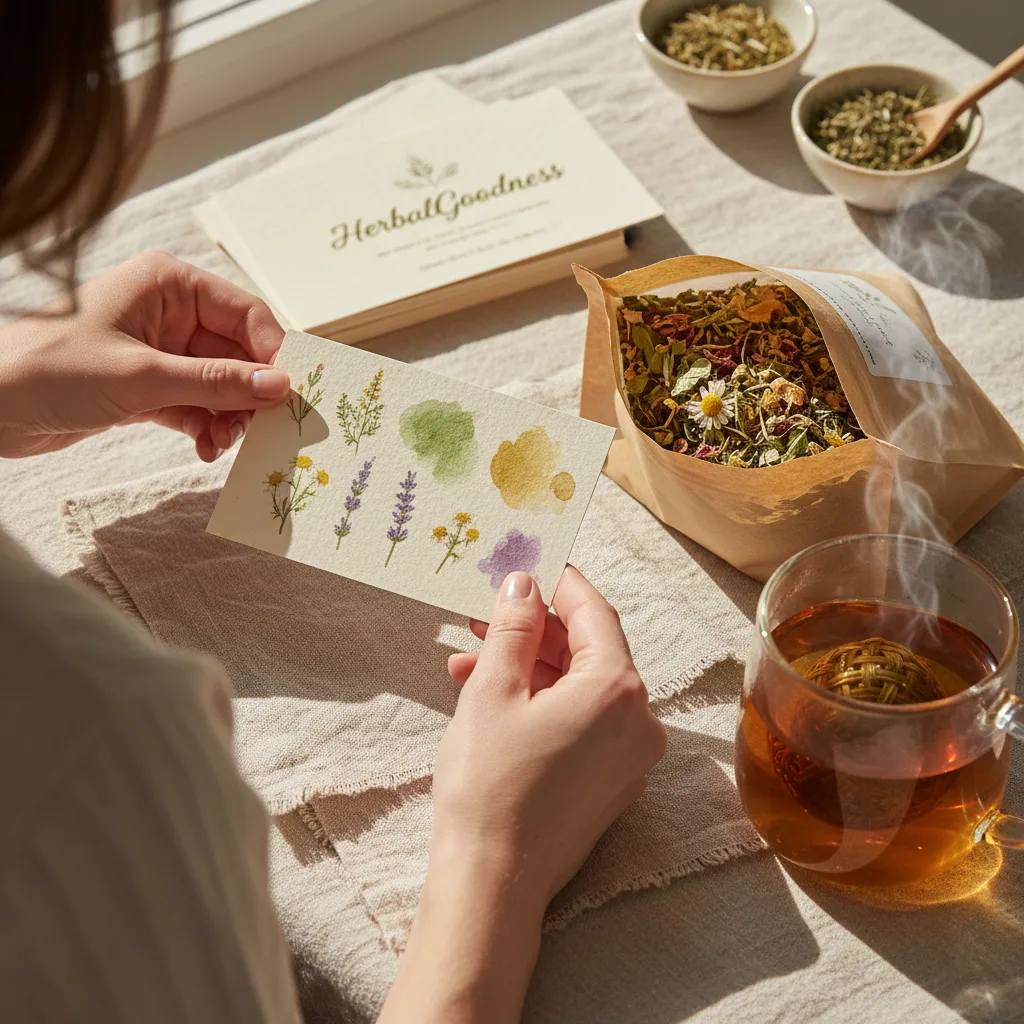
Organizing Your Material: A Card for Every Tea
Consistent, Bundle-Friendly Design
A well-designed herbal tea bundle features tasting cards that feel connected and cohesive. Consider:
- Uniform card sizes for easy storage
- Matching aesthetic elements: cohesive fonts, color schemes, and layouts
- Easy-to-read typography—especially for those reading in low light, like a cozy evening tea ritual
Adding Bulk Herbs & Roots Online for Tea, Tinctures & DIY Wellness - Organic 4oz Bags empowers curious customers to experiment with their own blends while deepening appreciation for ingredient stories.
Card Placement and Packing
- Loose in the bundle: Each card included beside its related tea
- Collective booklets: All notes in a compact, recyclable booklet
- Pocket-style sleeves: For those who want to collect cards over time

Crafting for Curious Customers: Discovery Above Prescription
Herbal tea appeals to every sense—sight, smell, touch, taste, and even sound (think of a bubbling kettle!). Your goal isn’t to prescribe a “right way” but rather to invite curiosity, exploration, and personal enjoyment. Tasting cards and inserts should:
- Foster a beginner-friendly, welcoming tone
- Avoid technical or medical language
- Encourage experimentation (“Try this tea iced on a warm day!”)
- Engage customers with gentle stories and suggestions, not rules
- Leave space for buyers to jot their own notes, should they wish
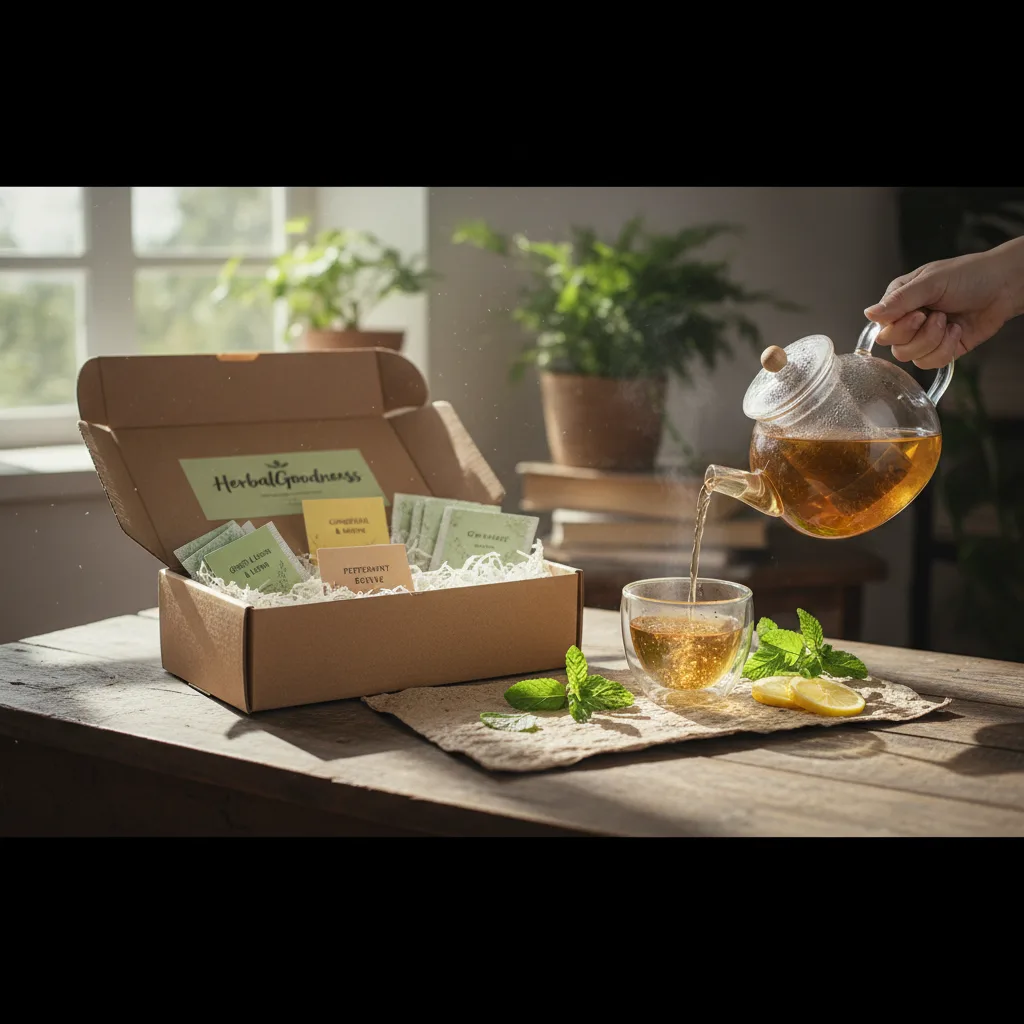
By shining a spotlight on flavor, origin, story, and sustainability, you elevate every unboxing and first sip—transforming customers into informed, adventurous tea enthusiasts. As sustainability and mindful choices grow in importance, educational inserts and sustainable printing reinforce your commitment and help new customers connect with both your tea and your brand story in lasting, memorable ways.
Frequently Asked Questions
Question 1: How do tasting cards enhance a herbal tea bundle?
Answer: Tasting cards enhance a herbal tea bundle by providing sensory prompts, ingredient stories, and easy-to-follow steeping instructions, making the experience educational and immersive. Bundles like the Organic Herbal Tea Gift Set | 24 Teabags Wellness Collection include thoughtfully designed inserts for a richer tea journey.
Question 2: What is the best way to write steeping instructions for various teas?
Answer: The best approach is to keep steeping instructions simple and standardized, such as using 'just-off-boil' for water temperature and clear timing like 'steep for 5–7 minutes.' This style is featured in quality teas such as Organic Hibiscus Tea 24 Bags | Heart Health & Antioxidant Wellness.
Question 3: How can brands make allergen information more accessible?
Answer: Brands can use icons, color blocks, and place allergen information clearly next to ingredient lists to enhance accessibility. Transparent bundles like Herbal Tea Trio Bundle | Guava, Hibiscus & Avocado – 3 Organic Packs illustrate this well.
Question 4: Why are sustainable materials important for tasting cards?
Answer: Using recycled or FSC-certified paper and plant-based inks for tasting cards demonstrates environmental commitment and resonates with eco-minded tea lovers. Teas such as Bamboo Leaf Tea 24 Bags | Nature's Silica – Collagen & Biotin Support partner perfectly with these values.
Question 5: How can I create a cohesive experience with tea bundle cards?
Answer: Maintain consistency in card size, fonts, and color schemes across your tasting cards. Bundles that include Bulk Herbs & Roots Online for Tea, Tinctures & DIY Wellness - Organic 4oz Bags can also inspire creativity and collection.
Question 6: Are there teas specifically designed for experimenting with flavors?
Answer: Yes, options like Bulk Loose Leaf Teas & Tisanes - Organic 4oz - Herbal Wellness Teas encourage experimenting with different flavors and stories at home.
Question 7: What’s a beginner-friendly tea bundle to start with?
Answer: Organic Herbal Tea Trio – Build-Your-Own Bundle | Mix & Match Any 3 USDA Organic Herbal Teas & Save 20% is beginner-friendly, letting you curate your experience based on taste and dietary needs.
Curious to enhance your own herbal tea bundle experience? Explore the possibilities by choosing teas packaged with thoughtful, sensory-driven tasting cards and eco-friendly inserts—the perfect guide for every flavor adventure.
About the Author
Herbal Goodness Editorial Team
The Herbal Goodness Editorial Team specializes in holistic health and superfoods, blending science and nature to educate and empower our community.
References
Liquid Herbal Focus Supplements: Key Ingredients & Safe Use
Liver‑Cleanse Botanicals 101: Flavor, Plant Parts, and Choosing Liquid Extracts
Memory-Associated Herb Drops Explained: Extraction, Flavor, and Daily Rituals
Mood Support Drops: Which Format Works for Your Lifestyle?
Plan a 15-Day Herbal Capsule Reset Around Your Daily Schedule
Share this

Popular posts


FAQs
1. What are the main benefits of drinking bamboo leaf tea?
Drinking bamboo leaf tea supports hydration, relaxation, skin wellness, and antioxidant balance.
2. What is bamboo leaf extract used for?
It’s used for general body wellness, skin elasticity, hair and nail support, and overall vitality.
3. Can bamboo leaf help with skin care and body wellness?
Yes, bamboo leaf is rich in silica and antioxidants, which promote healthy skin, strong nails, and a youthful glow.
4. What forms of bamboo leaf are available?
You can find dried bamboo leaf, powder, extract, drops, oil, and bamboo leaf green tea.
5. Are there any side effects of bamboo leaf?
Bamboo leaf is generally safe when consumed in moderation. Always consult your healthcare provider before starting any new herbal supplement.