





Choosing Sleep Tea: Flavor Profiles, Ingredients & Brewing Tips

Finding the ideal sleep tea isn’t just about what’s popular or what’s written on the package—it’s about discovering a flavor and ritual that truly helps you unwind in the evening. For flavor-focused shoppers, that means picking blends you’ll genuinely look forward to sipping, not just those with sleepy branding. In this flavor-first guide to nighttime herbal blends, we’ll explore how to decode ingredient lists, spot flavor profiles you’ll actually appreciate, weigh the pros and cons of loose leaf versus compostable bags, and master a handful of brewing techniques that turn any purchased tea into a calming cup. Whether you’re new to the world of herbal sleep teas or hoping to refine your nightly ritual, this practical guide is designed to help you find a blend you love—for taste, comfort, and truly restful evenings.
Why Focus on Flavor When Choosing a Sleep Tea?
Shopping for a sleep tea can be overwhelming. With so many marketing claims, dreamy label designs, and buzzwords about "relaxation," it’s easy to forget that enjoying your evening cup depends as much on taste as the ritual itself. Choosing a sleep tea you actually enjoy drinking is key to making it a steady part of your wind-down routine.
The Ritual and Comfort Factor
Traditional herbal teas have long been valued for their comforting aromas, gentle taste, and role in creating moments of mindful transition before bed. When flavor matches your personal preferences, this nightly cup becomes something to anticipate instead of avoid. That reliable enjoyment supports a sense of ease—without relying on medical claims or unproven ingredients.
Decoding Ingredient Lists: What’s Really Inside Your Nighttime Herbal Blend
Understanding what’s in your tea is the first step to finding a blend that suits your palate. Sleep teas often combine several herbs, each bringing unique aromas and flavors.
How to Read a Herbal Tea Ingredient List
- Ingredients Are Listed by Weight: The tea’s first-listed herb is typically the most abundant.
- Recognize Botanical Names: You’ll often see Latin names alongside common ones (e.g., Matricaria chamomilla for chamomile).
- Spot Additives: Look for natural versus artificial flavors, as these can dramatically change taste and aroma.
- Keep It Simple: Fewer ingredients often mean a clearer, more pronounced flavor profile.
Common Ingredients and Their Flavors
- Chamomile: Sweet, apple-like, floral.
- Lemon Balm: Light citrus, subtle herbal brightness.
- Peppermint/Spearmint: Crisp, cooling, refreshing.
- Lavender: Soft floral, sweet, slightly woody.
- Valerian Root: Earthy, musky, often paired with sweet herbs to mellow intensity.
- Passionflower: Grassy, gently floral.
When reading ingredient lists, imagine the flavor contributions of the first three components—these usually dominate the blend. If you prefer a gentle, soothing taste, consider trying calming blends like Soursop Leaf Tea | Organic Graviola 24 Bags | Soursop Tea Benefits for Immunity & Wellness, which blends subtle flavor with wellness benefits.
Exploring Flavor Profiles: Find a Sleep Tea That Matches Your Taste Preferences
Your favorite sleep tea should taste as inviting as your favorite sweater feels. Shopping by flavor profile, not just function, leads to genuine enjoyment and long-term ritual.
The Main Herbal Sleep Tea Flavor Families
- Floral: Chamomile, lavender, rose
- Minty: Peppermint, spearmint, lemon mint
- Sweet-Herbal: Licorice root, fennel, anise seed
- Earthy: Valerian root, passionflower, skullcap
- Citrusy: Lemon balm, lemongrass, orange peel
Matching Flavor to Your Ritual
-
For Sweet Comfort: Seek blends with chamomile, licorice, or rosehips for a round, comforting mouthfeel. Those wanting to explore a naturally sweet and caffeine-free alternative might enjoy Organic Papaya Leaf Tea | 24 Premium Bags – Caffeine-Free.
-
For Cool Freshness: Choose peppermint-dominant blends—these are uplifting yet gentle before bed.
-
For Delicate Fragrance: Try teas starring lavender or passionflower for a truly fragrant experience.
-
For a Herbal Touch: Lemon balm and lemongrass add brightness without overpowering the cup.
Mixing and Matching: What Works Together?
Herbalists carefully balance flavors in sleep teas. Too many bold botanicals can create discord, while a thoughtfully paired blend (e.g., chamomile and lemon balm, or peppermint and lavender) is soothingly harmonious.
When tasting a new blend, note which flavors stand out and whether any seem out of place for your preferences. Many brands, including Herbal Goodness, list both the flavor highlights and the intended mood of their blends to make this easier.
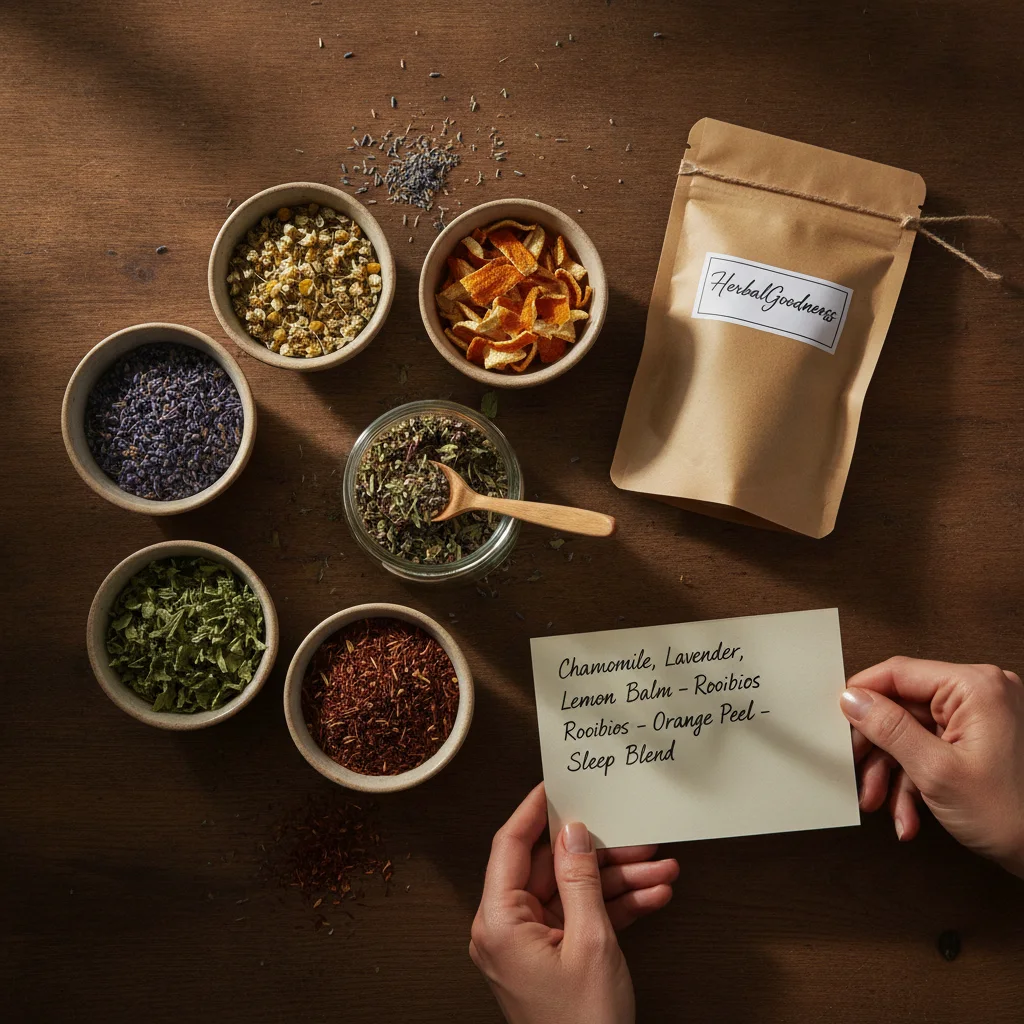
Choosing Between Loose Leaf and Compostable Bags: Which Format Matches Your Evening Routine?
Another practical choice when shopping for sleep tea is its format. Both loose leaf and compostable tea bags have their strengths—select what aligns with your ritual, values, and convenience needs.
Loose Leaf Sleep Tea
- Full leaves and flowers, often with visible chunks
- Richer aroma and deeper flavors
- Typically more customizable: you can tweak the amount for a stronger or lighter cup
- Requires infuser or teapot and a few minutes for proper brewing
Exploring premium Bulk Loose Leaf Teas & Tisanes - Organic 4oz - Herbal Wellness Teas can be a great way to access a world of unique nighttime blends and develop your own ritual.
Compostable Tea Bags
- Pre-portioned and quick to use
- Neat and convenient for work trips, travel, or minimal cleanup
- Many now use unbleached, biodegradable materials, appealing to eco-conscious drinkers
- Sometimes contain smaller-cut herbs, which may brew faster but with a slightly less complex flavor
Picking the Best Match
- Choose loose leaf if you enjoy mindful preparation or experimenting with taste intensity.
- Opt for compostable bags if portability and quick cleanup are more important to you, especially for late-night routines. For a ready-to-brew, flavor-rich tea, Soursop Leaf Tea | Organic Graviola 24 Bags | Soursop Tea Benefits for Immunity & Wellness is a favorite among tea lovers seeking convenience and taste.

Easy Brewing Notes: Turning Your Purchased Sleep Tea into a Calming Cup
Perfecting the way you brew your sleep tea can transform your experience, enhancing both taste and your sense of evening ritual. Here are a few essential tips for both beginners and daily tea drinkers.
The Basics for the Best Flavor
- Use Fresh, Filtered Water: Water quality impacts taste. Use cold, filtered water for best results.
- Measure Carefully: For loose leaf, start with 1–2 teaspoons per cup. For bags, use one per 8 ounces.
- Water Temperature: Herbal sleep teas usually brew optimally at just-below boiling—about 205–210°F (96–99°C).
- Steep Time: Most herbal blends need 5–7 minutes. Taste as you go and adjust for preference—longer steeping often intensifies flavor.
- Covered Steeping: Cover your mug or pot while brewing to trap delicate aromas.
If you like to personalize your ritual, exploring Bulk Herbs & Roots Online for Tea, Tinctures & DIY Wellness - Organic 4oz Bags allows for complete customization of your blends.
Enhancing the Ritual
- Add a Comforting Twist: After steeping, a drizzle of honey or a splash of plant-based milk can make floral or earthy teas more soothing.
- Slow Sip, Mindful Moment: Let the cup cool to a comfortable warmth, then sip slowly, paying attention to aroma and taste.
- Pause before Sleep: Allow yourself a few technology-free minutes to truly savor the tea and the calming reset it brings.
Shopping Tips: How to Choose a Sleep Tea You’ll Love
- Sample Sizes: Before buying a full box, look for sample packs or single-serve sachets to discover flavors you love. The Organic Herbal Tea Trio – Build-Your-Own Bundle | Mix & Match Any 3 USDA Organic Herbal Teas & Save 20% is a fantastic way to sample multiple blends.
- Read Real Reviews: Customer notes often describe taste and aroma in helpful, down-to-earth terms.
- Check for Transparency: Brands like Herbal Goodness offer full ingredient transparency and sustainable packaging, which supports informed, values-driven choices.
- Ask for Recommendations: Tea shops and natural wellness stores often list bestsellers by flavor, not just by function. Trying options such as Bamboo Leaf Tea 24 Bags | Nature's Silica – Collagen & Biotin Support can add nutritious variety to your nightly ritual.
Building Your Personal Sleep Tea Ritual
Forming a calming nighttime tea ritual starts with a blend that appeals to your taste buds and supports relaxation by the simple joy of sipping. Give yourself permission to experiment: there’s no single winning sleep tea for everyone. Let your senses guide you—flavor first, always—and enjoy the comforting transition from busy day to restful night.
Frequently Asked Questions
Question 1: How do I pick a sleep tea if I don't like common ingredients like chamomile?
Answer: Consider blends with unique botanicals such as Soursop Leaf Tea | Organic Graviola 24 Bags | Soursop Tea Benefits for Immunity & Wellness or experiment with Bulk Loose Leaf Teas & Tisanes - Organic 4oz - Herbal Wellness Teas to find new flavors.
Question 2: What’s the difference in flavor between loose leaf tea and tea bags?
Answer: Loose leaf sleep teas often provide richer, more complex aromas, while compostable tea bags offer convenience and a quicker brew. Try both Bulk Loose Leaf Teas & Tisanes - Organic 4oz - Herbal Wellness Teas and Soursop Leaf Tea | Organic Graviola 24 Bags | Soursop Tea Benefits for Immunity & Wellness for a firsthand comparison.
Question 3: Are there any naturally caffeine-free options good for before bed?
Answer: Yes, herbal infusions such as Organic Papaya Leaf Tea | 24 Premium Bags – Caffeine-Free and soursop leaf tea are naturally caffeine-free, making them ideal for nighttime relaxation.
Question 4: Can I blend my own herbal teas for sleep?
Answer: Absolutely! With Bulk Herbs & Roots Online for Tea, Tinctures & DIY Wellness - Organic 4oz Bags you can mix botanicals to suit your preferred flavor and relaxation benefits.
Question 5: What should I look for on the ingredient list for the best flavor?
Answer: Prioritize blends where your favorite botanicals are among the first three listed and prefer products with pure natural ingredients, such as Soursop Leaf Tea | Organic Graviola 24 Bags | Soursop Tea Benefits for Immunity & Wellness, for clear and enjoyable taste.
Question 6: Are there herbal teas that support other wellness goals and taste good before bed?
Answer: Yes, options like Bamboo Leaf Tea 24 Bags | Nature's Silica – Collagen & Biotin Support provide additional wellness support while still delivering a pleasant, calming flavor.
Question 7: How can I try different sleep teas without buying full-size packs?
Answer: Look for sampler bundles. The Organic Herbal Tea Trio – Build-Your-Own Bundle | Mix & Match Any 3 USDA Organic Herbal Teas & Save 20% lets you discover several flavors before committing to a larger box.
Ready to find a sleep tea that truly suits your senses? Let flavor, aroma, and mindful ritual guide your next nighttime herbal blend—explore and enjoy your journey to a restful evening.
About the Author
Herbal Goodness Editorial Team
The Herbal Goodness Editorial Team specializes in holistic health and superfoods, blending science and nature to educate and empower our community.
Related blogs:
How to Spot Scams and Red Flags When Ordering Concentrated Papaya Leaf
New Year, New Look at Herbal Goodness! Explore What's in Store for You
Papaya - Fruit Of The Angels - Health Benefits
Best Herbal Supplements to Take Daily: Practical Guide to a Simple Rou
Papaya Seed Circularity: How Organic Seed Extraction Supports Low-Wast
Where to Buy the Best Organic Soursop Leaf Tea: Buyer's Guide
Oil of Oregano Prices in 2026: Factors Behind Changing Costs Online
How to Get Local Stores to Stock Guava Leaf Tea Successfully
How to Incorporate Platelet-Support Liquid Extracts Daily
Sea Moss and Men’s Wellness: What It Offers and Answers to Common Question
Share this
Popular posts


FAQs
1. What are the main benefits of drinking bamboo leaf tea?
Drinking bamboo leaf tea supports hydration, relaxation, skin wellness, and antioxidant balance.
2. What is bamboo leaf extract used for?
It’s used for general body wellness, skin elasticity, hair and nail support, and overall vitality.
3. Can bamboo leaf help with skin care and body wellness?
Yes, bamboo leaf is rich in silica and antioxidants, which promote healthy skin, strong nails, and a youthful glow.
4. What forms of bamboo leaf are available?
You can find dried bamboo leaf, powder, extract, drops, oil, and bamboo leaf green tea.
5. Are there any side effects of bamboo leaf?
Bamboo leaf is generally safe when consumed in moderation. Always consult your healthcare provider before starting any new herbal supplement.