How to Buy Herbal Beauty Supplements: A Beginner’s Guide to Reading Labels

Understanding Herbal Beauty Supplements: The Basics
The world of herbal beauty supplements is growing as more people search for natural ways to support their appearance. Whether you’re considering supplements for healthy skin, hair, or nails, knowing how to evaluate a product empowers you to make thoughtful choices. This guide offers a beginner’s perspective on shopping for herbal beauty supplements—with a focus on understanding labels, common plant ingredients, and clean-beauty checklists.
The Difference Between Cosmetic Claims and Dietary Supplement Labels
When it comes to beauty, products on the market fall under two main categories: cosmetics and dietary supplements. Each is regulated differently in the U.S., leading to important differences in how they’re labeled and marketed.
What Makes a Supplement vs. a Cosmetic?
- Cosmetics are products applied directly to skin, hair, or nails. They’re labeled for topical use (think creams, lotions, and serums).
- Dietary supplements are meant to be ingested (swallowed, chewed, or dissolved) and provide nutrients, herbs, or other botanicals. These products have “Supplement Facts” labels and are typically in capsule, powder, or liquid form.
If you’re exploring options for skin or hair, compare the “Ingredients” panel on cosmetics with the “Supplement Facts” on items such as Radiantly Good Looking - 2fl.oz - Skin & Anti-Aging to spot important distinctions between application methods.
Key Label Distinctions
- Cosmetics: Claims focus on physical improvement (e.g., “softens skin” or “boosts shine”). Ingredients are listed under “Ingredients.”
- Dietary Supplements: Claims reference nutritional content or how a nutrient supports the body’s structure or function (e.g., “supports collagen production” or “contributes to healthy hair growth”). Labels will have a “Supplement Facts” panel with serving size and ingredient breakdown.
- Neither can legally make statements about curing, treating, or preventing medical issues.
Decoding Supplement Labels: What to Look For
Understanding a supplement label helps you separate marketing fluff from useful details. Here’s what beginners should focus on:
1. Supplement Facts Panel
The “Supplement Facts” panel shows:
- Serving size (e.g., 2 capsules)
- Amount of each active ingredient per serving (like 500 mg horsetail extract)
- Other ingredients (capsule material, fillers, etc.)
When scanning for natural blends, supplements such as Beauty Builder - 1oz 15X Liquid Extract - Anti-Aging & Skin Elasticity often provide more robust breakdowns right on the label.
2. Ingredient Transparency
Look for:
- Botanical name as well as the common name (e.g., Equisetum arvense for horsetail)
- Standardized extract information (standardized to a certain percentage of active components)
- The part of the plant used (e.g., leaf, root, seed)
Transparency is crucial, especially in blends that contain popular botanicals. High-quality choices such as Bamboo Leaf Tea – 24/1.5g Tea Bags - Nature's Collagen & Biotin specify both common and scientific names, plus extraction details, building trust in what you’re choosing.
3. Non-Active Ingredients
These include capsule materials (gelatin or plant cellulose), preservatives, or natural flavorings. Fewer, simpler inactive ingredients are often preferred.
Popular Herbal Ingredients for Beauty: What They Do
Different plants have been traditionally valued for supporting skin, hair, and nail health. Here are some commonly seen in beauty supplements:
Horsetail (Equisetum arvense)
Traditionally appreciated for its natural silica content, horsetail is often included in formulas marketed for strong hair and nails.
Nettle (Urtica dioica)
Long valued in herbal traditions, nettle contains a range of vitamins and minerals used in beauty blends supporting the look and feel of hair and skin.
Bamboo (Bambusa vulgaris)
Common for its high natural silica content, bamboo extract is popular in beauty supplements focused on shine and structure. Shoppers seeking silica-rich herbal teas will find Bamboo Leaf Tea blends especially notable for beauty routines.
Amla (Phyllanthus emblica)
Known as Indian gooseberry, amla is a traditional fruit used in plant-based wellness and often included for its antioxidant properties.
Gotu Kola (Centella asiatica)
Often incorporated in herbal formulas for skin vitality.
Burdock Root (Arctium lappa)
A classic root in herbal traditions, it is frequently found in supplements marketed for clear, healthy-looking skin.
These ingredients are commonly appreciated rather than scientifically proven for beauty effects, but they have a history of traditional use.
Certifications, Extraction Terms, and Clean-Beauty Signals
With hundreds of options on the market, clean-beauty shoppers develop a checklist. Here’s what to review—especially if you’re new to herbal supplements:
Key Certifications
- USDA Organic: Ensures crops are grown without most synthetic pesticides or fertilizers.
- Non-GMO Project Verified: Indicates ingredients are not genetically modified.
- Vegan/Vegetarian Certified: No animal products or byproducts.
- Kosher/Halal: Denotes specific preparation or ingredient standards.
- Gluten-Free: Helpful for those with specific dietary preferences.
Explore products that proudly display such clean certifications and offer ingredient transparency, like Beauty Builder, for more confidence in your selections.
The Fundamentals of Extraction Terms
- Extract: A concentrated form of an herb, usually specified by alcohol- or water-based extraction.
- Ratio Extracts: You may see “10:1” or similar, meaning 10 parts raw herb were used for each part of extract (higher ratios can mean greater potency).
- Standardized Extract: This notes the amount of a specific active compound—helpful for consistency.
- Powder vs. Liquid: Liquid extracts may use a base like glycerin or alcohol; powders are spray-dried from the whole herb or extract.
Supplements like Radiantly Good Looking and Beauty Builder detail these extraction standards on their panels, making it easier for beginners to understand.
Packaging Matters
- Opaque or dark glass bottles protect sensitive herbal ingredients from light and air.
- Plastic containers should be BPA-free. Sustainability concerns may favor recyclable or low-impact materials.
Third-Party Testing and Transparency
Trusted brands often indicate if their products have been tested for quality, identity, and purity by third-party labs. Look for certifications or batch testing references.
Comparing Herbal Beauty Supplements: Practical Tips
For new shoppers, a little critical thinking goes a long way. Here’s a checklist to guide you:
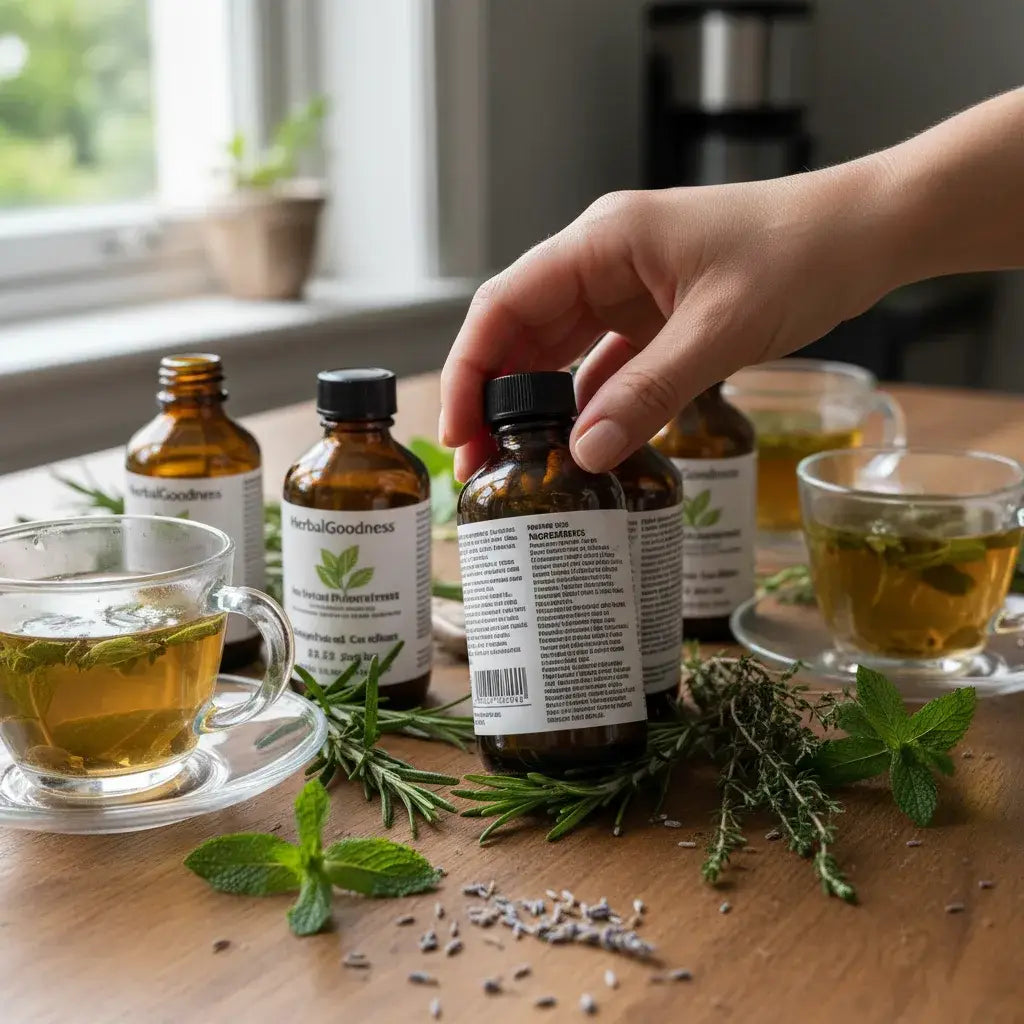
1. Examine the Label Closely Look beyond the front. Flip to the Supplement Facts, ingredient list, and any certification symbols. When comparing teas, Bamboo Leaf Tea provides a clear breakdown of plant sourcing and contents.
2. Note the Botanical Names Seek full disclosure—both the herb’s common and botanical name signal professionalism. Beauty Builder provides detail on standardized compounds, making their transparency stand out.
3. Watch for Overly Broad Claims Be cautious of dramatic promises. Herbal beauty supplements are meant to support wellness from the inside and may support normal biological processes. Supportive blends like Radiantly Good Looking focus on skin nourishment and vibrancy in their descriptions, not unrealistic results.
4. Confirm Testing and Certification Trustworthy supplements will indicate if they’re non-GMO, organic, or third-party tested. Shoppers aiming for transparent sourcing often trust companies listing certification badges or dedicated third-party test results.

5. Evaluate the Ingredient List Familiar, minimal, and whole-food plant ingredients speak to simpler, cleaner products. Look for options like Beauty Builder for concise, transparent ingredient declarations and minimal filler materials.
6. Packaging and Expiry Bottles should be well-sealed and labeled with expiration dates and batch numbers. Premium liquid extracts such as Radiantly Good Looking use light-protected glass containers for freshness.
Clean-Beauty Signals to Watch For
Certain recognizable cues on packaging or websites reflect a brand’s commitment to clean-beauty values. Some include:
- Transparent ingredient disclosures
- Explanation of extract ratios
- Ethically sourced or wild-harvested indications
- Clear allergen lists
- Recyclable/eco-friendly packaging information
- Commitment to non-testing on animals (leaping bunny logo, etc.)
Supplements such as Bamboo Leaf Tea and Beauty Builder embody many of these signals, making label review more intuitive.
What to Ask Before You Buy
If you’re still unsure, these questions can help you evaluate herbal beauty supplements:
- Are all the ingredients clearly listed with both common and scientific names?
- What certifications does this product have (organic, non-GMO, vegan, gluten-free, etc.)?
- Is there information about third-party lab testing or quality verification?
- Is the extraction method (standardized extract, ratio, whole herb) specified?
- Does the packaging protect the product and align with your sustainability values?
Mindful Shopping for Herbal Beauty Supplements
Stepping into the world of herbal beauty is about more than taking a supplement—it’s about being an informed consumer. A focus on label literacy, ingredient transparency, and clean-beauty principles helps you navigate a crowded market and find products that align with your values and preferences. By knowing what to look for and which questions to ask, your supplement shopping becomes empowering and enjoyable.
FAQs:
- What is a dietary supplement, and how is it different from a cosmetic?
A dietary supplement is designed to be ingested to provide nutrients, herbs, or botanicals that support normal body structure or function. Cosmetics, on the other hand, are products applied directly to the hair, skin, or nails to improve appearance or feel. Each has different labeling and regulatory requirements.
- Why is ingredient transparency important when buying herbal beauty supplements?
Ingredient transparency ensures you fully understand what you’re taking. Products that disclose both common and botanical names, plant parts, and extraction methods offer greater confidence in what’s inside.
- What certifications should I look for in clean-beauty supplements?
Certifications to look for include USDA Organic, Non-GMO Project Verified, Vegan/Vegetarian Certified, Kosher, Halal, and Gluten-Free labels. Each assures you of certain ingredient or preparation standards.
- How do I know if a herbal beauty supplement is high quality?
Look for products with clear ingredient labels, recognized certifications, third-party testing references, minimal additives, and eco-friendly packaging. Brands that provide transparent information are generally more trustworthy.
- Should I choose powder or liquid herbal supplements?
Powder and liquid forms both have their place. Liquids may be absorbed differently and can be easier for some people to take, while powders can be added to foods or drinks. The best choice depends on your preferences and lifestyle.
- Why is the extraction method important?
The extraction method (such as standardized extracts or ratios) tells you how concentrated the supplement is and can reflect consistency in the level of active plant compounds from batch to batch.
- Are certifications like 'organic' or 'vegan' just marketing, or do they matter?
These certifications are meaningful—they represent standards for production and ingredient sourcing, which can reflect product purity, ethical production, and environmental considerations.
Author Name:
Herbal Goodness Editorial Team
Author Bio:
The Herbal Goodness Editorial Team specializes in holistic health and superfoods, blending science and nature to educate and empower our community.
References:
Introducing Graviola to Young Taste Buds: Fun, Family-Friendly Flavor Exploration
Graviola in the Classroom and at Home: Creative Activities to Teach Kids About Tropical Plants