Herbal Support for Skin Elasticity: Plant Compounds, Traditions & Everyday Tips

Introduction: Herbal Curiosity for Skin Elasticity
If you’ve ever wondered how nature’s plants might support the look and feel of your skin, you’re not alone. Herbal support for skin elasticity is rooted in global traditions, with countless cultures exploring plant-based rituals to nourish their skin from within and without. Today, interest continues as curiosity grows around botanical compounds like vitamin C–rich herbs, polyphenols, carotenoids, and mucilaginous plants—all valued for their supportive properties. Whether you’re new to these traditions or looking for everyday ways to experiment safely, this guide offers an approachable introduction to the world of skin-friendly botanicals.
How Botanicals Have Supported Skin Adaptability Over Generations
Cultural Traditions and Revered Herbs
Across continents and through centuries, plant-based ingredients have played a central role in rituals for radiant, adaptable skin. For example:
- Indigenous South American communities have long appreciated the pulp and leaves of fruits rich in plant nutrients.
- Asian herbalists often incorporate teas made from roots and leaves for skin vibrancy.
- African traditions utilize mucilaginous plants for topical balms and soothing drinks.
These practices demonstrate the diversity of methods through which people have explored nature’s supportive touch for skin.
Not Just Folklore: Emerging Science Meets Tradition
Beyond tradition, modern research is actively exploring how certain plant compounds interact with the body. While laboratory studies continue to investigate these interactions, much of today’s curiosity focuses on the nutrients, antioxidants, and unique plant molecules found in centuries-old remedies. This synergy between heritage wisdom and contemporary research highlights the ongoing relevance of botanical approaches.
The Essential Compounds: Nature’s Toolkit for Skin Elasticity
1. Vitamin C–Rich Botanicals
Vitamin C is well known for its role in the body’s ability to support skin structure. Many botanicals—such as acerola cherry, camu camu, rose hips, and amla—are naturally high in this important nutrient. Traditional uses of these fruits include infusions, teas, and topical washes.
One modern approach involves exploring Beauty Builder - 1oz 15X Liquid Extract - Anti-Aging & Skin Elasticity, which focuses on plant-based compounds to support elasticity and glow.
What makes vitamin C–rich herbs notable?
- Support for collagen formation: Collagen is a building block of skin structure, and vitamin C supports the body in maintaining its normal levels.
- Antioxidant properties: These botanicals also offer antioxidant activity, which is commonly appreciated for overall wellness.
2. Polyphenols and Skin Adaptability
Polyphenols are plant-based compounds present in a variety of herbs, teas, and fruits. Popular sources include:
- Green tea leaves
- Cacao shells
- Berries
How do polyphenols fit into skin care traditions?
- Traditionally, people have brewed polyphenol-rich teas for regular use.
- Some cultures apply poultices or compresses containing these herbs.
Polyphenols are long valued for their complex interactions with the skin, particularly in traditional bathing and nourishing routines. A well-loved choice is Bamboo Leaf Tea – 24/1.5g Tea Bags - Nature's Collagen & Biotin, valued for mineral and polyphenol content supporting skin texture.
3. Carotenoids: Nature’s Bright Pigments
Carotenoids such as beta-carotene, lutein, and lycopene impart vibrant yellows, oranges, and reds to many herbs and roots. They’re commonly found in:
- Goji berries
- Carrots
- Sea buckthorn
- Papaya
Many people enjoy products like Radiantly Good Looking - 2fl.oz - Skin & Anti-Aging that harness a spectrum of carotenoids and botanicals ideal for supporting a radiant appearance.
Why do people turn to carotenoid-rich botanicals?
- Carotenoids are known for their antioxidant activity.
- They are traditionally believed to contribute to the appearance of healthy, glowing skin.
4. Mucilaginous Herbs: Nature’s Soothing Embrace
Mucilaginous herbs contain plant compounds that take on a gel-like consistency when infused with water. Classic examples include:
- Marshmallow root
- Aloe vera leaf
- Slippery elm
These plants have traditionally been used in soothing applications, both as internal teas and topical gels. Their gentle, comforting properties are often prized in routines aimed at supporting the skin’s natural hydration. For a modern twist, Sea Moss - Raw Dried from St Lucia - 8oz Bag - Nature's MultiVitamins is another mucilaginous option with legacy uses for skin and hydration support.

Everyday Ways to Explore Herbal Support for Skin Elasticity
Brewing Teas
Infusing botanicals as teas is one of the simplest, most traditional methods. Select loose leaves or quality tea bags featuring skin-friendly herbs. For example:
- Brew rose hips, hibiscus, or goji berry teas for Vitamin C and polyphenols.
- Infuse marshmallow root or slippery elm for a naturally soothing drink. The Bamboo Leaf Tea – 24/1.5g Tea Bags - Nature's Collagen & Biotin is a practical and enjoyable option for those ready to include herbal teas with a tradition of skin support.
Herbal Powders
Herbal powders offer versatility:
- Stir into smoothies, yogurt, or oatmeal.
- Opt for powders that specifically highlight vitamin C or carotenoid content.
- Many powders—like acerola or amla—blend well with citrus flavors. You may also find Sea Moss - Raw Dried from St Lucia - 8oz Bag - Nature's MultiVitamins ideal for adding trace minerals and mucilaginous texture to recipes.
Tinctures and Liquid Extracts
Liquid extracts capture the benefits of herbs in a concentrated form. They’re easy to add to water or juice, and may appeal if you’re short on prep time. Always follow the serving guidelines on each product and choose brands with clear ingredient sourcing. Beauty Builder - 1oz 15X Liquid Extract - Anti-Aging & Skin Elasticity liquid extract is formulated with skin elasticity in mind.

Topical Infusions and Balms
Topical traditions remain popular, too:
- Apply aloe vera gel directly to clean skin.
- Use oil infusions of rose petals or calendula for gentle massages.
- Experiment with simple masks made from yogurt and berry purees (do a spot test first, and discontinue if any irritation arises). A holistic approach can be found in Radiantly Good Looking - 2fl.oz - Skin & Anti-Aging, sometimes used both internally and topically as part of a beauty regimen.

Sourcing Clean, Organic, and Ethical Botanicals
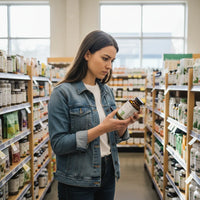
Reading Labels with Confidence
When choosing herbal products for skin support, clear labeling is key. Look for:
- Organic certification: Indicates the herbs were grown without synthetic pesticides.
- Third-party testing: Reputable brands provide transparency about quality.
- Origin information: Knowing which region a plant is from can offer confidence in tradition and traceability.
- Ingredient simplicity: Short ingredient lists help you avoid unwanted fillers or additives. A great example is Sea Moss - Raw Dried from St Lucia - 8oz Bag - Nature's MultiVitamins which emphasizes purity and origin on the package.
Questions to Ask When Buying
- Is the product certified organic or wildcrafted?
- Does the packaging share the plant’s source and harvesting method?
- Are serving suggestions and intended uses clearly identified?
Herbal Goodness: A Note on Sourcing
Brands like Herbal Goodness strive to provide clarity on sourcing, organic certifications, and traditional harvesting. Choosing a supplier with these priorities helps support both ethical agriculture and informed choices for your wellness journey.
Everyday Routines: Practical Tips for Including Botanicals
Start Simple
- Try adding a single herb—such as rosehip tea—to your morning routine and observe how you enjoy it over several weeks.
- Gradually include more variety, like a carotenoid-rich powder or polyphenol-rich green tea. If you’re eager to mix things up, consider rotating Radiantly Good Looking - 2fl.oz - Skin & Anti-Aging and Beauty Builder - 1oz 15X Liquid Extract - Anti-Aging & Skin Elasticity for a well-rounded approach.
Keep It Consistent
Building habits is key. Consider:
- Setting a designated “herbal tea break” in your day. Bamboo Leaf Tea – 24/1.5g Tea Bags - Nature's Collagen & Biotin is a wonderful, easy addition to build consistency.
- Rotating different botanicals to keep your experience fresh and engaging.
Practice Mindful Observation
- Note how you feel after using different herbs, both internally and topically.
- Listen to your skin and overall sense of wellness—everyone’s experience is unique!
Safety Tips for Exploring Herbs
Always Patch-Test Topical Applications
Before trying a new herb on your skin, do a spot test on a small area. If any irritation occurs, discontinue use.
Consult Professionals for Guidance
If you have questions about starting a new herbal regimen, seek guidance from a knowledgeable herbalist or practitioner. If in doubt, you may wish to seek a Personal Consultation with Herbalist or Health Coach for tailored advice.
Introduce One Change at a Time
This allows you to notice your response and build a sustainable routine.
Embracing Herbal Support: A Natural Curiosity
The world of herbal support for skin elasticity offers a blend of tradition, nature, and simple plant-powered routines to explore. Whether brewing teas, trying a new powder, or simply reading labels more mindfully, each small step can nurture your curiosity and your connection to the natural world. Approachable, flexible, and grounded in tradition, this path invites you to discover what nature might offer your skin in your own daily life.
FAQs:
- Which herbs are traditionally valued for skin elasticity?
Herbs such as rose hips, acerola cherry, camu camu, marshmallow root, aloe vera, and goji berries are commonly appreciated in traditional herbal routines for their vitamin C, mucilaginous, or antioxidant content.
- How do I use botanical herbs for skin support?
Herbs can be enjoyed as teas, powders mixed into food or drinks, tinctures added to water, or as topical infusions. Start with one method to see how it works for you, and always follow serving guidelines.
- What should I look for when buying herbal products for skin?
Look for organic certification, third-party testing, transparent ingredient lists, and information about sourcing and traditional harvesting practices to ensure product quality and authenticity.
- Are there any safety tips when using herbs on the skin?
Always patch-test topical herbal products on a small skin area first to check for irritation, and consult with a knowledgeable practitioner before adding new herbs to your wellness routine.
- Can I use multiple herbs at once for skin?
Many routines combine herbs, but it’s advised to introduce one at a time and observe your body’s response before adding more for best results.
- What are mucilaginous herbs, and why are they used for skin?
Mucilaginous herbs, such as marshmallow root and slippery elm, are rich in plant compounds that form a gel-like consistency when exposed to water. They are often used for their soothing properties, traditionally appreciated for supporting skin hydration.
- Do botanical supplements guarantee visible skin changes?
No supplement or herb can guarantee specific results for skin appearance. Herbal support is best viewed as part of a balanced approach to wellness that includes healthy habits.
Author Name:
Herbal Goodness Editorial Team
Author Bio:
The Herbal Goodness Editorial Team specializes in holistic health and superfoods, blending science and nature to educate and empower our community.
References:
Introducing Graviola to Young Taste Buds: Fun, Family-Friendly Flavor Exploration
Graviola in the Classroom and at Home: Creative Activities to Teach Kids About Tropical Plants