Decoding 'Buddha Mullein' and Other Branded Mullein Teas: What Names Reveal

The world of herbal teas offers an array of choices, but when you first encounter terms like "Buddha Mullein" or "Amazon Mullein" on tea bags or loose-leaf blends, it can spark questions. What does a name like "Buddha Mullein" actually signify? Should the name influence your buying decision, or is it simply a branding tool? Understanding what these branded or regionally named mullein teas truly mean helps you make confident, informed, and non-medical choices in both shops and online marketplaces. In this primer, we'll break down what is really behind these names, how genuine mullein is typically labeled, the plant parts you're most likely to be brewing, and what practical details like processing and packaging can tell you about your cup.
Branded and Regional Mullein Tea Names: Marketing vs. Botanical Facts
When wandering the herbal aisle, you'll bump into teas named "Buddha Mullein," "Amazon Mullein," "Mountain Mullein," and more. While these names evoke images of serene places or specific traditions, it’s important to recognize that such regional or branded names do not normally refer to a different species or a unique variety of mullein. More often, they are creative branding tools that suggest a certain ethos, region, or tradition but rarely communicate a botanical distinction.
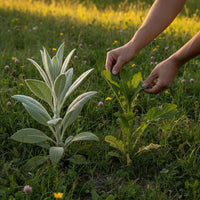
For example, "Buddha Mullein" may allude to a calming or spiritual quality, while “Amazon Mullein” implies exotic sourcing. Yet, in nearly all cases, these teas are made from Verbascum thapsus—the common mullein plant. It's the same plant known for its tall, yellow-flowered spikes and soft, velvety leaves. If you're looking to understand what's in your cup, check the packaging for the botanical (Latin) name, which provides a clear indicator of authenticity.
Why Botanical Names Matter
Botanical names on labels matter more than any brand or regional name because they remove ambiguity. Verbascum thapsus is the most widely used species for mullein tea, but occasionally others like Verbascum densiflorum or Verbascum phlomoides appear. If the label lacks a Latin name, ask the seller or look for details in the product description to ensure you're getting a legitimate mullein product.
If you want a tea that is transparent about its ingredients and botanical source, seeking out properly labeled options such as Mullein Leaf Tea Organic 24 Bags | Respiratory & Lung Wellness Support ensures clarity and trust.
Common Plant Parts Used in Mullein Tea: Leaves and Flowers
Whether you reach for a box labeled "Buddha Mullein" or a no-nonsense bag of "Mullein Leaf Tea," the actual plant parts used are usually consistent.
- Leaves: The velvety, pale-green leaves are by far the most common part found in both loose-leaf and bagged mullein teas.
- Flowers: Sometimes, yellow mullein flowers are included for a lighter flavor and visual appeal, though these are less common in mass-market teas because flowers are more delicate.
- Roots and Stems: These are rarely used in teas and are more common in specialized herbal traditions.

Always scan the ingredient list or ask the vendor if the label isn't clear about which part is used. If you are curious to compare, products like our organic herbal teas offer clarity regarding included plant parts and their source, making it easier to match your expectations.
Locating Origin and Processing Information on Labels
While creative names like "Amazon Mullein" may hint at origin, confirming where your mullein was grown or processed requires a closer look at the label or product details. Sellers of quality herbal tea often list:
- Country of Origin: Stating where the mullein was cultivated (e.g., USA, Eastern Europe, South America).
- Type of Processing: Descriptions like "air dried," "hand harvested," or "wildcrafted" add transparency to how the mullein was prepared.
- Certifications: Organic, non-GMO, or sustainably harvested claims provide cues about production standards and sourcing ethics.
If this information is missing or vague, it may be worth messaging the seller or reviewing their website for more context before purchasing. Consider exploring Mullein Leaf Organic 15X Liquid Extract | Respiratory & Lung Wellness for origin and processing clarity in liquid tea options.
Typical Mullein Cuts and Packaging: Bagged, Loose Leaf, and More
Common Cuts
- Whole Leaf: Most premium mullein teas use whole or coarsely chopped leaves, which preserve more aroma and subtle flavor notes.
- Cut and Sifted (C/S): A practical mid-size option combining ease of brewing with retained freshness.
- Powdered: Rare for teas, but sometimes found in blends or capsules; can create a denser infusion.
Packaging Types
- Tea Bags: Convenient and portable, usually filled with cut-sifted leaves.
- Loose Leaf Bulk: Best for those who want control over strength and prefer to use infusers or strainers.
- Blends: Mullein may be combined with other botanicals; always check the ingredients if you want a pure mullein experience.

Attention to the cut and packaging helps predict not only the brewing process but also the strength and clarity of the final cup. our Bulk Herbs collection is another great choice for those looking for variety in cut and packaging styles.
How to Read Mullein Tea Labels for Informed Choices
Reading herbal tea packaging is sometimes a study in subtlety. Here’s how to approach it when buying branded or regionally named mullein teas:
- Identify Botanical Name: Look for Verbascum thapsus or other scientifically accurate names to verify true mullein.
- Plant Parts Listed: Ensure the packaging specifies if you’re getting leaf, flower, or a blend.
- Origin Details: Note where the mullein was grown or processed—this can inform freshness and environmental practices.
- Date Stamped: Choose packages with harvest or expiration dates for reliability on shelf-life.
- Certifications and Claims: Organic and sustainability certifications can be positive quality signals.
- Cut Description: "Whole leaf," "cut and sifted," or "powdered" can shape your brewing and tasting experience.
A little label sleuthing goes a long way toward getting quality mullein tea that matches your expectations. Those seeking absolute transparency may gravitate toward Mullein Leaf Tea Organic 24 Bags | Respiratory & Lung Wellness Support, which includes details about botanical name and processing right on the box.
Simple Brewing and Tasting Notes for Buddha Mullein and Other Mullein Teas
Brewing mullein tea doesn’t require fancy equipment, and understanding how to prepare different branded teas helps you get the most from each cup.
Basic Brewing Guide
- Measure: Use 1–2 teaspoons of dried mullein leaf per 8-ounce cup of water.
- Boil Water: Bring fresh water to a gentle boil (about 200°F–212°F).
- Steep: Pour water over the mullein leaf and cover. Steep for 10–15 minutes.
- Strain Thoroughly: Use a fine-mesh strainer, as mullein’s hairs can be fibrous. Paper tea filters work well.
- Taste: Sip warm, noting a lightly herbal, mildly sweet, and somewhat earthy profile. Branded blends like "Buddha Mullein" may have subtle differences based on plant part combinations or regional variations, but core flavors remain gentle and approachable.
Many enjoy mullein tea unsweetened, while others add a drizzle of honey or lemon. Always read brewing guidelines on packaging, as some blends alter proportions or steeping times. Using high-quality ingredients—such as those found in Mullein Leaf Organic 15X Liquid Extract | Respiratory & Lung Wellness—can help you achieve consistent flavor and desired aroma.

Shelf-Life and Storage Tips: Keeping Mullein Tea Fresh
Like many herbs, mullein tea holds its character best when stored correctly. Here’s a quick guide to maximizing shelf-life:
- Ideal Storage: Keep mullein in a tightly sealed, opaque container away from heat, light, and humidity. Glass jars or foil bags with zip closures work well.
- Shelf-Life Expectancy: Properly stored dried mullein leaf and flower can retain quality for 18–24 months from harvest. Always check for freshness dates when available.
- Check Before Brewing: If leaves appear faded, musty, or lose their characteristic aroma, it may be time for a replacement.
our organic herbal teas let you store and portion tea as you need, maximizing freshness in home storage.
Making Sense of Branded Mullein Tea Names: Buyer’s Quick Checklist
Before choosing a product labeled “Buddha Mullein,” “Amazon Mullein,” or a similarly branded or regional tea, use this quick checklist:
- Does the packaging list the botanical (Latin) name, confirming mullein authenticity?
- Are the plant parts (leaf, flower, etc.) specified?
- Is the country of origin or processing method disclosed?
- Are there harvest or expiry dates for shelf-life assurance?
- Is the cut and packaging style a match for your brewing preference?
- Are certifications or ethical/sustainable claims included if important to you?
Asking these questions (and checking the answers) ensures your mullein tea choice is both satisfying and well-informed.
Frequently Asked Questions
Question 1: What does 'Buddha Mullein' actually mean on a tea label?
Answer: 'Buddha Mullein' is a creative branding term and does not indicate a unique species or special variety. The tea typically contains the same mullein plant (Verbascum thapsus) found in Mullein Leaf Tea Organic 24 Bags | Respiratory & Lung Wellness Support. Always check the botanical name on the label for authenticity.
Question 2: Does mullein tea always contain just the leaves?
Answer: Most mullein teas use the plant's leaves, as found in our organic herbal teas. Some blends may add flowers for a lighter flavor and color, but roots and stems are rare in packaged tea products.
Question 3: How do I identify authentic mullein tea?
Answer: Look for the botanical name (Verbascum thapsus) on the packaging. Authentic products like Mullein Leaf Organic 15X Liquid Extract | Respiratory & Lung Wellness display scientific names and origin information for clarity.
Question 4: What packaging is best for storing bulk herbal teas at home?
Answer: Opaque, airtight containers protect quality. Buying in bulk from sources such as our Bulk Herbs collection or our organic herbal teas lets you manage portioning and freshness efficiently.
Question 5: What are the signs of quality in mullein tea products?
Answer: Look for products with a clearly printed botanical name, country of origin, harvest date, and certifications. Transparent tea sellers, like those offering Mullein Leaf Tea Organic 24 Bags, usually provide these details.
Question 6: Are there liquid mullein options available for tea drinkers?
Answer: Yes, Mullein Leaf Organic 15X Liquid Extract | Respiratory & Lung Wellness provides a concentrated form perfect for adding to warm water without straining loose leaf material.
Question 7: Can I use bulk loose herbal teas for blends at home?
Answer: Absolutely! our organic herbal teas are ideal for custom blending and DIY infusions using your preferred plant parts.
Exploring the stories and details behind branded mullein names allows you to confidently select teas suited to your taste and priorities. Feel empowered to ask questions and read labels carefully to make herbal choices with assurance.
About the Author
Herbal Goodness Editorial Team
The Herbal Goodness Editorial Team specializes in holistic health and superfoods, blending science and nature to educate and empower our community.
Related Articles
Flavor-First Guide: How to Make Mullein Tea Taste Good at Home
Organic Mullein Leaf Tea Review Guide for First-Time Buyers
Best Organic Mullein Leaf Tea Online: How to Choose Quality Tea
Buy Mullein Leaf Tea Bags: QR Codes, Batch Numbers & Harvest Dates