Dandelion Root in the Cup and Kitchen: How to Brew, Taste, and Use Extracts, Powders, and Teas

Dandelion Root in the Cup and Kitchen: How to Brew, Taste, and Use Extracts, Powders, and Teas
Dandelion root, widely respected in traditional herbal practices and modern wellness circles, has captured the attention of curious food and beverage enthusiasts alike. Whether it’s deepening the flavor of a morning brew, adding richness to smoothies, or enhancing hearty recipes, dandelion root brings a unique and earthy character into your daily kitchen routine. This guide explores how dandelion root can be brewed, tasted, and enjoyed in its many forms, offering friendly guidance for those new to this celebrated botanical.
Getting to Know Dandelion Root: From Wildflower to Wellness Ingredient
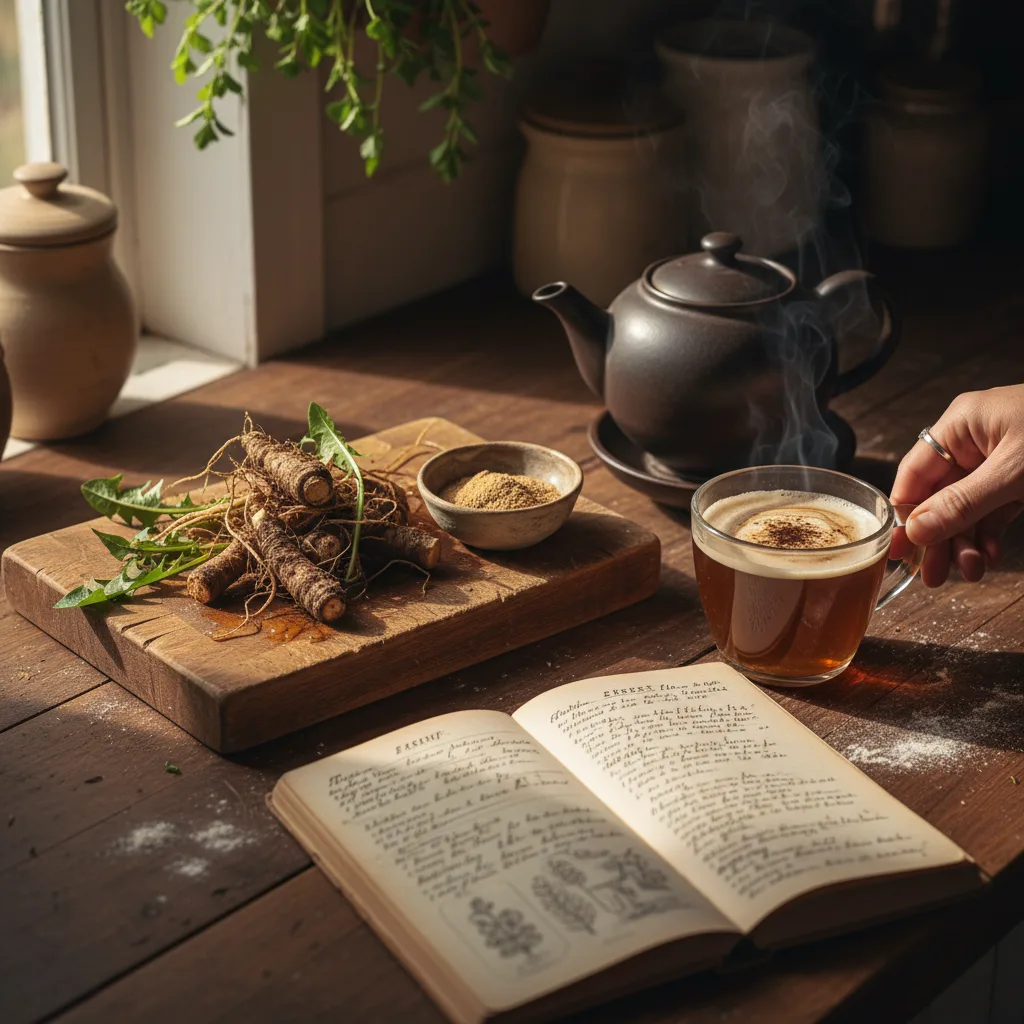
The humble dandelion ( Taraxacum officinale ) is more than a leggy yellow flower scattered across lawns – its roots have, for generations, been valued as a versatile ingredient in herbal traditions. When harvested, cleaned, and prepared, dandelion root reveals intense earthy aromas and robust flavors, often described as slightly bitter, roasted, or nutty. This makes it a compelling choice for beverages, extracts, and even culinary uses.
Dandelion root is available in several easy-to-use forms:
- Dried root pieces or slices: Best for steeping like tea or simmering for infusions
- Powders: Finely milled for seamless blending in drinks or recipes
- Liquid extracts: Concentrated, shelf-stable preparations ideal for fast, simple use (Dandelion Root Liquid Extract - Organic 1oz - Detox & Liver)
- Roasted root: Offering deeper, coffee-like notes and a rich color
Each format allows for experimentation in both the cup and kitchen, depending on personal preference and culinary curiosity.
Preparing Dandelion Root Teas: Brews and Infusions
Choosing the Right Form for Your Brew
Dandelion root tea has a centuries-old legacy as a comforting, aromatic beverage that pairs well with both morning routines and relaxing evenings. Most dandelion root teas use either raw or roasted dried root pieces, although some blends incorporate the finely ground powder for a more robust mouthfeel.
- Whole or sliced root: Offers a traditional, clear infusion and allows you to observe the roots unfurl as they steep.
- Roasted root: Deepens the color and introduces toasted, chocolatey aromas reminiscent of coffee.
- Powdered root: Produces a cloudy, fuller-bodied brew, perfect for those wanting intensified flavor.
Enjoying a handcrafted dandelion root blend alongside other botanicals, such as the soothing Wellness Tea Blends, can make your tea time ritual even more special.
Step-by-Step: Brewing Dandelion Root Tea
- Measure: Use 1–2 teaspoons of dried dandelion root (raw or roasted) per 8-ounce cup of water.
- Boil & Steep: Bring water to a gentle boil, then add the root. Cover and allow to steep for 5–10 minutes. For a richer flavor, simmer gently for up to 20 minutes.
- Strain & Serve: Pour through a fine mesh strainer. Enjoy on its own or paired with lemon, honey, or warming spices.
Flavor tip: The longer the root simmers, the bolder the brew’s color and taste. Roasted versions tend to mellow the bitterness, while raw root keeps the flavor bright and earthy.
Dandelion Root Extracts: Concentrated and Versatile
Dandelion root extracts are liquid solutions obtained by drawing the beneficial compounds and aromatic essences out of the root, usually with alcohol or glycerin as a carrier. These extracts are prized for their convenience and easy incorporation into both beverages and recipes.
- A little goes a long way: Usually, a dropper full (1–2 mL) is diluted into a beverage or used as directed on product packaging.
- Mild, earthy taste: Extracts often have a subtle, slightly bitter undertone, blending smoothly into teas, smoothies, and even savory dishes without overwhelming other flavors.
- On-the-go ease: Extracts require no brewing or steeping; simply mix into water, juice, or your favorite warm beverage.
For those looking to add a quick, plant-based twist to their daily wellness routine, Dandelion Root Liquid Extract - Organic 1oz - Detox & Liver offers a streamlined, mess-free approach. If you love the convenience of extracts, exploring other detox blends such as Soursop Bitters - 15X Liquid Extract - Detox & Cell Renew can complement your herbal collection beautifully.
Dandelion Root Powder: Blending Into Foods and Drinks
Dandelion root powder is created by finely grinding dried roots into a versatile, light brown powder. This preparation is optimal for:
- Smoothies: Add ½ to 1 teaspoon for a subtle earthy note and a touch of depth.
- Warm bowls: Stir into breakfast oats or porridge for an herbal, nutty aroma.
- Baking: Incorporate into breads, muffins, or snack bars for complexity and color.
- DIY blends: Combine with cinnamon, ginger, or cocoa for a custom superfood drink mix.
Those who regularly blend herbal powders into foods may also be interested in Organic Papaya Seed Powder 4oz | Gut Cleanse & Digestive Support, which offers digestive support and can be paired in similar creative ways.
Because the powder retains the full fiber profile of the whole root, it subtly changes the texture of finished beverages, lending a creamy or thick consistency depending on quantity used.

Exploring Flavor: The Sensory Experience of Dandelion Root
Dandelion root is often appreciated for its complex flavor – at once toasty, slightly bitter, and reminiscent of dark roasted coffee or cacao. Here are some simple ways to enjoy the sensory journey:
- Pure Taste: Brew a simple tea with nothing added and note the progression from grassy and bright to cocoa-like as you taste.
- Mellowing: Add honey, maple syrup, or a splash of milk to round off bitterness.
- Blending: Mix with complementary herbs like chicory, licorice root, or ginger for uniquely layered flavor profiles. Those who adore botanical blends may find our organic herbal teas an exciting pantry staple.
- Cold Brews: Prepare strong iced infusions to cool down on warm days, letting the flavors soften and sweeten over time.
Set aside a few moments for mindful tasting: As with good coffee or high-quality tea, dandelion root rewards those who savor its subtle transitions.
Easy Dandelion Root Recipes for Everyday Enjoyment
Dandelion Root Chai Latte
Ingredients:
- 2 teaspoons roasted dandelion root
- 1 cup water
- ½ cup milk of choice
- ½ teaspoon ground cinnamon
- 1–2 slices fresh ginger
- Sweetener to taste
Instructions:
- Simmer dandelion root, cinnamon, and ginger in water for 10–15 minutes.
- Add milk and warm through; strain into a mug and sweeten if desired.
Morning Dandelion Smoothie
Ingredients:
- 1 teaspoon dandelion root powder
- 1 banana
- 1 cup almond or oat milk
- ½ cup frozen berries
- 1 tablespoon nut butter (optional)
Instructions:
- Add all ingredients to a blender.
- Blend until smooth and creamy. Pour into a glass and enjoy the herbal, earthy twist.
Savory Dandelion Root Broth
Ingredients:
- 1 tablespoon dried dandelion root
- 4 cups vegetable broth
- 1 bay leaf, pinch of pepper
- 2 cloves garlic, smashed
- Optional: sliced mushrooms or carrots
Instructions:
- Add dandelion root and flavorings to broth; bring to a simmer.
- Simmer for 25–30 minutes, then strain. Enjoy as a warming, aromatic soup or as a base for grains and stews.

Simple Dandelion Root Syrup
Ingredients:
- ½ cup dried dandelion root
- 2 cups water
- ½ cup honey
Instructions:
- Simmer root in water for 30–40 minutes.
- Strain and stir in honey while warm. Store in a glass jar. Use to sweeten drinks, drizzle over breakfast bowls, or add to desserts.
What to Look for When Choosing Dandelion Root
Not all dandelion root products are crafted with the same care or attention to sourcing. Here are some points to guide you as you explore your options:
- Source integrity: Seek roots that are wildcrafted or organically grown, minimizing exposure to chemicals and ensuring purity.
- Quality processing: Whether dried, powdered, or extracted, quality matters. Look for products packaged to preserve freshness, with clear labels on origin and processing methods.
- Form factor: Choose based on intended use – teas for sipping, powder for blending, extracts for speed and portability.
- Transparency: Reputable brands should share information on harvest, testing, and production. Herbal Goodness, for instance, emphasizes high-quality, carefully processed plant ingredients that support your choice for a natural, mindful lifestyle. Discover examples such as Dandelion Root Liquid Extract - Organic 1oz - Detox & Liver.
- Packaging: Airtight, light-protected pouches or bottles help extend shelf life and maintain flavor integrity.
By focusing on these attributes, you’ll be better equipped to experience the nuanced flavor and aroma that high-quality dandelion root provides. In addition, our Bulk Herbs collection can be a wonderful way to source larger quantities for regular home use.
Creative Pairings and Everyday Uses
Integrating dandelion root into your routine doesn’t require transforming your diet or habits. Here are a few accessible ways to start experimenting:
- With coffee alternatives: Enjoy dandelion root on its own, or blend roasted root tea into caffeine-free blends for a deep, satisfying morning cup. Try pairing with Soursop Leaf Tea Graviola Leaves - Organic 24/2g Tea Bags - Immunity & Cell Renew for a unique, health-supportive twist.
- In culinary dishes: Stir powder into salad dressings, sprinkle over roasted vegetables, or add to hearty grains for a rustic touch.
- Paired with citrus and spice: Dandelion’s natural earthiness shines when balanced with zesty lemon or orange, or paired with cardamom and cloves in herbal blends.
- Chilled infusions: Brew a pot, chill overnight, and serve over ice with a slice of fresh apple or cucumber for a refreshing afternoon beverage.
Storing and Handling
To protect the unique sensory notes of dandelion root:
- Store dried root and powder away from sunlight and moisture in airtight containers.
- Use a clean, dry spoon when scooping powder or tea blends to maintain freshness. For serious herbal tea fans, Herbal Tea Gift Set – Wellness Tea Gift Variety Collection - Organic 24 Teabags can introduce you to a world of botanical flavors.
- Keep liquid extracts tightly closed and follow storage guidance on the label.
The Joy of Exploring Dandelion Root
Embracing dandelion root as an ingredient opens the door to a wide world of creative, plant-powered preparations. From the earthy aroma of a simmering tea, to the easy convenience of an extract dropper, to the complex notes it brings to kitchen creations, dandelion root adds variety and a sense of connection to natural traditions. By starting with simple steps and high-quality sources, newcomers can delight in experimenting and finding their favorite ways to savor this distinctive botanical.
FAQs:
- What does dandelion root taste like?
Dandelion root offers a flavor that is earthy, slightly bitter, and often described as nutty or roasted, especially when the root is toasted. It can remind some people of a mild coffee or unsweetened chocolate.
- How do you brew dandelion root tea?
Use 1–2 teaspoons of dried dandelion root per cup of water, bring to a gentle boil, and steep or simmer for 5–20 minutes. Strain before drinking. Roasted root produces a deeper flavor, while longer steeping enhances boldness.
- Can dandelion root powder be used in cooking?
Yes, dandelion root powder blends easily into smoothies, warm cereals, baked goods, and even savory dishes. Start with small amounts and adjust to your flavor preference.
- Is dandelion root extract suitable for drinks?
Dandelion root extract is conveniently added to water, juice, herbal teas, or smoothies for a quick and mild herbal note. It requires no brewing or straining.
- How should dandelion root products be stored?
Store dried root and powder in airtight containers away from moisture and sunlight. Liquid extracts should be sealed tightly and kept as directed, usually in a cool, dark place.
- What forms of dandelion root are best for beginners?
Beginners may find convenience in pre-packaged tea bags, mild-flavored roasted root, or easy-to-use liquid extracts, which allow for quick and simple preparation.
Author Name:
Herbal Goodness Editorial Team
Author Bio:
The Herbal Goodness Editorial Team specializes in holistic health and superfoods, blending science and nature to educate and empower our community.
References:
Introducing Graviola to Young Taste Buds: Fun, Family-Friendly Flavor Exploration
Graviola in the Classroom and at Home: Creative Activities to Teach Kids About Tropical Plants
Why Social Impact Matters in Plant-Based Wellness