





Common Myths About Graviola: Separating Popular Stories from Everyday Facts

Graviola, often known as soursop (Annona muricata), has earned remarkable attention in recent years with folklore, wellness claims, and internet buzz. From herbal markets to wellness blogs, discussions surrounding graviola’s supposed benefits are everywhere. It’s easy to get swept up by stories of extraordinary healing or superfood status, but such claims can often outpace what science and tradition truly support. If you’ve heard contradictory advice or are simply curious about the true nature of graviola, this article will help you distinguish myth from fact—empowering you with clarity and reliable context on this unique tropical fruit.
The Fascination With Graviola: Nature’s Exotic Powerhouse
The appeal of graviola reaches across continents and cultures. Its spiky green exterior and creamy, aromatic pulp have made it a traditional favorite in juices, desserts, and folk remedies. Some regions celebrate graviola as a natural health booster, believing it has properties that can support everything from the immune system to digestion. However, such cultural reverence can sometimes fuel exaggerated or misunderstood stories.
Myth 1: Graviola Is a Proven Remedy-All for Serious Illnesses
Separating Hope From Hype
One of the most prevalent myths is that graviola is a miraculous remedy-all.
What Science Says
While preliminary laboratory research (in vitro studies) has suggested that certain compounds in graviola demonstrate cytotoxic (cell-damaging) effects on abnormal cells, this does not equate to a proven therapy for humans. No large, controlled human trials have confirmed graviola as an effective or safe treatment for serious diseases. Major health organizations caution against substituting graviola for established medical care due to the lack of sufficient clinical evidence.
Practical takeaway: Enjoy graviola for its refreshing taste and cultural traditions, but always follow medical advice for serious conditions.
Myth 2: Graviola Is Entirely Safe for Everyone
Looking Beyond the "All-Natural" Label
Natural doesn’t always mean harmless. Another widespread assumption is that graviola can be consumed freely by anyone without safety concerns.
The Nuanced Truth
Graviola contains compounds called annonaceous acetogenins. While these have shown potential in laboratory studies, there is evidence that high or prolonged intake—especially of the leaves, seeds, or extracts—may pose neurotoxic risks. Some research has linked excessive consumption to symptoms similar to movement disorders (see source).
Practical guidance: Use moderation, particularly when trying Soursop Leaf Tea Graviola Leaves - 100% Organic or teas, and consult a qualified healthcare provider, especially if you have underlying neurological conditions or are pregnant/breastfeeding.
Myth 3: All Graviola Products Are Equally Effective
The Problem With One-Size-Fits-All Wellness
You might encounter graviola in juices, capsules, teas, and powders, often labeled as if they offer identical health benefits.
Dissecting Product Variation
Not all graviola products are created equal. The fruit, leaves, seeds, and bark contain different active compounds in varying concentrations. Commercial products may use various extraction methods or blends, making it difficult to compare potency or safety. Quality control and purity can also vary among brands.
For those considering a convenient supplement, Graviola Soursop Leaf Extract Capsules – 10X Strength - 60/600mg offers standardized strength and quality assurance. It's important to understand these differences when selecting a product for your needs.
Tips for consumers: Favor reputable brands, read labels carefully, and don’t assume every form of graviola delivers the same results. Choose products with transparent sourcing and third-party quality testing when available.
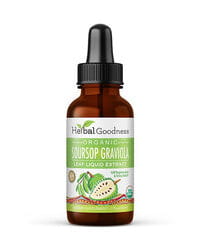
For those interested in liquid options, Soursop Leaf Graviola Extract - Organic Liquid is formulated for easy use and absorption, allowing you to incorporate graviola’s plant compounds into your wellness routine while controlling your intake.
Myth 4: Graviola Is a Secret Superfood That’s Been Hidden From the World
Understanding Tradition Versus Trend
Marketing often frames graviola as a 'secret remedy' only now coming to light in the western world, suggesting that indigenous knowledge has been overlooked.
Recognition Across Continents
Graviola has a long history of traditional use in the Caribbean, Central, and South America, primarily as part of local diets and home remedies. However, it has always been valued more as a food and for general wellness rather than as a medical panacea. Its recent rise as a 'superfood' reflects modern marketing rather than newly discovered benefits.
Use graviola for its nutritional value—it’s high in vitamin C, fiber, and antioxidants—rather than magical expectations. To supplement your Eating habits with additional wellness support, you might also explore Papaya Leaf Extract - Organic - Liquid - 16oz, another tropical botanical with beneficial compounds.
Myth 5: You Should Avoid Graviola Because of All the Conflicting Information
Why Confusion Doesn’t Mean You Should Fear the Fruit
Some consumers choose to steer clear of graviola entirely, overwhelmed or alarmed by the mix of enthusiastic endorsements and stern warnings.
Navigating the Middle Path
The reality is more balanced: graviola fruit is safe and delicious for most people when enjoyed in moderation, as one would consume any tropical fruit. The primary safety concerns relate to concentrated supplements or excessive intake. Sensible consumption as part of a varied eating habits is generally appropriate. If you have dietary sensitivity or want to balance your wellness regimen, using Graviola Soursop Leaf Extract Capsules – 10X Strength - 60/600mg in rotation with whole foods can offer diversity without excess.

The Facts: What Graviola Can Offer When Used Wisely
Nutritional Benefits
Graviola fruit offers notable nutrients:
- Vitamin C for immune support
- Potassium for normal blood pressure
- Dietary fiber for digestive health
- Several antioxidant phytochemicals
Compared to many commercial snacks or sweets, graviola pulp can be a nutrient-rich, naturally sweet treat. It blends well with smoothies, desserts, and juices. Those seeking to optimize digestive wellness might also include Papaya Leaf Extract - Organic - Liquid - 16oz in their regimen, as papaya offers natural enzymes and immune-boosting properties alongside graviola.
Cultural and Culinary Uses
Besides its health claims, graviola is beloved in traditional recipes, from Caribbean soursop punch to South American ice creams. Exploring graviola as a fresh ingredient or beverage can be a delightful way to connect with different cultures. For a gentle and daily approach, teas like Soursop Leaf Tea Graviola Leaves - 100% Organic provide antioxidant benefits in a relaxing format.

Recommendations for Curious Consumers
- Read beyond headlines: Investigate health claims and look for credible sources rather than anecdotal stories.
- Choose whole fruit when possible: Focus on fresh or frozen graviola instead of high-dose extracts.
- Practice moderation: Enjoy as part of a balanced nourishment , not as a wonder substitute for medical care.
- Consult if unsure: If trying a new supplement, check with a healthcare provider regarding interactions or risks. If exploring botanicals, the consistency of Soursop Leaf Graviola Extract - Organic Liquid offers an easy addition to your daily routine.
Conclusion: Appreciating Graviola Without the Hype
Graviola’s growing global popularity proves the enduring allure of tropical superfoods. By separating persistent myths from reliable everyday facts, you can savor what graviola has to offer while keeping expectations grounded in reality. Stay curious, informed, and open to new tastes—but let evidence and moderation be your guide.
FAQs:
1. Is it safe to eat graviola fruit daily?
Graviola fruit is generally safe when eaten in moderation as part of a balanced diet. However, excessive intake of the fruit or concentrated supplements, especially over time, can pose risks due to certain natural compounds with potential neurotoxic effects.
2. Are graviola supplements the same as eating the fruit?
No. Supplements may contain different concentrations of active compounds compared to the whole fruit, and quality varies widely. Eating fresh or frozen fruit is safer and provides natural nutrients without the risks of concentrated extracts.
- Why do people think graviola is a Breakthrough treatment ?
This belief largely stems from internet stories, traditional uses, and preliminary lab studies. These narratives are often amplified by marketing, even though strong scientific evidence for miraculous effects is lacking.
- Can pregnant women consume graviola?
Pregnant and breastfeeding women should avoid graviola supplements and teas due to insufficient safety data and possible risks. Moderate consumption of fruit is likely safe, but always consult a healthcare professional.
Curious about exploring superfoods wisely and staying ahead of wellness myths? Subscribe to our newsletter for the latest evidence-based insights, tips, and recipes from the Herbal Goodness Editorial Team. Empower your health journey with knowledge you can trust!
Author Name:
Herbal Goodness Editorial Team
Author Bio:
The Herbal Goodness Editorial Team specializes in holistic health and superfoods, blending science and nature to educate and empower our community.
References:
NIH – National Library of Remedy: Soursop (Annona muricata) Impact
Share this

Popular posts


FAQs
1. What are the main benefits of drinking bamboo leaf tea?
Drinking bamboo leaf tea supports hydration, relaxation, skin wellness, and antioxidant balance.
2. What is bamboo leaf extract used for?
It’s used for general body wellness, skin elasticity, hair and nail support, and overall vitality.
3. Can bamboo leaf help with skin care and body wellness?
Yes, bamboo leaf is rich in silica and antioxidants, which promote healthy skin, strong nails, and a youthful glow.
4. What forms of bamboo leaf are available?
You can find dried bamboo leaf, powder, extract, drops, oil, and bamboo leaf green tea.
5. Are there any side effects of bamboo leaf?
Bamboo leaf is generally safe when consumed in moderation. Always consult your healthcare provider before starting any new herbal supplement.