Black Seed Oil Label Decoder: Buying Organic 8 oz Cold‑Pressed Bottles

When shopping online for an 8 oz organic cold‑pressed black seed oil bottle, reading the product label can feel like deciphering a new language. With so many industry terms, certifications, and packaging details, it’s easy to feel overwhelmed. This beginner-friendly glossary is your practical guide to making sense of the most important words and symbols you might see on labels. By the end, you’ll feel confident interpreting black seed oil packaging and choosing quality oil with ease.
Start Here: Why Label Clarity Matters for Black Seed Oil
Black seed oil, derived from the seeds of Nigella sativa, is valued for its traditional uses and is featured in many holistic practices around the world. When purchasing an 8 oz organic cold‑pressed bottle online, label transparency helps you assess the oil’s origin, purity, and handling. Understanding label terminology not only demystifies technical jargon but empowers you to shop smart and make informed decisions.
Terms to Know: Core Label Vocabulary for Black Seed Oil
Shopping online, you’re likely to encounter a handful of common black seed oil label terms. Below, we break down these essentials in plain language to help you shop with confidence.
Cold‑Pressed
- Meaning: The oil is extracted by pressing Nigella sativa seeds at low temperatures, typically below 120°F (49°C).
- Why It’s Important: Cold‑pressing preserves most of the natural compounds and flavor in the oil. It’s a widely preferred method when seeking minimally processed, pure oil.
Expeller‑Pressed
- Meaning: The oil is pressed using a screw press machine. While no solvents are used, the process can sometimes generate higher heat than cold‑pressing.
- What’s Different?: Expeller‑pressed may or may not be cold pressed. If the label only says “expeller‑pressed,” check further to see if “cold‑pressed” is also present.
Unrefined
- Definition: The oil is left in its natural state after pressing. It has not gone through extra filtering, bleaching, or deodorizing steps.
- Label Clue: Words like “raw,” “unfiltered,” or “pure” often appear alongside “unrefined.” The oil is typically darker and has a stronger aroma. If you're looking specifically for unrefined options, choosing a cold-pressed Nigella sativa oil can be a great indicator.
Organic
- USDA Organic Seal: Indicates that the black seed oil meets strict U.S. Department of Agriculture standards for organic farming. Look for a round green-and-white seal. For assurance of certified organic quality, verify the presence of official logos on your bottle of black seed oil.
- Other Organic Seals: International certifiers (such as EU Organic, Ecocert, or Canada Organic) may be present depending on the oil’s origin. All indicate compliance with organic methods.
Third‑Party Tested
- What It Means: An independent organization has analyzed the oil for purity and potential contaminants. The label might state “independently tested for quality” or list the certifying body.
- Why It Matters: Adds an extra layer of accountability, confirming the oil’s purity matches what’s stated on the label. Brands that showcase third‑party testing can help build trust when you buy Nigella sativa oil for immune support & daily wellness online.
Pure/100% Black Seed Oil
- Description: The bottle contains only black seed oil from Nigella sativa, without fillers or blending oils.
- Label Clue: Look for phrases like “100% Nigella sativa seed oil” or “only ingredient: black seed oil.”
Beyond the Buzzwords: Deciphering Packaging and Transparency
Choosing an 8 oz organic cold‑pressed black seed oil involves more than just reading ingredient lists. Various packaging clues and transparency practices can tell you about oil quality and company values.
Bottle Material and Color
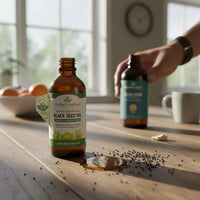
- Amber or Dark Glass Bottles: Black seed oil’s natural compounds are sensitive to light and air. Amber, cobalt blue, or dark glass bottles help protect freshness by blocking sunlight. This is especially relevant for those considering a Black Seed Oil 8oz – Cold-Pressed Nigella Sativa Oil for Immune Support & Daily Wellness.
- Plastic Bottles: Can sometimes interact with the oil, especially over time. Glass is generally preferred, especially for organic cold‑pressed oils.
Volume and Size Language
- 8 oz: A standard, mid-sized bottle. Often enough for routine household use, but still easy to store. Always double-check the volume to see if “8 oz” refers to fluid ounces (volume), not weight.
Production Date / Batch Number
- What to Look For: Reputable brands often print a “produced on,” “bottled on,” or batch number somewhere on the label or cap. This lets you confirm the oil is fresh and traceable. For example, if you're purchasing black seed oil online, make sure these details are available.
Best By / Use By Date
- Definition: A recommended timeline for freshness and peak aroma. Black seed oil typically remains fresh for up to two years if stored in a cool, dark place.

Organic Certifications: What Do They Really Guarantee?
Organic certification goes beyond mere marketing. Here’s what authentic seals on your black seed oil bottle promise:
- No Synthetic Pesticides or Herbicides: Certified organic farms grow Nigella sativa without these chemicals. Those looking for organic benefits can also explore Papaya Leaf Extract 16oz – Organic 15X Liquid Papaya Leaf Herbal Supplement for additional wellness support.
- Non-GMO: Organic oils are sourced from seeds that aren’t genetically modified.
- Traceability: Records ensure the oil’s journey from farm to bottle follows organic standards.
Tip: The words “made with organic ingredients” may differ from “certified organic.” For true organic purity, look for the actual certification seal on your black seed oil.
Transparency and Freshness: Signs of Quality in Online Listings
When shopping online, you can’t see or smell the oil in person, but you can use these cues to judge brand transparency and product freshness:
Clear Ingredient List
A straightforward ingredient list should mention only “black seed oil” or “Nigella sativa oil,” especially for pure, unrefined, or organic oils. Some shoppers also value simplicity in related natural supplements, such as Sea Moss - Raw Dried from St Lucia - 8oz Bag - Nature's MultiVitamins.
Full Disclosure and Sourcing Details
Many reputable brands proudly share how and where their seeds are grown and pressed. Look for:
- Pressing location
- Country of origin
- Farming practices
- Organic certifications
Accessible Third‑Party Test Results
Some brands share certificates or a summary of lab testing results (sometimes called a Certificate of Analysis). If in doubt, you can request details from customer service—an important detail when considering Papaya Leaf Extract 16oz – Organic 15X Liquid Papaya Leaf Herbal Supplement.
Batch and Date Codes
Listing these on the product page or label shows the brand cares about traceability and consumer confidence.

Packaging Smart: Protecting Black Seed Oil at Home
Once you receive your 8 oz organic cold‑pressed black seed oil, protect its quality by following a few simple steps:
- Store Away from Heat and Sunlight: Keep your bottle in a cool, shaded spot to preserve aroma and flavor.
- Tighten the Cap After Each Use: Minimizes air exposure and supports freshness.
- Note the Date: Refer to the “best by” date to enjoy the oil at peak quality.
Common Misconceptions About Black Seed Oil Labels
1. All Organic Labels Are Equal
Not all “organic” claims have the same rigor. Third‑party certifications (USDA, Ecocert) indicate thorough audits, while “organic ingredients” or “natural” do not always meet the strictest standards. Other supplements, such as Sea Moss - Raw Dried from St Lucia - 8oz Bag - Nature's MultiVitamins, also benefit from legitimate organic credentials.
2. Color and Aroma Guarantee Quality
Colour and scent can indicate freshness, but they’re not the only clues. Batch numbers, production dates, and third‑party testing are also important.
3. Expeller‑Pressed Always Means Cold‑Pressed
Expeller‑pressing and cold‑pressing can both take place with mechanical presses, but only cold‑pressing ensures a low-heat process. Look for labels specifying “cold‑pressed.”

Reading Labels: A Fast-Track Summary for Online Shoppers
When evaluating an 8 oz bottle of organic cold‑pressed black seed oil, remember these checklist items:
- Check for a “cold‑pressed” guarantee
- Look for a recognized organic certification seal
- Review the ingredient list (should only list black seed oil/Nigella sativa)
- Find a “best by” or production date
- Scan for third‑party testing or batch numbers
- Prefer dark glass bottles for light-sensitive oils
If you value this transparency and mindfulness, products such as Papaya Leaf Extract 16oz – Organic 15X Liquid Papaya Leaf Herbal Supplement offer similar peace of mind for those seeking plant-based wellness.
With these clues, the world of black seed oil labeling becomes much easier to navigate.
Conclusion: Knowledge Empowers Confident Choices
The next time you explore 8 oz organic cold‑pressed black seed oil options online, let this glossary guide your choices. Label literacy helps you prioritize transparency and authenticity so you can feel good about what’s in your bottle. For broader wellness coverage, Sea Moss - Raw Dried from St Lucia - 8oz Bag - Nature's MultiVitamins can also be part of your routine. For those seeking trusted sources, Herbal Goodness continually emphasizes clear labeling and quality throughout its educational resources.
FAQs:
- What does 'cold‑pressed' mean on a black seed oil label?
Cold‑pressed means the oil was extracted at low temperatures to preserve its original properties. It indicates minimal processing, often preferred by those seeking pure and authentic black seed oil.
- How can I tell if black seed oil is truly organic?
Look for an official certification seal like USDA Organic or another third‑party organic certifier on the label. This ensures the oil meets rigorous organic farming and processing standards.
- What is the difference between expeller‑pressed and cold‑pressed?
Expeller‑pressed refers to mechanical extraction, but may involve higher heat. Cold‑pressed guarantees lower temperatures, preserving more natural compounds. Some oils may be both, but always check labels for confirmation.
- Why is black seed oil often sold in dark glass bottles?
Dark glass protects the oil from light exposure, which helps maintain its freshness, aroma, and natural qualities.
- Why does the ingredient list matter when buying black seed oil?
A simple ingredient list—ideally just 'black seed oil' or 'Nigella sativa oil'—indicates purity and lack of fillers or blended oils. This helps ensure authenticity.
- What does 'third‑party tested' mean on a black seed oil label?
Third‑party tested means an independent lab checked the oil's purity and safety, confirming that the product matches the label's claims.
Author Name:
Herbal Goodness Editorial Team
Author Bio:
The Herbal Goodness Editorial Team specializes in holistic health and superfoods, blending science and nature to educate and empower our community.
References:
Introducing Graviola to Young Taste Buds: Fun, Family-Friendly Flavor Exploration
Oregano Oil vs. Black Seed Oil: Sensory & Sourcing Guide
Graviola in the Classroom and at Home: Creative Activities to Teach Kids About Tropical Plants