Best Organic Bamboo Leaf Extract Substitutes for Everyday Use

For many people interested in botanical wellness, organic bamboo leaf liquid extract is a sought-after option—often valued for its naturally high silica content and neutral taste. But what happens if you can’t order this specialty extract? Whether it’s out of stock, unavailable in your region, or you simply want to explore a wider range of options, knowing about safe, silica-rich botanical substitutes can open doors to new experiences. This guide offers accessible insight into alternative plants, helps you compare various formats, answers common questions about flavor and preparation, and empowers you to make confident, non-medical choices for your wellness journey.
Understanding Silica-Rich Botanicals for Beginners
Silica is a compound naturally found in many plants. Silica, or silicon dioxide, plays a non-essential role in most diets but is commonly appreciated for its role in supporting everyday wellness routines, especially in the context of herbal supplements. Bamboo leaf extract stands out for its high natural silica concentration and clean flavor—which is why it’s often featured in liquid drop form. However, it’s not the only plant source of silica available.
Why Consider Substitutes for Bamboo Leaf Liquid Extract?
Sometimes supply issues, regional restrictions, or personal preferences make finding organic bamboo leaf extract challenging. The good news is that other food-grade botanicals also contain silica and can serve as suitable herbal options, especially if you’re focused on nutrient variety, taste experience, and convenient dosing formats. Exploring the Bamboo Silica + Biotin Hair Growth Extract may be ideal for those prioritizing silica alongside hair and follicle support. This article introduces you to these beginner-friendly alternatives and how to use them.
Popular Silica-Rich Botanical Alternatives
Many plants contain notable amounts of silica. Here are several of the most common botanical substitutes for bamboo leaf extract that are available in various liquid or powdered supplement forms:
- Horsetail (Equisetum arvense): Long valued in European and Asian herbal traditions, horsetail is renowned for its robust silica content. Modern liquid extracts or teas made from horsetail offer a grass-like, earthy flavor and are easy to mix into smoothies or wellness drinks.
- Nettle Leaf (Urtica dioica): Although nettle is better known for other nutrients, it also features naturally occurring silica. Nettle extracts, teas, and infusions provide a mild, slightly herbaceous flavor and are frequently chosen for general daily blends.
- Oat Straw (Avena sativa): The green stem of the oat plant contains silica, especially when harvested before the oat grain matures. Oat straw liquid extracts produce a gentle, almost hay-like taste that pairs well in relaxed herbal tea blends.
For those seeking convenient tea formats that capture the essence of plant-based silica, Bamboo Leaf Tea offers a natural way to support your daily routine.
Format Choices: Liquid Drops, Teas, and Powders
When exploring botanical substitutes for bamboo leaf extract, it’s helpful to understand common dietary supplement formats:
- Liquid extract (drops): Typically the most concentrated and convenient, these can be diluted in water or other beverages for easy daily use.
- Herbal teas or infusions: Simple to prepare and widely available, making them a beginner-friendly way to enjoy plant silica.
- Powdered extracts: Versatile, as they can be added to smoothies, cereals, or even baked goods.
Each format provides its own benefits and can be swapped or combined to match your preferences around taste, convenience, and dosage. For individuals who prefer variety, the our Bulk Herbs collection option lets you blend or create your own mixes based on personal taste.
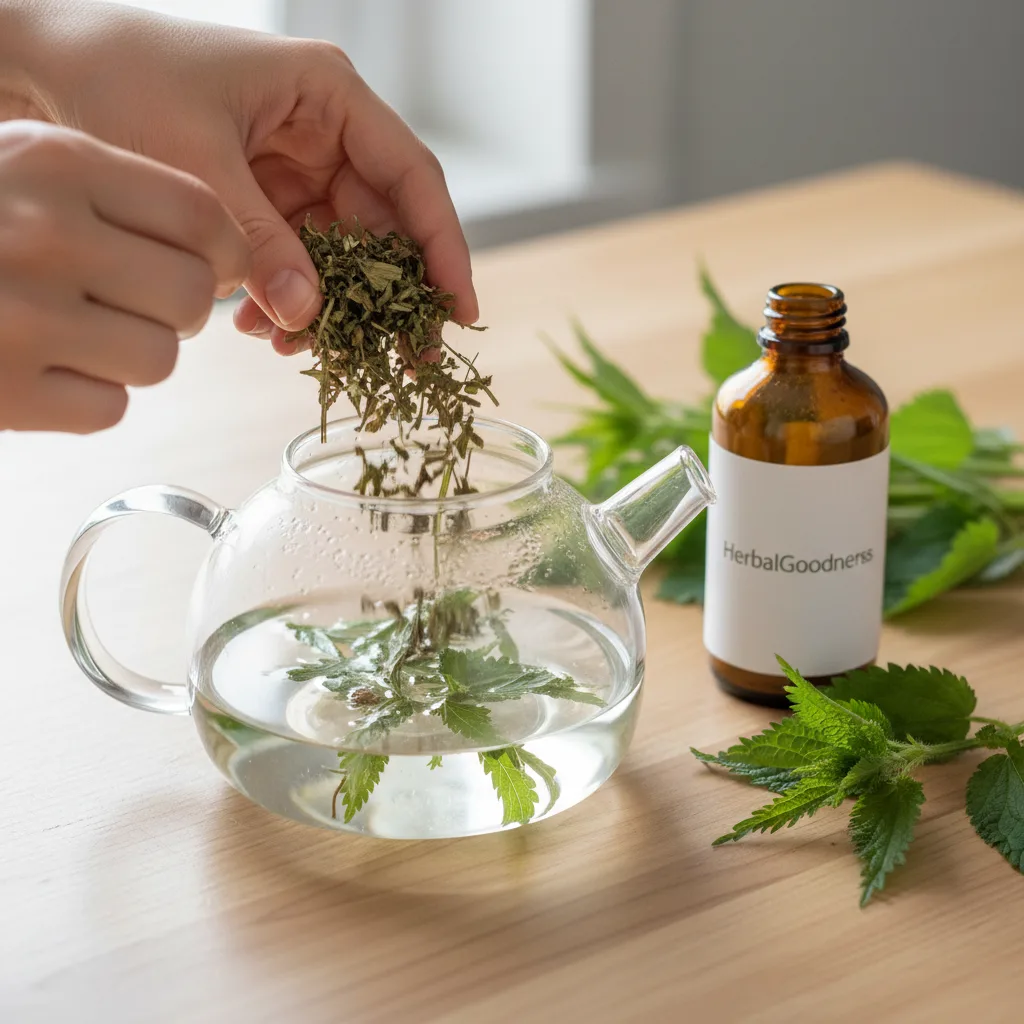
Tasting Notes: What to Expect from Silica-Rich Plant Alternatives
Flavor is an important (and often overlooked) part of choosing a substitute, especially for those new to botanicals. Bamboo leaf extract is acclaimed for its mild, neutral taste. Here’s how substitutes compare:
- Horsetail: Slightly earthy, grassy notes. Not overpowering, but more pronounced than bamboo.
- Nettle: Mild, green, gently herbaceous. Works well as a daily infusion or mild tea.
- Oat Straw: Delicate, hay-like flavor. Easily masked when blended with other teas or mixed into drinks.
If flavor is a top concern, consider creating blends. Combining oat straw and nettle, for example, softens the edges and creates a more neutral palate experience similar to bamboo. Adding a squeeze of citrus or a touch of honey can also make most botanical liquid extracts or teas more enjoyable without reducing their natural plant silica benefits. If you want to experience a mild, neutral flavor profile in convenient form, Bamboo Silica + Biotin Hair Growth Extract can be a great choice.
Dilution, Dosage, and Simple Recipe Swaps
One of the biggest concerns for beginners is how to use silica-rich botanical alternatives in place of bamboo leaf extract. Here are straightforward approaches that anyone can use:
- Diluting Liquid Drops: Substitute other plant silica liquid extracts—like horsetail—in similar serving sizes recommended for bamboo leaf extract. Most products suggest mixing a dropperful with 4-8 oz of water, juice, or herbal tea.
- Swapping Teas: Use dried horsetail, nettle, or oat straw in the same teaspoon measurements as you would for bamboo leaf tea. Steep for 5–10 minutes.
- Smoothie Add-Ins: Add the same amount of botanical powder or liquid extract you would normally use for bamboo to your favorite smoothie or shake recipe.
Tip: Always follow label instructions and suggested serving sizes provided by trusted brands, as botanical extract strengths can vary. For those who are sensitive to new flavors, start with a half-serving to let your palate adjust. A versatile approach is combining loose herbal teas such as those from our organic herbal teas to suit your taste and silica needs.

Sourcing and Sustainability Considerations
Reliable sourcing and sustainability are increasingly important in herbal wellness. When looking for safe alternatives to organic bamboo leaf extract, keep these principles in mind:
- Organic Certification: Choose products certified organic when possible, to support quality and clean sourcing practices. You may wish to review Bamboo Leaf Tea 24 Bags | Nature's Silica – Collagen & Biotin Support for an organic, conveniently packaged everyday option.
- Sustainable Harvesting: Look for brands that harvest botanicals ethically—some plants like wild horsetail can be sensitive to overharvesting in certain regions.
- Third-Party Testing: Reputable brands, including Herbal Goodness, often provide testing results to confirm purity and silica content. Check websites or product packaging for verification. The Bamboo Silica + Biotin Hair Growth Extract provides a liquid option tested for quality.
- Geographical Origin: Some botanicals grow best in specific climates—horsetail, for example, is most abundant in temperate regions, while oat straw thrives in cooler climates. Familiarize yourself with your chosen plant’s origin for peace of mind.

Practical Label Comparison: What Beginner Shoppers Should Check
Reading and comparing supplement labels can be daunting, especially with unfamiliar botanical names or extract formats. Here’s what to look for when selecting alternatives to bamboo leaf extract:
- Botanical Name: Confirm the scientific name (e.g., Equisetum arvense for horsetail) to avoid confusion with unrelated species.
- Silica Content: Some products indicate approximate silica content per serving, especially in liquid or powder form. Higher values suggest greater potency, though natural variations occur.
- Extract Ratio: A number like 10:1 or 4:1 shows how much raw plant was used to make the extract. Higher ratios generally mean more concentrated extracts.
- Quality Seals: Check for organic certification, non-GMO status, or third-party verification to ensure safety and transparency.
Take your time to compare at least two products to judge which best fits your personal values, flavor preferences, and quality standards. Purchasing bulk blends such as our Bulk Herbs collection allows flexibility as you navigate these decisions.
Frequently Asked Questions About Silica-Rich Bamboo Leaf Extract Substitutes
Herbal-minded shoppers often have follow-up questions when considering alternatives. See the FAQ section below for concise, beginner-friendly answers on everything from taste expectations to serving tips.
Conclusion: Making an Informed Wellness Choice
Choosing a substitute for organic bamboo leaf extract doesn’t have to feel overwhelming. With knowledge of silica-rich botanicals like horsetail, nettle, and oat straw, and a clear understanding of liquid, tea, and powder formats, you can make informed, practical choices—even if bamboo leaf drops aren’t available. Carefully reading product labels, prioritizing sustainability, and starting with easy recipe swaps will help you discover the right plant-based silica option for your needs. Steeping a cup of Bamboo Leaf Tea or mixing a dropper of Bamboo Silica + Biotin Hair Growth Extract can be a reliable, accessible step along your journey. Your path to botanical wellness is flexible, inviting, and full of enjoyable discoveries.
Frequently Asked Questions
Question 1: What are the best alternatives if bamboo leaf liquid extract is unavailable?
Answer: Popular substitutes include horsetail, nettle leaf, and oat straw, all of which contain natural silica and are available in formats like teas and extracts. For silica-focused options, consider Bamboo Silica + Biotin Hair Growth Extract or Bamboo Leaf Tea.
Question 2: How do I use liquid extracts as a replacement in recipes?
Answer: Use the same amount of botanical liquid extract as you would bamboo leaf, diluting with water or juice. Try Bamboo Leaf Organic 15X Liquid Extract for easy blending into drinks.
Question 3: Does the flavor differ much between bamboo leaf and other silica-rich herbs?
Answer: Bamboo leaf extract is mild and neutral. Horsetail is more earthy, nettle is herbaceous, and oat straw is hay-like. For a similar mild taste, Bamboo Leaf Tea 24 Bags is a good choice.
Question 4: Are there organic and sustainable options for beginner shoppers?
Answer: Yes, look for products with organic certification and brands that detail sustainability. our Bulk Herbs collection offers diverse and organic herbal alternatives.
Question 5: Can I create my own blend for silica support at home?
Answer: Absolutely! Try blending oat straw, nettle, or horsetail from our organic herbal teas for a custom tea or infusion.
Question 6: What should I look for on a supplement label for silica-rich botanicals?
Answer: Check botanical names, silica content per serving, extract ratios, and quality certifications. Bamboo Silica + Biotin Hair Growth Extract displays these details clearly.
Question 7: Is it OK to use these extracts every day?
Answer: Most silica-rich botanical supplements can be enjoyed daily when following label guidelines. Products such as Bamboo Leaf Organic 15X Liquid Extract | Silica, Collagen & Biotin are designed for regular use, but always follow dosing instructions.
Ready to explore silica-rich botanical alternatives? Take your time comparing labels, experimenting with gentle herbal blends, and discovering which plant-based options best suit your wellness path.
About the Author
Herbal Goodness Editorial Team
The Herbal Goodness Editorial Team specializes in holistic health and superfoods, blending science and nature to educate and empower our community.
References
Introducing Graviola to Young Taste Buds: Fun, Family-Friendly Flavor Exploration
Graviola in the Classroom and at Home: Creative Activities to Teach Kids About Tropical Plants