Food-Grade vs Cosmetic-Grade Bamboo Leaves: What's the Difference?

"Bulk bamboo leaves are showing up in everything from gourmet teas to homemade beauty treatments, but navigating the many grade labels can be daunting if you're just getting started. Whether you’re infusing a pot of aromatic bamboo leaf tea, wrapping your favorite sticky rice dish, or diving into a DIY hair rinse or botanical facial, understanding the difference between food-grade, cosmetic-grade, and industrial bamboo leaves is essential for safety, quality, and satisfaction. Here’s a beginner-friendly guide, grounded in practical tips, that breaks down what distinguishes each grade and how to choose the right one for your culinary or beauty project.
Understanding Bulk Bamboo Leaf Grades: Why It Matters
Choosing the correct bamboo leaf grade isn’t just about labeling—it’s about getting the cleanest, safest, and most suitable leaf for your use. Bamboo leaves are often grouped into three main grades: food grade, cosmetic grade, and industrial grade. Here’s what sets them apart:
Food Grade Bamboo Leaves (Culinary Grade)
Food grade bamboo leaves, sometimes called culinary grade, are designated safe for brewing, eating, or wrapping foods. These leaves undergo careful cleaning and are processed to meet rigorous standards for human consumption. Their vibrant color, light aroma, and minimal blemishes signal that they’re fresh and suitable for everything from herbal teas to festival dumplings.
Key Features of Food Grade Bamboo Leaves:
- Purity: Grown and harvested with minimal exposure to chemicals, pesticides, or contamination.
- Processing: Carefully washed, sorted, and often sterilized.
- Appearance: Glossy green to yellow-green; limited browning or tears.
- Aroma: Clean, slightly grassy, or herbal scent; no mustiness.
- Certifications: Look for organic or food safety certifications such as USDA Organic, GMP, or third-party lab testing.
Those looking for a convenient, high-quality bamboo leaf option for tea will appreciate Bamboo Leaf Tea 24 Bags | Nature's Silica – Collagen & Biotin Support for its ease and food-grade assurance. Food grade options such as this one are safely washed and bagged, ensuring that your herbal teas and recipes start with the cleanest ingredients.
Cosmetic Grade Bamboo Leaves
Cosmetic grade refers to bamboo leaf batches intended for topical use, such as infusions for hair rinses, face masks, or other home skincare projects. These leaves are processed with topical safety in mind—reduced residue and gentle cleaning—but not always held to the same edible standards as food grade.
Key Features of Cosmetic Grade Bamboo Leaves:
- Processing: Often similar cleaning as food grade, but may not be prepared for direct ingestion.
- Appearance: Flexible and clean, with minor imperfections allowed.
- Aroma: Pleasant and fresh, sometimes less pronounced than culinary leaves.
- Certifications: Occasionally carry cosmetic-grade safety tags, but not always third-party food certifications.
If your primary interest is in beautifying hair and skin, Bamboo Silica + Biotin Hair Growth Extract | 15X Liquid | Natural Hair & Follicle Support is a product formulated for optimal cosmetic benefit, making it a smart choice for DIY spa routines. Cosmetic-grade bamboo provides the ideal balance of safety and potency for such projects.
Industrial Grade Bamboo Leaves
Industrial grade bamboo leaf is rarely suitable for cuisine or skin care. It's generally reserved for non-consumable products—mulch, compost, craft filler, or fiber extraction. These leaves may be unwashed, cut from coarser parts of the plant, or mixed with non-leaf materials.
Key Features of Industrial Grade Bamboo Leaves:
- Processing: Minimal; usually just dried and bagged.
- Appearance: Dull, yellow or brown, with ragged edges and debris.
- Aroma: Faded or even musty, rather than fresh.
- Certifications: Rare; not intended for ingestion or topical personal use.
Visual and Scent Clues: Quickly Checking Bamboo Leaf Quality
If you’re shopping online or in person and want to feel confident in your choice, here are some easy sensory checks you can use to assess a batch:
Visual Checks for Bamboo Leaves
- Food Grade: Look for uniform color (bright to mid-green), soft sheen, and flexibility. Minimal dark spots or ragged edges.
- Cosmetic Grade: Clean, light green to straw-toned. May have occasional spots but no mold or fuzzy growth.
- Industrial Grade: Noticeable darkening, yellowing, speckles, or inconsistencies. May be brittle or broken.
Scent Tests
- Food Grade: Should smell crisp, grassy, or faintly sweet—never stale, sour, or chemical-like.
- Cosmetic Grade: Clean, fresh, and non-offensive. Lacks any lingering mustiness.
- Industrial Grade: Pale, faint, or even earthy/musty. Strong or off-putting odors are red flags for personal use.
For more advanced personal wellness infusions, try Bamboo Leaf Organic 15X Liquid Extract | Silica, Collagen & Biotin to experience the nourishing benefits of high-silica bamboo preparations. Whether you are interested in supporting hair, skin, or nails, this extract makes topical and edible applications simple and reliable.
Making Sense of Certifications for Bamboo Leaf Purchases
Certifications provide assurance about harvest practices, storage, and safety, offering peace of mind regardless of how you’re using bamboo leaves.
- USDA Organic: Food-grade leaves have been cultivated and handled without prohibited chemical substances.
- GMP (Good Manufacturing Practices): Ensures safe, consistent batch processing, particularly for food-grade and some cosmetic products.
- Third-Party Lab Testing: Reports confirming safety for oral or topical use—often available from reputable suppliers like Herbal Goodness. If you’re considering leaves for tea or recipes, prioritize food-grade and look for reliable labels. For home spa experiments, cosmetic-grade may be plenty if you trust the source.
Choosing Bulk Bamboo Leaves by Intended Use
The grade you select should always match your project. Here’s how to choose wisely:
Choosing for Tea and Culinary Uses
- Always choose food-grade leaves.
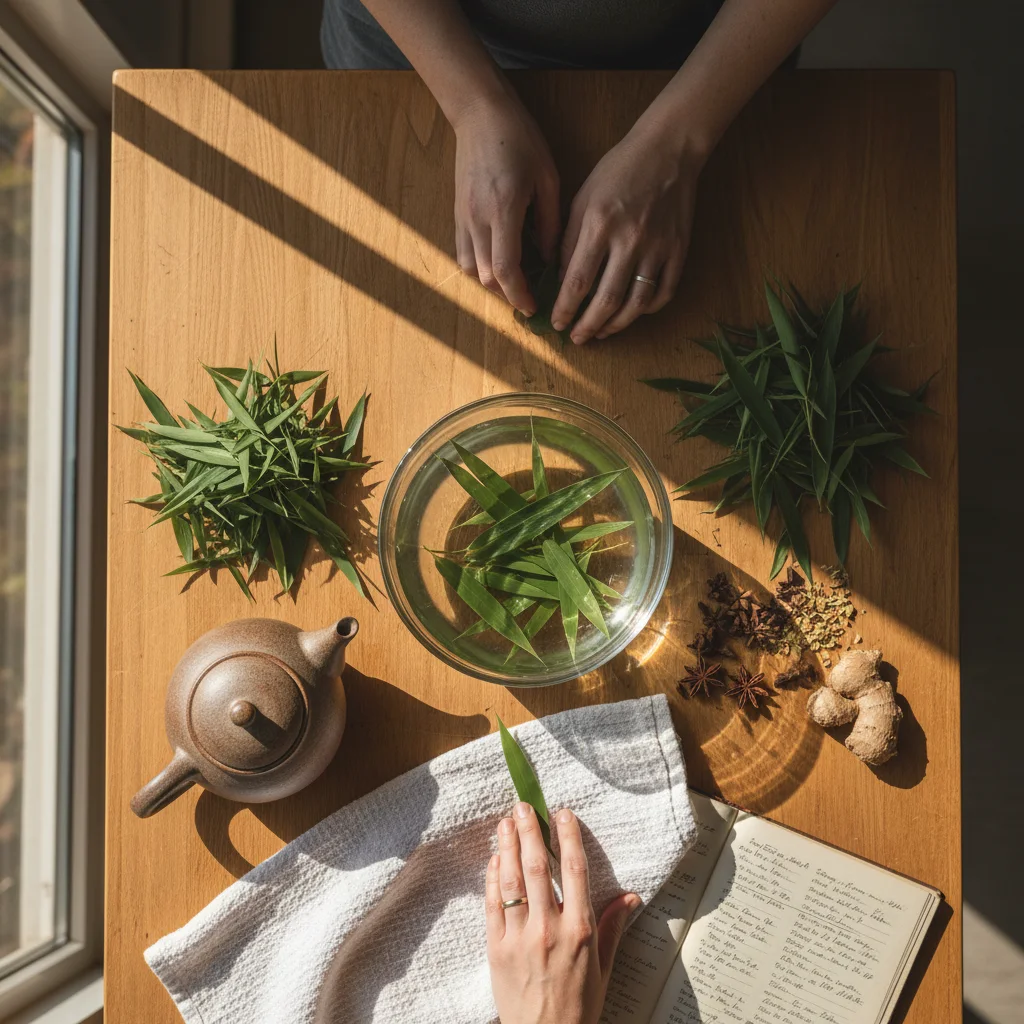
- Preparation tip: Rinse thoroughly, soak in boiling water for several minutes, and inspect for any foreign matter before using.
- Typical uses: Fresh herbal teas, steamed sticky rice wraps, herbal infusions for recipes, food-safe garnishes.
If you’re aiming to stock up on botanicals for infusions or culinary adventures, our Bulk Herbs collection offers great versatility for larger batch projects, from teas to wraps to infusions.
Choosing for DIY Skincare and Beauty Projects
- Pick at least cosmetic grade, if not food grade for extra caution.
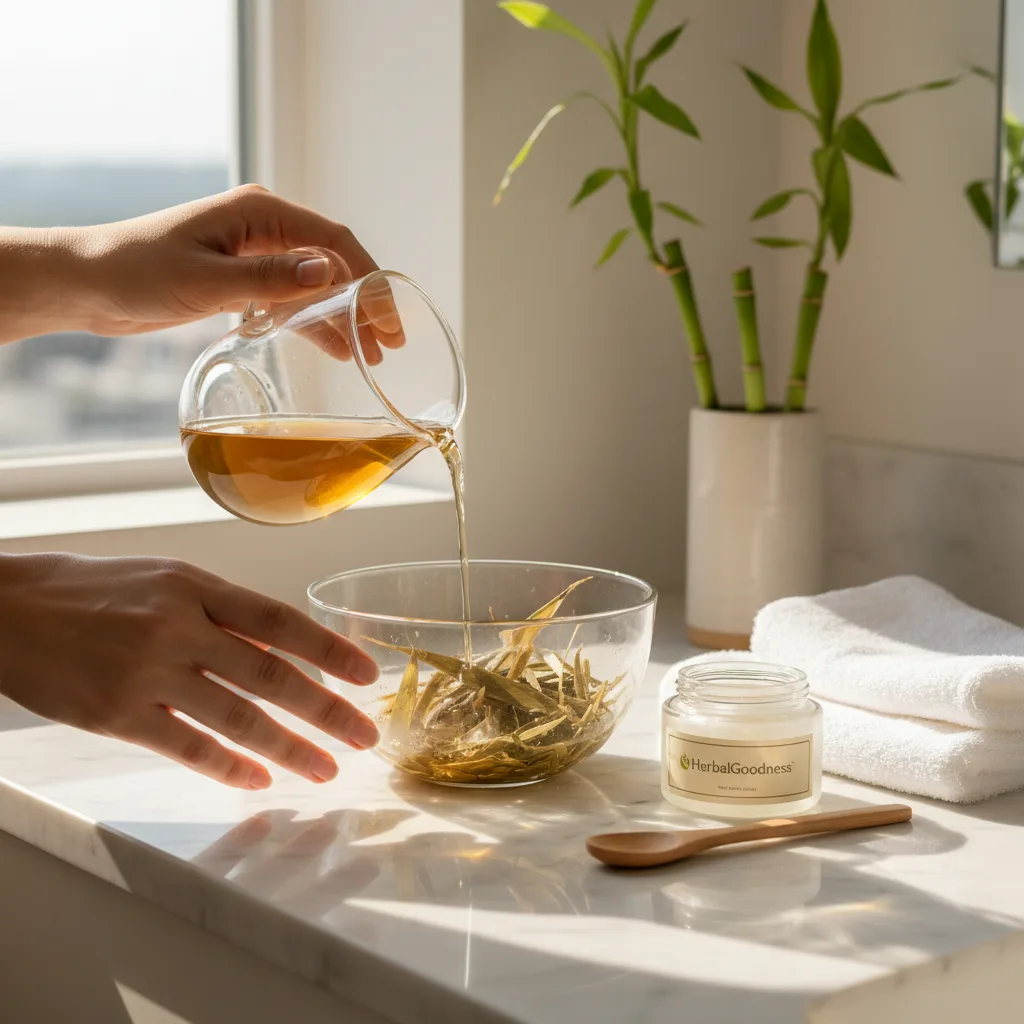
- Preparation tip: Rinse and steep as you would for tea, then cool the infusion for use in face masks, hair rinses, or bath sachets.
- Typical uses: Botanical hair rinses, facial steam, homemade toner, or aromatherapeutic baths.
Using Bamboo Silica + Biotin Hair Growth Extract | 15X Liquid | Natural Hair & Follicle Support in these projects maximizes both topical nourishment and safety. It harnesses the high silica content naturally present in quality bamboo.
When to Avoid Industrial Grade Bamboo Leaves
Industrial-grade leaves are intended for craft, garden, or non-personal uses. Avoid using these leaves for any culinary or personal care project. For safe and versatile home use, focus on products that specify food or cosmetic grade and are supplied by reputable brands.
Safe Preparation Tips for Repurposing Bulk Bamboo Leaves
While bulk lots offer economy and versatility, here’s how to prep them for home projects:
Step-by-Step Preparation
- Sort and Inspect: Discard any leaves with discoloration, excessive debris, or odor.
- Rinse Thoroughly: Use cool running water to remove dust, followed by an optional soak in clean water.
- Soak or Steam: For extra softness (especially in wraps or beauty infusions), soak in hot water for 10–15 minutes or gently steam.
- Dry or Use Immediately: For DIY beauty, use infusion right away; for food, let excess moisture drip off before proceeding.
Key Precautions
- Never use leaves labeled or tagged as industrial grade for food or skin.
- If food-grade leaves lack certifications, consider their sourcing carefully before culinary use.
- For cosmetic projects involving open skin, opting for food-grade bamboo leaves adds extra assurance.

Often, users combining bulk bamboo with other botanicals in their routine also reach for synergistic herbal teas. Explore Organic Papaya Leaf Tea | 24 Premium Bags – Caffeine-Free if you’re looking to diversify the benefits in your tea blends alongside bamboo, especially for wellness routines that focus on gentle cleansing and natural support.
Expert Tips for Bamboo Leaf Selection: Trust, Transparency, and Brand Standards
Reputable suppliers such as Herbal Goodness go the extra mile with transparency, batch documentation, and certifications. Always check supplier details, and don’t hesitate to ask for lab results or origin information if in doubt. Higher grades not only boost safety but also ensure more satisfying results in teas, cooking, and skincare routines.
If you’re interested in maximizing the utility of your bulk purchases, combining Bamboo Leaf Tea 24 Bags | Nature's Silica – Collagen & Biotin Support with other high-quality botanicals ensures reliable results, whether steeping a mug or rehydrating for a mask or rinse."
Frequently Asked Questions
Question 1: What is the difference between food-grade, cosmetic-grade, and industrial bamboo leaves?
Answer: Food-grade bamboo leaves meet strict safety criteria for eating or brewing, such as in Bamboo Leaf Tea 24 Bags | Nature's Silica – Collagen & Biotin Support. Cosmetic grade is best for topical uses and may be processed for scalp or skin-friendly applications like Bamboo Silica + Biotin Hair Growth Extract | 15X Liquid | Natural Hair & Follicle Support. Industrial grade is only for crafts or non-personal projects.
Question 2: How can I visually and aromatically tell if bamboo leaves are suitable for tea?
Answer: Choose leaves with a green, glossy look and flexible texture. Aroma should be grassy or fresh without mustiness—signs found in quality food-grade products such as Bamboo Leaf Organic 15X Liquid Extract | Silica, Collagen & Biotin.
Question 3: Are industrial-grade bamboo leaves ever safe for skin care or food?
Answer: No, industrial-grade bamboo leaves should never be used for food or skin routines. Instead, seek options specifically marked as safe for personal care or culinary use, such as those in our Bulk Herbs collection.
Question 4: What certifications should I look for in food-grade bamboo leaves?
Answer: USDA Organic, GMP, and third-party lab testing are valuable indicators of safety and quality. These are found on reputable products such as Bamboo Leaf Tea 24 Bags | Nature's Silica – Collagen & Biotin Support.
Question 5: Can I use food-grade bamboo leaves for both tea and beauty recipes?
Answer: Yes! Food-grade bamboo leaves like those in Bamboo Leaf Organic 15X Liquid Extract | Silica, Collagen & Biotin are suitable for culinary uses as well as facial steams, hair rinses, and other beauty infusions.
Question 6: What are the best preparations to get the most benefit from bulk bamboo leaves?
Answer: Sort, rinse, and soak food-grade or cosmetic-grade leaves before use. Infuse in hot water for teas or cool for skin and hair uses—many users combine bamboo with Organic Papaya Leaf Tea | 24 Premium Bags – Caffeine-Free for an herbal boost.
Ready to try new culinary or beauty projects? Choose the bamboo leaf grade that best fits your needs, and always look for reputable sourcing and trusted certifications. Thoughtful selection ensures you get the freshest and safest leaves for all your recipes and DIY creations.
About the Author
Herbal Goodness Editorial Team
The Herbal Goodness Editorial Team specializes in holistic health and superfoods, blending science and nature to educate and empower our community.
References
Introducing Graviola to Young Taste Buds: Fun, Family-Friendly Flavor Exploration
Graviola in the Classroom and at Home: Creative Activities to Teach Kids About Tropical Plants