





Bamboo Leaf Extract vs Bamboo Leaf Tea: Which One Is Right for You?

Bamboo leaf has become a popular ingredient in herbal wellness because of its gentle aroma, natural plant compounds, and versatile uses. Whether enjoyed as a refreshing herbal tea or as a convenient liquid extract, bamboo leaf offers simple ways to support daily balance and well-being. With search interest rising for bamboo leaf extract, bamboo leaf tea, bamboo leaf powder, and even bamboo leaf skin care and body wellness, more people are asking an important question: Which form of bamboo leaf is best for me?
This comprehensive guide compares bamboo leaf extract vs bamboo leaf tea, highlighting how they are made, how they differ, and how each can support daily wellness goals. We will explore where each product shines, who they are best suited for, and what to consider before incorporating bamboo leaf into your routine. The goal is to help you make a confident, informed decision that aligns with your lifestyle and preferences.
What Makes Bamboo Leaf Special?
Bamboo is known globally as a symbol of strength, resilience, and natural beauty. Beyond its visual appeal, the bamboo leaf is packed with beneficial plant components such as chlorophyll, polyphenols, and natural silica. These elements contribute to bamboo’s long-standing use in traditional practices throughout Asia and other parts of the world.
Today, bamboo leaf is available in several forms, including bamboo leaf green tea, bamboo leaf extract, bamboo leaf oil, and bamboo leaf powder. Each offers a different way to enjoy bamboo leaf’s gentle characteristics. Whether you’re looking to support hydration, boost your wellness routine, or incorporate a plant-based ingredient into your beauty rituals, bamboo leaf provides a variety of options that encourage daily balance and nourishment.
Bamboo Leaf Tea: A Calming, Traditional Herbal Experience
What Is Bamboo Leaf Tea?
Bamboo leaf tea is made from dried bamboo leaf, often taken from big leaf bamboo or related species. The leaves are washed, dried, and sometimes lightly toasted before being packed as loose-leaf tea or tea bags. When steeped in hot water, they produce a light, refreshing beverage with a clean, grassy aroma.
Bamboo Leaf Tea Benefits
-
Promotes hydration throughout the day
-
Supports a soothing, mindful tea-drinking ritual
-
Encourages calm moments during busy routines
-
Provides a gentle, plant-based beverage with a mild flavor
-
Contributes to natural beauty routines through hydration
Hydration itself can support skin appearance and overall vitality, which explains why bamboo leaf tea is often included in beauty-forward wellness practices.
Taste & Aroma
Bamboo leaf tea offers a light, smooth, and slightly sweet taste. It is less earthy than many herbal teas, making it perfect for those who prefer mild flavors. Many enjoy it both hot and iced, with additions like lemon, honey, or mint.
Who Is Bamboo Leaf Tea Best For?
Bamboo leaf tea may be ideal if you:
Enjoy warm, calming beverages
Prefer slow, intentional rituals
Want a caffeine-free option for morning or evening
Like exploring herbal blends
Are building a beauty or hydration-focused routine
Bamboo Leaf Extract: Concentrated, Convenient, and Modern
What Is Bamboo Leaf Extract?
Bamboo leaf extract, sometimes referred to as bamboo leaf drop, is a concentrated liquid created through a careful extraction process. Leaves are steeped in a water or alcohol-based solution to draw out their key plant compounds, then filtered and bottled. The result is a potent, easy-to-use liquid that can be added to beverages or taken directly according to preference.
Bamboo Leaf Extract Benefits
Consumers choose bamboo leaf extract because it:
-
Offers a concentrated serving of bamboo’s natural plant compounds
-
Supports a busy lifestyle with quick, easy use
-
Mixes effortlessly into water, tea, or smoothies
-
Encourages daily wellness through consistent, simple intake
-
Provides a versatile way to explore bamboo leaf extract skin benefits
Because bamboo leaf naturally contains silica and polyphenols, extract is often included in routines that support natural beauty, hair vitality, and body wellness practices.
Taste & Experience
Liquid extract has a slightly stronger herbal taste compared to tea but remains mild enough for most palates. It works especially well when added to flavored beverages, fruit-infused water, or herbal tea blends.
Who Is Bamboo Leaf Extract Best For?
Choose liquid extract if you:
Prefer convenience and speed
Want a richer concentration than tea
Enjoy adding herbal extracts to smoothies or juices
Travel frequently
Want a simple addition to your beauty and wellness routine
Herbal Goodness customers especially appreciate the extract for its purity, ease of use, and non-GMO formulation.
How Bamboo Leaf Tea and Extract Are Made
Production of Bamboo Leaf Tea
Tea-making involves minimal processing, preserving the leaf’s natural integrity. The steps include:
-
Harvesting mature bamboo leaves
-
Washing and drying the leaves
-
Cutting or rolling them for tea use
-
Packaging them into loose-leaf tea or bags
This simple process maintains the leaf’s natural appearance, aroma, and flavor.
Production of Bamboo Leaf Extract
Extract production requires additional steps to obtain a concentrated liquid:
-
Selecting high-quality bamboo leaves
-
Soaking them in a plant-based solution
-
Filtering out solids
-
Concentrating the liquid
-
Bottling it for easy consumption
This method ensures consistency, clarity, and potency while retaining key plant characteristics.
Extract vs Tea: A Side-by-Side Comparison
| Feature | Bamboo Leaf Tea | Bamboo Leaf Extract |
|---|---|---|
| Form | Brewed beverage | Liquid concentrate |
| Potency | Gentle | More concentrated |
| Taste | Mild, calming | Neutral to mildly herbal |
| Convenience | Requires brewing | Ready in seconds |
| Ideal For | Rituals, relaxation | Busy lifestyles |
| Versatility | Best as tea | Mixes with various drinks |
| Ritual Value | Rich | Moderate |
Both options offer meaningful ways to incorporate bamboo leaf into daily wellness, but their uses differ based on lifestyle and preference.
Bamboo Leaf for Beauty, Skin Care & Body Wellness
Bamboo's natural plant compounds, especially silica, make it a popular ingredient in beauty-focused routines. While not intended to treat skin conditions, bamboo extracts and teas are valued for their ability to:
-
Support hydration
-
Promote natural vitality
-
Contribute to healthy-looking skin and hair
-
Encourage overall beauty wellness practices
Tea for Beauty Routines
Many people drink bamboo leaf tea regularly as part of a hydration and self-care ritual. Hydration supports the body’s natural processes, which is essential for glowing skin.
Extract for Concentrated Support
Bamboo leaf extract is often used by those who want a quick, potent addition to their wellness or beauty routines. Because it is concentrated, it pairs well with smoothies, juices, or water that already support hydration and nourishment.
Which One Should You Choose?
Choose Bamboo Leaf Tea If You Want:
A soothing, calming beverage
A ritual-based experience
A caffeine-free drink for any time of day
A simple hydrating tea for beauty wellness
Choose Bamboo Leaf Extract If You Want:
A potent, concentrated option
A quick addition to drinks or smoothies
A travel-friendly product
A versatile way to support daily wellness
Choose Both If:
You enjoy starting your morning with tea
You want something fast in your afternoon routine
You’re building a beauty and hydration-focused lifestyle
Scientific Insight
Research published in the Journal of Food Science highlights bamboo leaves as a natural source of polyphenols and antioxidants, supporting interest in their use for general wellness and plant-based nourishment.
FAQ Section
1. Is bamboo leaf tea and bamboo leaf extract the same thing?
They come from the same leaf, but tea is a gentle beverage while extract is a concentrated liquid.
2. Can I drink bamboo leaf tea every day?
Yes, many people enjoy bamboo leaf tea daily as a soothing, hydrating beverage.
3. How do I use bamboo leaf extract?
Add drops to water, tea, or smoothies according to your preferred routine.
4. Is bamboo leaf good for beauty routines?
Bamboo leaf naturally contains silica and other plant compounds that support beauty wellness.
5. Which is stronger—tea or extract?
Extract is more concentrated, but tea offers a calming ritual and mild experience.
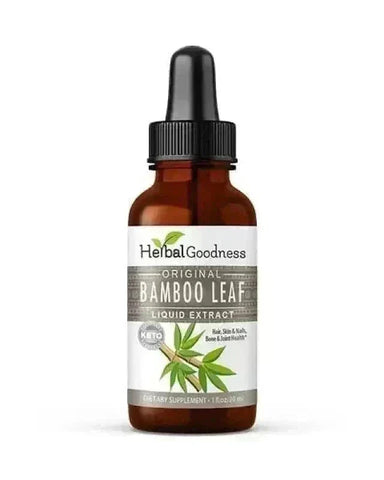
Ready to explore bamboo leaf for your daily wellness routine?
Experience the purity and convenience of Herbal Goodness Bamboo Leaf Extract – Liquid Extract, crafted with clean ingredients and designed to support a balanced, plant-forward lifestyle.
Related blogs:
Bamboo Leaves Benefits: How to Get Healthy Hair, Skin, & Nails | Herbal Goodness
References:
Journal of Food Science – Bamboo Leaf Research
Share this
Popular posts


FAQs
1. What are the main benefits of drinking bamboo leaf tea?
Drinking bamboo leaf tea supports hydration, relaxation, skin wellness, and antioxidant balance.
2. What is bamboo leaf extract used for?
It’s used for general body wellness, skin elasticity, hair and nail support, and overall vitality.
3. Can bamboo leaf help with skin care and body wellness?
Yes, bamboo leaf is rich in silica and antioxidants, which promote healthy skin, strong nails, and a youthful glow.
4. What forms of bamboo leaf are available?
You can find dried bamboo leaf, powder, extract, drops, oil, and bamboo leaf green tea.
5. Are there any side effects of bamboo leaf?
Bamboo leaf is generally safe when consumed in moderation. Always consult your healthcare provider before starting any new herbal supplement.