Ashwagandha vs Rhodiola: Preparation, Flavor & Daily Use Guide

Ashwagandha vs Rhodiola: Preparation, Flavor & Daily Use Guide
For beginners interested in the world of adaptogens, Ashwagandha and Rhodiola are two names that rise to the top. Both roots have been valued for centuries in traditional wellness practices, but how do they differ in taste, preparation, and everyday use? This guide dives into the practical, sensory, and daily habits around Ashwagandha vs Rhodiola—without medical claims or quick fixes. Instead, you'll find a curiosity-driven exploration of how each can fit naturally into your lifestyle.
Understanding Ashwagandha and Rhodiola in Everyday Life
Herbs like Ashwagandha and Rhodiola often appear together in wellness discussions, yet their traditions and daily uses vary. While both are considered adaptogens—plants appreciated for supporting resilience during stress—our focus here is on what it’s like to actually use them day-to-day. From flavor profiles to preparation styles and mindful journaling, we’ll help you explore each herb with an open mind and palate.
Traditional Preparation Methods: How Ashwagandha and Rhodiola Are Used
Ashwagandha: Ancient Roots and Modern Adaptation
Ashwagandha (Withania somnifera), sometimes called “Indian ginseng,” has deep roots in traditional Indian wellness practices. Some common ways it shows up on a beginner’s shelf include:
- Powder: Traditionally mixed with warm milk or water, sometimes sweetened with honey for a bedtime ritual.
- Capsules/Tablets: For a no-fuss option, many prefer taking pre-measured doses as part of a daily supplement routine.
- Tincture/Liquid Extract: Quickly absorbed, these can be added to water, teas, or smoothies.
- Tea: The root is sometimes brewed as a herbal tea, though it is less common than powders or tinctures.
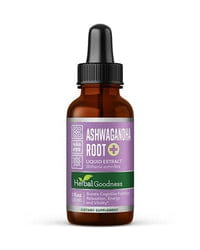
Choosing Ashwagandha Root Liquid Extract - Organic - Energy & Mood can make it easy to add a few drops to your favorite beverage, streamlining your routine.
Preparation Tips for Ashwagandha
- Powder: Start with 1/2 teaspoon mixed into warm plant-based milk or smoothie.
- Capsules: Follow package instructions—often 1–2 times daily, ideally with food.
- Tincture: Add the drops to a calming herbal tea or warm water for a subtle, earthy boost.
Rhodiola: Northern Herb with Distinct Traditions
Rhodiola (Rhodiola rosea), known as “golden root,” flourishes in cold, high-altitude regions and is traditionally celebrated in Russia and Scandinavian countries. Its preparation mirrors those of Ashwagandha but offers unique experiences:
- Tea: The dried root is steeped in hot water, giving a lightly astringent, sometimes floral flavor.
- Capsules/Tablets: Popular for those seeking convenience and measured servings.
- Powder: Blended into smoothies or yogurt; less commonly dissolved in hot liquids due to tartness.
- Tincture/Extract: Used as drops in water or as a flavoring element in other beverages.
Opting for Rhodiola Root Liquid Extract - Organic 1oz - Energy Support can help you explore the tart, invigorating qualities of this adaptogen in a versatile format.
Preparation Tips for Rhodiola
- Tea: Steep 1 teaspoon of dried chopped rhodiola root in hot water for 10–15 minutes.
- Capsules: Use as directed, once or twice per day, often in the morning.
- Powder: Try 1/4 teaspoon in your favorite morning smoothie or yogurt.
- Tincture: Add to water or herbal tea; start with a lower amount to see how the flavor fits your routine.
Flavor and Sensory Profiles: What Do They Taste Like?
Choosing between Ashwagandha and Rhodiola often comes down to personal preference, and their flavors are noticeably different. Here’s what you can expect:
Ashwagandha Taste Experience
- Primary notes: Earthy, slightly bitter, often described as “musky” or “woody.”
- Powder: Strong aroma, can be mellowed by blending with milk, nut butters, or mildly sweet flavors.
- Tea/Tincture: More subtle but the bitterness is present. Pairing with spices like cinnamon or cardamom is common.
- Capsules: Almost tasteless, making this the best choice for those sensitive to herbal flavors.
If you’re looking for options that minimize flavor impact, Blood Platelet Plus - 60/600mg 20X Strength Capsule - Platelet Boost provides the convenience of capsules, which can be beneficial for those new to herbal tastes.
Flavor Tips: If the earthiness of Ashwagandha feels strong, try blending the powder into smoothies with banana or cocoa, or mix with a hint of maple syrup in warm milk for a comforting drink.
Rhodiola Taste Experience
- Primary notes: Tart, slightly floral, with a touch of astringency reminiscent of rose petals or citrus zest.
- Tea: Light gold in color, with a distinct floral and tangy profile that some find refreshing, others strong.
- Powder: Tartness can be more noticeable; mix with sweet, creamy foods to balance.
- Capsules: Again, tasteless, for those who prefer no flavor impact.
- Tincture/Extract: A few drops can add a slightly tangy note to water or herbal drinks.
Flavor Tips: Rhodiola’s tartness pairs surprisingly well with berry smoothies or plain yogurt. If the flavor is too robust, start with smaller quantities and gradually increase.

Incorporating Ashwagandha and Rhodiola Into Daily Routines
The key to adding adaptogens to your life is ease and consistency. Here are approachable, practical ways to try each while keeping curiosity and personal preference at the forefront.
Morning
- Ashwagandha: Blend a small scoop of powder into your oatmeal or smoothie.
- Rhodiola: Brew a cup of rhodiola tea as part of your morning ritual, or try a capsule for on-the-go days.
Afternoon
- Ashwagandha: Take a capsule with lunch, or add a tincture to herbal afternoon tea for a gentle break.
- Rhodiola: Mix a rhodiola powder into a yogurt parfait. Its tartness can be a nice pick-me-up.
Evening
- Ashwagandha: Traditional preparations often suggest Ashwagandha in the evening, such as a warming milk latte to help wind down.
- Rhodiola: Less commonly used in the evening, as it is traditionally appreciated for supporting vitality earlier in the day.
Simple Journal Practice: Notice What Works for You
You don’t have to make a big commitment to find out which herb best fits your lifestyle. Try both (but not at the same time) and:
- Record how and when you used each.
- Note flavors, feelings, and preferences.
- Repeat for a week and look for patterns.
This non-judgmental approach can help you decide whether the earthy grounding of Ashwagandha or the tart lift of Rhodiola is best for your daily rhythm.
Choosing the Right Format: Teas, Capsules, Powders, and Tinctures
The choices for both Ashwagandha and Rhodiola can seem overwhelming at first. Here’s a comparison to help clarify:
Capsules/Tablets
- Best for: Those who dislike herbal flavors, want consistency and convenience.
- Downside: No sensory experience; may feel less ritualistic for some.
If convenience is a priority, choosing a capsule format can allow you to easily include adaptogens in your routine without the need for extra preparation.
Powders
- Best for: Customizing blends, adjusting serving sizes, adding to food or drinks.
- Downside: Flavors may be strong; can require blending to mask taste.
Teas
- Best for: Enjoying the ritual of preparation, appreciating nuanced flavors.
- Downside: May take longer to prepare; some find certain herbal flavors intense.
When exploring teas, you might also consider naturally caffeine-free blends, such as Soursop Leaf Tea Graviola Leaves - Organic 24/2g Tea Bags - Immunity & Cell Renew, which can offer variety and enjoyment.

Tinctures/Extracts
- Best for: Fast absorption, easy to add to many beverages or routines.
- Downside: Can have a strong taste; serving sizes require more care.
Practical Tips for Curious Beginners
- Start small: Use recommended serving sizes and observe your personal response.
- Try different forms: Rotating between powder, tea, or capsules over a week gives a fuller experience.
- Mind your timing: Ashwagandha is often used to unwind, so many prefer it at night. Rhodiola is commonly used in the morning or early afternoon.
- Keep a neutral journal: Encourage yourself to note experience—without judgment—to discover which, if either, brings value to your routine.
- Quality matters: Choose products from reputable sources. Organic and ethically sourced options are often preferred by those who value purity.
For a gentle herbal tea option that complements adaptogens and supports wellness, Bamboo Leaf Tea – 24/1.5g Tea Bags - Nature's Collagen & Biotin is a soothing choice for any time of day.
Final Thoughts: Building Your Personal Adaptogen Ritual
There is no one-size-fits-all answer when it comes to Ashwagandha vs Rhodiola. Both herbs offer distinctive tastes, preparation rituals, and daily uses. Taking a mindful, exploratory approach—rather than seeking quick solutions—lets you build a routine that resonates with your unique preferences. Whether you gravitate toward the grounding earthiness of Ashwagandha or the tart, energizing notes of Rhodiola, enjoying the process is as rewarding as any result.
Curious to explore adaptogens in your daily routine? Visit Herbal Goodness for responsibly sourced ashwagandha and rhodiola—crafted for quality and ease of use.
FAQs:
- What does ashwagandha taste like compared to rhodiola?
Ashwagandha is often described as earthy, slightly bitter, and musky, while rhodiola is more tart and floral. Ashwagandha’s flavor blends well with creamy and sweet foods, and rhodiola works nicely with tangy or berry-based combinations.
- How do you prepare ashwagandha for daily use?
Ashwagandha is commonly used as a powder mixed into warm milk or smoothies, as a capsule for convenience, or as a tincture added to beverages. Adjust the form based on your flavor preference and routine.
- Is it safe to use ashwagandha and rhodiola at the same time?
It’s best to try one adaptogen at a time if you’re new to them, so you can observe your body’s response. Consult a qualified practitioner if you have specific concerns.
- Which is better for morning routines: ashwagandha or rhodiola?
Rhodiola is commonly appreciated in the morning for its tart, invigorating profile. Ashwagandha is often enjoyed in the evening, especially blended in warm milk for a grounding effect.
- Can you mix ashwagandha or rhodiola with other herbs or foods?
Absolutely; both herbs blend well in smoothies, teas, or yogurt. Ashwagandha pairs well with milky, creamy, or subtly sweet foods, and rhodiola can complement flavors like berries and citrus.
- How do I choose between capsules, powders, or tea?
Capsules are best if you dislike herbal flavors. Choose powder or tea if you enjoy the sensory experience and want to adjust serving sizes. Try different formats to see what suits your taste and schedule.
- Do I need to journal my experience with these herbs?
Journaling can help you notice subtle responses and patterns. It’s a practical tool for staying neutral and finding which adaptogen best fits your habits, especially for beginners.
Author Name:
Herbal Goodness Editorial Team
Author Bio:
The Herbal Goodness Editorial Team specializes in holistic health and superfoods, blending science and nature to educate and empower our community.
References:
Introducing Graviola to Young Taste Buds: Fun, Family-Friendly Flavor Exploration
Graviola in the Classroom and at Home: Creative Activities to Teach Kids About Tropical Plants
Why Social Impact Matters in Plant-Based Wellness