





Wholesale Papaya 101: Beginner’s Guide to Sourcing, Grading & Storing

Are you new to the world of wholesale papaya and wondering how herbal brands source, evaluate, and store this versatile fruit? With papaya’s rising popularity in herbal products—from teas and capsules to functional foods—knowing the fundamentals helps you make informed decisions, whether you’re formulating, retailing, or simply curious about the papaya trade. Let’s take a closer look at the journey papaya takes from the field to your shelf, focusing on sourcing, grading, storage, and best practices for quality and integrity in herbal applications.
Understanding Papaya in the Herbal Industry
Papaya (Carica papaya) is much more than a delicious tropical fruit. Every part—fruit, seeds, and leaves—has been long valued in herbal traditions, offering distinctive compounds and flavors. Wholesale buyers and formulators tap into this diversity, sourcing papaya in multiple forms tailored to different product goals.
Common Forms of Papaya in Wholesale Trade
- Fresh Papaya Fruit: Typically sourced by juice bars and large food-service companies. Not as common for shelf-stable herbal products due to perishability.
- Dried Papaya Slices or Chunks: Preferred for teas, supplements, and snack formulations. Drying extends shelf life and concentrates flavor.
- Papaya Seeds: Used whole or ground for culinary and herbal preparations. Sought after for their bold, peppery taste and traditional uses.
- Papaya Leaf: Available as whole, cut, or powdered leaves. Often included in teas, capsules, and extracts for their unique phytochemical profile.
Understanding which form you need is the first step in building relationships with reliable suppliers. Among the best options for quality and consistency are Papaya Leaf Extract - Capsules 600mg - 10X Strength for easy capsule formulations and Papaya Leaf Tea - Organic 24/2g Tea Bags for teas with a clean, standardized taste.
Key Considerations When Sourcing Wholesale Papaya
Geographic Origin and Supplier Selection
Papaya grows abundantly in tropical regions. Major commercial sources include Central and South America, Southeast Asia, and parts of Africa. Each region offers different varieties and growing practices, which can influence flavor, nutrient composition, and even physical properties.
When evaluating suppliers consider:
- Growing region: Climate and soil impact taste, texture, and phytochemical content.
- Cultivation practices: Clarify if papayas are conventionally grown, organic certified, or Fair-Trade compliant.
- Company reputation: Assess reliability, communication, and transparency. Ask about their experience supplying herbal industry clients.
For brands emphasizing ethical sourcing and food safety, working with vendors offering full certifications is essential. If you are developing functional food blends, adding ingredients like Papaya Seed Powder - 60/600mg Capsules - Gut & Colon Cleanse supports targeted health claims and product differentiation.
Certifications and Documentation
For quality assurance and marketability, look for:
- Organic Certification: Indicates papayas are grown without synthetic pesticides or fertilizers. USDA Organic and other recognized certifications offer peace of mind for purity-focused brands.
- Fair-Trade Certification: Signals ethical labor and fair compensation throughout the supply chain.
- Food safety certifications: GAP (Good Agricultural Practices), HACCP (Hazard Analysis and Critical Control Points), or BRC (British Retail Consortium) standards further support quality and traceability.
- Lab testing reports: Ensure the supplier routinely tests for pesticides, heavy metals, and microbiological safety. Ask to review Certificates of Analysis (COAs) that match your batch.
Obtaining these documents upfront simplifies compliance and gives you leverage for consistent quality. High-quality Papaya Leaf Extract Blood Support - 10X 60/450mg Capsules - Blood Platelet offer extra assurance, especially for products focused on immune or circulatory support.
Understanding Papaya Grading and Quality Specs
Unlike some commodities, papaya’s grading can vary by market and supplier. Still, several factors commonly guide how wholesalers sort and present their papaya:
- Size and Maturity: For fresh papaya, uniform size, maturity, and minimal blemishes are preferred. For dried products, uniform thickness and appearance matter for consistent results.
- Color: Vibrant orange or reddish hues often indicate ripeness and appealing flavor. For leaves and seeds, deep green and rich brown are prized.
- Texture and Integrity: Dried papaya and leaves should be pliable, not brittle or too moist (risking spoilage).
- Cleanliness: Free from debris, excessive moisture, or visible foreign matter.
- Absence of defects: Minimize presence of mold spots, insect damage, or discoloration.
Ask suppliers to detail their grading standards and provide visual references—photos or small samples—to assess fit. Choosing products like Papaya Seed Powder - Organic 4oz Bag - Colon & Gut Cleanse gives access to standardized quality for encapsulation, powder blends, or teas.

How to Request Samples and Lab Reports
Experienced buyers typically request samples before committing to a large order. Here’s a simple process:
- Initiate sample request: Contact the supplier, state your use case and volume needs, and ask for small samples of the desired form (fruit, leaves, seeds, etc.).
- Request documentation: Along with the sample, ask for a recent Certificate of Analysis (COA) and all relevant quality certifications.
- Evaluate the sample: Assess color, aroma, flavor, and texture. For dried or powdered papaya, check for clumping or off-odors. If possible, have the sample assessed in your lab as well.
- Review the documentation: Cross-check lab values (e.g., moisture content, purity, contaminants) with your requirements.
- Provide feedback: Share your decision with the supplier and discuss any clarifications needed.
If you’re sourcing for capsules or tinctures, review products such as Papaya Leaf Extract 10X - 600mg Capsule - Platelet & Digestive Aid to benchmark quality for your own formulations. This workflow ensures your herbal lineup meets top industry standards.
Seasonal Insights: When to Buy Wholesale Papaya
Papaya, while grown year-round in key regions, often follows seasonal patterns influencing price and availability. Dried forms may buffer some fluctuations, but knowing the cycles helps you plan for larger projects or launches.
- Peak Seasons: Many primary growing regions see peak harvests from late spring through fall. Prices may be lower and selection broader.
- Off-Season: During shoulder or off-seasons, prices can rise and quality may vary more between lots. Plan your bulk orders and lock in volume ahead of time.
Building a rapport with your supplier helps you access the freshest possible crop or secure priority for high-demand lots during peak periods. When planning, consider Papaya Leaf Extract - Organic 16oz 15X Liquid Extract bulk options for larger-scale launches or blending.
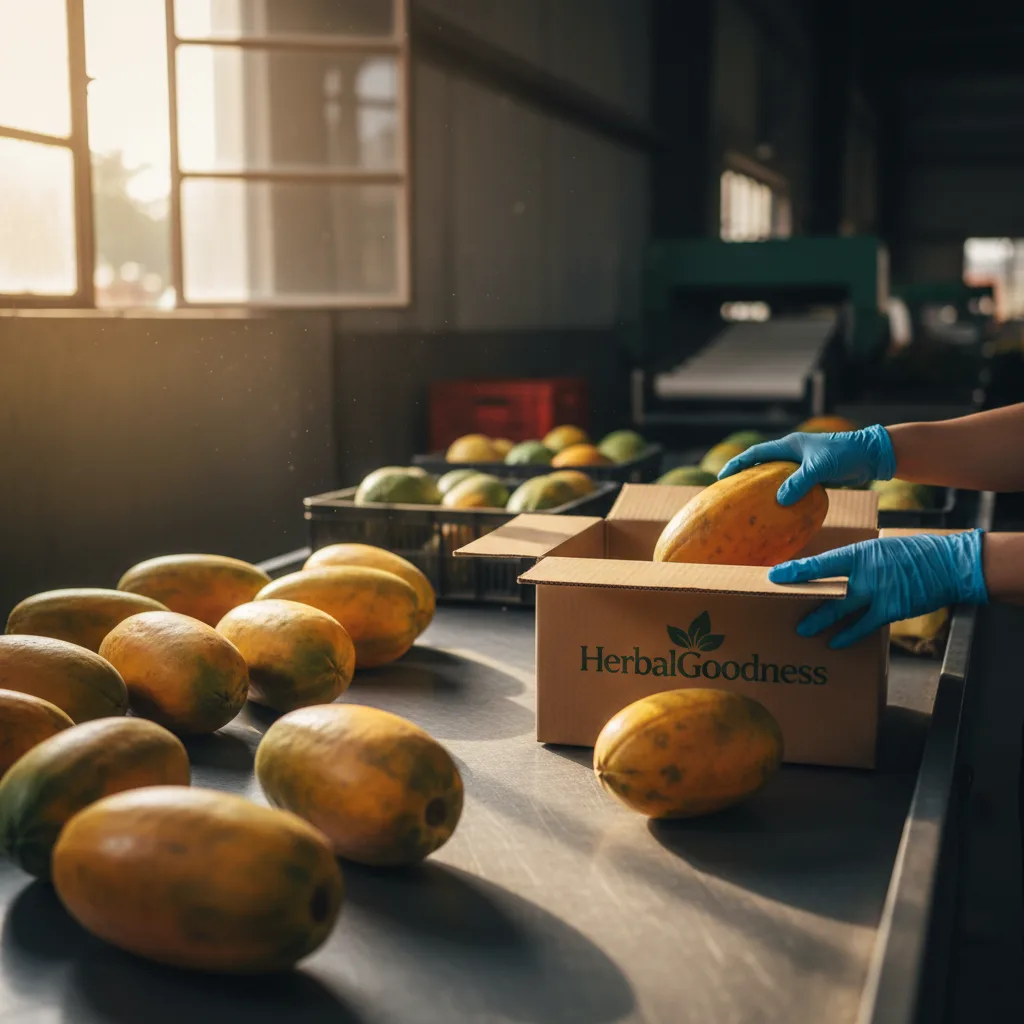
Shipping and Storage Basics for Herbal Papaya Products
Maintaining papaya’s flavor, aroma, and quality relies heavily on proper shipping and storage throughout the supply chain.
Shipping Best Practices
- Bulk dried goods: Should be packed in airtight, moisture-resistant bags or containers to prevent spoilage.
- Climate considerations: Avoid exposure to high humidity and heat, as these may impact texture and shelf stability.
- Labeling: Ensure all bulk shipments are clearly labeled with lot number, harvest date, and product form for traceability.
Warehousing and On-Site Storage
- Cool, dry, and dark: Store papaya products in environments with low humidity and stable temperatures, away from direct sunlight.
- Rotation: Use FIFO (First In, First Out) inventory practices to keep your stock fresh.
- Check-ins: Regularly inspect stored papaya for signs of moisture, pests, or degradation. Discard or process any product showing issues promptly.
For optimal quality, establish clear quality controls and work closely with your supplier to address any storage challenges on their end and yours. Some brands use Body Detox with Papaya Seed - Organic 1oz 15X Liquid Extract - Intestine & Gut Cleanse in their formulas, which also benefits from proper storage and climate control.

Simple Steps for Building Your Wholesale Papaya Program
Getting started doesn’t need to be overwhelming. Here’s a quick roadmap for herbal formulators or retailers ready to dive into wholesale papaya:
- Define your product needs: Do you require leaf, seed, dried fruit, or a custom cut/grade?
- Research reputable suppliers: Assess certifications, experience, and customer feedback.
- Request samples and documentation: See and test before you buy. Ask for COAs, organic and food safety certs.
- Negotiate and order: Discuss pricing, minimums, and shipping. Lock in quality requirements in writing.
- Plan for storage and inventory: Prep your warehouse or fulfillment space, and set reminders for regular quality checks.
Clarity and good communication at each step support consistent results and help you scale your herbal papaya offerings confidently. With so many potential formats, browse options including Green Papaya Fruit Extract - 4X 60/600mg Capsule - Digestion Aid or explore Papaya Seed - Organic 1oz 15X Liquid Extract - Colon & Gut Cleanse for digestive wellness applications.
Frequently Asked Questions
What forms of papaya are most common in herbal products?
The most frequently used forms are dried papaya pieces, papaya seeds, and papaya leaf (whole or powdered). Each provides unique properties and traditional applications.
How is papaya graded for herbal and wholesale use?
Grading typically focuses on size, color, cleanliness, and uniformity for dried fruit, seeds, or leaves. High-quality lots show consistent appearance with minimal blemishes or debris.
Are there specific certifications I should look for in wholesale papaya?
Yes. Organic and Fair-Trade certifications boost product credibility. Food safety certifications (like GAP, HACCP, or BRC) and Certificates of Analysis (COA) further support reliability.
Can I request a sample before buying in bulk?
Absolutely. Most reputable wholesale suppliers will provide samples and COAs before you commit to a large order, helping you evaluate quality first-hand.
What are the best practices for storing papaya for herbal use?
Papaya should be stored in cool, dry, and dark conditions, inside airtight packaging, and away from sources of moisture or heat. Rotate inventory using FIFO principles for freshness.
Is there a best season for buying wholesale papaya?
Peak harvest seasons depend on the region but are typically late spring to early fall. Buying during these times can help you access the freshest batches.
Why is lab testing important for wholesale papaya?
Lab tests, documented in Certificates of Analysis, verify purity, moisture level, and absence of contaminants. This protects your brand and your customers.
If you’re beginning your wholesale papaya journey, taking the time to research, request samples, and communicate with experienced suppliers lays a strong foundation for quality and consistency in your herbal products.
FAQs:
- What forms of papaya are most common in herbal products?
The most frequently used forms are dried papaya pieces, papaya seeds, and papaya leaf (whole or powdered). Each provides unique properties and traditional applications.
- How is papaya graded for herbal and wholesale use?
Grading typically focuses on size, color, cleanliness, and uniformity for dried fruit, seeds, or leaves. High-quality lots show consistent appearance with minimal blemishes or debris.
- Are there specific certifications I should look for in wholesale papaya?
Yes. Organic and Fair-Trade certifications boost product credibility. Food safety certifications (like GAP, HACCP, or BRC) and Certificates of Analysis (COA) further support reliability.
- Can I request a sample before buying in bulk?
Absolutely. Most reputable wholesale suppliers will provide samples and COAs before you commit to a large order, helping you evaluate quality first-hand.
- What are the best practices for storing papaya for herbal use?
Papaya should be stored in cool, dry, and dark conditions, inside airtight packaging, and away from sources of moisture or heat. Rotate inventory using FIFO principles for freshness.
- Is there a best season for buying wholesale papaya?
Peak harvest seasons depend on the region but are typically late spring to early fall. Buying during these times can help you access the freshest batches.
- Why is lab testing important for wholesale papaya?
Lab tests, documented in Certificates of Analysis, verify purity, moisture level, and absence of contaminants. This protects your brand and your customers.
Author Name:
Herbal Goodness Editorial Team
Author Bio:
The Herbal Goodness Editorial Team specializes in holistic health and superfoods, blending science and nature to educate and empower our community.
References:
Introducing Graviola to Young Taste Buds: Fun, Family-Friendly Flavor Exploration
Graviola in the Classroom and at Home: Creative Activities to Teach Kids About Tropical Plants
Share this

Popular posts


FAQs
1. What are the main benefits of drinking bamboo leaf tea?
Drinking bamboo leaf tea supports hydration, relaxation, skin wellness, and antioxidant balance.
2. What is bamboo leaf extract used for?
It’s used for general body wellness, skin elasticity, hair and nail support, and overall vitality.
3. Can bamboo leaf help with skin care and body wellness?
Yes, bamboo leaf is rich in silica and antioxidants, which promote healthy skin, strong nails, and a youthful glow.
4. What forms of bamboo leaf are available?
You can find dried bamboo leaf, powder, extract, drops, oil, and bamboo leaf green tea.
5. Are there any side effects of bamboo leaf?
Bamboo leaf is generally safe when consumed in moderation. Always consult your healthcare provider before starting any new herbal supplement.