





Where to Buy Hibiscus Tea: Top Local and Online Places for Every Buyer

Embarking on Your Hibiscus Tea Journey: Finding the Right Source
Hibiscus tea has become a favorite among herbal enthusiasts for its vibrant color, tart flavor, and traditional appreciation in cultures around the world. Whether you’re a seasoned tea drinker or a newcomer interested in trying something new, knowing where to buy hibiscus tea and how to choose quality products can turn a simple shopping trip into an enjoyable exploration.
This guide demystifies the process, highlighting common retailers, shopping tips, and essential terminology so you can bring home the best hibiscus tea for your taste and preferences.
The Most Popular Places to Buy Hibiscus Tea
Hibiscus tea is widely available, but the experience and options can differ depending on where you shop. Here’s a detailed look at the most accessible sources:
Grocery Stores and Supermarkets
Larger supermarkets often carry hibiscus tea in the herbal tea aisle as either tea bags or loose leaf forms. National grocery chains usually offer well-known brands in single-ingredient or blended teas (sometimes labeled as “zinger” or “herbal fruit blend”). While options may be limited, supermarkets are a reliable spot for mainstream products and grabbing a box in person.
Tip: Check the ingredient label—single-ingredient hibiscus tea typically lists only “hibiscus” or “hibiscus sabdariffa.” Blends may include flavors like rosehips or citrus peels.
Health Food Stores and Natural Markets
Natural grocers and organic markets often feature a wider array of herbal teas, including organic, fair-trade, and bulk options. Here, you may find high-quality loose petals or organically certified bags. Staff can often answer questions about sourcing and purity, and bulk bins allow you to buy just the right amount. If you’re looking to stock up for regular use or family needs, consider bulk loose leaf teas & tisanes for excellent value and freshness.
Tip: Look for products stored in airtight containers away from direct sunlight, which helps preserve freshness.
Specialty Tea Shops
Boutique tea merchants and specialty shop owners are passionate about their craft, often carrying premium-grade hibiscus in various formats (whole flower, loose cut, or even powdered). Here you can ask in-depth questions, sample blends, or discover unique hibiscus-based infusions. One unique option is the Herbal Tea Trio - Guava, Hibiscus & Avocado Bundle – Refreshing Tea Collection, which allows you to taste and compare several herbal teas at once.
Tip: Ask about the tea’s origin—different growing regions can subtly change the flavor and aroma profile. Single-origin teas may carry bolder, more complex notes.
Farmers’ Markets and Local Producers
Explore farmers’ markets for small-batch, locally sourced hibiscus. Some regions, especially those with diverse communities, may bring homegrown or farm-direct hibiscus products right to your neighborhood. Purchasing locally often means fresher tea and an opportunity to discuss cultivation methods directly with growers.
Tip: Fresh hibiscus petals are seasonal; dried petals and tea blends are more commonly available year-round.
Ethnic and International Markets
Many African, Caribbean, Middle Eastern, and Latin American shops carry bulk hibiscus under names like "sorrel," "roselle," or "karkade." These stores often provide sizable quantities and authentic, traditional varieties. It’s an excellent way to connect with the global heritage of hibiscus tea. For those seeking value and variety for year-round enjoyment, bulk herbs & roots are a reliable pick.
Tip: Bulk hibiscus at international stores may not be individually labeled; ask staff for help verifying the purity and origin.
Online Retailers and Bulk Suppliers
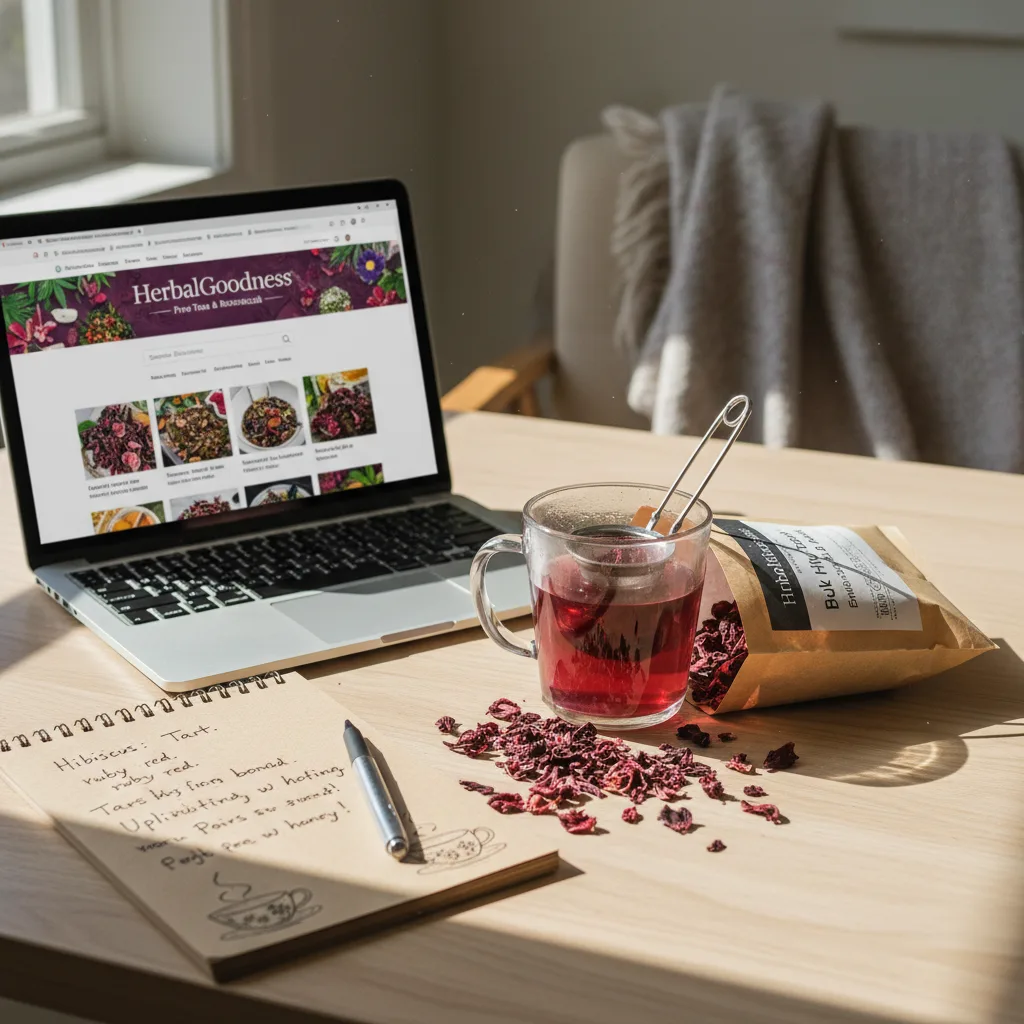
The internet has made buying hibiscus tea online simple and convenient. Leading online marketplaces, wellness shops, and specialty tea websites offer everything from small-batch whole flowers to powdered extracts and convenient tea bags. It’s easy to compare brands, read reviews, and check for certifications like USDA Organic or Non-GMO. An excellent choice for hassle-free shopping and quality is Hibiscus Tea - Organic 24/2g Tea bags - Heart Health, which offers pre-portioned bags for daily use.
Things to Look For Online:
- Ingredient transparency (100% hibiscus, no fillers)
- Verified certifications (organic, fair-trade)
- Customer reviews for flavor and freshness
- Clear shipping times and return policies
Comparing Hibiscus Tea Formats: Bags, Loose Leaf, and Powder
Hibiscus tea comes in several forms, each offering a distinct experience. Understanding your options helps ensure the best cup every time. Bulk loose leaf teas & tisanes are preferred by many connoisseurs for full, robust flavor profiles.
Tea Bags
- Convenient and portable
- Pre-portioned for single servings
- Good for beginners or busy schedules
- Usually single-ingredient or blended
Potential Considerations: Some bags may use smaller, more finely cut particles or blends with other herbs; check if you prefer a pure hibiscus experience. The Hibiscus Tea - Organic 24/2g Tea bags - Heart Health is a dependable, high-quality option for those who appreciate the convenience of bags and an organic certification.
Loose Leaf (or Loose Flower)
- Allows greater control over strength/flavor
- Typically contains larger, colorful petals
- Often offers a fresher, bolder taste
- May be available in bulk (cost-effective)
Potential Considerations: Requires a strainer or infuser, and careful measuring if you’re new to brewing loose teas. If you enjoy experimenting, try the value and variety of bulk herbs & roots featuring hibiscus and other botanicals.
Powdered Hibiscus
- Dissolves quickly for instant use
- Useful for recipes (smoothies, desserts, etc.)
- Can be more concentrated in flavor or color
Potential Considerations: Not all powders are pure; some may contain added sugars or fillers. Always review the ingredient list for purity.

Label Reading Basics: Decoding What’s on the Box
Shopping for hibiscus tea is easier when you understand what’s printed on the packaging. Here’s a quick guide to common terms and what they mean:
- Single-Ingredient: Contains only hibiscus (often Hibiscus sabdariffa), appreciated for its traditional tartness and color.
- Blended: May include hibiscus along with herbs, spices, or fruit flavors. Great for creative infusions such as those in the Herbal Tea Trio - Guava, Hibiscus & Avocado Bundle – Refreshing Tea Collection.
- Organic: Certified by an accrediting organization to be grown without synthetic pesticides or fertilizers.
- Fair-Trade: Sourced with attention to social and environmental standards; supports growers.
- Non-GMO: Made without genetically modified ingredients.
- Decaffeinated/Caffeine-Free: Naturally, hibiscus doesn’t contain caffeine.
Pro Tip: Check the ingredient list for additives, flavorings, or sweeteners if you want a pure, unsweetened experience.
Checking Freshness: Signs of Quality Hibiscus Tea
No matter where you buy, knowing how to spot freshness means a better cup and more vibrant flavor. Here are key indicators:
- Color: Dried hibiscus petals should be deep red or magenta. Faded or brownish petals may have lost their potency. If freshness and a sealed package are your top priorities, the Hibiscus Tea - Organic 24/2g Tea bags - Heart Health comes in airtight packaging designed for longevity.
- Aroma: Quality hibiscus smells crisp and fruity—if it’s musty or dull, it might be past its prime.
- Texture: Petals should feel crisp and easily broken. Avoid overly moist or sticky leaves.
- Packaging: Look for airtight, opaque containers or resealable bags to lock in freshness and protect from sun and air.
Choosing the Best Hibiscus Tea for Your Needs
With so many sources and styles, how do you select the right hibiscus tea for your preferences and lifestyle?
Consider Your Taste and Use
- Prefer strong, tart flavors? Loose leaf or whole flower hibiscus often delivers a fuller taste and is available in bulk loose leaf teas & tisanes.
- Looking for variety? Blended tea bags introduce exciting flavor combinations. The Herbal Tea Trio - Guava, Hibiscus & Avocado Bundle – Refreshing Tea Collection is ideal for tasting and exploration.
- Want versatility? Powdered hibiscus works in both beverages and culinary recipes, and bulk herbs & roots offer botanicals for multiple uses.
Think About Certifications
- If organic farming or social impact matters, seek out labels such as USDA Organic or Fair-Trade Certified. The Hibiscus Tea - Organic 24/2g Tea bags - Heart Health is both convenient and certified organic.
Decide on Quantity
- Buy tea bags if you need portability.
- Select bulk loose leaf for regular home brewing and best value, like with bulk loose leaf teas & tisanes.
Shop Trusted Sources
- Established natural grocers, specialty tea shops, or reputable online retailers generally offer more detailed sourcing and freshness information. Products like the Herbal Tea Trio - Guava, Hibiscus & Avocado Bundle – Refreshing Tea Collection let you sample, compare, and ensure freshness.

Simple Tips for Comparing and Buying Hibiscus Tea
- Explore different retailers both in-person and online to compare prices and product types. Seek out unique blends and organic options from reputable sources.
- Buy in small amounts first when trying a new source or variety. Taste and aroma vary widely.
- Check packaging dates when possible. Fresher tea offers brighter color and richer fragrance—features of the Hibiscus Tea - Organic 24/2g Tea bags - Heart Health.
- Read customer reviews for insight on flavor, strength, and authenticity—especially with online purchases. Product listings with feedback are helpful.
- Ask staff questions in specialty stores or markets. They can provide recommendations or brewing tips. Trying bulk herbs & roots opens a window to new flavors and knowledge.
- Store your tea in airtight containers, away from heat and sunlight, to preserve freshness, as recommended for all quality loose hibiscus products.
Embracing the Hibiscus Tea Experience
Choosing where to buy hibiscus tea is about more than just convenience—it's a gateway to discovering new tastes, connecting with cultural traditions, and exploring the world of natural beverages. Whether your journey starts at a local market, a boutique tea shop, or from an online supplier, being mindful of freshness, quality, and labeling ensures that every cup you brew is a satisfying one.
If you’re interested in learning more about hibiscus, its preparations, and creative ways to enjoy it, consider exploring Herbal Goodness resources dedicated to herbal teas and superfoods.
FAQs:
- What is the best place to buy hibiscus tea?
The best place depends on your needs. Local grocery stores, specialty tea shops, and trusted online retailers all offer quality options. If you want variety and in-depth information, specialty shops or reputable online stores are great choices.
- Should I buy hibiscus tea in bags or loose leaf?
Tea bags are convenient and easy for quick prep, while loose leaf offers fuller flavor and flexibility in portion. Choose bags for convenience and loose leaf for a richer taste experience.
- How can I tell if hibiscus tea is fresh?
Look for petals with a rich red or magenta color, a fruity aroma, and a crisp texture. Avoid tea that appears faded, smells musty, or feels moist.
- What does 'organic hibiscus tea' mean?
'Organic' labels indicate the hibiscus was grown without synthetic chemicals or pesticides, meeting strict certification standards. This can be important if you prioritize natural, environmentally responsible options.
- Are there differences between hibiscus tea at ethnic markets and regular stores?
Ethnic markets sometimes offer authentic, traditional varieties labeled as 'sorrel,' 'roselle,' or 'karkade.' Regular stores may offer mainstream brands, often packaged in tea bags or blends.
- Is there caffeine in hibiscus tea?
Hibiscus tea is naturally caffeine-free, making it suitable for any time of day and those looking for non-caffeinated beverage options.
- Can I buy hibiscus tea in bulk?
Yes, many health stores, international markets, and online suppliers sell hibiscus tea in bulk, which can be cost-effective and ideal for frequent use.
Author Name:
Herbal Goodness Editorial Team
Author Bio:
The Herbal Goodness Editorial Team specializes in holistic health and superfoods, blending science and nature to educate and empower our community.
References:
USDA Organic Labeling Guidelines
National Center for Complementary and Integrative Health: Herbs at a Glance – Hibiscus
Share this

Popular posts


FAQs
1. What are the main benefits of drinking bamboo leaf tea?
Drinking bamboo leaf tea supports hydration, relaxation, skin wellness, and antioxidant balance.
2. What is bamboo leaf extract used for?
It’s used for general body wellness, skin elasticity, hair and nail support, and overall vitality.
3. Can bamboo leaf help with skin care and body wellness?
Yes, bamboo leaf is rich in silica and antioxidants, which promote healthy skin, strong nails, and a youthful glow.
4. What forms of bamboo leaf are available?
You can find dried bamboo leaf, powder, extract, drops, oil, and bamboo leaf green tea.
5. Are there any side effects of bamboo leaf?
Bamboo leaf is generally safe when consumed in moderation. Always consult your healthcare provider before starting any new herbal supplement.