





What to Check Before Buying Cheap Bulk Organic Herbal Tea
Purchasing cheap bulk organic herbal tea can appear to be a smart move for small brands and cafés focused on offering natural beverages. The appeal of a low unit cost—and the ability to advertise 'organic' at scale—is undeniable. However, beneath that enticing price tag may lie a number of hidden costs and practical considerations that can impact your reputation, your customers' experience, and your bottom line. Understanding these less visible factors helps business owners make informed, responsible choices.
Why the Cheapest Bulk Organic Herbal Tea Isn’t Always the Best Value
On paper, the lowest unit price for bulk organic tea looks like a win. But in a crowded market where customers are increasingly discerning about quality and origins, focusing solely on cost can backfire. Many cafés, restaurants, and small herb brands find that the initial savings from buying cheap bulk tea are ultimately offset by unforeseen expenses and quality-related headaches down the line.
The Real Cost Versus Price Per Pound
Cost should not be confused with price. True cost includes not just what you pay upfront, but all factors involved in sourcing, storing, serving, and standing behind your product. A slightly higher-priced supplier may offer better value when you account for consistent flavor, reliable certifications, and streamlined logistics. Conversely, the wrong low-cost bulk herbal tea purchase can introduce risks that erode margins and brand trust. For example, reliable suppliers like those offering Bulk Herbs & Roots Online for Tea, Tinctures & DIY Wellness - Organic 4oz Bags are transparent about these critical factors.
Common Hidden Costs When Buying Bulk Organic Herbal Tea
A number of often-overlooked costs can catch small businesses off guard when sourcing bulk organic tea. Here are the most critical to know:
Quality Checks and Testing
Quality is ultimately what sets exceptional herbal tea apart from just passable. Some suppliers may cut corners on sorting, drying, or packaging, slipping in stalks, dust, or sub-par leaves. If you receive bulk tea that’s not up to your standards, you could face laboratory testing fees, re-blending costs, or even the need to discard product altogether. Establishing rigorous incoming quality checks—whether in-house or through third parties—adds an expense that initial quotes rarely include.
Organic Certifications and Compliance
The word 'organic' carries specific legal and consumer expectations. Ask:
- Can the supplier provide up-to-date organic and food safety certifications (i.e., USDA Organic, EU Organic, GMP)?
- Is paperwork or lot traceability available, especially if you’re audited?
The risk of receiving poorly documented or unverified ingredients is higher at the lowest price points, given the significant costs suppliers face to maintain true organic status. If certifications are missing or insufficient, you may need to pay for additional verification or risk regulatory issues. Working with trusted suppliers for Organic Herbal Tea Gift Set | 24 Teabags Wellness Collection ensures the quality and legitimacy of your organic claims.
Shipping Costs, Customs, and Delays
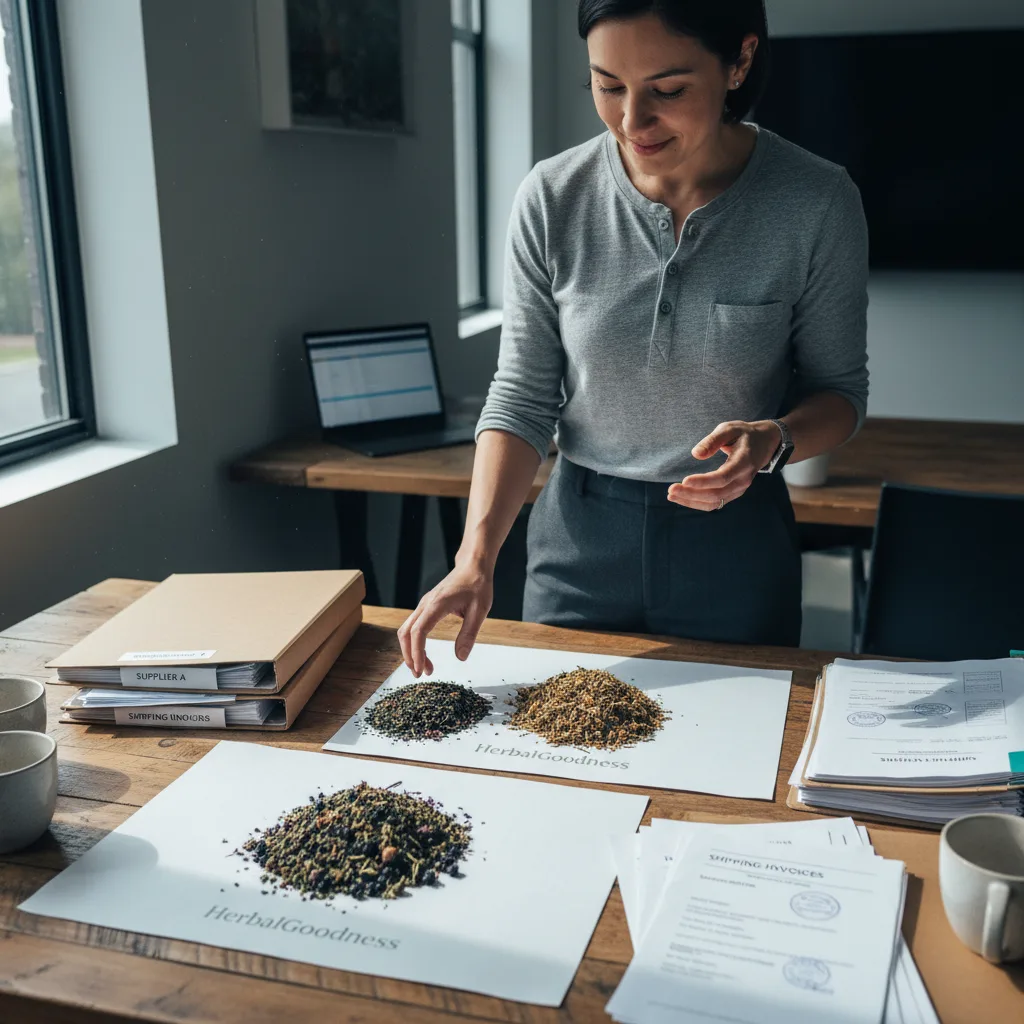
Many suppliers quote a low per-pound price but exclude shipping or customs fees. International freight, import duties, and delays at customs—particularly around organic compliance—can all raise your per-unit cost beyond initial projections. Temperature control or expedited shipping for sensitive botanicals may be necessary to preserve freshness, further adding to your logistical expenses.
Limited Shelf Life and Storage
Herbal teas are highly perishable compared to many other café ingredients. Cutting costs by sourcing from newer or unproven suppliers can mean receiving product with a shorter shelf life, older stock, or suboptimal packaging. As a result, you may incur losses from expired or staled inventory, or face higher costs for climate-controlled storage. Ask about harvest and packaging dates as part of your purchasing due diligence. For those seeking consistently fresh, Bulk Loose Leaf Teas & Tisanes - Organic 4oz - Herbal Wellness Teas are a dependable option.
Packaging Materials and Waste
Bulk doesn’t always mean eco-friendly or convenient. Some suppliers reduce price by minimizing packaging—even resorting to fragile or non-food-grade materials. This can lead to spillage, contamination risk, or the need to invest in better storage upon receipt. For small brands and cafés, repackaging costs and potential product loss should both be factored into total value.
Complicated Minimum Order Quantities
To get the best price per pound, you may be pressured to order a larger quantity than you can sell before freshness deteriorates. Excess supply strains cash flow and storage, increases risk of waste, and may not align with your sales velocity, especially for seasonal or niche flavors. Large minimums can lead to locking up capital in unsellable inventory—an often underestimated hidden cost. Flexible order options, such as those with the Herbal Tea Trio Bundle | Guava, Hibiscus & Avocado – 3 Organic Packs, may be preferable for smaller operations.
Traceability and Transparency Shortfalls
Traceability isn’t just for multinational chains—many small brands and cafés now value knowing the journey from farm to teacup. The lowest-price vendors may not offer robust batch tracking or source detail. This makes it hard to answer customer questions, support claims of ethical sourcing, or respond in the rare case of a quality concern. Investing in suppliers that provide full transparency can result in less risk and more brand equity.
Spotting Red Flags in Bulk Herbal Tea Supplier Quotes
Savvy buyers look beyond unit cost and recognize warning signs in supplier offers. Here are red flags to watch for:
Suspiciously Low Prices
If a quote is dramatically cheaper than others, it’s wise to be cautious. Genuine organic certification, fair labor, and sustainable harvesting all add cost. Aggressively low pricing could signal poor quality, lack of proper documentation, or even adulteration. It's why many businesses stick with the assurance of Wellness Tea Blends – 4oz Organic Premium Herbal Infusions known for both quality and compliance.
Missing or Incomplete Certifications
Any hesitation or delay in providing valid, current organic certifications—or reluctance to share food safety documentation—is a sign to pause negotiations.
Vague Answers to Source or Harvest Timing
Trustworthy suppliers should clearly outline their supply chains, harvest dates, and freshness protocols. Evasive responses could hint at older stock or opaque practices.
Lack of Batch or Lot Numbers
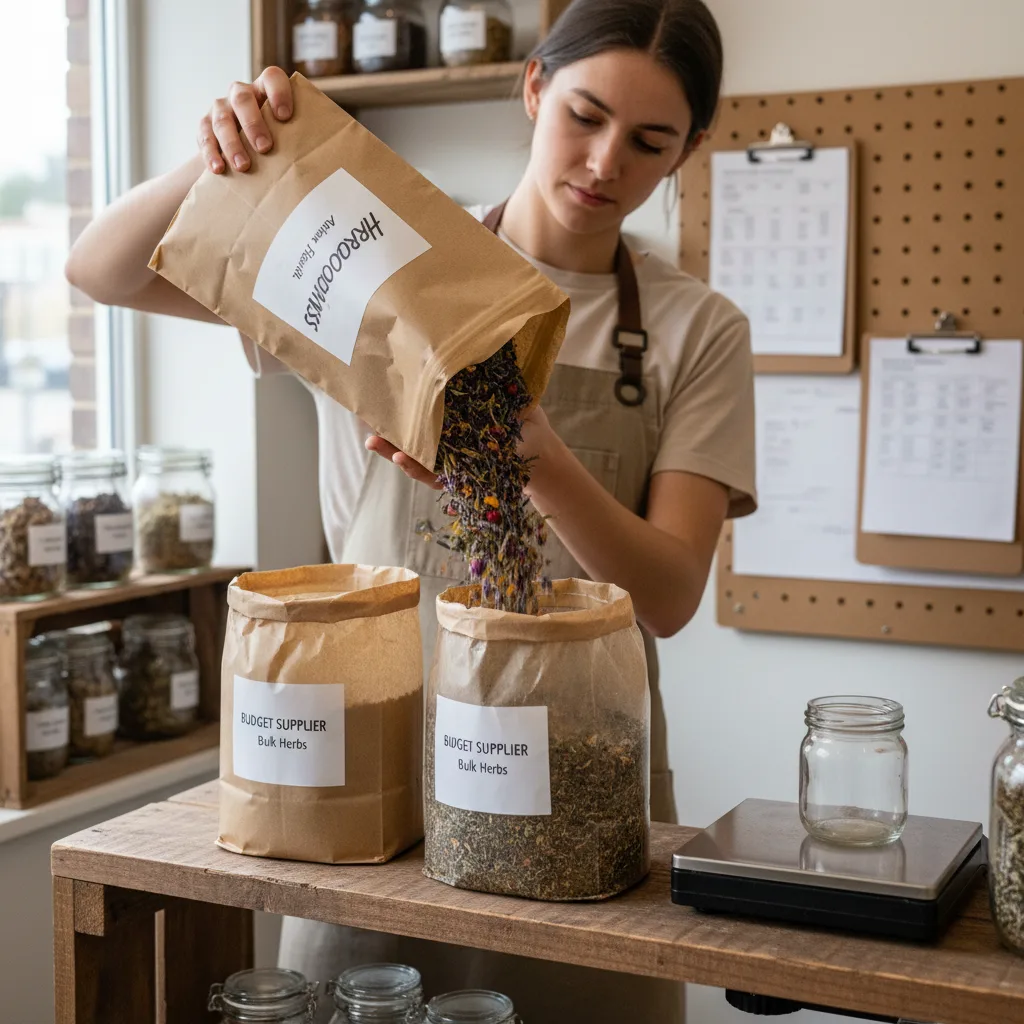
Without assigned batch and lot numbers, tracing a quality issue or recall becomes nearly impossible. Lot info is standard with reputable organic herbal tea vendors.
No Clear Return Policy or Quality Guarantee
Check for transparent policies regarding product returns or rejection for quality issues. Absence of these protections exposes buyers to more risk.
Responsible Bulk Buying: Essential Questions to Ask Suppliers
It’s possible to protect value and quality, even while seeking competitively priced organic herbal tea. Ask these key questions when evaluating suppliers:
- Can you provide verifiable, current certifications for organic status, facility hygiene, and food safety?
- What is the harvest date of this batch, and how is freshness maintained during storage and shipping?
- What are your minimum and maximum order quantities, and what happens if the product is received below agreed quality standards?
- Do you provide batch/lot numbers and full traceability from farm to dispatch?
- What are the total landed costs, including shipping, customs, storage, and handling?
- How is your tea packaged, and how does this impact shelf life and potential waste?
- What is your return and refund policy in the event of damaged or unsatisfactory product?
These questions not only enable apples-to-apples comparisons between suppliers but also show that you prioritize transparency and ethics. Choosing trusted products such as the Soursop Leaf Tea | Organic Graviola 24 Bags | Soursop Tea Benefits for Immunity & Wellness can help maintain your reputation.
As you compare suppliers, it's worth connecting with a partner that values transparency, quality, and long-term relationships. If you're planning to stock organic herbal teas or expand your product range, become a Herbal Goodness wholesaler to access wholesale pricing, dependable sourcing, and support designed for growing retailers and businesses.

Comparing Offers Fairly: A Smarter Path for Small Brands and Cafés
To truly evaluate an offer’s value, build out a cost comparison sheet that extends well beyond unit price. Include all expected and potential costs—shipping, certification, testing, storage, and possible product rejections—alongside quality indicators (certifications, traceability, reputation). This holistic assessment reflects the true investment required for sustainable herbal tea sourcing.
Herbal Goodness, with its years of experience in ethically and responsibly sourcing botanicals for both small brands and foodservice operators, emphasizes the importance of looking at the full cost picture. Prioritizing suppliers who pass robust audits, hold up-to-date certifications, and offer transparent documentation may initially look slightly more expensive but will often result in fewer headaches and stronger brand value over time.
Conclusion: Balancing Cost, Quality, and Responsibility
For cafés and emerging herbal brands, pursuing the lowest possible price for bulk organic herbal tea almost always means overlooking other key factors—product quality, compliance, logistics, and traceability. By understanding and planning for the real hidden costs, buyers can make better decisions, avoid regrets, and serve customers with greater confidence in every cup. Prioritize full value, not just cheapness, and your herbal tea program will thrive on every level.
Frequently Asked Questions
Question 1: Why should I avoid the cheapest bulk organic herbal tea for my café or brand?
Answer: The cheapest option often lacks consistency in quality and may come with hidden costs, such as poor packaging, inadequate certifications, or short shelf life. Investing in products like Bulk Loose Leaf Teas & Tisanes - Organic 4oz - Herbal Wellness Teas ensures better long-term value and brand protection.
Question 2: What certifications should my bulk herbal tea supplier provide?
Answer: Look for up-to-date certifications such as USDA Organic or EU Organic, as well as food safety documentation and batch numbers for traceability. Reliable products such as Bulk Herbs & Roots Online for Tea, Tinctures & DIY Wellness - Organic 4oz Bags are supplied with robust documentation.
Question 3: How can I ensure the freshness of my bulk organic teas?
Answer: Ask your supplier about harvest dates, packaging methods, and storage protocols. Trusted items like Soursop Leaf Tea | Organic Graviola 24 Bags | Soursop Tea Benefits for Immunity & Wellness come with freshness assurance.
Question 4: Are there flexible options for small brands buying organic herbal teas?
Answer: Yes, consider bundles like the Herbal Tea Trio Bundle | Guava, Hibiscus & Avocado – 3 Organic Packs, which allow for variety without high minimum orders.
Question 5: What risks come with poor traceability in bulk tea supply?
Answer: Lack of transparency can lead to difficulties in quality assurance, addressing customer queries, or executing a recall. This can hurt your brand's reputation and cost you more down the line. Always opt for products and suppliers committed to clear batch and lot tracking.
Question 6: How do hidden shipping and customs fees affect my bulk tea purchase?
Answer: Low upfront costs often exclude shipping, customs, or expedited logistics, potentially making your order more expensive in the end. It's crucial to clarify the total landed cost before buying.
Question 7: Can I buy organic herbal tea for gift or curated experiences?
Answer: Yes, curated sets like the Organic Herbal Tea Gift Set | 24 Teabags Wellness Collection are ideal for personalized gifting or unique customer experiences.
Explore how carefully evaluating all costs and supplier details leads to a better tea program. Steer your brand toward value, not just price, for a more rewarding and trustworthy experience.
About the Author
Herbal Goodness Editorial Team
The Herbal Goodness Editorial Team specializes in holistic health and superfoods, blending science and nature to educate and empower our community.
References
Why Social Impact Matters in Plant-Based Wellness


FAQs
Drinking bamboo leaf tea supports hydration, relaxation, skin wellness, and antioxidant balance.
It’s used for general body wellness, skin elasticity, hair and nail support, and overall vitality.
Yes, bamboo leaf is rich in silica and antioxidants, which promote healthy skin, strong nails, and a youthful glow.
You can find dried bamboo leaf, powder, extract, drops, oil, and bamboo leaf green tea.
Bamboo leaf is generally safe when consumed in moderation. Always consult your healthcare provider before starting any new herbal supplement.