





What Is Standardized Carvacrol? Oregano Oil Buying Guide

Oregano oil is quickly becoming a staple in many plant-based homes, valued for its unique aroma and versatility. But as you browse the supplement aisle or search for a high-quality kitchen oil, you might notice terms like "standardized to 70% carvacrol" or "naturally high-carvacrol" on product labels. For thoughtful shoppers who care about ingredient integrity and transparency, these phrases can raise more questions than answers. What exactly does it mean for carvacrol to be standardized? How does this compare to oils that are naturally rich in carvacrol due to their botanical origins? Let’s demystify these common label terms, clarify what matters most for aroma, culinary, and household uses, and show you how to read an oregano oil label like a pro.
Understanding Carvacrol: The Key Aromatic in Oregano Oil
Carvacrol is one of the primary aromatic compounds found in oregano essential oil. It is largely responsible for oregano oil’s signature scent, flavor, and the warming sensation some users report when tasting or smelling it. However, not all oregano plants produce oil with the same carvacrol level. The carvacrol percentage can differ widely based on the plant species (or chemotype), where and how it was grown, and when it was harvested.
Chemotype, Harvest, and Region: Why Natural Carvacrol Levels Vary
-
Oregano Species Matters: True oregano oil (from Origanum vulgare) tends to have higher natural carvacrol content, while related plants (like thyme or marjoram) produce different aromatic profiles.
-
Growing Conditions Influence Chemistry: Soil composition, altitude, temperature shifts, and sun exposure all impact the development of aromatic oils. Oregano grown wild on rocky Mediterranean hillsides often naturally develops higher carvacrol concentrations. For those seeking unique regional wellness herbs, exploring options like Raw Sea Moss 8oz Bag can complement a plant-based lifestyle.
-
Harvest Timing: When the plant is harvested—especially what time of year and stage of growth—can change the essential oil makeup. Harvested at peak bloom, oregano’s carvacrol content is typically at its highest.
Why Carvacrol Content Is Highlighted on Oregano Oil Labels
Carvacrol has long been appreciated for its strong aroma and flavor intensity. Many home cooks and natural product users seek oregano oil with higher carvacrol for fuller taste, distinctive fragrance, or household use. Recognizing this, some brands draw extra attention to carvacrol by specifying its percentage right on the label. If you prefer transparency in your herbal products, Oil of Oregano 75% Carvacrol provides detailed ingredient and sourcing information.
Decoding "Standardized to X% Carvacrol" on Product Labels
If you see "standardized to 70% carvacrol" or a similar phrase, it means the oil’s carvacrol content has been tested and adjusted to meet a specific, reliable target. Here’s how it works:
What Does "Standardization" Really Mean?
- Standardized Oregano Oil: This oil is either carefully blended, fractionated, or enhanced so that every batch contains at least the promised amount of carvacrol. This might be accomplished by combining oils from different harvests, or (in less natural cases) by adding pure carvacrol isolate. Oil of Oregano 75% Carvacrol is a common example of a standardized oregano oil product.
-
Rationale: Standardization helps guarantee predictable aroma potency and flavor from bottle to bottle. This appeals to users who want reliability or consistent results in culinary or household applications.
-
Transparency Concerns: Not all standardized products clarify whether carvacrol levels are achieved purely by selecting naturally high-carvacrol material or by supplementation with external carvacrol.
Tips for Evaluating Standardized Oregano Oil
- Look for clear explanations on the label or website. Trustworthy brands disclose how standardization is achieved.
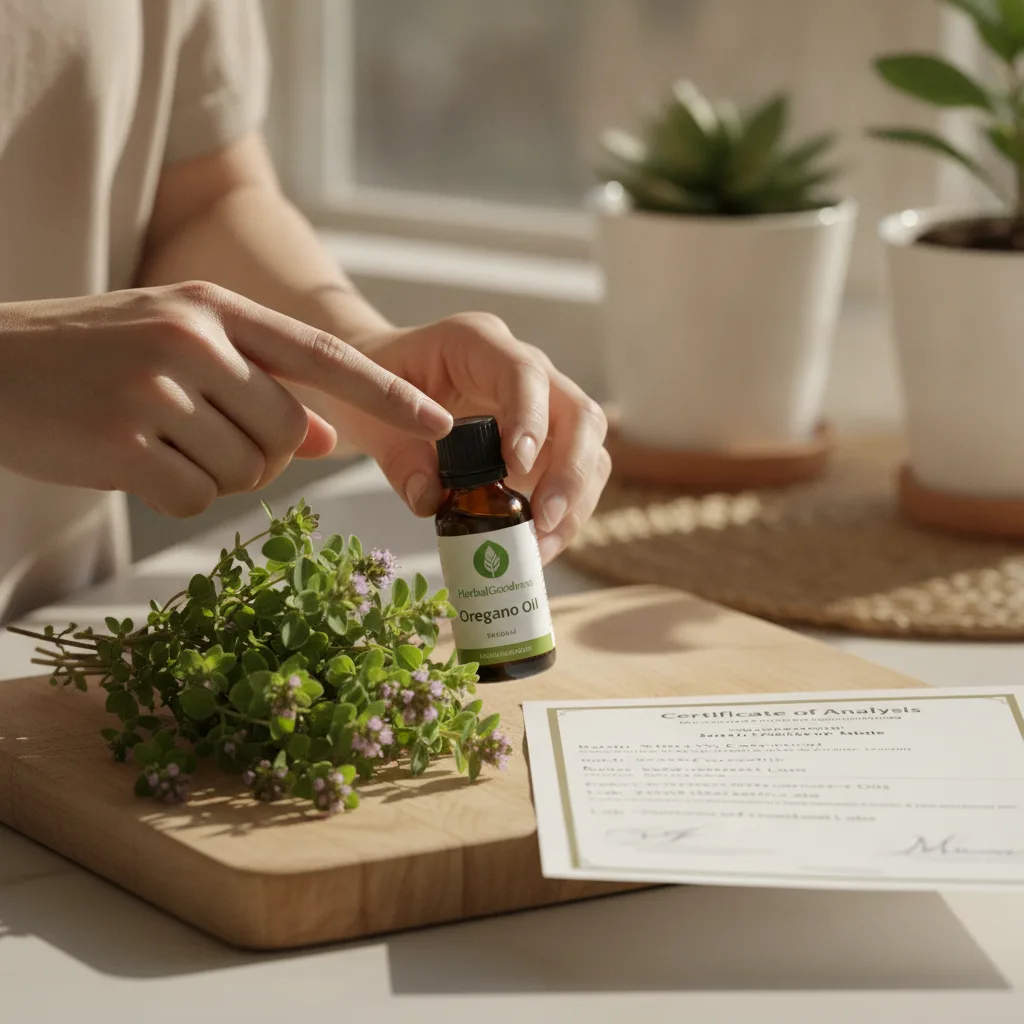
- Ask for a Certificate of Analysis (COA). The COA should detail natural levels and any additional processing or blending used. Shoppers interested in this degree of documentation might also appreciate herbal formulas supported by third-party testing, such as the Soursop Leaf Graviola Extract 15X Liquid.
- Be wary of vague or “proprietary blend” language. True transparency includes ingredient sources and actual test results.
What Makes Oregano Oil "Naturally High" in Carvacrol?
Some oregano oils are prized for containing naturally high carvacrol percentages—often as a result of careful selection of wildcrafted or heirloom plant varieties, selectively harvested at optimal times. The term "naturally high-carvacrol" signals that the oil’s robust aroma comes from the plants’ genetics and environment, not laboratory modification. For those who value naturally high active compounds, consider options like Raw Sea Moss 8oz Bag for added daily wellness.
Reading Labels for Natural Carvacrol Content
- Phrases to Look For: “Wildcrafted,” “Single-source,” “Naturally high carvacrol,” “Unstandardized,” or “Unadulterated.”
- Detailed sourcing information can be telling. Product details might list specific origin regions (e.g., Greek mountains, Turkish wild oregano) or harvest seasons.
- Lab Analysis vs. Label Claims: Honest brands provide third-party test results verifying carvacrol content as found, not adjusted. If you value ingredient integrity and certified food-grade options, detailed sourcing is key.
The Role of the Certificate of Analysis (COA)
A COA is a third-party document testing key oil attributes, including carvacrol content. It should specify whether the carvacrol percentage comes from unmodified, wild oregano oil or if it’s a result of post-extraction processing. For plant-based shoppers concerned with clean ingredients, this supporting paperwork is an invaluable tool for comparing options. Reputable supplements such as Soursop Leaf Graviola Extract 15X Liquid demonstrate the value of transparency and lab-backed wellness.
Practical Differences: Aroma, Culinary, and Household Uses
When deciding between a standardized and a naturally high-carvacrol oregano oil, think about your intended use and your priorities for sourcing and transparency.
Aroma and Sensory Experience
- Standardized Oil: Offers a reliably strong, intense oregano scent in every bottle, which may be helpful for certain household applications or seasoning blends. Consistency matters to some users, similar to the experience with Oil of Oregano 75% Carvacrol.
- Naturally High-Carvacrol Oil: May have richer, more complex aromatic notes, reflecting subtle seasonal and regional terroir (much like a fine olive oil or wine).
- Consideration: If you love unique, multifaceted aromatics, naturally high-carvacrol options might offer a more interesting sensory profile.
Culinary Uses
- Standardized Oils: Guarantee assertive oregano flavor, batch after batch, which can be desirable for professional chefs or home cooks seeking uniformity in recipes. For culinary variety with a botanical twist, try pairing oregano oil with wellness brews, like Soursop Leaf Tea.
- Naturally High-Carvacrol Oils: Provide authentic, nuanced oregano flavors showcasing the spirit of the plant's origin. They may vary subtly year to year.

Safety Note:
Use only food-grade, appropriately diluted oregano oil for culinary purposes. Always read product instructions and respect recommended serving suggestions.
Household and Craft Uses
Strong, aromatic oregano oil can be used in potpourri, DIY cleaning blends, or natural room sprays. Standardized oils offer reliable carvacrol content—handy for repeatable results. Authentic, wildcrafted oils add complexity to aroma blends where individual character matters. Explore other sustainably wildcrafted herbs and botanicals for home wellness, such as Raw Sea Moss 8oz Bag or tea blends.
Ingredient Transparency and Clean Sourcing Considerations
Today’s ingredient-savvy shoppers want products with minimal processing, clean supply chains, and clear documentation. Understanding label language, sourcing, and testing protocols helps you prioritize:
- Minimal Intervention: Oils derived by simple steam distillation, without isolated compounds added.
- Transparent Claims: Brands that state clearly how carvacrol content is achieved and backed by test results. Shop for Oil of Oregano 75% Carvacrol when you want maximum assurance and openness.
- Ethical Sourcing: Sustainable wildcrafting and traceable farming practices for both standardized and naturally high-carvacrol oils.
Herbal Goodness carefully evaluates ingredient origin, chemistry, and documentation. Responsible shoppers appreciate brands that go beyond marketing terms to openly share sourcing stories and lab findings. Broaden your transparency standards to other botanicals, such as Soursop Leaf Graviola Extract 15X Liquid or clean teas.
What to Ask Sellers or Brands When Shopping for Oregano Oil
To make an informed oregano oil purchase, consider the following:
- What is the carvacrol percentage, and how was it achieved?
- Is it from a single-source or blended across multiple regions/harvests?
- Does the supplier provide a recent Certificate of Analysis (COA)?
- Was carvacrol added post-distillation, or is the oil’s composition naturally occurring?
- Are there any additives, preservatives, or diluents in the formula?
- Is the oregano certified as wildcrafted, organic, or sustainably harvested?
Checking for a COA is useful when evaluating both oregano oil and other herbal preparations. Those who ask questions and review documents will feel empowered not only in sourcing oregano, but also when browsing Soursop Leaf Tea or Raw Sea Moss 8oz Bag.
Interpreting Common Oregano Oil Label Terms
When scanning oregano oil packaging, here are some terms you might see and what they often mean:
- Standardized to X% Carvacrol: Consistently contains at least this percentage, possibly by blending or fortification as in Oil of Oregano 75% Carvacrol.
- Naturally High Carvacrol: Achieves stated level without carvacrol addition, often due to careful plant selection and timing.
- Wildcrafted/Oil of Oregano: Sourced from wild plants, generally unblended and valued for natural aroma intensity.
- Food Grade/Pure/Unadulterated: Indicates minimal processing, undiluted, but always check for specifics on how carvacrol is measured. When selecting your wellness products, seek out the same clarity of labeling you’d expect from expertly sourced teas or Soursop Leaf Graviola Extract 15X Liquid.
Making the Best Choice for Your Needs
Choosing between standardized and naturally high-carvacrol oregano oil is about matching your preferences for aroma, taste, consistency, and sourcing transparency. If you seek reliability and uniformity, standardized oils can deliver that experience. If authenticity, regional nuance, and minimal intervention matter most, naturally high-carvacrol oils—supported by robust documentation—may better align with your values. Reading the label carefully and asking informed questions empowers you as a plant-based, ingredient-conscious consumer.
Frequently Asked Questions
Question 1: What does it mean if an oregano oil is standardized to 75% carvacrol?
Answer: A standardized oregano oil, like Oil of Oregano 75% Carvacrol, means the carvacrol content has been measured and adjusted (sometimes by blending or fortification) to guarantee that every batch contains at least 75%. This offers reliable aroma and culinary potency.
Question 2: How can I tell if oregano oil is naturally high in carvacrol?
Answer: Look for label phrases like “wildcrafted,” “single-source,” “naturally high carvacrol,” or “unadulterated.” Brands supporting products such as Raw Sea Moss 8oz Bag often provide detailed sourcing and test information, which is also helpful for evaluating oregano oil.
Question 3: Why should I check for a Certificate of Analysis (COA)?
Answer: A COA from a reputable supplier, like those provided for Soursop Leaf Graviola Extract 15X Liquid, ensures that the carvacrol level (or other active compounds) has been measured by a third party and clarifies if it is naturally occurring or enhanced.
Question 4: Is standardized or naturally high carvacrol oil better for culinary uses?
Answer: Standardized oils provide consistent flavor and potency, ideal for recipes needing repeatable results—comparable to the uniformity found in Oil of Oregano 75% Carvacrol. Naturally high carvacrol oils offer more complexity but can vary in taste.
Question 5: What types of herbal products also value ingredient transparency?
Answer: Products such as Soursop Leaf Tea or Raw Sea Moss 8oz Bag feature clear sourcing and third-party testing, similar to quality oregano oil brands.
Question 6: Is oregano oil safe to use for household applications?
Answer: Yes, strong aromatic oregano oil can be useful in DIY cleaning blends or room sprays. For safety, follow usage instructions and opt for reputable products, just as you would with Soursop Leaf Graviola Extract 15X Liquid or other concentrated botanicals.
Question 7: Are all oregano oils the same for health and wellness support?
Answer: Oregano oils differ widely in carvacrol content, sourcing, and processing. For broader plant-based wellness, some choose to include a spectrum of botanicals such as Raw Sea Moss 8oz Bag alongside oregano oil.
Empower your plant-based shopping choices by taking a closer look at oregano oil labels and always requesting a recent Certificate of Analysis for ingredient transparency.
About the Author
Herbal Goodness Editorial Team
The Herbal Goodness Editorial Team specializes in holistic health and superfoods, blending science and nature to educate and empower our community.
References
Oregano Oil vs. Black Seed Oil: Sensory & Sourcing Guide
Share this
Popular posts


FAQs
1. What are the main benefits of drinking bamboo leaf tea?
Drinking bamboo leaf tea supports hydration, relaxation, skin wellness, and antioxidant balance.
2. What is bamboo leaf extract used for?
It’s used for general body wellness, skin elasticity, hair and nail support, and overall vitality.
3. Can bamboo leaf help with skin care and body wellness?
Yes, bamboo leaf is rich in silica and antioxidants, which promote healthy skin, strong nails, and a youthful glow.
4. What forms of bamboo leaf are available?
You can find dried bamboo leaf, powder, extract, drops, oil, and bamboo leaf green tea.
5. Are there any side effects of bamboo leaf?
Bamboo leaf is generally safe when consumed in moderation. Always consult your healthcare provider before starting any new herbal supplement.