





Terroir of Beauty Herbs: Growing Conditions & Processing Shape Skin-Friendly Compounds

Curious about why some herbal teas taste brighter, feel smoother on the tongue, or leave you with a gentle radiance? The answer often begins far before the cup—tracing back to fields, harvesting hands, and meticulous plant care. This exploration into the terroir of beauty herbs reveals how soil, sunlight, and processing unlock or safeguard plant compounds closely studied for their connections to skin elasticity—including silica, vitamin C precursors, and polyphenols. Let’s unpack how these environmental and handling details shape both the experience and the potential botanical benefits of your favorite beauty herbs.
Unpacking the Terroir of Beauty Herbs: Why Place and Process Matter
What Is Terroir, and How Does It Apply to Herbs?
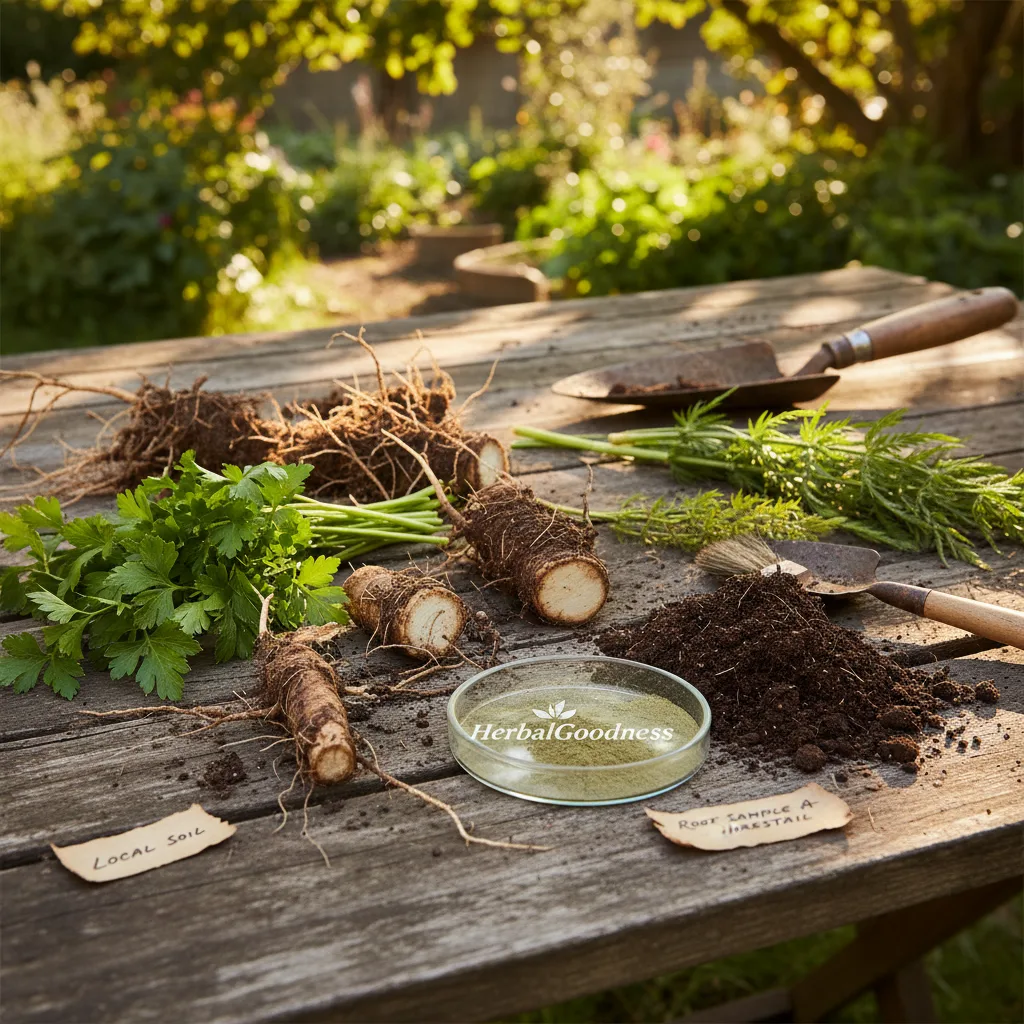
You may have heard of terroir when it comes to wine, describing how a grape’s origin (soil, climate, culture) gives each vintage its unique personality. In the world of beauty herbs—from horsetail and nettle to hibiscus and rosehips—terroir plays a similar role. Simply put, terroir is the sum of all environmental factors where a plant is grown and how it’s handled post-harvest. This includes:
- Soil composition (minerals, organic matter, pH)
- Local climate (temperature, rainfall, sunlight hours)
- Altitude and microclimates
- Traditional cultivation practices and wildcrafting
- Timing and method of harvest
- Drying, extraction, and storage conditions
Each of these details influences the concentration and flavor of the plant compounds researchers study in relation to skin structure and appearance.
The Botanical Science Behind Skin-Related Compounds
While no herb is a magic wand, some plant compounds—including silica, vitamin C precursor molecules, and polyphenols—are widely appreciated for their traditional associations with natural beauty rituals. These compounds support the broader foundation of botanical wellness routines and are often explored in research for their roles in supporting healthy-looking skin.
Soil and Climate: The Foundation of Herbal Radiance
Mineral-Rich Soil and Silica Content
Certain beauty herbs, such as horsetail and nettle, have long been valued for their naturally occurring silica. Silica is a trace element involved in plant cell structure. Its levels in herbs can be significantly influenced by soil mineral richness: soils high in quartz or sand often yield herbs with slightly higher silica content. However, organic matter and microbial health also play a role.
Tip: Herbs grown in regeneratively cultivated fields or regions historically known for mineral-rich soil may offer a flavor and texture profile hinting at higher mineral content. Look for sourcing details such as “wildcrafted” or “from volcanic soil” on packaging if you’re curious about soil influence.
Climate’s Subtle Impact on Vitamins and Antioxidants
The intensity, duration, and quality of sunlight, along with rainfall patterns, impact the formation of antioxidants—especially polyphenols and vitamin C precursors. For example:
- Regions with high sun exposure: Herbs may develop deeper pigmentation and brighter flavor, often signaling elevated polyphenol concentration (think of anthocyanin-rich hibiscus or green-hued moringa leaves).
- Cooler climates: Can slow plant metabolism, meaning a gradual build-up of certain plant compounds that translate to more nuanced taste.
Flavor Insight: Herbs harvested from sun-drenched regions often brew into vibrant teas with a tart or floral palate, while those from cooler climates may yield milder, more nuanced infusions. Exploring these unique profiles is part of what makes sampling teas such as Bamboo Leaf Tea – 24/1.5g Tea Bags - Nature's Collagen & Biotin so rewarding.
Harvest Timing: Capturing Compounds at Their Peak
Morning vs. Afternoon Harvest
Many traditional harvesters believe the best time to gather herbs is just after the morning dew dries, but before the midday sun is at its strongest. At this point, essential oils, polyphenols, and other valued plant constituents may be at their daily peak. Vitamin C and its precursors, in particular, are known to be sensitive to light and heat and may degrade quickly if picked late in the day or when conditions are excessively hot.
Seasonal Harvest and Plant Maturity
- Young leaves and shoots tend to have softer, fresher flavors and can be richer in tender phytonutrients.
- Mature stems and fully ripe fruits may offer more earthy or robust notes, signaling higher concentrations of certain minerals and flavonoids.
Practical Tip: Beauty Builder - 1oz 15X Liquid Extract - Anti-Aging & Skin Elasticity and similar products sometimes list “first cut” or “young leaf” on their packaging, highlighting a focus on optimal harvest timing for peak botanical compounds.
Processing: Drying, Extraction, and Their Effects on Botanicals
Gentle Drying to Safeguard Phytonutrients
Once harvested, how beauty herbs are dried can either preserve or degrade their valuable compounds. Fast, low-heat air drying is often favored for delicate flowers and leafy herbs to help retain volatile oils and vitamin C precursors.
- Sun drying can boost flavor but sometimes reduces heat-sensitive compounds.
- Shade or low-temperature drying is gentler and helps maintain a broader spectrum of plant chemicals.
Extraction Methods: From Tea to Tincture
- Water Infusions (Teas): A time-honored way to gently extract minerals and polyphenols—products like Hibiscus Tea - Organic 24/2g Tea bags - Heart Health can showcase these vivid qualities in every cup.
- Powders: Air-dried and ground, powders offer culinary versatility—from adding to smoothies to blending in oatmeal or dressings.
- Alcohol or glycerin tinctures: Extract a range of fat- and water-soluble compounds, sometimes capturing flavors and aromatic qualities lost in plain teas.

Label Clues: Look for processing descriptors such as “low-temperature dried,” “fresh frozen,” or “whole plant extract”—these hint at methods chosen to preserve the herbs’ original spectrum of plant compounds. This is a hallmark of transparent brands, giving you confidence in the range of nutrients held within each bottle or bag.
Unlocking Flavor: Sourcing and Using Beauty Herbs in Everyday Life
Decoding Herb Labels: Reading Between the Lines
A well-crafted label invites curiosity and transparency. Here’s what to notice when flavor and integrity matter:
- Origin: Country or even region of harvest can indicate climate and soil influences.
- Harvest and processing notes: “Hand-picked,” “wild-harvested,” or “single origin” are all signals of attention to terroir.
- Batch and lot numbers: Indicate small-batch production—often linked to attentive processing.
- Certifications: Organic, non-GMO, or regenerative agriculture certifications don’t just speak to purity but often signal thoughtful soil and processing standards, which can impact flavor and the spectrum of plant compounds.
Embracing Beauty Herbs in Everyday Routines
Sampling beauty herbs does not mean transforming your cupboard—sometimes a simple herbal tea ritual or sprinkling a powder into a favorite recipe opens the door. Here’s how to start:
Flavor-First Ways to Explore Beauty Herbs
- Brew fresh nettle or horsetail tea—notice subtle earthy or grassy notes that reflect the soil. If you're focusing on herbal teas, products like Bulk Loose Leaf Teas & Tisanes - Organic 4oz - Herbal Wellness Teas offer a convenient way to customize your blend.
- Use hibiscus petals in iced teas or sprinkle rosehip powder on yogurt for a tart twist suggesting high vitamin C precursors. For a ready-to-use option, try including Radiantly Good Looking - 2fl.oz - Skin & Anti-Aging in your skin-care routine.

- Blend a teaspoon of herbal powder into morning smoothies or dust over a fruit salad for added plant-based polyphenols, knowing that ingredient sourcing can influence both the nutritional value and subtle flavor notes you experience.
- Get playful with culinary herbs like basil or parsley, which also contain polyphenols, as finishing touches on warm dishes.
Gentle Sampling: A Mindful Approach
If you are new to beauty herbs, start with single-ingredient teas or culinary powders to fully appreciate flavor and aroma before exploring blends. Take note of how different brands’ sourcing and processing (sometimes apparent in color, aroma, or label transparency) shift your tasting experience. Those diving deeper into beauty routines can explore concentrated elixirs such as Radiance Boost - 15X Liquid Extract - Beauty From Within for a dedicated skin-support formula.
The Subtle Art of Mindful Selection: Building Your Herbal Palette
The journey of discovering beauty herbs goes beyond plant names or traditional uses—it’s a process of deepening your sensory awareness to subtle differences in terroir. As you explore, view each herb as the product of a unique collaboration between nature, farmer or wildcrafter, and those who process and package.
A mindful, flavor-driven approach to selection aligns with the philosophy of Herbal Goodness and other thoughtful brands, ensuring the beauty you seek in your cup or plate is sustained—from root to ritual. Interested in hands-on experimenting? Curate your own routine with items such as Bulk Herbs & Roots - Organic 4oz Bags - Herbal Tea to sample the full influence of terroir in every steep.
FAQs:
- What does the term 'terroir' mean in the context of beauty herbs?
Terroir refers to the environmental factors—like soil, climate, and harvest methods—that influence an herb's nutritional composition, flavor, and sensory qualities.
- How can soil type affect plant compounds in beauty herbs?
Soil composition impacts the level of minerals such as silica, which can contribute to plant cell structure and are valued in traditional beauty rituals.
- Does the time of harvest influence the herbal benefits or flavor?
Yes, harvesting at different times of day or season can affect the levels of compounds like polyphenols and vitamin C precursors, as well as the herb’s taste and aroma.
- Why are drying and processing methods important for beauty herbs?
Gentle drying and processing, like shade drying or careful extraction, can help retain sensitive plant compounds that contribute to both flavor and wellness traditions.
- What are some easy ways to sample beauty herbs?
Start with pure herbal teas, add powdered herbs to food or drinks, or try culinary applications. Notice color, flavor, and aroma as reflections of sourcing and processing.
- How can I spot high-quality beauty herbs when shopping?
Look for details about harvest method, origin, and processing on labels—terms like 'wild-harvested,’ 'low-temperature dried,' or 'single origin' can indicate quality and care.
Author Name:
Herbal Goodness Editorial Team
Author Bio:
The Herbal Goodness Editorial Team specializes in holistic health and superfoods, blending science and nature to educate and empower our community.
References:
Introducing Graviola to Young Taste Buds: Fun, Family-Friendly Flavor Exploration
Graviola in the Classroom and at Home: Creative Activities to Teach Kids About Tropical Plants
Why Social Impact Matters in Plant-Based Wellness