





Soursop Tea for Calm Evenings: Brewing, Blending & Ritual Tips

Soursop Tea for Calm Evenings: Brewing, Blending & Ritual Tips
Sipping a steaming cup of herbal tea at the end of the day is a comforting ritual for many. If your evenings call for new flavors and gentle relaxation, soursop leaf tea might be your next favorite. Known for its uniquely subtle taste and long-appreciated use in soothing evening routines, soursop leaf pairs well with calming botanicals like chamomile, lemon balm, and lavender. In this beginner-friendly guide, you'll learn how to prepare soursop tea for a peaceful night, explore gentle blending ideas, discover tasting notes, and create a simple bedtime ritual that centers calmness and mindfulness.
Introducing Soursop Tea: The Gentle Star of Evening Brews
Soursop tea is made from the leaves of the Annona muricata tree, native to tropical regions. While the spiky green soursop fruit is gaining attention for its flavor, it’s the leaves that are often steeped as a calming herbal infusion. Unlike bold black teas or spicy chai blends, soursop leaf tea offers a smooth, earthy, almost creamy taste with grassy notes, making it a fitting foundation for aromatic nighttime blends.
- Flavor Profile: Mildly sweet, slightly grassy, smooth finish
- Caffeine Content: Naturally caffeine-free
- Traditionally Used: For calming, warming routine teas that support restfulness
The Art of Brewing Soursop Tea: Method, Temperature, and Timing
Making a flavorful soursop leaf tea is simple, but mindful brewing brings out its best qualities. Here’s how to start your soursop tea journey:
Step 1: Choose Your Leaves
Look for whole dried, organic soursop leaves (cut and sifted forms are also available), or ready-to-brew tea bags from reputable herbal sources. Fresh leaves are sometimes accessible, but most tea drinkers use dried leaves for convenience and year-round enjoyment.
Step 2: Prep and Measure
- Loose Leaves: 1–2 teaspoons dried soursop leaves per 8 oz cup
- Teabag: 1 bag per cup
Crush or tear the leaves gently to maximize flavor release.
Step 3: Water Temperature Matters
Soursop leaf is delicate. Too-hot water can release bitterness. For the best flavor:
- Water temperature: 195–205°F (just below boiling)
- Bring fresh, filtered water to a boil and let it cool for 1–2 minutes before pouring over the leaves.
Step 4: Steeping Time
- Steep soursop leaves for 5–7 minutes for a light, subtle brew
- For a richer, slightly stronger infusion, allow up to 10 minutes
Tip: Cover your cup while steeping to trap aromatic oils and enhance flavor.
Step 5: Strain and Savor
Remove the leaves or bag; taste. If desired, adjust steeping time or leaf quantity next time to tailor the cup to your preference.
Gentle Blending Partners for Soursop Leaf Tea
While soursop shines on its own, blending it with other gentle, aromatic herbs can heighten its soothing effect and tantalize your palate. Here are three classic pairings:
1. Chamomile (Matricaria recutita)
Classic companion for bedtime.
- Flavor: Soft, floral, honeyed
- How to blend: Add 1 teaspoon dried chamomile flowers to each serving of soursop leaves. Steep together.
2. Lemon Balm (Melissa officinalis)
Refreshing yet mellow, with a citrusy aroma.
- Flavor: Light lemon zest, hint of mint
- How to blend: Blend equal parts soursop leaf and lemon balm for a calming and fragrant evening infusion.
3. Lavender (Lavandula angustifolia)
Adds a floral, spa-like aroma and flavor.
- Flavor: Delicate, sweet, with herbal depth
- How to blend: Use just 1/4 to 1/2 teaspoon culinary-grade dried lavender buds with your soursop tea. Go light—lavender’s flavor is strong!
Custom Blend Ideas
- Soursop + Chamomile + Lavender: For a multi-layered, floral bedtime cup
- Soursop + Lemon Balm + Mint: For a refreshing but gentle evening tea—use a pinch of peppermint
- Soursop + Rose Petals: For a romantic, fragrant twist
Explore ratios and combinations. The only rule: keep it gentle, cozy, and centered on what makes you feel at ease.
Tasting Notes: What Makes Soursop Tea Unique?
The experience of drinking soursop tea is more than its gentle flavor. Here’s what to expect:
- Aroma: Mildly herbal, occasionally with hints of fresh-cut grass or green tea
- Color: Pale yellow to light green, depending on brew time
- Mouthfeel: Smooth, not drying
- Aftertaste: Clean and mellow, with a faint creamy quality

The tea is rarely bitter if brewed correctly, making it pleasantly sippable for longer tea sessions. Sweeteners like honey or agave can complement, but many find soursop’s mildness needs no adjustment. Other options, such as blending with Bamboo Leaf Tea – 24/1.5g Tea Bags - Nature's Collagen & Biotin, can enhance the overall soothing feel.
Crafting a Relaxing Nighttime Tea Ritual
A calming evening tea ritual goes beyond simply making a hot drink. Rituals create intentional space for relaxation, gently signaling to your body and mind that it’s time to unwind.
Step 1: Prepare Your Space
- Dim the lights or light a candle
- Turn off screens or switch to soft background music
- Arrange your favorite mug, a cozy throw, and a book or journal
Step 2: Mindful Tea Making
- As you heat water and measure herbs, focus on the gentle scents and textures
- Pour water slowly, watching leaves swirl and infuse
- Inhale the aroma as your tea steeps
Step 3: Sip and Savor
- Take a few deep, slow breaths before your first sip
- Drink slowly, noting the subtle flavor changes as your tea cools
- Pair your tea with quiet time—reading, journaling, or simple mindful reflection
Step 4: Optional Ritual Additions
- Practice a short gratitude exercise or jot down highlights from your day
- Pair with gentle stretches or a restorative yoga pose
- End with a short meditation or breathwork session
Making tea into a nightly ritual transforms a simple drink into a powerful, centering habit—inviting tranquility into your routine. For those looking to supplement their ritual, Soursop Leaf Graviola Extract - - Organic 15X Liquid Extract - Cell Renew & Immunity offers an easy way to incorporate the benefits of soursop.
Sourcing Soursop Leaves and Safety Considerations
Sourcing quality soursop leaves is important for taste and peace of mind.
How to Source
- Choose organic, non-GMO dried soursop leaves from reputable brands or specialty tea shops.
- Tea bags are a convenient option, but check ingredient lists to ensure pure soursop or intentional blends.
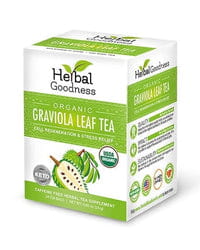
- Herbal Goodness and similar trusted producers may offer soursop in easy-to-use forms.
Practical Safety Reminders
- Use only the recommended amount of soursop leaves—more is not always better for flavor or experience.
- If you’re pregnant, breastfeeding, or have specific health considerations, check with a qualified healthcare professional before adding new herbs to your evening routine.
- For all, start with gentle blends and observe how it feels in your nighttime routine.
For those seeking to broaden their herbal repertoire, options like Papaya Leaf Tea - Organic 24/2g Tea Bags pair well with calming routines and bring distinct phytonutrients to your cup.
Why Choose Soursop Tea for Your Evenings?
Soursop tea’s naturally caffeine-free, subtle flavor and pleasant blending qualities make it a gentle beverage for your bedtime hours. It’s long valued in various cultures for supporting moments of rest, reflection, and calm. Whether enjoyed solo or in aromatic blends, soursop tea can be the centerpiece of a mindful, relaxing evening.

Quick Recap for Beginners:
- Flavor: Smooth, grassy, mild—very soothing
- Brewing: Steep for 5–10 minutes just below boiling
- Blends well with: Chamomile, lemon balm, lavender
- Perfect for: Evening wind-down and simple calming ritual
If you’re interested in nurturing immunity and cellular health alongside a relaxing tea ritual, Graviola Soursop Leaf Extract – 10X 60/600mg Capsules - Cell Renew & Immunity offers a convenient supplement option. And for friends and family learning to embrace gentle bedtime habits, gifting the Herbal Tea Gift Set – Wellness Tea Gift Variety Collection - Organic 24 Teabags can inspire wonderful new evening rituals.
FAQs:
- What does soursop tea taste like?
Soursop tea offers a smooth, mildly grassy flavor with subtle creamy undertones and very little bitterness. Its gentle taste stands out from bolder herbal teas, making it soothing and easy to blend with florals or citrusy herbs.
- Can I blend soursop tea with other herbs?
Absolutely! Soursop tea pairs gently with chamomile, lemon balm, and lavender. These blends support relaxing flavors perfect for bedtime. Experiment with ratios to find a mix that fits your taste and evening mood.
- How long should I steep soursop leaves?
For a mild brew, steep dried soursop leaves for 5–7 minutes using just-below-boiling water. For a slightly bolder infusion, let it steep up to 10 minutes. Adjust as needed based on your preferred flavor intensity.
- Is soursop tea naturally caffeine-free?
Yes, soursop leaves contain no caffeine, making their tea a wonderful choice for evenings. This gentle beverage can be enjoyed close to bedtime as part of a calming nighttime ritual.
- Are there any safety tips when trying soursop tea for the first time?
Use only high-quality, food-grade leaves, and start with the recommended amount. If pregnant, breastfeeding, or with significant health concerns, consult a healthcare professional before adding any new herb to your evening routine.
- Where can I find high-quality soursop leaves or tea bags?
Look for organic, non-GMO soursop leaves or reputable pre-made tea bags from trusted herbal suppliers. Herbal Goodness and similarly respected sources are recommended for purity and quality.
- What simple ritual can make evening tea time more relaxing?
Create a cozy space with soft lighting, focus on the sensory experience of brewing, and pair your tea with quiet activities like reading or meditation. A regular ritual helps signal to your mind and body that it’s time to unwind.
Author Name:
Herbal Goodness Editorial Team
Author Bio:
The Herbal Goodness Editorial Team specializes in holistic health and superfoods, blending science and nature to educate and empower our community.
References:
Introducing Graviola to Young Taste Buds: Fun, Family-Friendly Flavor Exploration
Graviola in the Classroom and at Home: Creative Activities to Teach Kids About Tropical Plants
Share this
Popular posts


FAQs
1. What are the main benefits of drinking bamboo leaf tea?
Drinking bamboo leaf tea supports hydration, relaxation, skin wellness, and antioxidant balance.
2. What is bamboo leaf extract used for?
It’s used for general body wellness, skin elasticity, hair and nail support, and overall vitality.
3. Can bamboo leaf help with skin care and body wellness?
Yes, bamboo leaf is rich in silica and antioxidants, which promote healthy skin, strong nails, and a youthful glow.
4. What forms of bamboo leaf are available?
You can find dried bamboo leaf, powder, extract, drops, oil, and bamboo leaf green tea.
5. Are there any side effects of bamboo leaf?
Bamboo leaf is generally safe when consumed in moderation. Always consult your healthcare provider before starting any new herbal supplement.