





Soursop Leaf Benefits: Traditional Perspectives, Research & Practical Guidance

Soursop leaves, known as graviola in many parts of the world, have a rich history grounded in traditional practice and cultural appreciation. With roots in tropical regions such as the Caribbean, Central and South America, Southeast Asia, and Africa, soursop has long been valued for its striking flavor and distinctive aroma. Today, many are drawn to soursop leaf benefits—commonly mentioned properties that span folk wisdom, contemporary interest, and expanding research.
In this mid-funnel exploration, we’ll examine 15 commonly cited uses of soursop leaves, connect them to cultural origins and the plant’s unique compounds, consider the nature of scientific investigations so far, and offer guidance for evaluating claims and using soursop leaves mindfully.
Deep Roots: Cultural and Traditional Uses of Soursop Leaves
Heritage of Use Across Cultures
The use of soursop leaves stretches back generations in communities where the Annona muricata tree grows. From Caribbean bush teas to Amazonian infusions, soursop leaves hold an honored place in traditional systems focused on overall equilibrium and well-being. In many communities, the leaves are steeped to create aromatic beverages. Other preparations may use crushed or boiled leaves for external applications, tying into beliefs about nurturing the body’s natural processes and comfort.
Common Ways Soursop Leaves Are Appreciated
- Herbal teas or infusions, usually prepared with fresh or dried leaves
- Traditional bath soaks or poultices in select cultures
- Culinary folk uses in specific regions
- Combined rituals emphasizing rest and gentle nourishment
It’s important to note these traditions often reflect whole-person philosophies and local botanical knowledge—rather than specific outcome claims.
Plant Compounds: The “Why” Behind Traditional Interest
What makes soursop leaves attract such sustained attention? The leaves are known for being a source of diverse plant compounds that have attracted interest from both traditional and modern perspectives. While researchers continue evaluating these naturally occurring components, a few key groups stand out:
- Acetogenins: Unique to the Annona family, these polyketide compounds are the focus of much scientific curiosity.
- Alkaloids: Naturally occurring nitrogen-containing compounds, common in many botanicals.
- Flavonoids: Long valued for their presence in fruits and leaves, appreciated for their antioxidant properties.
- Tannins and Saponins: Both well-known plant constituents, explored for their potential physiological activities.
It bears repeating—scientific exploration is ongoing, and while laboratory studies provide fascinating insights, their direct relevance to humans is an evolving area of inquiry.

15 Commonly Mentioned Soursop Leaf Benefits: A Closer Look
For those exploring soursop leaves as part of holistic wellness routines, here are 15 widely cited properties and uses ascribed to these leaves. Each connects back to cultural traditions or the naturally occurring compounds within the plant.
1. Relaxation and Calm
Herbal teas brewed from soursop leaves have long been enjoyed in the evenings in some cultures, accompanying rituals to unwind and promote a sense of tranquility. Soursop Leaf Tea Graviola Leaves - Organic 24/2g Tea Bags - Immunity & Cell Renew can provide a convenient way to enjoy this renowned botanical beverage.
2. Aromatic Tradition
Soursop leaves are often described as possessing a soothing, earthy fragrance. Aromatic compounds in the leaves may contribute to the calming ambiance created during tea ceremonies.
3. Gentle Digestive Support
Beverages made from soursop leaves have been traditionally consumed after meals, in keeping with folk wisdom promoting comfort and balance post-dining. For those looking for broader digestive wellness, Green Papaya Fruit Extract - 4X 60/600mg Capsule - Digestion Aid supports a balanced approach.
4. Support for Restful Practices
A common folk use involves steeping soursop leaves and enjoying the infusion before bedtime, as part of wind-down routines associated with rest. This aligns with the tradition of using botanicals to support relaxation.
5. Traditional Topical Applications
In select regions, crushed or gently heated leaves have been included in traditional skin applications. These practices are tied to beliefs about soothing and comfort, not to specific medical claims.
6. Cultural Rituals for Well-Being
Soursop leaves sometimes play a supporting role in larger wellness rituals—such as calmness routines, ceremonial baths, or meditative practices. Complementary botanicals, like Beauty Sleep - 1oz 15X Liquid Extract - Sleep & Relaxation, are sought by those seeking further support for rest.
7. Culinary Accent
While less common, the leaves have occasionally found their way into culinary presentations, valued for their distinctive fragrance when used cautiously.
8. Family Remedies Passed Down Generations
Many traditions pass down soursop leaf preparations as part of family and community wellness knowledge, often focusing on comfort and overall vitality.
9. Seasonal Changes
In some households, soursop leaf beverages are chosen during seasonal transitions—linked to beliefs around gentle adaptation and natural cycles. Approaching dietary or wellness changes can also be enhanced with gentle blends like Soursop Leaf Graviola Extract - - Organic 15X Liquid Extract - Cell Renew & Immunity.
10. Inclusion in Holistic Practice Bundles
Soursop leaves can be included in herbal blends with other botanicals during wellness rituals. The aim is to support a holistic approach to nurturing body and spirit.

11. Botanical Baths
Folk practices sometimes involve incorporating soursop leaves in warm bath infusions, aligning with traditions of soothing and resetting after a long day.
12. Integrated in Mindful Living
For many, the intentional preparation of soursop leaf tea represents a broader commitment to mindfulness and consciousness in daily choices.
13. Supportive Role in Social Gatherings
In several cultures, sharing soursop leaf tea is part of communal rituals and hospitality, emphasizing connection and bonding over shared wellness practices. When seeking a convenient and consistent herbal option for gatherings, Soursop Leaf Tea Graviola Leaves - Organic 24/2g Tea Bags - Immunity & Cell Renew is a practical choice.
14. Traditional Practices for Calm Moods
Stories from folk healers and elders recount the potential of soursop leaves to support a sense of serenity, often appreciated in gentle beverage form.
15. Connection to Nature’s Rhythms
Consistent with the botanical heritage of the tree, using soursop leaves is seen as a way to reconnect with the earth and treasure the gifts of natural cycles.
Understanding the Scientific Interest
Research Overview
Scientific attention to soursop leaves focuses on mapping and characterizing their unique compounds. Most investigations are laboratory-based or use isolated preparations to observe antioxidant capacity and the presence of specific plant chemicals. Some animal studies have been conducted, focusing on mechanisms but not providing actionable human recommendations.
What We Know—and What Remains to Be Discovered
While cell and animal research has illuminated intriguing properties, there’s limited direct evidence on human experience. Botanical scientists emphasize the importance of distinguishing between preclinical research and practical use. If you encounter references to soursop leaf studies, it’s wise to look for:
- Whether the research examines isolated compounds or whole-leaf preparations
- If the context was cell-based, animal-based, or involved human observation
- The way outcomes are framed—are they about mechanisms or broader holistic effects?
Assessing Soursop Leaf Claims Responsibly
Questions to Consider
With interest in soursop leaf benefits growing, so too do claims—ranging from grounded in tradition to speculative. Mindful evaluation can help you distinguish anecdotal traditions from early-stage scientific exploration. Ask:
- Is the claim rooted in cultural tradition, preliminary research, or both?
- Are specifics backed by reliably sourced texts or only by informal anecdotes?
- Is language careful and thoughtful about potential (using phrases like “commonly appreciated for…”)—or does it overpromise?
Understanding Labels and Sourcing
Especially for botanicals not native to your region, look for information about responsible sourcing, drying, and packaging. Herbal Goodness is known for prioritizing high-quality, ethically sourced botanicals, supporting mindful choices.
Safe and Respectful Ways to Enjoy Soursop Leaves
Preparing Soursop Leaves
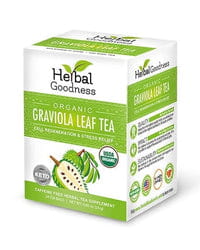
The most popular way to enjoy soursop leaves is as an herbal tea. To try this traditional preparation, use one or two dried leaves per serving, steeped for several minutes in hot (not boiling) water. Start with a small amount to observe your own response. Always use leaves from a trusted source, such as Soursop Leaf Tea Graviola Leaves - Organic 24/2g Tea Bags - Immunity & Cell Renew.
Observing Your Unique Response
Each person’s experience with botanicals is individual. Start slowly, notice how your body feels, and pay attention to subtle sensations or changes in your overall wellness routine. If you have questions, consider speaking with a qualified wellness professional about integrating new botanicals into your lifestyle. Personal Consultation with Herbalist or Health Coach can provide tailored guidance for your wellness journey.
A Note on Combining Botanicals
Many traditional practices make use of herbal blends. If you’re curious, research compatible flavors and cultural pairings. However, always avoid “stacking” multiple potent herbs together unless you’re familiar with their combined effects, and never use wild-harvested botanicals without proper identification and preparation knowledge.
Looking Ahead: Respecting a Living Tradition
The growing contemporary interest in soursop leaf benefits reflects both a desire to honor time-tested wisdom and a curiosity for what science may uncover. By grounding choices in mindful evaluation, respectful preparation, and openness to learning, individuals can participate in a living tradition that celebrates balance, flavor, and connection to the plant world.
FAQs:
- What are the main compounds found in soursop leaves?
Soursop leaves contain acetogenins, alkaloids, flavonoids, tannins, and saponins. These plant compounds are the focus of much traditional use and scientific investigation.
- How do I safely prepare soursop leaf tea at home?
Use one or two dried leaves per serving, steep them in hot (not boiling) water for a few minutes, then strain. Start with a small amount and adjust according to your personal response.
- Are soursop leaves safe for everyone to use?
Most traditions recommend starting with small amounts and observing your own experience. If you are pregnant, nursing, or have special wellness circumstances, consider consulting a qualified professional first.
- How can I evaluate claims about soursop leaf benefits?
Look for information grounded in reputable sources, check if claims reference cultural traditions or preliminary research, and seek thoughtful, balanced language rather than overstatements.
- What is the best way to source high-quality soursop leaves?
Buy from established brands committed to ethical growing, harvesting, and processing standards. Herbal Goodness is an example of a company that emphasizes quality and transparency.
- Can soursop leaves be combined with other herbs?
Yes, many traditional blends include soursop leaves alongside other botanicals. Always research compatible combinations, start slow, and avoid unfamiliar wild plants.
- Why are soursop leaves valued in so many cultures?
Their role in rituals, teas, and holistic practices is rooted in both the unique compounds within the leaf and longstanding beliefs about balance, comfort, and connection to nature.
Author Name:
Herbal Goodness Editorial Team
Author Bio:
The Herbal Goodness Editorial Team specializes in holistic health and superfoods, blending science and nature to educate and empower our community.
References:
Graviola (Soursop) – National Center for Complementary and Integrative Health
Annona muricata: A Comprehensive Review – National Library of Medicine
Introducing Graviola to Young Taste Buds: Fun, Family-Friendly Flavor Exploration
Graviola in the Classroom and at Home: Creative Activities to Teach Kids About Tropical Plants
Share this

Popular posts


FAQs
1. What are the main benefits of drinking bamboo leaf tea?
Drinking bamboo leaf tea supports hydration, relaxation, skin wellness, and antioxidant balance.
2. What is bamboo leaf extract used for?
It’s used for general body wellness, skin elasticity, hair and nail support, and overall vitality.
3. Can bamboo leaf help with skin care and body wellness?
Yes, bamboo leaf is rich in silica and antioxidants, which promote healthy skin, strong nails, and a youthful glow.
4. What forms of bamboo leaf are available?
You can find dried bamboo leaf, powder, extract, drops, oil, and bamboo leaf green tea.
5. Are there any side effects of bamboo leaf?
Bamboo leaf is generally safe when consumed in moderation. Always consult your healthcare provider before starting any new herbal supplement.