





Single-Ingredient or Blend? Choosing Organic Mullein Tea Online

Curious to explore the gentle world of organic mullein tea, but unsure where to start? Shopping for herbal teas online opens a world of choices, from single-ingredient mullein leaf teas to intriguing mullein-containing blends crafted for nuanced flavor and ritual. Understanding how to read tea labels, recognize companion herbs, and anticipate taste profiles can help you confidently select the right tea for your enjoyment. In this beginner’s guide, we’ll unpack everything you need to know about choosing between pure organic mullein tea and thoughtfully blended options, ensuring your steeped cup lives up to your expectations.
Understanding Organic Mullein Tea: Pure Leaf vs. Blends
Before deciding which type of organic mullein tea might become your new favorite, it helps to understand what sets single-ingredient teas apart from blends—and why these differences matter.
What Is Single-Ingredient Organic Mullein Tea?
Single-ingredient mullein tea features only one component: typically, the dried leaves (and sometimes flowers) of the mullein plant (Verbascum thapsus). This tea is cherished for its simplicity and earthy, subtly herbal taste profile. Shoppers looking to experience mullein’s traditional qualities without distractions may gravitate toward this straightforward option. When browsing for pure mullein tea, look for short ingredient lists that mention only mullein leaf or flower, ideally labeled as “certified organic.”
What Are Mullein Tea Blends?
Mullein tea blends combine mullein with other botanicals, creating layered flavors and expanding the ritual experience. These blends vary widely, often featuring popular companion herbs such as peppermint, chamomile, ginger, or licorice root. Each blend is designed with a particular approach in mind, whether for a floral, minty, or spiced sensory journey. If you’re intrigued by creative flavors or are new to herbal teas, blends offer a friendly entry point.
How to Read Ingredient Lists and Tea Labels Online
When shopping online, the product page or packaging details are your best guides to understanding what’s inside each tea option. Here’s how to decode them step by step:
Ingredient Lists: What to Look For
- Single-ingredient teas: The list should mention only mullein (leaf or flower). There should be no additional flavorings, herbs, or fillers.
- Blends: Expect a combination of plant names. These are typically listed in descending order by weight. Look for recognizable botanicals and note if “natural flavors” or unspecified extracts are included; some consumers prefer full transparency.
Organic Language: Decoding Labels
Organic credentials can sometimes be confusing. Here are key terms you’ll encounter:
- "Certified Organic”: This signal means the entire product and its production process are verified by an accredited certifying agency. Look for the USDA Organic seal or equivalent on the label or description.
- "Made with Organic Ingredients”: The blend contains at least 70% organic components, but is not 100% organic. This phrase can be applied to some blends where only certain herbs are sourced organically.
- Origin and Cut: “Leaf” and “cut” denote which part of the mullein plant is used and its preparation style. Whole leaf or cut/sifted designations influence both brewing behavior and texture. Knowing the plant’s country of origin can matter to those preferring certain climate-grown botanicals.
Sourcing Clues: Quality Indicators
- Look for phrases like “non-GMO,” “responsibly harvested,” or “wildcrafted” if sustainability matters to you.
- Check if third-party test results or certifications are mentioned, as reputable companies often volunteer this data for additional trust.
Common Companion Herbs in Mullein Tea Blends
Choosing a mullein blend is also about embracing unique botanical pairings. Some herbs offer bright citrus notes, while others bring a soothing or spiced character. Here are the companions you’ll most often see mixed with mullein:
Peppermint
Adds a brisk, refreshing coolness that uplifts the naturally gentle flavor of mullein leaves.
Chamomile
Imparts a sweet, apple-like aroma and a calmly floral presence. Often paired for a mellow, comforting brew.
Ginger
Brings a mild warmth and subtle spice, balancing mullein’s earthier notes. Ginger-mullein blends can be inviting in colder months.
Licorice Root
Offers an unmistakable touch of natural sweetness and depth, rounding out any mildness in a mullein-based blend.
Lemon Balm, Eucalyptus, or Thyme
Sometimes included for a crisp hint of citrus or greeny freshness. These herbs create a complex, layered experience perfect for curious palates.
Comparing the Drinking Experience: What to Expect
When choosing between pure mullein and a blend, tasting notes and steeping guidance can help you envision which ritual will suit your preferences best.
Flavor Profile: Pure vs. Blend
- Pure Mullein: Expect a mild, slightly earthy, and almost hay-like taste. The flavor is gentle and not overpowering—easy for beginners or for those who prefer understated teas.
- Blends: Vary dramatically in taste. The dominant flavor may shift based on the strongest companion herb. Minty, floral, sweet, or warming notes can all be present, offering something for a broader range of palates.
Appearance and Aroma
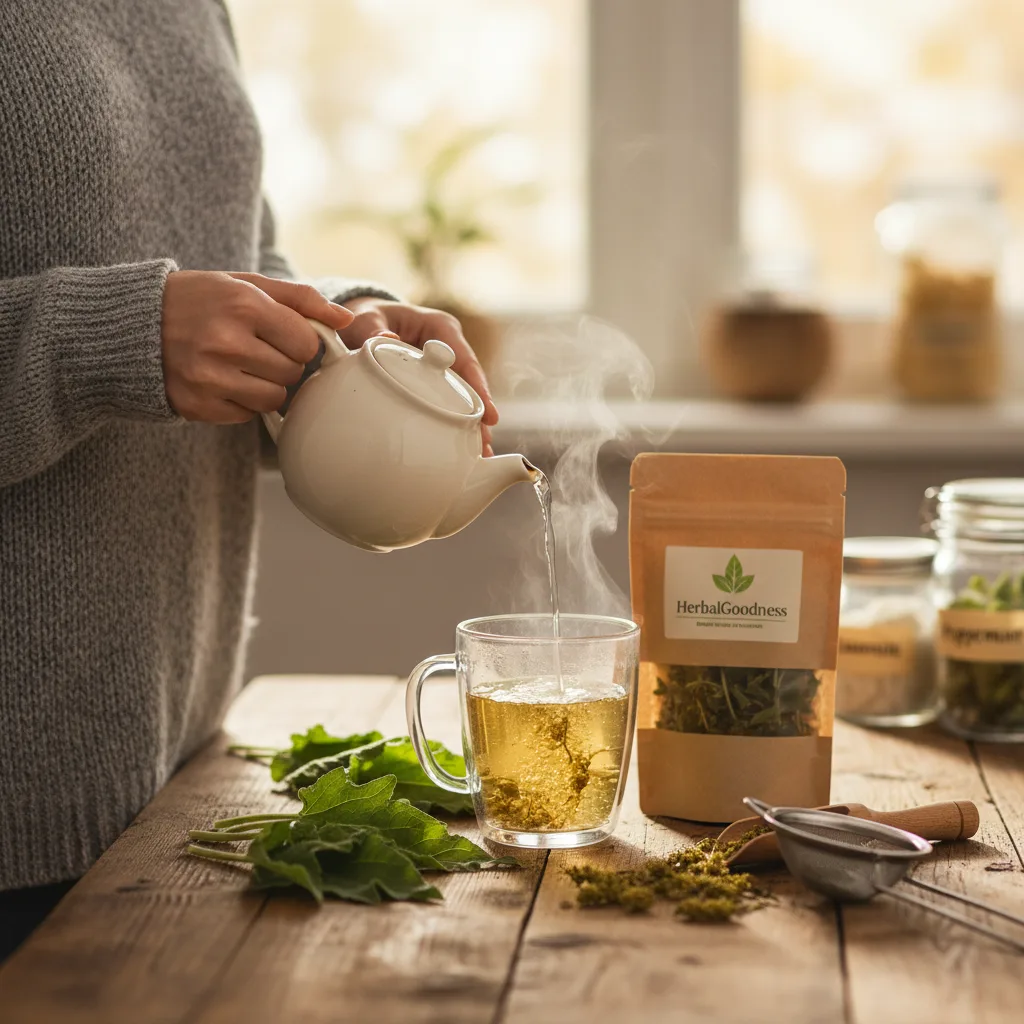
- Pure mullein steeps a golden to light green cup, with a soft plant aroma and minimal astringency.
- Blends will appear more colorful (thanks to added botanicals) and emit richer or more diverse scents based on carefully chosen inclusions.

Practical Tips for Brewing Organic Mullein Tea
No matter which format you choose, a few simple techniques will ensure a satisfying cup every time. Here’s how beginners can get the best out of their mullein tea—single or blend:
Step-by-Step Brewing for Loose Leaf Teas
- Measure Your Tea: For pure mullein, use about 1–2 teaspoons per 8-ounce cup. For blends, follow package suggestions, as some herbs expand more than others.
- Hot Water, Not Boiling: Heat filtered water to about 200°F (just before boiling). Scalding hot water may overshadow the delicate flavors of companion herbs.
- Steeping Time: Start with 5–7 minutes for single mullein; blends may benefit from 7–10 minutes for fuller flavor.
- Strain Well: If using loose leaf, a fine mesh strainer or infuser will catch soft mullein leaf hairs.
Brewing Tips for Bags
Bagged options are handy for beginners. Use one teabag per cup, steep 5–7 minutes, and squeeze gently before removing. If you enjoy bagged teas or need something travel-friendly, Mullein Leaf Tea - Organic 24 Tea Bags - Respiratory & Lung is a beginner-friendly choice for simple brewing and convenience.

Tasting and Adjusting
- Pure mullein: Drink as is to appreciate the subtle natural notes, or add lemon or a drizzle of honey for a flavor boost.
- Blends: Enjoy the complexity on its own first, then consider a sweetener if desired to highlight companion herbs.
Considering Your Own Cup Ritual
Which format is right for you—single-ingredient or blend—often depends on your flavor preferences and tea habits. Reflect on these questions as you shop online:
- Do you enjoy simple, gentle flavors and minimal ingredients? If so, pure mullein tea might suit you.
- Are you curious about dynamic herbal profiles or want a hint of sweetness or spice? Blends featuring companion herbs could make your tea ritual more adventurous.
- How important are sourcing details and organics to you? Seek clear “certified organic” labeling and detailed origin descriptions for greater peace of mind.
- Do you prefer loose leaf, cut-and-sifted, or tea bags? Each format offers different experiences in preparation and taste.
If you want to enjoy more variety—from mullein to herbal blends and beyond—consider options that allow you to mix and match teas in bundles for a custom experience.
How Online Reviews and Descriptions Can Guide Beginners
Reading customer reviews and detailed product descriptions offers invaluable insights when shopping for organic mullein tea online. Look for:
- Comments about flavor strength, subtlety, and which companion herbs stand out
- Feedback on ease of brewing, aroma, and overall satisfaction
- Clear photos of packaging and loose leaf to help set expectations
- Notes on the clarity of organic certification and supplier transparency
These reviews often answer practical questions that simply inspecting ingredient lists or brewing guides might not. Trying trusted classics, such as Bamboo Leaf Tea – 24/1.5g Tea Bags - Nature's Collagen & Biotin, alongside mullein-based teas, can broaden your palate and guide your future choices by way of comparison and thoughtful reviews.
Comparing Price and Quantity: Understanding Value in Organic Teas
Organic mullein teas—both singles and blends—vary in price based on sourcing, certifications, and packaging. Generally, pure mullein teas command a premium for simplicity and certification, whereas blended options might offer a broader serving count or value by balancing rarer herbs with more common botanicals. Look for the price per ounce and serving size to compare accurately across brands and formats. If you appreciate a serious tea ritual, options like Bulk Loose Leaf Teas & Tisanes - Organic 4oz - Herbal Wellness Teas set you up for dozens of custom cups.
Trusting Your Taste: Exploring and Evolving Your Preferences
Choosing the right organic mullein tea is ultimately a personal adventure. Whether you start with a classic pure leaf, or experiment with a lively blend packed with companion herbs, your preferences will clarify over time. Accept that exploring new teas is part of the ritual, and every blend helps you better understand your own taste and daily cup needs. By learning how to read labels and ingredient lists, and experimenting with simple brewing techniques, you’ll find shopping online for mullein tea both enjoyable and empowering.
FAQs:
- What is the main difference between single-ingredient mullein tea and blended mullein tea?
Single-ingredient mullein tea features purely mullein leaves, offering a gentle and straightforward flavor. Blended mullein teas combine mullein with other herbs, allowing for a more complex taste and a wider range of possible tea experiences.
- How do I know if a mullein tea is truly organic?
Look for a 'certified organic' claim on the packaging or in the online product description, as well as a recognizable organic certification logo, such as the USDA Organic seal. This indicates the sourcing and production have been verified by a third party.
- What companion herbs are commonly found in mullein tea blends?
Peppermint, chamomile, ginger, licorice root, lemon balm, and occasionally eucalyptus or thyme are commonly found in mullein tea blends, each contributing unique notes to the final cup.
- How should I brew mullein tea for the best flavor?
For loose leaf, use 1–2 teaspoons per cup and steep in hot (not boiling) water for 5–10 minutes. Strain carefully, as mullein leaves are delicate. Adjust to taste with lemon or honey if desired.
- Does the origin of mullein tea matter?
For some tea enthusiasts, the climate and traditions of the growing region can affect taste and quality perception. Knowing the origin is especially meaningful for those who prioritize environmental or ethical sourcing.
- What should I look for on a mullein tea label when shopping online?
Always check for clear ingredient lists, accurate organic certification language, country of origin, type of cut (such as whole leaf or cut and sifted), and serving size information.
Author Name:
Herbal Goodness Editorial Team
Author Bio:
The Herbal Goodness Editorial Team specializes in holistic health and superfoods, blending science and nature to educate and empower our community.
References:
Introducing Graviola to Young Taste Buds: Fun, Family-Friendly Flavor Exploration
Graviola in the Classroom and at Home: Creative Activities to Teach Kids About Tropical Plants
Share this
Popular posts


FAQs
1. What are the main benefits of drinking bamboo leaf tea?
Drinking bamboo leaf tea supports hydration, relaxation, skin wellness, and antioxidant balance.
2. What is bamboo leaf extract used for?
It’s used for general body wellness, skin elasticity, hair and nail support, and overall vitality.
3. Can bamboo leaf help with skin care and body wellness?
Yes, bamboo leaf is rich in silica and antioxidants, which promote healthy skin, strong nails, and a youthful glow.
4. What forms of bamboo leaf are available?
You can find dried bamboo leaf, powder, extract, drops, oil, and bamboo leaf green tea.
5. Are there any side effects of bamboo leaf?
Bamboo leaf is generally safe when consumed in moderation. Always consult your healthcare provider before starting any new herbal supplement.