





Papaya Seed Hair Treatment Guide: Safe At-Home Methods for Beginners

Trying something new in your hair care routine can feel exciting and a little daunting, especially when exploring botanicals like papaya seed. For those who are herbal-curious but not sure where to begin, a gentle, methodical approach is key. Papaya seed hair treatments have gained popularity for their unique profile—rich in bioactive compounds and traditionally appreciated for their uses in personal care. This guide will walk you through a beginner-friendly, safety-first approach to incorporating papaya seed into your hair routine. You'll learn patch testing basics, guidelines for diluting with carrier oils, and how to observe subtle changes in scalp and hair comfort, all without overpromising outcomes or straying into risky territory.
Understanding Papaya Seed for Hair Care
What Makes Papaya Seed Unique?
Papaya seeds, long valued in traditional wellness practices, are known for containing natural enzymes such as papain, along with essential fatty acids and antioxidants. Papain is widely appreciated for its exfoliating effects on the skin and scalp, contributing to a refreshed sensation. Incorporating papaya seed into hair care isn’t new—many cultures have used plant seeds in oils or topical treatments for centuries to support personal care rituals.
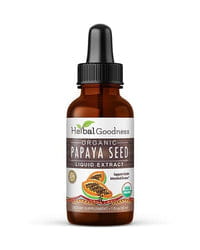
For anyone interested in supporting both scalp wellness and whole-body balance, you might also explore Papaya Seed - Organic 1oz 15X Liquid Extract - Colon & Gut Cleanse. While primarily formulated for digestive support, its liquid format highlights the safe, quality sourcing that makes papaya products so versatile for wellness routines.
Why Try Papaya Seed Hair Treatments?
For those seeking a more natural approach, papaya seed stands out for its complex nutritional profile. The presence of unsaturated fatty acids, micronutrients, and phytochemicals makes it an intriguing addition to DIY hair routines, especially for people wanting to move toward plant-based ingredients. As with all herbal topicals, thoughtful, small-scale experimentation is important for comfort and confidence.
Establishing a Safe Starting Point
The Importance of Patch Testing
Before applying any new botanical ingredient to your scalp or hair, patch testing is essential. This process helps you gauge how your skin might react to papaya seed extracts, diluted oils, or blends. Allergic responses or scalp discomfort can be avoided by starting slow:
How to Conduct a Patch Test:
- Choose a carrier oil that suits your needs (more on options soon).
- Mix a tiny amount of papaya seed oil or extract with the carrier at the lowest recommended concentration.
- Apply a small dab behind your ear or on the inner forearm.
- Wait 24 hours, monitoring for redness, itching, or any sensation beyond the usual.
If all is quiet, you may proceed, mindful that the scalp is a more sensitive area than other skin zones.
Mindful Ingredient Sourcing
Opt for reputable brands that prioritize third-party testing and responsible sourcing. Herbal Goodness, for example, is known for their attention to purity and botanical integrity in sourcing papaya seed ingredients. Freshness and correct storage (cool, dark place) also make a difference in the quality and experience of your DIY hair blends.
Choosing Suitable Carrier Oils
Why Dilute Papaya Seed Extracts?
Papaya seed oil can be intense; direct application is not recommended for beginners. Instead, carefully diluted blends help distribute the bioactive compounds more gently. Carrier oils also add their own nurturing benefits and help tailor the blend for your specific hair and scalp needs.
Popular Carrier Oil Options
- Coconut Oil: Widely used, lightweight, and appreciated for hair softening properties.
- Jojoba Oil: Close to the natural oils produced by human skin, suitable for sensitive scalps.
- Sweet Almond Oil: Mild and quick-absorbing, often chosen for fine to medium hair textures.
- Olive Oil: Rich in fatty acids, supportive for dry or textured hair.
Basic Dilution Ratios
Start with conservative ratios. For most topicals:
- 1 part papaya seed oil to 10–20 parts carrier oil (5-10% concentration)
- For extracts, follow manufacturer suggestions and dilute further if unsure.
- If you have especially reactive or sensitive skin, use a more diluted blend (even 1:20).
Mix only small batches at first (enough for 1–2 uses). Observe how your scalp and strands react before scaling up your routine.

Application: Techniques for a Gentle Introduction
Preparing Your Blend
- Measure out the carrier oil of your choice in a clean container.
- Add papaya seed oil or extract according to the chosen dilution ratio.
- Mix well (glass or ceramic bowls are ideal).
- Optional: For extra gentleness, warm the blend slightly by placing the container in a bowl of warm water.
Targeted Application Steps
- For Scalp: Part dry or damp hair. Using fingertips, gently massage the oil blend onto the scalp, focusing on small sections at a time.
- For Lengths: Apply a small amount to hair lengths, concentrating on ends if desired.
- Leave-In Time: Begin with 10–20 minutes. For future applications, you can gradually increase if comfortable.
- Rinsing: Use a gentle, sulfate-free shampoo to cleanse. Some may prefer a second light cleanse if the scalp feels oily.
To support the goal of healthy hair from within, some users also add Papaya Seed Powder - Organic 4oz Bag - Colon & Gut Cleanse to their broader wellness routine. Internal balance can help reflect in hair appearance over time.
Observing Sensory Changes: Tracking Your Experience
What to Expect During First Applications
First-time users often wonder what sensory changes to look for. With papaya seed blends, this may include:
- Subtle tingling (should subside quickly)
- Light warming sensation
- Enhanced softness or sheen post-rinse
- No discomfort or irritation
Keeping a Sensory Journal
Tracking your experience adds a mindful, reflective element to DIY hair care. Consider making brief notes in a notebook or digital journal after each use:
- Did your scalp feel normal before and after use?
- Any changes in texture, shine, or overall comfort?
- Was there any flush, itch, or unexpected sensations? Document details and time of onset.
By logging these details, you create an ongoing record that informs your future adjustments—helping you customize for the best personal outcome.
Recognizing Signs of Sensitivity
Common Signals to Pause or Adjust
Some people may notice their skin is more sensitive to new botanicals. Signs that your blend may be too strong (or that another carrier oil might suit you better) include:
- Persistent redness or heat
- Severe tingling or itching
- Delayed dryness or tightness
- Flaking or visible irritation
If any of these occur, discontinue use and rinse thoroughly. Return to a more diluted blend or choose a different carrier. Approaching the process with patience is key; herbal topicals tend to reveal their effects gradually.
Looking for herbal blends beyond papaya? Hair Growth - 15X Liquid Extract - Hair & Follicles offers a complementary topical option designed to nourish follicles and support overall growth as part of a holistic approach.

Creating a Routine That Reflects Your Needs
Frequency and Adjustments
Begin with once-weekly applications. Gradually increase frequency only if your scalp and hair respond well. Seasonal changes, stress, and overall hair health can influence how often you want to include papaya seed treatments.
Personalization Tips
- Tailor carrier oils to hair thickness and scalp moisture levels.
- Mix very small batches to stay adaptable.
- Always revisit your patch test protocol if changing ingredients or suppliers.
Leveraging Papaya Seed Powder - 60/600mg Capsules - Gut & Colon Cleanse as part of your supplement stack could benefit those seeking both digestive and external skin wellness, as internal and external routines often work hand-in-hand.
Herbal Goodness and Responsible Herbal Exploration
Those journeying into less-familiar botanicals like papaya seed should prioritize gentle experimentation, transparency in ingredient sourcing, and reflective self-monitoring. Herbal Goodness, with its reputation for quality and conscious practices, aligns with this safety-first approach to herbal self-care. Remember, every individual's experience is unique, and small, incremental adjustments are the best pathway toward confidence and satisfaction in your routine.
Frequently Asked Questions About Papaya Seed Hair Treatments
How do I know if papaya seed oil is right for my hair type?
Every hair type can respond differently to botanical oils. Start with a patch test and initial trial on a small section of your scalp or hair to observe comfort and changes.
What is the safest dilution ratio for papaya seed hair treatment?
For beginners, a 1:10 to 1:20 ratio of papaya seed oil to carrier oil is generally suitable. Adjust more dilute for sensitive scalps or when trying a new batch.
Can I leave papaya seed oil in my hair overnight?
It’s best to start with short leave-in periods (10-20 minutes) until you know your skin’s response. If after a few applications you see no discomfort, you may experiment with longer durations as you feel comfortable.
Are there natural alternatives to carrier oils for dilution?
Popular preparations use carrier oils, but some people blend with aloe vera gel or unscented conditioners for ease of use. Adjust ratios to maintain a gentle experience.
How often should I do patch tests if I change brands or ingredients?
Repeat the patch test every time you introduce a new ingredient, supplier, or batch, particularly if you have sensitive skin.
What if I notice mild redness but no other symptoms?
Mild flushing that fades quickly can be normal but monitor closely. Don’t increase concentration or duration until all tests are consistently comfortable.
How does Herbal Goodness ensure quality in papaya seed sourcing?
Herbal Goodness prioritizes ingredient traceability, independent testing, and responsible sourcing to deliver high-quality papaya seed products suitable for mindful hair care routines.
Ready to thoughtfully explore papaya seed hair care? Start small, keep a sensory journal, and embrace a gentle approach for a positive, mindful experience.
FAQs:
- How do I know if papaya seed oil is right for my hair type?
Every hair type can respond differently to botanical oils. Start with a patch test and initial trial on a small section to observe comfort and changes.
- What is the safest dilution ratio for papaya seed hair treatment?
For beginners, a 1:10 to 1:20 ratio of papaya seed oil to carrier oil is generally suitable. Adjust to a more dilute blend for sensitive scalps.
- Can I leave papaya seed oil in my hair overnight?
Start with short leave-in periods like 10–20 minutes. If your scalp responds comfortably, you may gradually experiment with longer durations.
- Are there natural alternatives to carrier oils for dilution?
While carrier oils are most common, some people blend with aloe vera gel or unscented conditioners. Always ensure your blend is gentle and patch test first.
- How often should I do patch tests if I change brands or ingredients?
Repeat patch testing each time you switch suppliers or ingredients, especially if you have a history of sensitivity.
- What if I notice mild redness but no other symptoms?
Brief, mild redness can sometimes occur, but if it fades quickly and isn’t accompanied by discomfort, monitor for further changes before increasing usage.
- How does Herbal Goodness ensure quality in papaya seed sourcing?
Herbal Goodness emphasizes ingredient traceability, third-party testing, and ethical sourcing to support high standards in their papaya seed offerings.
Author Name:
Herbal Goodness Editorial Team
Author Bio:
The Herbal Goodness Editorial Team specializes in holistic health and superfoods, blending science and nature to educate and empower our community.
References:
Papaya (Carica papaya) Seed Oil and Its Application – Molecules Journal
Carrier Oils: Their Role in Formulations – National Institutes of Health
Share this
Popular posts


FAQs
1. What are the main benefits of drinking bamboo leaf tea?
Drinking bamboo leaf tea supports hydration, relaxation, skin wellness, and antioxidant balance.
2. What is bamboo leaf extract used for?
It’s used for general body wellness, skin elasticity, hair and nail support, and overall vitality.
3. Can bamboo leaf help with skin care and body wellness?
Yes, bamboo leaf is rich in silica and antioxidants, which promote healthy skin, strong nails, and a youthful glow.
4. What forms of bamboo leaf are available?
You can find dried bamboo leaf, powder, extract, drops, oil, and bamboo leaf green tea.
5. Are there any side effects of bamboo leaf?
Bamboo leaf is generally safe when consumed in moderation. Always consult your healthcare provider before starting any new herbal supplement.