





Papaya Leaf Sourcing: Environmental and Social Considerations for a Sustainable Future

When seeking plant-based ingredients for everyday use, the story behind their sourcing remains an essential, yet often overlooked, aspect. Papaya leaf, one of nature’s most versatile botanicals, is favored globally in teas, supplements, and wellness beverages. But with rising demand, weighing the difference between wild-harvested and cultivated papaya leaf becomes crucial. Each sourcing method holds unique influences on local environments, the communities involved, and the overall transparency of the supply chain. Understanding these dynamics allows mindful choices that support both nature and people, while emphasizing responsible sourcing for a more sustainable future.
Exploring Methods of Papaya Leaf Sourcing
The Appeal and Controversy of Wild-Harvested Papaya Leaf
Wild-harvested papaya leaf draws interest for its natural, untamed origin. Gatherers enter existing wild or semi-wild stands of papaya plants and collect the leaves without establishing formal plantations.
Ecological Effects of Wild Harvesting
Benefits:
- Biodiversity Maintenance: Harvesting from wild populations sometimes encourages preservation of native flora, especially when local communities rely on intact forests.
- Minimal Land-Use Change: No need for land clearing or monoculture establishment, which can be ecologically advantageous in regions where agriculture encroaches on sensitive habitats.
Potential Challenges:
- Overharvesting Risks: Without careful management, uncontrolled collection may impact local plant populations or disrupt natural regeneration cycles.
- Habitat Disturbance: Frequent visits and leaf removal may disturb other plant and animal species, reducing habitat integrity over time.
- Traceability Concerns: Tracking origins and ensuring ethical methods are more complex in the wild-collection process, posing traceability barriers in the supply chain.
Cultivated Papaya Leaf: Towards Managed Sustainability
Cultivation involves growing papaya plants specifically for harvesting their leaves, either in smallholder plots or larger, organized farms.
Advantages of Cultivation
- Controlled Harvesting: Farmers select the healthiest plants and harvest leaves at sustainable frequencies, supporting plant longevity and yield. This careful approach often leads to higher-quality ingredients, such as those found in Papaya Leaf Extract - Organic 1oz 15X Liquid - Blood Platelet, which highlights the benefits of managed sourcing.
- Supply Chain Traceability: Documented farming operations improve transparency, allowing brands and consumers to trace their leaf’s journey from farm to product.
- Resource Optimization: With modern techniques, resources like water, soil, and inputs are balanced for optimal growth and minimal environmental stress.
Sustainability Considerations in Cultivation
- Land Use and Biodiversity: Converting land for papaya farming can replace wild habitats. However, intercropping (growing papaya with other crops) and organic practices minimize monoculture impacts.
- Agrochemical Consumption: Well-managed operations limit or eliminate synthetic chemicals, reducing pollution and fostering healthier environments.
- Socio-Economic Empowerment: Cultivation often involves smallholders, promoting stable livelihoods, knowledge transfer, and community-focused agricultural practice.
Impact on Local Ecosystems: Balancing Human Use and Nature
Both papaya leaf sourcing methods interact with native landscapes in distinct ways. Sustainable sourcing emphasizes minimizing negative changes while encouraging regenerative practices.
Soil Health and Erosion Control
- Wild-Harvest: Leaves are typically collected by hand, causing minimal soil disruption. However, repeated, unmanaged access may compact soil or expose ground cover.
- Cultivation: Regular agricultural activity carries potential for erosion, especially on slopes. Sustainable operations apply ground covers, contour farming, and organic mulches to protect soil.
Water Resources Stewardship
- Rainwater Use: Wild papaya populations rely on natural rainfall. Farmers opting for rain-fed cultivation models likewise conserve local hydrology.
- Water-Saving Innovations: Drip irrigation and mulching in cultivated papaya plots efficiently utilize water resources, preventing unnecessary runoff or wastage.
Biodiversity Preservation Measures
- Integrated Plantings: Some advanced farms grow papaya in polycultures alongside fruit trees or herbs, enhancing animal habitats and pollinator presence. These biodiverse environments can help produce paralleled plant-based ingredients like Papaya Leaf Extract 10X - 600mg Capsule - Platelet & Digestive Aid.
- Preserving Wild Stands: Responsible sourcing includes leaving portions of wild papaya populations undisturbed, protecting genetic diversity for future generations.

Social Dimensions: Smallholder Livelihoods and Community Empowerment
Purchasing papaya leaf products also influences global communities, particularly in regions where papaya is a traditional crop.
Supporting Smallholder Participation
- Fair-Pricing Models: Direct trade partnerships and guaranteed minimum prices for farmers promote economic resilience and empower independent producers. Choosing supplements like Papaya Leaf Extract Blood Support - 10X 60/450mg Capsules - Blood Platelet supports brands who invest in fair sourcing.
- Training and Capacity-Building: Companies that invest in education—covering sustainable crop care, regenerative techniques, and post-harvest handling—anchor stronger local economies.
- Women and Family Inclusion: Encouraging women and multigenerational families in cultivation brings broad-based benefits and reinforces social structure in agricultural hubs.
Cultural and Ethical Sourcing
- Respecting Traditional Practices: In some regions, wild-harvesting forms part of indigenous culture and sustains centuries-old stewardship techniques. Thoughtful collaboration with local communities ensures these legacies endure.
- Transparency in Sourcing: Honest labeling and clear documentation empower customers to favor brands that put ethical sourcing standards into practice—fostering mutual respect across the supply chain.
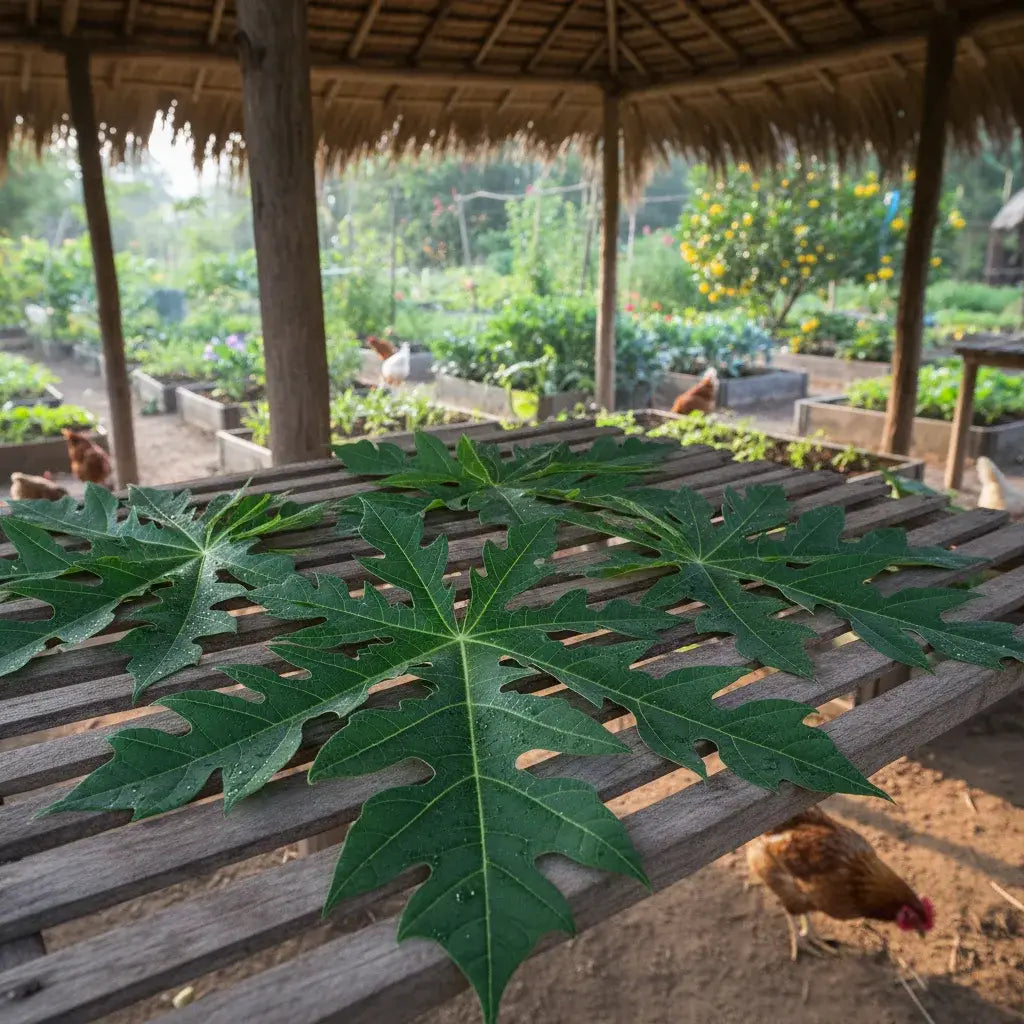
Traceability: Building Trust in Papaya Leaf Supply Chains
Traceability—the ability to track papaya leaf from its origin to its final use—is an anchor for responsibility in plant-based sourcing. With increased consumer awareness, brands are pushed to adopt robust traceability frameworks. Supplements such as Papaya Leaf Extract - Organic 16oz 15X Liquid Extract showcase how transparency benefits both the environment and the communities who grow these leaves.
Technologies Empowering Traceability
- Digital Tracking Systems: Blockchain, QR codes, and supply chain management software offer real-time insight into farming, harvesting, and distribution channels.
- Certification and Verification: Certifications such as Fair Trade, organic, and independent sustainability audits lend confidence in practices throughout the papaya leaf lifecycle.
Importance of Documented Supply Chains
- Identifying Ethical Producers: Documentation makes it possible to spotlight farmers or collectives using nature-conscious and socially responsible approaches.
- Reducing Supply Chain Risks: When every batch of papaya leaf is traceable, companies can respond promptly to emerging sustainability challenges or quality concerns.
Principles and Practices in Sustainable Papaya Leaf Sourcing
Opting for sustainable papaya leaf involves a holistic assessment of environmental, social, and operational impacts. Leading brands and suppliers prioritize the following:
Environmental Stewardship
- Habitat Protection: Leaving wild areas intact and maintaining borders around cultivated fields supports local wildlife and plant diversity.
- Low-Input Agriculture: Preference for organic fertilizers, natural pest management, and renewable energy reduces the overall ecological impact. Choosing organic formulas such as Papaya Leaf Tea - Organic 24/2g Tea Bags helps enable this kind of stewardship.
- Reforestation and Land Restoration: Some growers plant native species alongside papaya—restoring degraded land and improving ecosystem health.

Ethical Community Partnership
- Worker Welfare Standards: Ensuring fair wages, safe working conditions, and community investment uplifts every stakeholder along the supply chain.
- Community Development: Reinvesting proceeds into health centers, education initiatives, or cooperative infrastructure cultivates long-term prosperity.
Sourcing Transparency and Communication
- Full Ingredient Disclosure: Openly listing sourcing regions, farming partners, and processing details builds genuine consumer trust.
- Continuous Assessment: Periodic reviews of practices, incorporating feedback from environment and community monitors, create accountability and ongoing progress.
What to Look for When Choosing Sustainable Plant-Based Ingredients
For consumers and businesses, evaluating the sustainability of papaya leaf or any plant-based ingredient centers around a few essential criteria:
- Evidence of Third-Party Certification: Look for organic, Fair Trade, or sustainability badges on packaging and supplier websites. For instance, Blood Platelet with Papaya Leaf - Organic 1oz 15X Liquid Extract - Platelet & Bone Marrow highlights traceable sourcing.
- Detailed Origin Information: Sustainable brands often list the country, farm, or region of origin, sometimes even introducing farming partners online.
- Transparency in Sourcing Policy: Strong suppliers explain their environmental and social standards, as well as the steps they take for continual improvement.
- Support for Smallholder Agriculture: Brands working directly with smallholder families and cooperatives demonstrate a commitment to equitable development.
The Future of Papaya Leaf Sourcing: Innovation and Responsibility
Continued demand for botanicals pushes the plant-based industry to innovate. For papaya leaf, the future involves improved digital traceability, eco-friendly packaging, investment in local communities, and close monitoring of environmental conditions. Cross-industry collaboration can ensure that both wild and cultivated papaya leaf contribute positively to global wellness, respecting both people and the planet every step of the way.
FAQs:
- What is the difference between wild-harvested and cultivated papaya leaf?
Wild-harvested papaya leaf is collected from naturally growing plants, while cultivated papaya leaf comes from plants grown intentionally on farms. Cultivation offers more control over harvest practices and traceability, while wild harvest maintains native ecosystems but requires careful management to prevent overcollection.
- Why is sustainable papaya leaf sourcing important for the environment?
Sustainable sourcing protects habitats, conserves soil and water resources, and maintains biodiversity. Responsible harvesting avoids depletion of natural populations and reduces negative impacts from agricultural expansion or chemical use.
- How does papaya leaf cultivation benefit smallholder communities?
Papaya leaf cultivation provides regular income, encourages skill development, and empowers families through fair trade and direct partnerships. Community-focused initiatives can improve local infrastructure and overall quality of life.
- What are some key indicators of sustainably sourced papaya leaf?
Look for third-party certifications, transparent sourcing information, partnerships with smallholders, and clear environmental commitments. Details about farming practices and supply chain documentation are also important.
- Is traceability in papaya leaf sourcing really necessary?
Traceability ensures that every step from farm to product is recorded and transparent. This helps ensure ethical and sustainable sourcing practices while building trust with consumers who seek ingredient integrity.
Author Name:
Herbal Goodness Editorial Team
Author Bio:
The Herbal Goodness Editorial Team specializes in holistic health and superfoods, blending science and nature to educate and empower our community.
References:
Introducing Graviola to Young Taste Buds: Fun, Family-Friendly Flavor Exploration
Graviola in the Classroom and at Home: Creative Activities to Teach Kids About Tropical Plants
Share this
Popular posts


FAQs
1. What are the main benefits of drinking bamboo leaf tea?
Drinking bamboo leaf tea supports hydration, relaxation, skin wellness, and antioxidant balance.
2. What is bamboo leaf extract used for?
It’s used for general body wellness, skin elasticity, hair and nail support, and overall vitality.
3. Can bamboo leaf help with skin care and body wellness?
Yes, bamboo leaf is rich in silica and antioxidants, which promote healthy skin, strong nails, and a youthful glow.
4. What forms of bamboo leaf are available?
You can find dried bamboo leaf, powder, extract, drops, oil, and bamboo leaf green tea.
5. Are there any side effects of bamboo leaf?
Bamboo leaf is generally safe when consumed in moderation. Always consult your healthcare provider before starting any new herbal supplement.