





Organic Oil of Oregano: Environmental Impact From Seed to Shelf

When selecting a wellness product like organic oil of oregano, it’s natural to focus on purity, potency, and health benefits. But have you ever wondered about the broader story behind that little bottle? The environmental lifecycle of organic oil of oregano uncovers a fascinating journey from seed to shelf and beyond. From farming practices to packaging, every choice influences the plant’s environmental footprint. By following this journey, you’ll discover which steps have the most impact—and gain simple questions you can ask to support a more sustainable future.
The Roots: Sustainable Oregano Cultivation
The environmental story of organic oil of oregano begins in the soil. Sustainable farming shapes the foundational footprint of every oregano crop. Organic farmers often rely on natural compost, crop rotation, and biodiversity rather than synthetic fertilizers or pesticides. These choices are central to protecting pollinators, preserving topsoil, and maintaining ecological balance.
Crop biodiversity is not just a buzzword in sustainability—it’s a practice that nurtures health on multiple levels. Planting a variety of crops, such as oregano, alongside others can help support beneficial insects. Herbs like Raw Sea Moss 8oz Bag can also fit well in this holistic farming approach, which values ecological harmony.
Why Organic Farming Matters
- Soil Health: Organic methods enhance the microbial activity and structure of soil, supporting robust plant growth and water retention.
- Biodiversity: By rotating crops and minimizing chemicals, organic farms often provide habitats for a variety of beneficial insects and animals.
- Lower Pollution: Avoiding synthetic pesticides and fertilizers reduces waterway runoff and greenhouse gas production.
Questions to ask: Does this oregano come from certified organic farms? What biodiversity or soil practices do the growers utilize?
Harvesting Techniques and Their Impact
When the oregano is ready, the harvest process introduces the next stage in the environmental journey. Some traditional harvesting methods, using hand tools and manual processes, minimize fossil fuel use and are gentler on plants. Mechanical harvesting can speed the process but may compact soil and reduce long-term fertility.
Harvest Timing and Methods
- Hand Harvesting: Gentle on land, supports local employment, generally has the lowest carbon impact.
- Mechanical Harvesting: Efficient for scale but can require more energy and cause more disturbance to ecosystems.
- Timing: Harvesting at the peak of essential oil production boosts yield, reducing land use and resource inputs.
For those interested in supporting sustainable harvest techniques, choosing herbal extracts like Organic Hibiscus Tea 24 Bags can be an excellent example of conscious consumerism. Look for brands that showcase their commitment to gentle harvesting methods.
Questions to ask: How is the oregano harvested, and what steps are taken to minimize soil disturbance?
Extraction Process: Transforming Leaves to Oil
Once harvested, oregano leaves must be processed to release their aromatic oils. Extraction is a pivotal stage for both potency and environmental impact.
Steam Distillation vs. Solvent Extraction
- Steam Distillation: The most traditional method, using water or steam to draw out the oil. When powered by renewable energy, this method generally has a lower environmental footprint and avoids chemical residues.
- CO2 Extraction: Uses pressurized carbon dioxide. Efficient and leaves no solvent residue, but energy-intensive if not using clean energy sources.
- Solvent Extraction: Uses alcohol or chemicals to extract oil. Not common for organic products, as it can leave residue and carries a higher environmental load.
Energy Use and Waste Management
How efficiently a producer manages their extraction waste—such as leftover plant material—also affects sustainability. Composting or returning biomass to fields helps close nutrient loops, reducing landfill waste and enriching soil.
If you prefer supplements processed through eco-friendly methods, consider Oil of Oregano 75% Carvacrol | 2oz – Potent Immune & Antifungal Support as an option that frequently highlights mindful extraction methods.
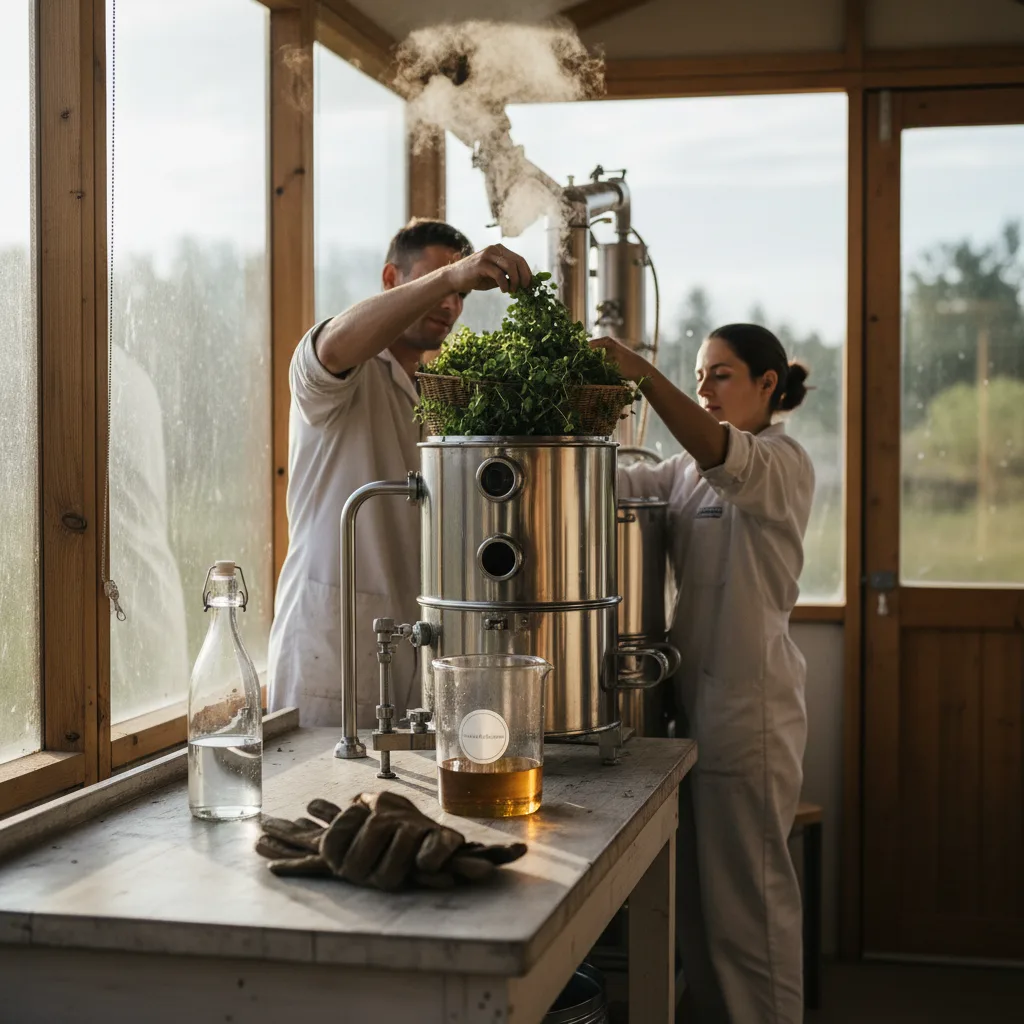
Questions to ask: Which extraction method is used? How is post-extraction plant material handled? Is renewable energy used?
Packaging: Protecting the Oil and the Planet
How a bottle of organic oil of oregano is housed plays an outsized role in its environmental lifecycle. Packaging decisions affect resource extraction, recyclability, and overall waste.
Sustainable bottle choices are growing in popularity. Glass bottles, shared by both oil of oregano and Organic Papaya Leaf Extract 16oz, offer reusability and better protect delicate plant compounds from degradation by light.
Sustainable Packaging Materials
- Glass Bottles: Recyclable, inert, and ideal for preserving plant oils from light and air. Glass has a higher initial energy footprint but can be reused and recycled indefinitely.
- Plastic Alternatives: Bioplastics or recycled plastics are increasingly available. These minimize reliance on new fossil materials but still may present end-of-life challenges.
- Labels and Closures: Sustainable adhesives, inks, and caps (such as metal or recyclable plastic) further reduce environmental impact.
Minimalist and Refilling Approaches
Minimal and efficient packaging—from right-sizing bottles to reducing box and filler material—directly lowers waste. Some companies even encourage bottle reuse through refill programs.
Questions to ask: Is the packaging recyclable or refillable? Where do the materials come from? Can the bottle be returned or reused?

Shipping: From Fields to Your Home
Once bottled, oregano oil travels from producers to suppliers and on to your home. Shipping greatly contributes to a product’s overall carbon footprint—the further and faster it travels, the more energy it takes.
Logistics Considerations
- Local vs. Global Sourcing: Sourcing and bottling closer to the consumer reduces transit emissions.
- Bulk Shipping: Transporting products in bulk (rather than individual shipments) decreases packaging and energy use.
- Eco-Friendly Carriers: Some suppliers partner with couriers who offset emissions or use electric vehicles.
Selecting local wellness teas or supplements, such as Soursop Leaf Tea | Organic Graviola 24 Bags | Soursop Tea Benefits for Immunity & Wellness, may help cut down shipping emissions if sourced closer to your area.
Questions to ask: Where is the product bottled and shipped from? Are lower-emission or bulk packaging options available?

End of Life: Disposal, Recycling, and Beyond
The journey isn’t over once you’ve enjoyed your bottle of organic oil of oregano. What happens next—how you dispose of the bottle, cap, and any packaging—completes the lifecycle.
Herbal formulations that use recyclable or compostable packaging, such as Organic Papaya Seed Powder 4oz | Gut Cleanse & Digestive Support, demonstrate alternative ways to minimize waste. Always check local recycling guidelines for glass, caps, and any labelling materials.
Encouraging Responsible Disposal
- Recyclable Materials: Glass bottles are widely recyclable, but check for local rules about caps and droppers.
- Compostable Packaging: Some new materials break down in home composters, reducing landfill waste.
- Reuse and Upcycling: Repurposing oregano oil bottles for DIY projects further extends their life, reducing demand for new materials.
Questions to ask: Which parts of the packaging are recyclable or compostable? Are there programs for returning or reusing the bottle?
Simple Steps for Eco-Conscious Shoppers
Curious about making earth-friendly choices? Here are actionable questions you can ask, whether shopping online or in-person:
- Was the oregano grown organically and with biodiversity in mind?
- Which extraction method preserves oil quality with the least environmental impact?
- Is the packaging made from recyclable or renewable materials?
- How far did the product travel, and can I purchase from a nearby supplier?
- What options exist for responsible disposal or reusing the bottle?
Mindful living goes beyond a single item. Opting for Oil of Oregano 75% Carvacrol | 2oz – Potent Immune & Antifungal Support or other herbal extracts produced with transparency and care supports a greater movement toward greener choices.
The Bigger Picture: Why Lifecycle Matters
Looking at the lifecycle of a single product encourages greater transparency and responsibility—both from producers and consumers. By understanding how farming, extraction, packaging, shipping, and disposal choices affect the earth, we can support the creation of more sustainable wellness products. Brands like Herbal Goodness strive to share how their sourcing protocols and packaging formats reflect these core values, empowering you to make informed, planet-friendly choices.
For those committed to whole-health solutions, products such as Organic Papaya Leaf Extract 16oz | 15X Liquid – Best Value Size and Soursop Leaf Graviola Extract 15X Liquid | Organic Cell & Immunity embody a commitment to green standards alongside wellness.
Whether you’re new to organic oil of oregano or have used it for years, knowing the journey behind each bottle brings greater appreciation for this powerful herbal tradition—and the planet that nurtures it.
Frequently Asked Questions
Question 1: How can I verify if my oil of oregano is truly organic and sustainably sourced?
Answer: Look for information on certified organic farms, and check if the brand describes their sustainable soil and biodiversity practices. You can also support brands that practice eco-friendly extraction, as seen with Oil of Oregano 75% Carvacrol | 2oz – Potent Immune & Antifungal Support.
Question 2: Why is glass packaging better for herbal wellness products?
Answer: Glass bottles are inert, recyclable, and ideal for preserving plant oils from light and air, as shown with Organic Papaya Leaf Extract 16oz and oil of oregano. They also support recycling and reuse, lowering the environmental burden.
Question 3: Are there wellness supplements that use sustainable harvesting techniques?
Answer: Yes, some teas and extracts, such as Soursop Leaf Tea | Organic Graviola 24 Bags, emphasize gentle hand-harvesting and eco-friendly practices.
Question 4: What steps should I take to dispose of herbal supplement packaging responsibly?
Answer: Separate recyclable materials, such as glass bottles featured in Organic Papaya Seed Powder 4oz | Gut Cleanse & Digestive Support, and follow your local recycling rules. Consider upcycling or finding brands with return or reuse programs.
Question 5: How does shipping affect the sustainability of oregano oil?
Answer: Products shipped locally or in bulk, such as Soursop Leaf Tea | Organic Graviola 24 Bags, can significantly reduce emissions. Check product origin and delivery practices.
Question 6: Which plant-based products combine wellness with green packaging and processing?
Answer: Oil of Oregano 75% Carvacrol | 2oz – Potent Immune & Antifungal Support, Organic Papaya Leaf Extract 16oz | 15X Liquid – Best Value Size, and Raw Sea Moss 8oz Bag all reflect transparency in sourcing, packaging, and extraction.
Question 7: What are easy ways to make my wellness routine more eco-friendly?
Answer: Choose sustainably packaged and locally sourced products, and prioritize those processed using renewable energy and recyclable materials, as demonstrated by options like Organic Hibiscus Tea 24 Bags.
If you’re interested in making more eco-literate choices, start by asking your favorite herbal brands about their farming, packaging, and shipping practices. Every question helps drive a more sustainable future.
About the Author
Herbal Goodness Editorial Team
The Herbal Goodness Editorial Team specializes in holistic health and superfoods, blending science and nature to educate and empower our community.
References
Oregano Oil vs. Black Seed Oil: Sensory & Sourcing Guide
Share this
Popular posts


FAQs
1. What are the main benefits of drinking bamboo leaf tea?
Drinking bamboo leaf tea supports hydration, relaxation, skin wellness, and antioxidant balance.
2. What is bamboo leaf extract used for?
It’s used for general body wellness, skin elasticity, hair and nail support, and overall vitality.
3. Can bamboo leaf help with skin care and body wellness?
Yes, bamboo leaf is rich in silica and antioxidants, which promote healthy skin, strong nails, and a youthful glow.
4. What forms of bamboo leaf are available?
You can find dried bamboo leaf, powder, extract, drops, oil, and bamboo leaf green tea.
5. Are there any side effects of bamboo leaf?
Bamboo leaf is generally safe when consumed in moderation. Always consult your healthcare provider before starting any new herbal supplement.