





Organic Gymnema Tea 24 Bags: How to Compare Price, Quality & Value

Navigating the tea aisle or scrolling online, the sticker price is often the first thing to catch your eye. But what does the cost of a 24-bag box of organic Gymnema tea truly reflect? For the savvy shopper, value goes far deeper than a number on the label. Gymnema tea, traditionally appreciated for its botanical profile, comes in a range of formats and price points. Assessing a '24 bags' quantity involves more than arithmetic—it’s about understanding what each cup really delivers, both for your wallet and for your values. This guide will walk you through how to compare the real cost of organic Gymnema tea, step by step, so you can choose the right option to fit your habits and priorities.
What Does '24 Bags' Really Mean?
At first glance, a 24-bag box of Gymnema tea may seem straightforward: twenty-four servings of tea, one per bag. However, not all bags are created equal. Before you can determine how far your investment stretches, it's important to clarify:
- How much tea is in each bag?
- Is the leaf whole, cut, or powder?
- How much flavor or potency does each steep offer?
Understanding these variables helps decode whether a box will last you a month of daily brews or require doubling up for your preferred strength. For example, when comparing with teas like Soursop Leaf Tea | Organic Graviola 24 Bags | Soursop Tea Benefits for Immunity & Wellness, which precisely lists bag count and botanical content, you can better assess the value offered.
Typical Bag Weights and Formats
Most organic Gymnema tea bags range from 1.0 to 2.5 grams per bag, depending on the producer. Lower-weight bags may yield a milder brew or fewer botanicals per cup. Some brands offer whole-leaf cuts, others use finer or powdered leaves, affecting infusion strength and clarity. Always check the packaging or product details for this information so you can accurately compare box-to-box. If you're seeking other options with known weights, consider alternatives like Organic Papaya Leaf Tea | 24 Premium Bags – Caffeine-Free, which specifies its content.
Why Leaf Cut and Format Matter
- Whole leaf or larger-cut teas often provide slower, more gradual infusion, promoting nuanced flavor but sometimes requiring longer steep times.
- Finer cut or powdered teas infuse rapidly, with a stronger taste per steep but can lose subtlety and may be dustier in texture.
Selecting products with transparent information about the leaf format, such as Bamboo Leaf Tea 24 Bags | Nature's Silica – Collagen & Biotin Support, can help you make more informed choices.
Calculating True Cost per Cup
While list price is a starting point, cost per serving paints a clearer picture. This is particularly relevant if you value both affordability and experience. Here’s how to compare:
Step 1: Find the Net Weight
First, look for the total net weight of tea in the box—usually in grams or ounces. Then, divide by the number of bags.
Example: 48 grams ÷ 24 bags = 2 grams per bag.
If you’re sensitive to value, reviewing details for a tea like Soursop Leaf Tea | Organic Graviola 24 Bags | Soursop Tea Benefits for Immunity & Wellness can help clarify how much herb you’re actually getting per serving.
Step 2: Assess Price per Bag
Divide the total box price by the number of bags.
Example: $12 ÷ 24 bags = $0.50 per bag.
Step 3: Consider Steeping Habits
If you regularly double-steep (reuse a bag) or prefer strong brews requiring two bags per cup, your cost per cup changes. Calculate according to your real habit:
- Single use: Price per bag = price per cup.
- Double use: Price per bag ÷ 2 = price per cup.
This approach helps filter which boxes match your budget and daily consumption style. Products with clear per-serving value stand out, just as Organic Papaya Leaf Tea | 24 Premium Bags – Caffeine-Free does for those who wish to maximize both quality and affordability.
Shelf Life and Storage: Getting the Most from Each Box
Beyond initial cost, shelf life and storage quality can impact how real the value feels months down the line. Organic teas, like Gymnema, are best enjoyed fresh. Consider these factors when assessing a 24-bag box:
Check Expiry and Batch Details
Freshness can affect flavor and overall drinking enjoyment. Seek clearly-stated expiration dates or batch information—especially important for organic products where preservatives are minimal or absent. Herbal tea products, such as Soursop Leaf Tea | Organic Graviola 24 Bags | Soursop Tea Benefits for Immunity & Wellness, are known for disclosing expiration information.
Storage Instructions
- Airtight, opaque packaging—such as foil-lined pouches or sturdy boxes—helps protect tea from light, air, and moisture.
- Loose or lightly-sealed packaging may decrease shelf life, leading to faster degradation of the botanical properties and flavor.
If you only drink Gymnema tea occasionally, longer shelf life with proper storage might trump smaller price differences. You might also compare with options like Bamboo Leaf Tea 24 Bags | Nature's Silica – Collagen & Biotin Support, where proper packaging is emphasized.
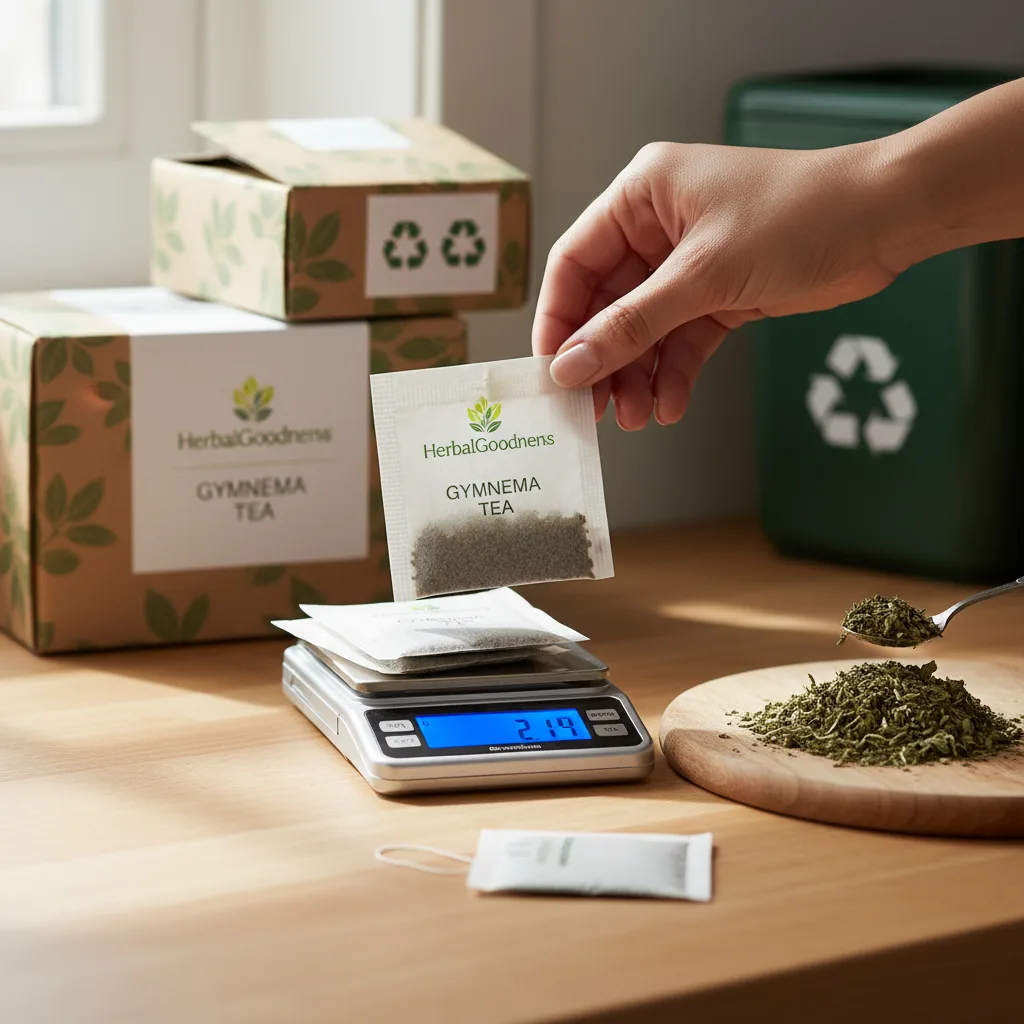
Packaging Materials: Impact on Freshness and Values
Paying attention to packaging isn’t just about looks; it can influence both your tea’s quality and your environmental footprint.
Types of Packaging and Protection
- Individual foil or paper-wrapped bags: Extend freshness and block humidity or odors.
- Unwrapped or string-less bags in a box: Lower waste, but may sacrifice some freshness if not properly sealed.
Aligning personal values with choices, seeking products with eco-friendly packaging, such as biodegradable wrappers, can be beneficial. If you are especially committed to eco-conscious choices, reviewing labels for terms like compostable may be worthwhile, as in teas modeled after the Organic Papaya Leaf Tea | 24 Premium Bags – Caffeine-Free.
Compostability and Eco-Friendliness
Shoppers interested in sustainability may wish to look for:
- Plant-based or biodegradable tea bags
- Minimal plastic use
- Recyclable or compostable outer boxes

Sustainability Factors: Considering Environmental Impact
For many, the 'real cost' of a box goes beyond just money. Gymnema tea devotees increasingly look for products supporting sustainable agriculture and ethical sourcing. Here’s what to examine:
- Organic Certification: Valid organic labels typically indicate reduced chemical use and support for healthier ecosystems.
- Sourcing Transparency: Some brands share details about grower partnerships or regional origins, often reflecting higher scrutiny over farming practices.
- Fair Trade or Ethical Commitments: While not always labeled, some companies make efforts to ensure fair labor standards or community benefit programs. Checking for this information adds depth to your purchasing criteria.
The value of knowing where and how your tea is grown can be just as significant as the number of bags per box. Shoppers may want to examine details provided with Bamboo Leaf Tea 24 Bags | Nature's Silica – Collagen & Biotin Support, which emphasizes sustainable harvesting.
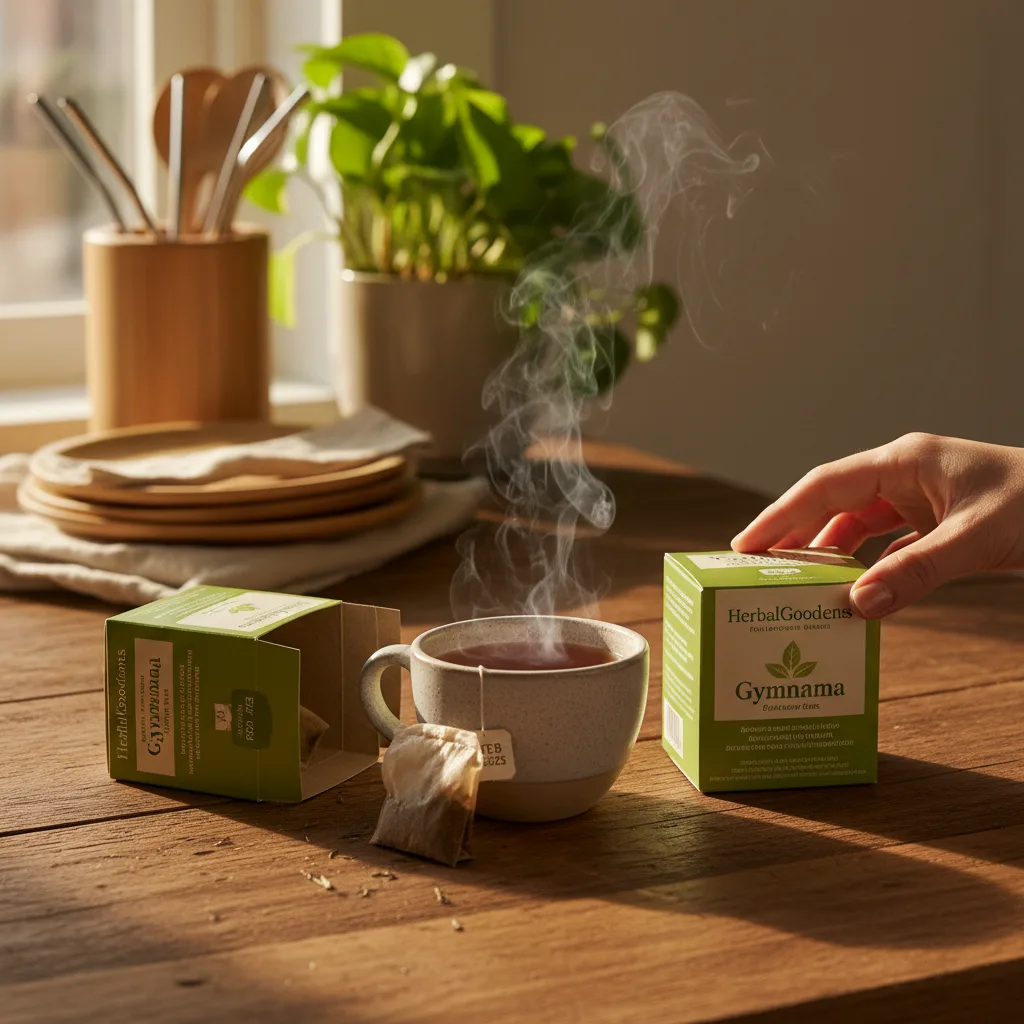
Matching Quantity and Format to Your Habits
The best value isn’t always the largest box or the lowest cost per bag. Consider your personal tea-drinking rhythm:
- Occasional sipper: A 24-bag box may last months—prioritize shelf life and resealable packaging.
- Daily drinker: Cost per cup and bag quality become more important, as you cycle through boxes quickly.
Think about whether you prefer:
- Loose-leaf versus bagged: Loose leaf can sometimes offer lower cost per cup but requires more equipment. Bagged tea offers convenience and portability.
- Single-origin or blends: Single-origin Gymnema is typically sold premium, while blends may be more budget-friendly and available in larger counts.
If you want a selection to match your pace or flavor preferences, consider broader tea bundles such as the Organic Herbal Tea Gift Set | 24 Teabags Wellness Collection, which allows exploring different blends and benefits in one package.
Reading Between the Lines: Practical Tips for Shoppers
Still unsure how to decode a 24-bag box of organic Gymnema tea? Here are some easy ways to compare options:
- Always read the label: Look for the actual grams per bag, not just total bag count.
- Check ingredient lists: Pure organic Gymnema versus blends affects not only cost but also what you’re drinking.
- Weigh values with price: Sustainability and quality certifications can justify a higher price, depending on your priorities.
- Buy according to pace: Only purchase the quantity you’ll drink while the tea is at its freshest.
By considering these practical points, your purchase becomes an intentional investment in both your own wellness routine and the standards you wish to support in the world of organic tea. When exploring your options, comparing with teas like Soursop Leaf Tea | Organic Graviola 24 Bags | Soursop Tea Benefits for Immunity & Wellness or Organic Papaya Leaf Tea | 24 Premium Bags – Caffeine-Free can provide assurance about product quality and transparency.
Conclusion: Making Informed Choices When Comparing 24-Bag Boxes
Comparing the real cost of a 24-bag box of organic Gymnema tea goes far beyond the sticker price. By digging into per-cup cost, weight and format, shelf life, packaging, and sustainability, you empower yourself to make smart, values-driven decisions. Whether you’re aligning your purchase with a daily ritual or an environmental ethic, taking a closer look ensures every cup you brew is worth every cent—and every choice. Next time you shop, you’ll be equipped to look at more than just the front of the box, confidently choosing what fits your unique habits and ideals.
Frequently Asked Questions
Question 1: How do I choose the best 24-bag organic tea box for my needs?
Answer: Start by comparing details—bag weight, leaf cut, sustainability certifications, and packaging—using options like Soursop Leaf Tea | Organic Graviola 24 Bags | Soursop Tea Benefits for Immunity & Wellness or Bamboo Leaf Tea 24 Bags | Nature's Silica – Collagen & Biotin Support to set your standards.
Question 2: Why does the leaf format (whole, cut, powder) matter in value?
Answer: Whole leaf offers more nuanced, longer-lasting infusions, whereas finer cuts provide stronger brews but may lack subtlety. If you enjoy variety, try products clearly labeling their cut, like Organic Papaya Leaf Tea | 24 Premium Bags – Caffeine-Free.
Question 3: How does packaging impact freshness and value in tea bags?
Answer: Airtight and foil-lined packaging, as seen in Soursop Leaf Tea | Organic Graviola 24 Bags | Soursop Tea Benefits for Immunity & Wellness, preserves flavor and botanical quality, ensuring better value over time.
Question 4: What sustainable options are available for bagged teas?
Answer: Select teas advertising compostable, plant-based bags and recyclable boxes; for example, several options modeled after Bamboo Leaf Tea 24 Bags | Nature's Silica – Collagen & Biotin Support stress eco-friendly packaging.
Question 5: How can I maximize the shelf life of my organic tea box?
Answer: Opt for products with clear storage advice and expiration dates, such as Organic Papaya Leaf Tea | 24 Premium Bags – Caffeine-Free, and store them in a cool, dry, and dark place.
Question 6: Is it better to buy loose-leaf or bagged tea for savings?
Answer: Loose-leaf can bring lower cost-per-cup but is less convenient; bagged tea like the Organic Herbal Tea Gift Set | 24 Teabags Wellness Collection offers ease and portion control.
When comparing organic Gymnema tea, look beyond the basics. Consider all factors—weight, packaging, shelf life, and sustainability—so your next cup supports your routine and your values.
About the Author
Herbal Goodness Editorial Team
The Herbal Goodness Editorial Team specializes in holistic health and superfoods, blending science and nature to educate and empower our community.
References
Why Social Impact Matters in Plant-Based Wellness
Share this

Popular posts


FAQs
1. What are the main benefits of drinking bamboo leaf tea?
Drinking bamboo leaf tea supports hydration, relaxation, skin wellness, and antioxidant balance.
2. What is bamboo leaf extract used for?
It’s used for general body wellness, skin elasticity, hair and nail support, and overall vitality.
3. Can bamboo leaf help with skin care and body wellness?
Yes, bamboo leaf is rich in silica and antioxidants, which promote healthy skin, strong nails, and a youthful glow.
4. What forms of bamboo leaf are available?
You can find dried bamboo leaf, powder, extract, drops, oil, and bamboo leaf green tea.
5. Are there any side effects of bamboo leaf?
Bamboo leaf is generally safe when consumed in moderation. Always consult your healthcare provider before starting any new herbal supplement.