





Organic Black Seed Oil Comparison Checklist for Smarter Shopping

When shopping for organic black seed oil online, it’s easy to feel overwhelmed by the number of options and all the technical product details. Every label seems to promise purity, potency, and value—which makes it tough to compare choices with confidence. You want to make sure you’re purchasing black seed oil that aligns with your priorities, whether that means high-quality sourcing, transparency, or simply the best value for your money. That’s why building a simple comparison checklist (or spreadsheet) can transform your shopping experience—from guessing, to making clear, informed decisions that you can feel great about.
A good checklist gives you a repeatable, side-by-side way to track the details that matter most—origin, extraction method, packaging quality, third-party lab results, price per mL, seller transparency, and return policy. In this step-by-step guide, we’ll show you exactly which factors to track, why they matter, and how to build your own customizable one-page checklist or spreadsheet. By the end, you’ll have a toolkit for smart, confident organic black seed oil shopping—every time you browse a new listing.
Why Compare Organic Black Seed Oil Options Systematically?
Shopping for organic black seed oil online is different from picking up any bottle in a store. Digital shelves are crowded, and every product can highlight different strengths or technical details in its description. This makes side-by-side comparison tricky, especially if you’re not sure which details are most important for you. Creating a systematic checklist allows you to:
- Clarify your top purchase criteria
- Save time by organizing data in one place
- Spot strengths and gaps in each product quickly
- Feel confident your purchase aligns with your values
- Reuse your list with every new shopping experience
If you shop for organic black seed oil more than once—or want to recommend the process to friends—this method turns guesswork into a transparent process. If you’re also interested in wellness products that support immunity, consider checking out Soursop Leaf Graviola Extract 15X Liquid | Organic Cell & Immunity for additional immune support benefits.
The Essential Product Details to Track
A comprehensive checklist or spreadsheet covers the most critical details that reliably differentiate organic black seed oil products. Let’s break down what each detail tells you, and why it’s worth tracking during your search.
1. Origin of Black Seeds
The origin refers to where the black cumin seeds were grown and harvested. Some shoppers prioritize oils sourced from a particular region or country, such as those traditionally valued for cultivation quality.
- What to record: Country or region of origin (e.g., Egypt, Turkey, India)
- Why it matters: Many buyers consider origin as a value-based differentiator for flavor, farming practices, or sourcing transparency. Sourcing quality matters in many natural health products, including Raw Sea Moss 8oz Bag | St. Lucia Wildcrafted – Nature's Multivitamin, where region impacts nutrient density.
2. Extraction Method
How the oil is extracted from the seeds impacts its flavor, aroma, and nutritional profile. Cold-pressed extraction is often appreciated for preserving the natural qualities of the oil.
- What to record: Extraction method (“cold-pressed,” “expeller-pressed,” or “solvent extracted”)
- Why it matters: Method differences can influence oil taste, aroma, and certain beneficial plant compounds. For instance, Black Seed Oil 8oz | Cold-Pressed Nigella Sativa – Immune & Daily Wellness utilizes cold-pressing to retain natural benefits.
3. Type of Packaging
Packaging style helps protect the oil from light, heat, and air. Amber glass bottles or other UV-protective packaging are often highlighted in product descriptions.
- What to record: Packaging material and color (e.g., amber glass bottle; BPA-free plastic)
- Why it matters: Higher-quality packaging may help preserve freshness and stability. This is especially relevant if you don’t finish the oil quickly. Excellence in packaging can be seen among other supplements, like the airtight pouches used for Raw Sea Moss 8oz Bag | St. Lucia Wildcrafted – Nature's Multivitamin.
4. Third-Party Lab Results
Third-party testing refers to verified, independent lab analyses of the raw oil. These results may confirm purity, organic status, and absence of contaminants or additives.
- What to record: Availability of lab results (yes/no), with details such as “certified organic,” “purity tested,” or “contaminant tested”
- Why it matters: Transparency through testing and certification can help buyers trust what’s in the bottle. If a seller features third-party-verified results for Black Seed Oil 8oz, you’ll know you’re getting what’s promised.
5. Price Per mL or Per Ounce
Online pricing can be confusing, as larger bottles often look more expensive up front. Calculating the price per milliliter (mL) or ounce creates an apples-to-apples comparison.
- What to record: Calculate price per mL (or oz) by dividing the total price by the volume
- Why it matters: Direct price comparison supports smarter budgeting and value-oriented shopping.
6. Seller Transparency
Transparency involves how much information the seller provides about their sourcing, processing, certifications, and company standards.
- What to record: Brief notes on transparency (e.g., “Detailed sourcing info provided,” “Minimal details listed”)
- Why it matters: Open, honest companies often give buyers more confidence and the ability to make values-aligned choices. Several wellness providers, such as Herbal Goodness, are known for their detailed product transparency and educational resources.
7. Return Policy
Every online purchase involves some degree of risk, so a return policy is worth noting. A clear policy can provide peace of mind if a product doesn’t meet your expectations.
- What to record: Return window (e.g., “30 days,” “60 days”), conditions, and refund type
- Why it matters: Spotting flexible return policies can influence which company you trust for your first (or repeat) purchase.
Creating a Simple Checklist (Paper or Digital)
A basic comparison checklist can be as easy as listing the key criteria and checking off each column as you review products. Here’s how to build one thoughtfully:
- List your key product details as the first column:
- Origin
- Extraction Method
- Packaging
- Third-party Lab Results
- Price per mL
- Seller Transparency
- Return Policy
-
Create columns for each product you want to compare: Ideally, add two or three products initially. Expand as you explore more listings.
-
Fill in the checklist for each product: Use checkmarks, short notes, or simple “yes/no” entries (e.g., “Origin: Turkey,” “Cold-pressed: Yes,” “Amber glass: Yes,” etc.).
Example (paper version):
| Detail | Product A | Product B | |-----------------------|------------------|-------------| | Origin | Turkey | Egypt | | Extraction Method | Cold-pressed | Expeller | | Packaging | Amber glass | Plastic | | Lab Results | Yes, Organic | No | | Price per mL | $0.15 | $0.12 | | Seller Transparency | High | Moderate | | Return Policy | 30 days | 60 days |
Keep this paper by your computer when shopping, or use it as a template to type up your own digital version, which brings us to the spreadsheet approach.
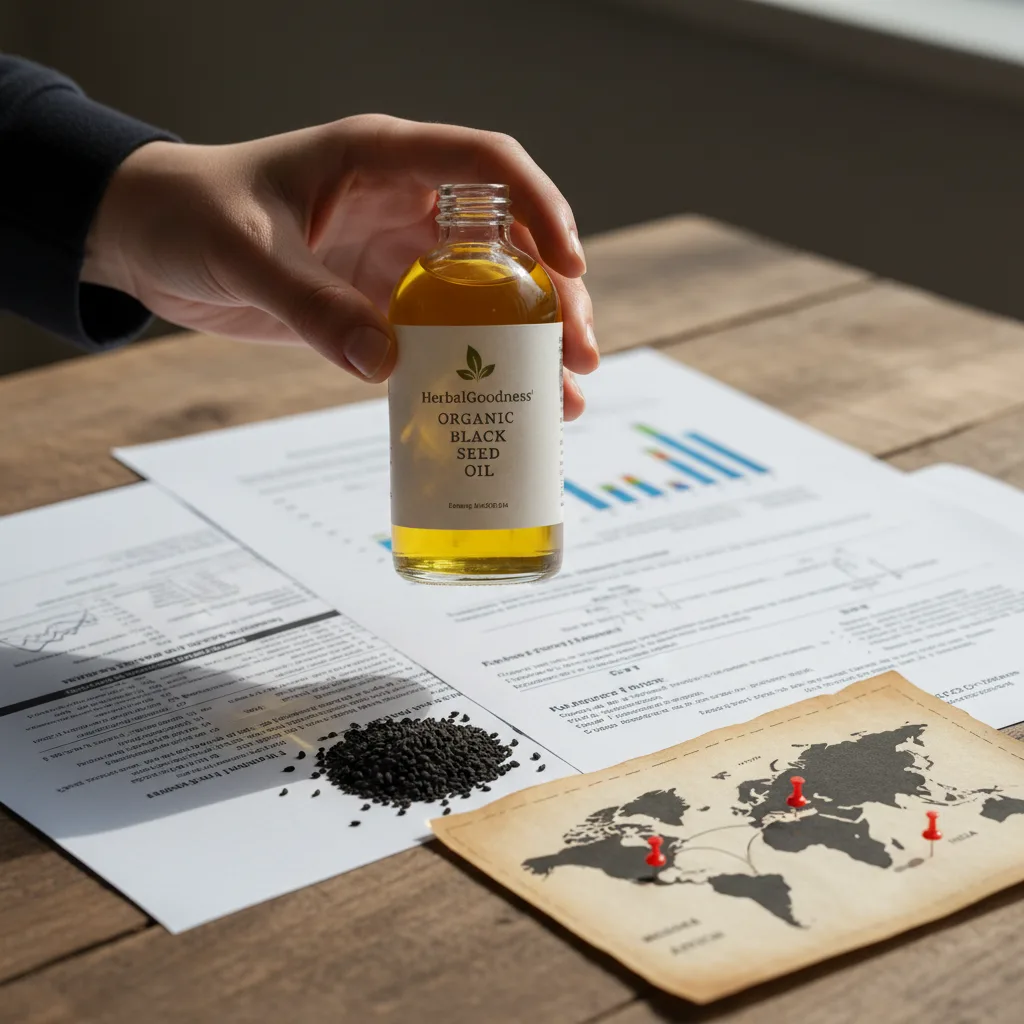
Building a Simple Comparison Spreadsheet
A spreadsheet (using Google Sheets, Excel, or similar) is an excellent way to make your checklist interactive and reusable. Here is a step-by-step method for crafting your shopping comparison tool:
Step 1: Set Up Your Columns and Rows
- Rows: List your criteria (origin, extraction, packaging, lab results, price per mL, seller transparency, return policy) in the first column.
- Columns: Label each additional column with a specific product’s name or brand.
Step 2: Enter Product Data Side-by-Side
- As you research, enter information for each product in its corresponding row.
- Use color-coding or bold text to highlight standout features. For example, green for cold-pressed extraction or red for missing lab results. When comparing black seed oil and similar products, add links to trusted options like Organic Papaya Leaf Extract 16oz | 15X Liquid – Best Value Size for whole-body support.
Step 3: Add Your Own Notes and Observations
- Jot down unique details that matter to you, such as if the seller provides extra education or sustainable sourcing details.
Step 4: Calculate Price per Milliliter Automatically
- Use spreadsheet formulas (e.g.,
=Price/Volume) to save time and keep your calculations accurate as you compare new options.
Step 5: Reuse and Refine Your Checklist
- Save your spreadsheet for future purchases, and update it as new products enter the market or your priorities evolve. This approach works for other natural health products—feel free to adapt the system for supplement categories like Blood Platelet Support with Papaya Leaf | Organic 15X Liquid Extract.

Tips for Making the Most of Your Checklist
- Start with your top three brands to avoid overwhelm; add more as needed.
- Prioritize criteria: If origin or packaging matters most to you, highlight those rows to make them easy to spot when scanning your comparison.
- Document changes: If you notice a company updates its packaging or transparency, make a note for the next time you shop.
- Save product links: In digital spreadsheets, link each product name to its online listing for quicker revisit. This is convenient for returning to listings like Black Seed Oil 8oz | Cold-Pressed Nigella Sativa – Immune & Daily Wellness.

Values-Aligned Decision Making
A thoughtful checklist or spreadsheet isn’t just about finding the best black seed oil price or most stylish packaging—it’s about making decisions that match your values and preferences. When you know what each product offers and where it stands out, you feel more in control and less susceptible to marketing hype. Whether you prioritize sustainable farming practices, third-party testing, or ease of returns, your comparison tool keeps these preferences top-of-mind, ensuring every purchase supports what matters to you. And if you value a holistic wellness routine, integrating products such as Soursop Leaf Graviola Extract 15X Liquid | Organic Cell & Immunity can complement your immune support needs.
Next Steps: Confident Shopping for Organic Black Seed Oil
Now that you know what to track and how to structure a comparison, you’re set up for thoughtful, empowered shopping. With your simple checklist or spreadsheet in hand, you’ll find it easier to:
- Screen new product listings quickly
- Clarify your top purchase drivers (quality, value, transparency)
- Choose products that fit your personal standards—every time
Whether you buy directly from a trusted supplier like Herbal Goodness or explore other reputable sources, your comparison toolkit turns uncertainty into clarity. Enjoy discovering the right Black Seed Oil 8oz | Cold-Pressed Nigella Sativa – Immune & Daily Wellness for you, with full confidence in your process.
Frequently Asked Questions
Question 1: What is the most important factor when comparing black seed oil products?
Answer: While priorities vary, many shoppers focus strongly on the extraction method and third-party lab results. For those seeking purity and potency, opting for Black Seed Oil 8oz | Cold-Pressed Nigella Sativa – Immune & Daily Wellness with cold-pressed extraction can make a significant difference.
Question 2: Should I only buy black seed oil in amber glass bottles?
Answer: Amber glass helps protect the oil from light and oxidation, preserving freshness. When comparing packaging, look for amber glass or UV-protective materials, especially if you use the oil slowly.
Question 3: Is third-party testing necessary for black seed oil?
Answer: Third-party testing isn’t always mandatory, but it adds a valuable layer of quality and transparency. Verified lab results demonstrate commitment to purity, similar to standards applied for products like Soursop Leaf Graviola Extract 15X Liquid | Organic Cell & Immunity.
Question 4: How do I accurately compare prices between different black seed oil sizes?
Answer: Price per mL (or per ounce) offers a clear, apples-to-apples way to compare products. Simply divide the full price by the number of mL or ounces to make an informed, budget-savvy decision.
Question 5: Why is seller transparency important?
Answer: Transparent sellers provide detailed sourcing, certifications, and processing information. This enables you to shop according to your values—whether for Black Seed Oil 8oz | Cold-Pressed Nigella Sativa – Immune & Daily Wellness or any other well-labeled product.
Question 6: Can I use this checklist for products besides black seed oil?
Answer: Absolutely! The checklist approach applies to many wellness items including Raw Sea Moss 8oz Bag | St. Lucia Wildcrafted – Nature's Multivitamin and Organic Papaya Leaf Extract 16oz | 15X Liquid – Best Value Size. Customize your criteria as needed.
Question 7: What’s a good way to keep my comparison tool up-to-date?
Answer: Document your discoveries and note changes in products, such as new extraction methods or packaging updates. If using a spreadsheet, link product names (like Blood Platelet Support with Papaya Leaf | Organic 15X Liquid Extract) for quick access and easy updates.
Build your own organic black seed oil comparison checklist or spreadsheet today, and bring clarity and confidence to every shopping experience.
About the Author
Herbal Goodness Editorial Team
The Herbal Goodness Editorial Team specializes in holistic health and superfoods, blending science and nature to educate and empower our community.
References
Share this

Popular posts


FAQs
1. What are the main benefits of drinking bamboo leaf tea?
Drinking bamboo leaf tea supports hydration, relaxation, skin wellness, and antioxidant balance.
2. What is bamboo leaf extract used for?
It’s used for general body wellness, skin elasticity, hair and nail support, and overall vitality.
3. Can bamboo leaf help with skin care and body wellness?
Yes, bamboo leaf is rich in silica and antioxidants, which promote healthy skin, strong nails, and a youthful glow.
4. What forms of bamboo leaf are available?
You can find dried bamboo leaf, powder, extract, drops, oil, and bamboo leaf green tea.
5. Are there any side effects of bamboo leaf?
Bamboo leaf is generally safe when consumed in moderation. Always consult your healthcare provider before starting any new herbal supplement.