





Mullein Tea Tasting Guide: Compare Flavor, Aroma and Leaf Quality

Curiosity about herbal teas often starts with a single sip. If you’ve ever wondered how mullein tea differs in aroma, flavor, or mouthfeel from one source to another, there’s a joyful way to dive deeper—build your own mullein tea tasting passport. This guide walks you through how to purchase small-sample packs online, brew consistent and exploratory cups, and document your sensory impressions. Whether you’re new to herbal teas or expanding your palate, this approach puts discovery and enjoyment first while helping you identify what you truly like.
Why Start a Mullein Tea Tasting Passport?
Tea tasting isn’t just for connoisseurs. It’s a hands-on way to awaken your senses, notice subtle differences, and turn each cup into a personal adventure. A tasting passport provides a simple, organized space for notes on aroma, flavor, leaf cut, and more. Keeping these records helps you make more confident decisions when buying mullein tea in the future—especially from online sources where scent and texture can’t be judged in advance.
How to Order Small-Sample Packs of Mullein Tea Online
Searching for Mullein Tea Samples
Many herbal retailers offer sample packs or trial-sized portions. Look for terms like “organic mullein tea samples,” “mullein leaf mini packs,” or “sample size herbal tea” when searching. Choosing sample sizes is cost-effective and allows for comparison without committing to a large bag. Herbal Goodness and similar brands often specify sample weights or quantities—these smaller portions are ideal for an exploratory tasting passport.
Checking Quality and Source Information
When comparing sample packs, pay attention to the leaf cut, harvest origin, and processing details. Product descriptions from reputable online shops may give hints about whether the mullein is wildcrafted, organically grown, or ethically sourced. Check available product photos: you may spot differences in cut (fine, medium, coarse) or color (pale green, silvery, deep olive)—all clues that will come in handy during your tasting sessions.
Setting Up Your Mullein Tea Tasting Kit At Home
What You’ll Need
- Mullein tea samples from 2–5 sources, ideally with different origins or brands
- Small brewing vessel, such as a covered cup, small pot, or infuser basket
- Timer (digital or on your phone)
- Scale or kitchen spoon for measuring leaf amounts consistently
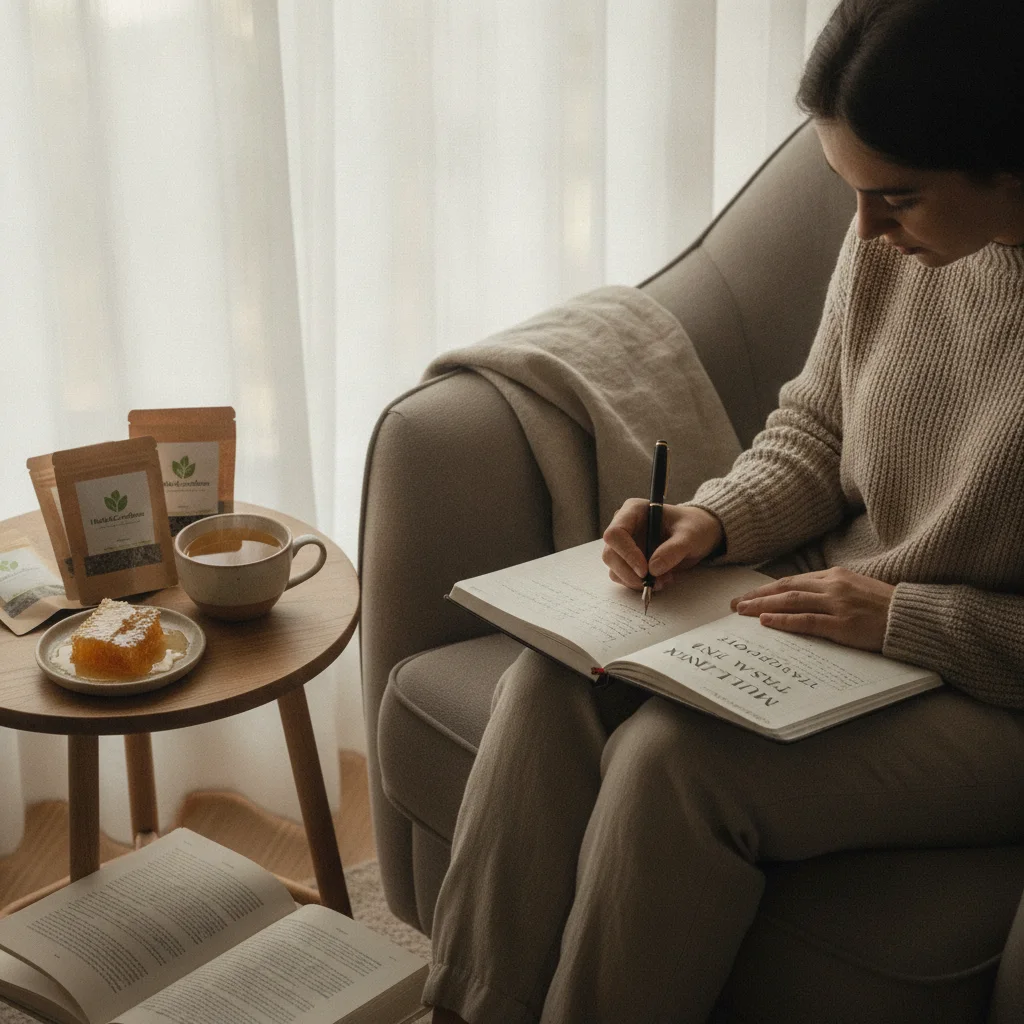
- Pen and tasting passport notebook (or a printable template)
- Fresh, filtered water for unbiased taste results
- Blankets of curiosity and kindness (optional, but recommended)
Organizing Your Tasting Passport
Create a simple log with columns or sections for:
- Sample name/brand/origin
- Leaf cut description (fine, medium, coarse)
- Aroma (dry and brewed)
- Color of brewed tea
- Mouthfeel (soft, smooth, dry, etc.)
- Flavor notes or impressions
- Steeping time and temperature
- Any extra observations
This format turns tasting into an experiment and helps you revisit your favorites over time. If you want more variety, consider a Herbal Tea Trio Bundle for side-by-side exploration.
Brewing Consistent, Comparable Cups
Measuring and Timing Variables
- Leaf Amount: Use the same quantity (typically 1–2 teaspoons per 8 ounces of water) for each sample.
- Water Temperature: Mullein is usually steeped with water just below boiling (around 200°F), though cooler temperatures can highlight different notes. Keep your water temperature steady for all tastings to allow fair comparison.
- Steeping Time: Start with 5–8 minutes. Note how each sample evolves if you steep longer or shorter.
Practical Steps
- Prepare water to the chosen temperature.
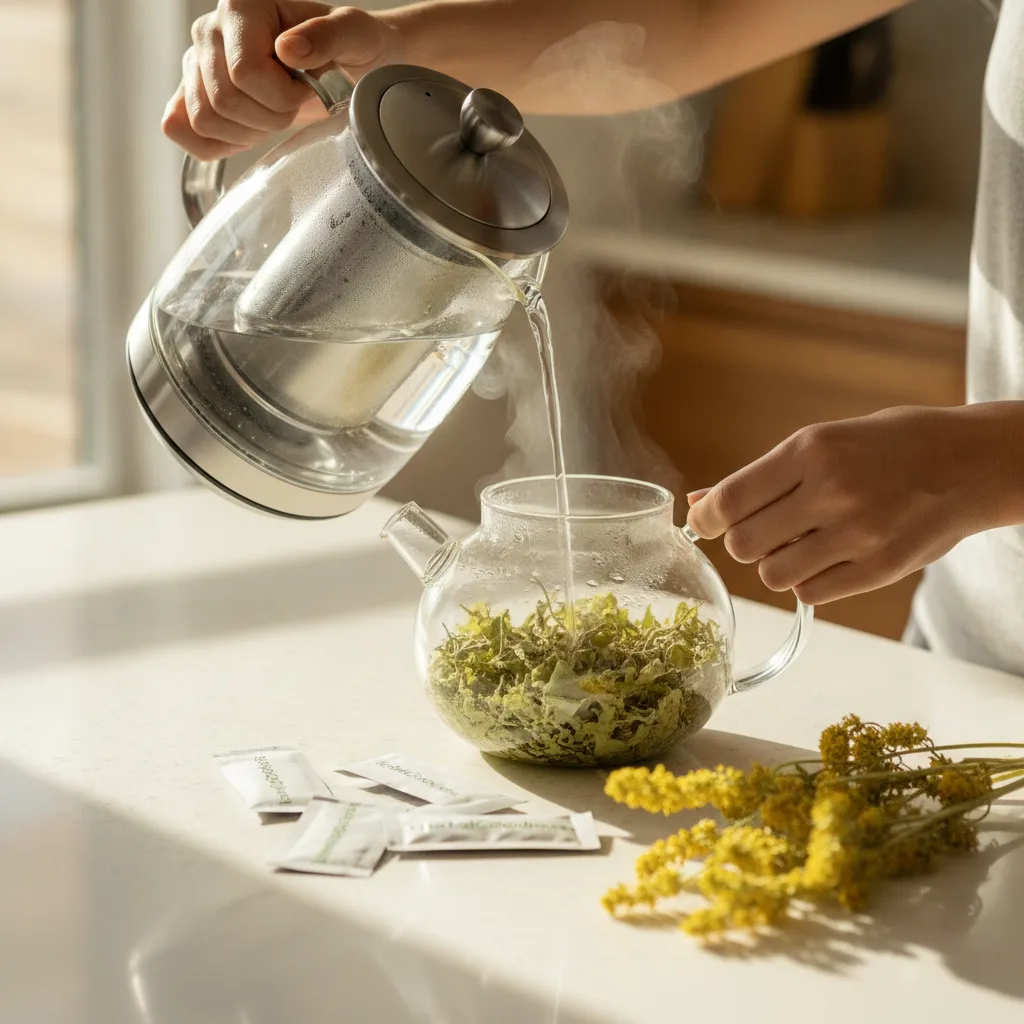
- Measure out your mullein leaf sample and place it in your brewing vessel.
- Set your timer and pour water over the leaves.
- Cover and let steep for your target time.
- Uncover and note the aroma—both dry leaf and brewed tea.
- Taste and record: Sip, swirl, and jot down flavor impressions, mouthfeel, and color.
By repeating these steps with each sample, you create a baseline for comparison.
How to Compare Mullein Leaf Cut, Flavor, and Origin Clues
Identifying Leaf Cut Differences
Mullein leaves can be sold as whole pieces, coarse cut, or finely milled. Observe each sample before brewing. Does the cut seem uniform? Are there fuzzy silvery textures, tender green slivers, or larger dried pieces? Leaf size can affect flavor extraction and visual appeal in your cup. To experiment further with loose leaf botanicals, explore Bulk Herbs & Roots Online for Tea as a customizable option, giving you even more control over your tastings.
Noticing Aroma and Color
Before brewing, gently crush a pinch of dry mullein leaf between your fingertips. Inhale and note whether the aroma is grassy, floral, earthy, or subtly sweet. After steeping, observe the color: some mullein teas are nearly clear; others display a pale yellow or luminous straw hue. Herbal teas such as Guava Leaf Tea Organic 24 Bags offer another way to train your senses to recognize subtle aroma differences.

Tasting for Flavor and Mouthfeel
Take a first sip. Is the mouthfeel silky or slightly textured? Jot down first impressions: some people note a clean, delicate taste, while others detect faint notes of honey, hay, or even cucumber. A slight tickle at the back of the throat is a traditional trait. For further herbal exploration, a Wellness Tea Blends pack offers a rich range of sensations from other botanicals as well.
Discovering Origin Clues
If the sample pack lists origin (such as wild-grown in the U.S. or Europe), include these notes in your passport. Mullein’s subtlety means that terroir—where it is grown—can softly shape flavor and character, though differences can be nuanced compared to more robust teas.
Tips for Creating a Meaningful Mullein Tea Tasting Experience
Experiment Mindfully
- Try blind tastings by labeling cups A, B, C.
- Pair tastings with a neutral snack or crackers to reset your palate.
- Invite a friend to compare notes and see how perceptions vary.
Experimenting with different tea sources, such as Bamboo Leaf Tea 24 Bags, can expand your sensory vocabulary for evaluating aroma, color, and mouthfeel.
Keep Your Tasting Passport Simple
There is no right or wrong way to describe what you notice; your descriptions might lean poetic or practical. Over time, trends will emerge—perhaps you prefer a coarser leaf with a soft, neutral aroma, or maybe a lighter cup with gentle florality appeals most.
Explore Brewing Variables
If a sample seems too mild, increase the leaf amount, or steep a bit longer on your next try. Small changes can bring out different characteristics. Record these trials in your passport for reference. You may also want to try Mullein Leaf Organic 15X Liquid Extract for a different format and experience.
Storing and Rotating Through Mullein Tea Samples
Once you’ve tried each small pack, reseal and store in a cool, dry place. Over time, return to your favorites and re-taste. Your notes will help identify consistent preferences or changing inclinations as your palate grows. If you wish to share this experience, consider gifting an Organic Herbal Tea Gift Set to a fellow tea lover.
Embracing the Joy of Discovery With Herbal Goodness
Starting a mullein tea tasting passport is as much about expanding your senses as making thoughtful, confident choices. By buying sample packs online, carefully comparing cuts and flavors, and journaling your discoveries, you transform tea-drinking from routine to exploration. Herbal Goodness and other quality brands support this journey by offering reliable sourcing details and mindful packaging, making your passport adventure both approachable and fun. With every thoughtful sip and recorded note, you set the stage for a lifelong appreciation of mullein tea’s nuanced world.
Frequently Asked Questions
Question 1: How do I choose the best mullein tea for my tasting passport?
Answer: Look for options like Mullein Leaf Tea Organic 24 Bags from different origins and leaf cuts, and consider sample packs or bundles for side-by-side comparison.
Question 2: Can I mix other herbal teas with mullein during a tasting?
Answer: Yes, you can compare mullein with teas like Guava Leaf Tea Organic 24 Bags or Bamboo Leaf Tea 24 Bags to enhance your tasting experience and broaden your sensory notes.
Question 3: What format of mullein should I try: loose leaf, bags, or extract?
Answer: Loose leaf and tea bags offer the classic tasting experience, but Mullein Leaf Organic 15X Liquid Extract provides a concentrated way to experience mullein and compare against infusions.
Question 4: How do I store my mullein tea samples for repeat tastings?
Answer: Seal opened packs tightly and store them in a cool, dry place. Bulk Herbs & Roots Online for Tea and other loose botanicals can be transferred into airtight containers for freshness.
Question 5: Can I gift a mullein tea tasting passport to someone else?
Answer: Absolutely! An Organic Herbal Tea Gift Set or a curated bundle makes a thoughtful and fun gift for tea lovers.
Question 6: Are there other herbal teas good for similar tasting passports?
Answer: Yes, explore blends like Wellness Tea Blends or any of the Herbal Tea Trio Bundle varieties for ongoing tasting adventures.
Collect sample packs, brew mindfully, and begin your own mullein tea tasting passport journey to discover what flavors, aromas, and textures you most enjoy.
About the Author
Herbal Goodness Editorial Team
The Herbal Goodness Editorial Team specializes in holistic health and superfoods, blending science and nature to educate and empower our community.
References
Ordering Kids' Liquid Herbal Supplements in 2026: A Parent's Guide to Shipping and Labels
Ordering Plantain Leaf Online: Shipping, Freshness & Storage Tips
Organic Ashwagandha Liquid Extract: International Buying Guide
Pau d'Arco Online: A Beginner’s Guide to Forms, Sourcing, and Responsible Shopping
Per-Drop Literacy: How to Read Extract Ratios and Labels on Liquid Mushroom Supplements
Share this

Popular posts


FAQs
1. What are the main benefits of drinking bamboo leaf tea?
Drinking bamboo leaf tea supports hydration, relaxation, skin wellness, and antioxidant balance.
2. What is bamboo leaf extract used for?
It’s used for general body wellness, skin elasticity, hair and nail support, and overall vitality.
3. Can bamboo leaf help with skin care and body wellness?
Yes, bamboo leaf is rich in silica and antioxidants, which promote healthy skin, strong nails, and a youthful glow.
4. What forms of bamboo leaf are available?
You can find dried bamboo leaf, powder, extract, drops, oil, and bamboo leaf green tea.
5. Are there any side effects of bamboo leaf?
Bamboo leaf is generally safe when consumed in moderation. Always consult your healthcare provider before starting any new herbal supplement.